Дізнайтеся, що таке HODL у світі криптовалют і опануйте стратегії довгострокового зберігання активів. З’ясуйте, чому HODLing переважає трейдинг, як ефективно застосовувати HODL і які монети обрати для зберігання на Gate, щоб отримати максимальний прибуток.
Резюме
HODL — це стратегія інвестування в криптовалюту, що передбачає утримання активу без продажу. Трейдери, які дотримуються HODL, зберігають свої криптоактиви та ігнорують короткострокові зміни ринку, залишаючись у позиції незалежно від ринкових умов.
Трейдери обирають HODL з двох основних причин: по-перше, віра у базовий актив або технологію та її довгостроковий потенціал; по-друге, розуміння, що тривале утримання інвестиції та терпіння можуть принести більший відсоток прибутку, ніж активна щоденна торгівля. Ця стратегія вимагає дисципліни й переконання, адже передбачає опір спокусі продавати як під час різкого зростання, так і падіння ринку.
Водночас HODL має ризики — це тривалі періоди нереалізованих збитків та втрата можливостей через капітал, вкладений у активи, які можуть не виправдати очікувань.
Історія HODLерів
Термін HODL, який отримав значення «hold on for dear life» («тримайся до останнього»), став популярним після посту на форумі Bitcoin у 2013 році. Він виник під впливом негативних новин: уряд Китаю вперше заборонив використання Bitcoin для купівлі та продажу товарів чи послуг, що призвело до значної невизначеності на ринку.
Автор посту GameKyuubi, ймовірно, хотів написати «hold», але припустився помилки. Ця помилка швидко стала відомою у криптоспільноті. Згодом термін перетворився на один із найвідоміших в індустрії, ставши символом відданості довгостроковому інвестуванню попри волатильність ринку.
Значення HODL вийшло за межі помилки — це філософія і менталітет, що вплинули на підхід багатьох інвесторів до ринку криптовалют.
Що означає HODL?
Якщо ви новачок у криптовалютах, досліджуєте Bitcoin чи часто переглядаєте тематичні соцмережі, ви напевно стикалися з фразами HODL, HODL Bitcoin або HODL your crypto. Це означає «тримай і не продавай» або «тримайся до останнього», тобто зберігай інвестиційну позицію незалежно від коливань ринку.
Наприкінці свого посту GameKyuubi зробив яскраву заяву, яка відображає його підхід: «У грі з нульовою сумою, такій як ця, трейдери можуть забрати ваші гроші, лише якщо ви продаєте.» Це основна ідея HODL: якщо ви продаєте, а актив зростає після цього, ви втрачаєте потенційний прибуток.
Філософія HODL передбачає, що утримання позиції дозволяє уникнути ризику неправильного таймінгу ринку та не втратити майбутнє зростання. Це стратегія, що ставить терпіння й переконання вище короткострокових торгових можливостей.
Як застосовувати HODL?
Основна ідея HODL — купувати дешево та не продавати, навіть якщо ціни різко змінюються. Ви купуєте, накопичуєте під час падінь і утримуєте позицію через ринкові цикли.
Успіх HODL залежить від переконання у власній інвестиційній гіпотезі та емоційної дисципліни, щоб ігнорувати короткострокові цінові зміни. Це означає не панікувати під час обвалів і не піддаватись ейфорії при зростанні. HODLери фокусуються на фундаментальних показниках і потенціалі обраної криптовалюти.
Досвідчені HODLери часто застосовують стратегію середньої вартості долара (Dollar-Cost Averaging): регулярні покупки незалежно від ціни, що дозволяють вирівнювати середню точку входу.
Трейдинг vs HODL: хто отримує більший прибуток?
Історія ринку демонструє наочні кейси на користь HODL. Наприклад, у грудні 2017 року ціна Bitcoin становила близько 19 700 USD, а у листопаді 2018 року впала до приблизно 5 500 USD — понад 70 % зниження. У 2018 — середині 2020 року ціна Bitcoin здебільшого залишалась нижчою за 10 000 USD.
Втім, улітку 2020 року почався бичачий ринок — ціна Bitcoin зросла з 10 000 USD у червні до 60 000 USD у квітні 2021 року. Дейтрейдери могли заробити на короткострокових рухах, але багато хто не отримав великих прибутків, втративши важливі моменти ринку. Натомість HODLери, які зберігали позицію під час падінь, отримали виняткові результати.
Цей патерн показує, чому HODL часто ефективніший за активний трейдинг, що підтверджує спостереження GameKyuubi: «Я поганий трейдер, а ви, хороші трейдери, можете знайти максимуми й мінімуми та заробити мільйон доларів.» Професійні трейдери можуть ефективно працювати на ринку, але не всі мають такі навички чи час для постійного аналізу й торгівлі.
Дейтрейдер витрачає багато зусиль на таймінг та аналіз, але може пропустити великі рухи або втратити позицію через волатильність. HODLер, який купував у період падінь 2018–2020 років, ймовірно, отримав би більший прибуток з меншим стресом і зусиллями.
Чому варто застосовувати HODL?
Трейдери й інвестори досягали успіху з HODL, адже історичні дані свідчать про значні бичачі цикли, інтерес роздрібних інвесторів, зростання інституційної участі та цифровізацію економіки.
У криптотрейдингу учасники намагаються заробити, купуючи й продаючи монети при зміні цін. Однак саме торгова активність спричиняє волатильність, оскільки ринок визначається попитом і пропозицією. Зростання попиту підвищує ціни, масові продажі — знижують.
Це складна гра, де трейдеру потрібно ідеально таймувати кожну операцію — навіть досвідчені гравці не завжди це можуть. HODLер просто утримує актив і ігнорує короткострокові зміни, фокусуючись на довгостроковому зростанні.
Стратегія HODL допомагає уникати психологічних помилок — панічного продажу під час падінь або FOMO під час зростання. Довгострокове утримання усуває емоційну складову з інвестиційних рішень.
Коли припиняти HODL?
Фінальна точка для HODL різна у кожного інвестора. Дехто вважає, що варто тримати монету до досягнення фінансової цілі, а потім продати й зафіксувати прибуток. Та завжди є ризик, що ціна продовжить зростати після продажу — це може викликати жаль через ранній вихід.
Інші радять тримати криптовалюту до моменту, коли вона стане повноцінним засобом платежу й не потрібно буде обмінювати її на фіат. Але не всі монети однакові, і ніхто не гарантує їхнє майбутнє масове використання. Це питання ускладнилося через розвиток CBDC по всьому світу.
Ті, хто інвестував у Bitcoin на ранньому етапі й зберігав позицію, отримали надзвичайні результати. Деякі аналітики вважають, що Bitcoin та інші ключові криптовалюти ще на ранніх стадіях розвитку, тому ті, хто починає інвестувати зараз, можуть отримати перевагу в майбутньому.
Рішення про завершення HODL має відповідати вашим фінансовим цілям, рівню ризику та інвестиційному горизонту.
HODL чи фіксація прибутку?
Якщо ви вагаєтесь між HODL і фіксацією прибутку, поставте собі питання: Чи вірю я, що ціна цієї криптовалюти зросте надалі? Якщо так, і у вас є переконання у перспективі активу, інвестиційна стратегія має бути на користь HODL.
Часткова фіксація прибутку може бути розумною стратегією — вона дозволяє отримати частину прибутку, зберігаючи позицію для подальшого зростання. Досвідчені інвестори часто продають невеликі частки активу при досягненні цільових цін, зберігаючи основну позицію для довгострокового приросту.
Враховуйте власну фінансову ситуацію — якщо потрібна ліквідність для важливих подій чи досягнуто фінансових цілей, фіксація прибутку може бути доречною незалежно від потенціалу майбутнього зростання.
HODL чи дейтрейдинг?
Якщо ви вибираєте між HODL і дейтрейдингом, оцініть свої навички: Чи маю я досвід для дейтрейдингу та таймінгу ринку? Чи це дуже волатильна криптовалюта? Якщо перше — ні, а друге — так, варто обрати HODL.
Дейтрейдинг вимагає багато часу, глибокого теханалізу, емоційної дисципліни, а також містить більші транзакційні й податкові витрати. Дослідження показують, що більшість дейтрейдерів отримують менше, ніж ті, хто просто купив і утримує, особливо на волатильних ринках криптовалют.
Крім того, дейтрейдинг емоційно виснажливий і може призводити до помилкових рішень під час стресу. HODL усуває ці труднощі та може забезпечити кращі результати на довгій дистанції.
HODL чи продаж?
Якщо ви роздумуєте, чи варто HODLити чи продавати, поверніться до основного питання: Чи вірю я, що ціна цієї криптовалюти зросте? Якщо так, і ви переконані у фундаментальних засадах проєкту, варто тримати актив.
Якщо ваша інвестиційна гіпотеза змінилась — наприклад, через технологічний прогрес, регуляторні зміни або зміну конкурентного середовища, продаж може бути доцільним. Важливо регулярно переглядати портфель і переконуватись, що він відповідає вашим цілям та переконанням.
Якщо ж актив приніс значний прибуток і займає надмірну частку портфеля, продаж частини може бути розумним управлінням ризиком, навіть якщо ви залишаєтесь оптимістом щодо довгострокових перспектив.
HODL чи стейкінг?
Якщо ви інвестор і вагаєтесь між HODL і стейкінгом, запитайте себе: Чи хочу я отримувати пасивний дохід з активів, які тримаю? Якщо так, можна розглянути стейкінг — депонування криптовалюти у стейкінговий сервіс для отримання винагороди.
Серед варіантів — централізовані біржові сервіси стейкінгу, які зручніші для новачків, або участь у децентралізованих фінансових (DeFi) протоколах. Однак участь у DeFi пов’язана з додатковими ризиками та складністю, тому більше підходить досвідченим трейдерам, які розуміють ризики смарт-контрактів і механіку протоколів.
Стейкінг може бути ефективним способом отримання доходу з активів, які ви все одно плануєте тримати довго, поєднуючи HODL із генерацією прибутку. Перед внесенням активів завжди вивчайте механізм стейкінгу, періоди блокування та пов’язані ризики.
Яка монета найкраща для HODL?
Оцінюючи монети для HODL, трейдери й інвестори повинні аналізувати історичні результати ціни та графічні патерни кожної криптовалюти. Історичні дані допомагають зрозуміти поведінку активу в різних ринкових умовах.
Наприклад, якщо HODLер купив би Bitcoin наприкінці 2017 чи на початку 2018 року приблизно за 19 700 USD і продав у квітні 2021 року біля піку близько 63 500 USD, прибуток склав би 222 % від початкової інвестиції.
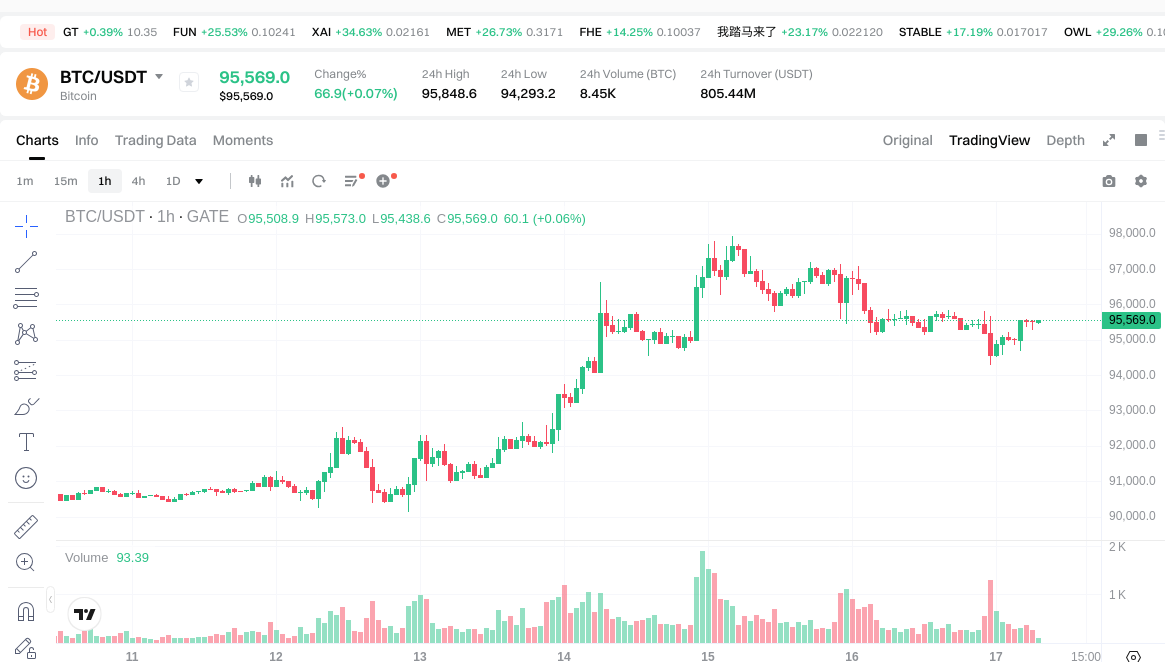 Хоча трейдери рідко продають на абсолютних піках (адже їх складно передбачити), HODL на тривалій дистанції зазвичай давав позитивний результат.
Навіть при менш оптимальному таймінгу — купівлі наприкінці 2017 року за 19 000 USD і продажу на початку 2021 року за 40 000 USD — інвестор отримав би 110 % прибутку. Це демонструє силу довгострокового утримання, навіть без ідеального входу.
Вибираючи монети для HODL, звертайте увагу на такі чинники:
- Технологічна інновація та практичне застосування проєкту
- Досвід і репутація команди розробників
- Підтримка спільноти та показники впровадження
- Ринкова капіталізація та ліквідність
- Регуляторне середовище та відповідність вимогам
- Історична динаміка цін і патерни волатильності
У підсумку, HODL — це стратегія, яку використовують багато успішних інвесторів, трейдерів і установ, і вона може стати важливою частиною вашого інвестиційного підходу. Інвестування в криптовалюти містить значні ризики та потребує ретельного аналізу, емоційної стійкості та глибоких досліджень. Для тих, хто має переконання й терпіння, ця стратегія може допомогти досягти фінансових цілей і забезпечити довгострокове зростання капіталу. Інвестуйте тільки ті кошти, які готові втратити, і консультуйтеся з фінансовими радниками перед прийняттям важливих рішень.
FAQ
Що таке HODL? Чому криптотрейдери часто обговорюють стратегії HODL?
HODL означає довгострокове утримання криптовалют замість продажу під час падіння ринку. Трейдери обговорюють це, щоб уникати панічних продажів, протистояти FOMO та розраховувати на можливий довгостроковий приріст ціни, незважаючи на короткострокову волатильність.
Що приносить більше: HODL чи активний трейдинг? Які переваги та недоліки кожного підходу?
HODL зазвичай дає менший прибуток із зниженим ризиком, активний трейдинг — більший потенційний прибуток, але з високими ризиками. HODL потребує терпіння та мінімального контролю; активний трейдинг — часу й досвіду. Вибір залежить від вашої толерантності до ризику та цілей інвестування.
Який підхід обрати криптотрейдеру: HODL чи часта торгівля? Як визначити?
Обирайте залежно від рівня ризику й часу. HODL підходить для довгострокових інвесторів, які прагнуть стабільності з меншим ризиком; часта торгівля дає вищий прибуток, але потребує більше досвіду й містить більший ризик. Оцініть свої фінансові цілі та рівень терпіння.
Чи варто дотримуватись HODL у ведмежому ринку? Коли розглядати продаж?
У ведмежих ринках стратегія HODL залежить від толерантності до ризику та інвестиційних цілей. Довгострокові інвестори здебільшого залишають позиції, короткострокові — виходять. Розглядайте продаж, якщо гіпотеза змінилась або потрібна ліквідність. Раціональний аналіз ринку — основа для правильних рішень.
Які головні ризики стратегії HODL? Як управляти психологічним тиском під час HODL?
Основні ризики — ринкові падіння, що призводять до довгострокових збитків, та емоційна нестабільність. Керуйте стресом через чіткі інвестиційні цілі й точки стоп-лос, підтримуйте емоційну стабільність і регулярно аналізуйте результати портфеля.
Чи варто застосовувати різні стратегії HODL для різних криптоактивів (Bitcoin, Ethereum, альткоїни)?
Так. Bitcoin має унікальний статус, що робить довгострокове утримання доцільним, а Ethereum і альткоїни потребують частішої торгівлі. Для альткоїнів ефективні стратегії швидкого входу й виходу, а Bitcoin — виняток для довгострокового HODL.
Як поєднувати HODL і стоп-лос? Які чинники враховувати при встановленні точок стоп-лос?
Поєднуйте HODL і стоп-лос, встановлюючи точки залежно від ризику та технічних індикаторів. Використовуйте рівні підтримки й процентні пороги, щоб уникнути емоційних рішень. Раціональний стоп-лос захищає капітал і залишає потенціал для довгострокового приросту.
* Ця інформація не є фінансовою порадою чи будь-якою іншою рекомендацією, запропонованою чи схваленою Gate, і не є нею.