Panduan komprehensif untuk meluncurkan memecoin Anda sendiri: petunjuk langkah demi langkah mulai dari pengembangan konsep hingga proses deployment di Gate. Pelajari fundamental blockchain, smart contract, tokenomics, serta strategi membangun komunitas. Sangat sesuai bagi pemula yang belum memiliki pengalaman pemrograman.
Singkatnya
Memecoin merupakan fenomena unik di industri kripto yang lahir dari perpaduan budaya internet dan teknologi blockchain. Popularitas memecoin didorong oleh beberapa faktor utama berikut:
- Memecoin berakar dari budaya pop internet dan berkembang melalui dukungan komunitas yang aktif serta penyebaran viral di media sosial.
- Riset pasar yang menyeluruh, pemahaman mendalam terhadap audiens target, dan keterlibatan komunitas yang konsisten adalah kunci utama peluncuran memecoin yang sukses.
- Penciptaan konsep yang unik dan narasi yang menarik akan membuat proyek lebih menonjol di pasar memecoin yang padat.
- Tokenomics yang efektif melibatkan penetapan suplai koin yang optimal, distribusi token yang adil dan transparan, serta sistem hadiah yang dirancang dengan baik untuk membangun kepercayaan dan loyalitas komunitas.
- Pembangunan komunitas yang aktif memerlukan pendekatan komprehensif, memanfaatkan media sosial, forum khusus, kemitraan dengan influencer, dan pesan yang jelas mengenai nilai unik memecoin Anda.
Apa Itu Memecoin
Memecoin adalah aset digital yang berakar pada budaya internet, meme populer, dan humor. Tidak seperti mata uang kripto tradisional, sebagian besar memecoin tidak memiliki utilitas atau inovasi teknologi yang jelas. Nilai utama mereka berasal dari penyebaran viral dan dukungan komunitas yang antusias.
Memecoin sering menjadi parodi proyek kripto yang lebih serius—Dogecoin adalah contoh paling ikonik—dan dapat meraih popularitas serta kapitalisasi pasar tinggi dalam kondisi tertentu. Perlu diingat, seluruh mata uang kripto sangat berfluktuasi, dan memecoin jauh lebih volatil. Siapa pun yang ingin terlibat harus sangat berhati-hati dan melakukan due diligence mendalam sebelum mengikuti tren apa pun.
Sejarah memecoin dimulai dari penciptaan Dogecoin pada 2013, ketika Billy Markus dan Jackson Palmer meluncurkan DOGE sebagai respons satir terhadap spekulasi kripto. Awalnya hanya sebuah lelucon, Dogecoin justru menarik perhatian besar dan menjadi ikon budaya.
Popularitas DOGE meledak berkat antusiasme dan partisipasi komunitas. Memecoin biasanya tumbuh melalui partisipasi aktif di media sosial, konten viral, dan rasa kebersamaan di antara pemegang token. Batas masuk yang rendah membuat memecoin mudah diakses banyak orang, tetapi penting untuk selalu melakukan riset sendiri, berhati-hati, dan tidak menginvestasikan lebih dari kemampuan Anda untuk menanggung risiko rugi.
Bagaimana Menentukan Konsep Memecoin Anda
Sebelum membangun memecoin, kembangkan konsep utamanya dengan matang. Baik Anda meluncurkan secara individu maupun berkelompok, keputusan utama pertama adalah apakah akan anonim atau mengumumkan identitas pembuat secara publik. Masing-masing pilihan memiliki kelebihan dan risiko yang harus dipertimbangkan secara cermat.
Lakukan Riset
Penelitian mendalam terhadap pasar memecoin sangat penting untuk kesuksesan proyek. Penting untuk menganalisis alasan banyak proyek memecoin gagal—belajar dari kasus tersebut memberikan wawasan penting untuk menghindari kesalahan dan jebakan.
Pelajari proyek komunitas yang populer dan identifikasi faktor kunci keberhasilannya. Tinjau strategi pemasaran, keterlibatan komunitas, tokenomics, dan fitur unik mereka. Yang paling penting, pahami audiens sasaran Anda secara mendalam—humor, referensi budaya, nilai-nilai, dan hal-hal yang memicu emosi serta partisipasi mereka.
Jelajahi Forum dan Komunitas Memecoin
Reddit, X (dulu Twitter), Discord, dan Telegram adalah pusat utama komunitas penggemar memecoin dan kripto. Dengan terlibat aktif, Anda bisa mendalami budaya memecoin dan mempelajari pola interaksi komunitasnya.
Perhatikan topik diskusi yang sering muncul, meme serta visual populer, dan tren terbaru yang dapat menginspirasi konsep proyek Anda. Tip profesional: Jangan langsung mempromosikan memecoin secara agresif di grup-grup ini. Bangun kehadiran Anda secara bertahap melalui etika interaksi yang baik, berbagi konten bernilai, dan menjalin relasi yang tulus dengan anggota komunitas.
Ciptakan Konsep
Memecoin Anda harus memiliki keunikan dan ide yang benar-benar menarik agar bisa menonjol di pasar yang sangat kompetitif. Imitasi proyek yang sudah ada tidak cukup—Anda perlu pendekatan yang segar dan inovatif.
Pikirkan apa yang akan menarik komunitas Anda dan mendorong mereka menjadi pendukung setia. Apakah berupa humor unik, referensi meme yang sedang tren, atau dukungan terhadap gerakan sosial tertentu?
Apa kisah dan narasi di balik memecoin Anda? Asal-usulnya harus jelas, otentik, dan menyentuh emosi target pengguna Anda. Memecoin tumbuh karena cerita yang menarik dan mudah dibagikan ke teman maupun sosial media, menghasilkan momentum viral.
Koin Anda harus membangkitkan emosi kuat—tawa tulus, nostalgia, antusiasme terhadap sesuatu yang baru, atau kebanggaan menjadi bagian dari kelompok khusus.
Ikuti Tren Terkini
Industri kripto dan dunia meme bergerak sangat cepat, dan keberhasilan sering didapat dari respons cepat terhadap tren baru. Terus pantau berita industri, ikuti tokoh kripto berpengaruh di media sosial, dan aktiflah dalam diskusi daring.
Jika Anda dapat segera meluncurkan konsep memecoin berdasarkan tren atau meme viral, Anda berpeluang memanfaatkan lonjakan minat publik dan menyedot perhatian besar di masa peluncuran krusial.
Apa Langkah Teknisnya
Pilih Blockchain
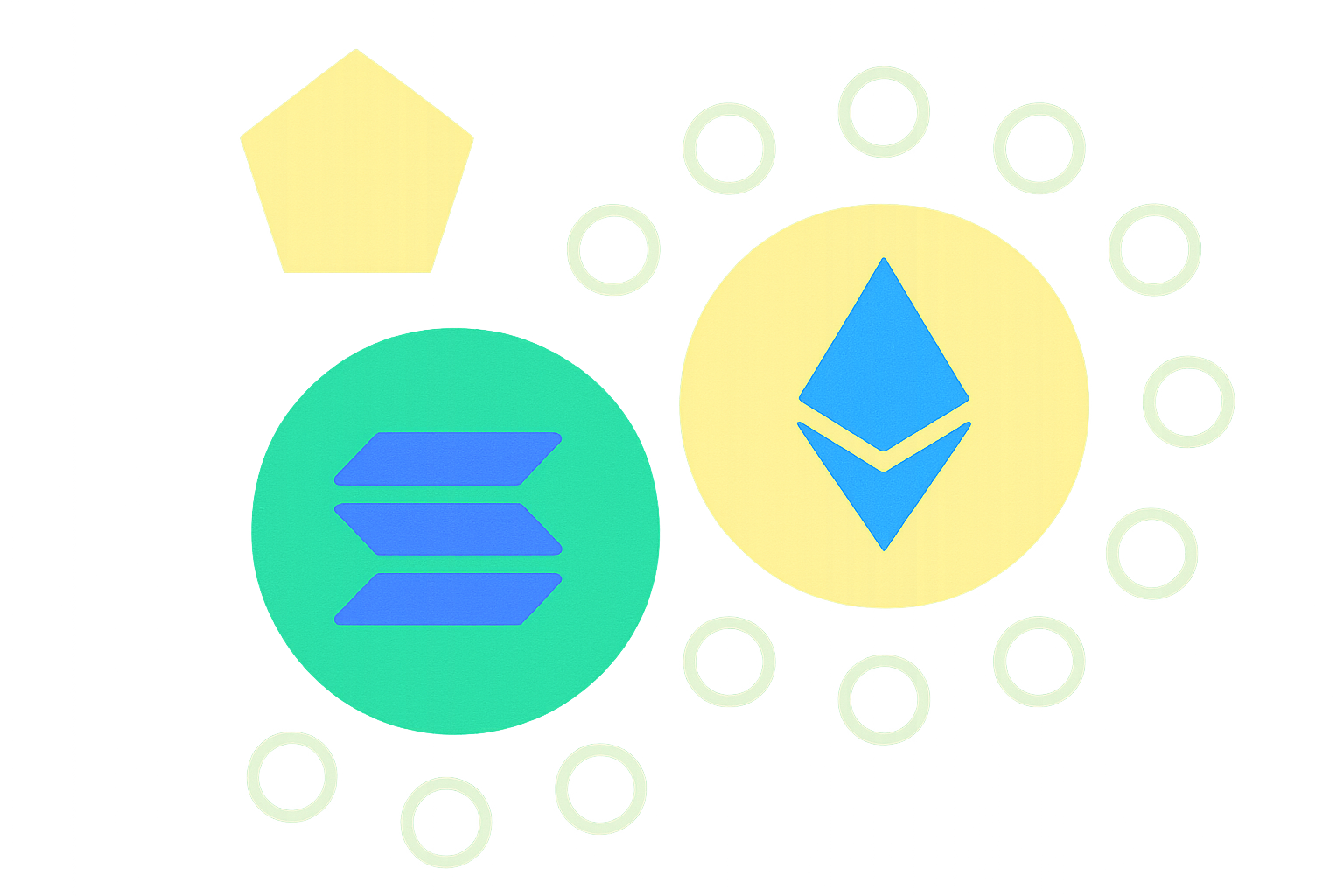
Memilih platform blockchain yang tepat adalah keputusan teknis utama. Solana dan Ethereum adalah dua pilihan terpopuler untuk peluncuran memecoin, yang masing-masing memiliki keunggulan tersendiri.
Solana dikenal dengan kecepatan transaksi tinggi dan biaya sangat rendah, sehingga sangat cocok untuk aplikasi terdesentralisasi dan token dengan kebutuhan transaksi mikro.
Ethereum tetap menjadi primadona karena skalabilitasnya yang sudah terbukti, ekosistem pengembang yang luas, dan reputasi merek yang kuat. Platform ini juga memiliki basis pengguna terbesar serta infrastruktur exchange terdesentralisasi paling matang.
Pelajari Standar Token
Standar token menentukan protokol teknis yang harus dipenuhi agar token kompatibel dengan dompet, bursa, dan berbagai platform dalam ekosistem blockchain.
SPL (Solana Program Library) adalah standar token Solana, menyediakan panduan jelas untuk transfer, pengecekan saldo, dan interaksi smart contract.
Ethereum menggunakan standar ERC-20 yang sangat populer, menentukan aturan transfer, persetujuan, dan pengecekan saldo. Memahami standar ini penting untuk membangun token yang kompatibel dan fungsional.
Pelajari Pemrograman
Untuk menciptakan memecoin, Anda perlu kemampuan dasar pemrograman smart contract pada blockchain pilihan Anda. Pada Solana, Rust adalah bahasa utama; C dan C++ juga didukung untuk tugas tertentu.
Pada Ethereum, Solidity adalah bahasa standar industri—bahasa berorientasi objek yang dirancang untuk smart contract. Smart contract adalah kode otomatis yang mengatur penerbitan memecoin, pemrosesan transaksi, dan logika proyek.
Buat dan Deploy Smart Contract
Untuk meluncurkan memecoin di Solana, gunakan alat seperti Solana CLI (command-line interface) untuk deploy program dan siapkan dompet Phantom guna berinteraksi dengan Solana serta mengelola token.
Pada Ethereum, gunakan platform seperti Remix—IDE daring untuk menulis dan menguji kode Solidity—dan buat dompet MetaMask untuk berinteraksi dengan jaringan Ethereum.
Setelah menulis smart contract, uji secara menyeluruh di testnet sebelum melakukan deploy ke mainnet. Hal ini untuk mendeteksi dan memperbaiki masalah potensial tanpa risiko kehilangan aset nyata.
Lakukan Audit Smart Contract
Audit keamanan smart contract profesional sangat penting setelah deploy. Audit ini mengidentifikasi potensi kerentanan yang dapat dimanfaatkan penyerang untuk mencuri dana atau mengganggu kontrak.
Perusahaan audit terkemuka seperti CertiK dan Quantstamp melakukan peninjauan kode secara komprehensif dan berlapis untuk menjamin keamanan maksimal. Audit resmi dari penyedia terpercaya meningkatkan kepercayaan komunitas dan menjadi nilai tambah utama proyek Anda.
Bagaimana Mengembangkan Tokenomics Memecoin yang Efektif
Tokenomics yang kuat menjadi pondasi keberlanjutan dan kesuksesan ekonomi memecoin jangka panjang. Trader dan investor berpengalaman akan menganalisis tokenomics proyek sebelum terlibat, sehingga aspek ini sangat penting.
Tentukan Jumlah Suplai Koin
Salah satu keputusan awal yang harus diambil adalah menentukan total suplai memecoin—apakah akan tetap (capped) atau tidak terbatas (unlimited).
Suplai tetap bisa menciptakan kelangkaan sehingga permintaan dan harga naik seiring pertumbuhan proyek. Sebaliknya, Dogecoin menggunakan suplai tidak terbatas dengan inflasi berkelanjutan, membuat harga per token tetap rendah dan mudah diakses banyak pengguna.
Kembangkan Model Distribusi
Tentukan strategi distribusi token kepada peserta. Mekanisme umum meliputi ICO, airdrop, alokasi tim, dan cadangan khusus pemasaran dan pengembangan proyek.
Distribusi yang adil, transparan, dan mudah dipahami sangat penting untuk membangun kepercayaan. Hindari konsentrasi token di tim atau investor awal secara berlebihan, karena dapat menimbulkan kekhawatiran manipulasi harga.
Ciptakan Mekanisme Hadiah
Rancang sistem hadiah yang menarik dan berkelanjutan untuk mendorong partisipasi aktif. Staking adalah metode populer—pengguna mengunci koin untuk mendukung jaringan dan mendapatkan pendapatan pasif.
Pertimbangkan juga insentif tambahan untuk partisipasi tata kelola, pembuatan konten, referensi pengguna, atau kontribusi lain yang mendukung ekosistem memecoin.
Pertimbangkan Fitur Deflasi dan Inflasi
Tentukan apakah memecoin Anda akan bersifat deflasi atau inflasi. Model deflasi mengurangi suplai token secara bertahap—misalnya melalui token burning—sehingga token menjadi lebih langka dan nilainya meningkat.
Token inflasi, sebaliknya, meningkatkan suplai secara gradual untuk mendorong pertumbuhan jaringan dan memberi insentif pada peserta, namun berdampak pada penurunan nilai token dari waktu ke waktu.
Fokus pada Keberlanjutan
Pastikan model tokenomics Anda berkelanjutan secara ekonomi untuk jangka panjang. Hindari mekanisme yang terlalu kompleks atau tidak transparan yang bisa membingungkan peserta.
Buat roadmap proyek yang jelas, sederhana, dan transparan agar komunitas memahami visi dan rencana Anda pada setiap tahap perkembangan.
Bagaimana Membangun Komunitas Memecoin
Komunitas yang aktif dan loyal adalah pondasi utama keberhasilan memecoin. Anggota komunitas akan menjadi penggemar terbesar, duta merek, dan kritikus konstruktif yang sangat berpengaruh pada stabilitas dan umur panjang proyek Anda.
Manfaatkan Pemasaran Media Sosial
Pertahankan kehadiran yang konsisten dan aktif di platform utama seperti Reddit, X (Twitter), Discord, dan Telegram. Pembaruan dan komunikasi rutin di kanal ini membangun komunitas yang solid serta memperkuat transparansi tim terhadap memecoin Anda.
Platform ini menyediakan interaksi dua arah secara real-time dan sering kali menjadi tempat pengguna baru mengenal proyek Anda, membentuk opini, dan memutuskan untuk bergabung.
Berpartisipasi di Forum
Tetap aktif di forum kripto khusus seperti Bitcointalk dan subreddit Reddit terkait. Berpartisipasilah dalam diskusi, bagikan visi Anda, dan tanggapi masukan serta ide dari komunitas.
Forum ini ideal untuk pengumuman fitur resmi, membangun kemitraan strategis, dan mendapatkan wawasan berharga dari anggota komunitas kripto yang berpengalaman.
Jelajahi Peluang Kemitraan dengan Influencer
Kolaborasi strategis dengan influencer yang tepat dapat secara drastis meningkatkan eksposur memecoin dan menjangkau audiens baru. Influencer kripto dapat mereview proyek, membuat konten edukatif, menyebutkan di media sosial, dan berpartisipasi dalam acara bersama.
Pilih influencer yang benar-benar sejalan dengan nilai proyek Anda dan memiliki keterikatan emosional pada konsep memecoin. Keaslian sangat penting—publik dapat dengan mudah mengenali promosi yang tidak tulus.
Taktik Pemasaran Meme
Buat konten viral yang mudah dibagikan—baik visual maupun tulisan—yang secara alami menghubungkan proyek Anda dengan budaya meme internet. Kembangkan meme unik, video humor, dan postingan berbasis tren untuk mendorong popularitas dan pertumbuhan organik koin Anda.
Dorong komunitas untuk membuat serta membagikan konten memecoin. Selenggarakan kontes meme atau kreativitas rutin dengan hadiah token untuk meningkatkan partisipasi.
Berinteraksi Langsung dengan Komunitas
Selenggarakan livestream dan sesi AMA (Ask Me Anything) secara berkala untuk komunikasi langsung antara tim dan komunitas. Gunakan polling dan voting untuk mengumpulkan masukan atas keputusan besar agar pengguna merasa pendapat mereka dihargai dan berdampak.
Terus informasikan komunitas mengenai perkembangan proyek, pencapaian, roadmap berikutnya, dan perubahan penting. Keterbukaan dan transparansi memperkuat kepercayaan jangka panjang.
Pelajari Taktik PR
X Spaces—diskusi audio langsung di X (dulu Twitter)—adalah salah satu sarana paling efektif untuk berinteraksi real-time dengan komunitas kripto. Siapkan siaran pers profesional yang mempresentasikan esensi, keunikan, dan nilai memecoin Anda, lalu distribusikan ke jurnalis dan media kripto.
Pertimbangkan menjadi penulis tamu untuk media kripto utama atau berkolaborasi dengan mikro-influencer dan blogger kripto yang dapat mengenalkan proyek Anda secara organik ke audiens mereka.
Kesimpulan
Memecoin merupakan fenomena khas yang lahir dari budaya meme dan humor internet. Meski berkesan santai, memecoin telah menjadi kekuatan utama dalam lanskap kripto modern berkat komunitas yang berdedikasi dan penuh semangat.
Membangun memecoin yang sukses sangat memuaskan dan menginspirasi, namun juga merupakan tantangan multidisiplin yang kompleks. Sukses membutuhkan keahlian di bidang riset pasar, perencanaan konsep, pengembangan teknis, tokenomics, pemasaran, dan manajemen komunitas.
Menjalin kemitraan strategis dengan para ahli berpengalaman di bidang-bidang ini akan menghadirkan sumber daya, keahlian, dan pengetahuan yang diperlukan untuk peluncuran serta pertumbuhan memecoin Anda dalam jangka panjang.
FAQ
Apa itu memecoin? Apa saja persyaratan dasar untuk membuat memecoin?
Memecoin adalah mata uang kripto yang berbasis pada meme internet dan budaya komunitas. Untuk membuatnya, Anda memerlukan smart contract di blockchain (misal Ethereum atau Solana), pendanaan likuiditas awal, komunitas aktif untuk promosi, dan strategi pemasaran.
Apakah Anda perlu keahlian pemrograman untuk membuat memecoin sendiri? Alat dan platform apa yang bisa digunakan?
Tidak diperlukan keahlian pemrograman. Anda dapat memakai token builder seperti OpenZeppelin Wizard, Remix IDE, atau smart contract siap pakai. Ada juga platform deployment token tanpa kode yang memungkinkan peluncuran memecoin hanya dalam beberapa menit.
Bagaimana cara membuat memecoin sendiri? Blockchain mana yang paling tepat untuk deploy?
Menciptakan memecoin melibatkan penulisan smart contract, penentuan parameter (suplai, pajak), dan deployment kode. Ethereum, Binance Smart Chain, dan Solana direkomendasikan berkat kecepatan dan biaya rendah.
Berapa biaya membuat memecoin? Apakah ada biaya tersembunyi?
Membuat memecoin di jaringan seperti BSC atau Polygon menelan biaya antara $100 hingga $1.000. Pengeluaran utama meliputi biaya deploy kontrak dan gas fee. Biaya tersembunyi bisa berupa audit kode, pemasaran, dan listing di bursa. Di luar layanan tambahan, metode ini adalah yang paling efisien secara biaya.
Apa saja risiko hukum dan isu regulasi dalam membuat memecoin?
Pembuatan memecoin dapat mengundang pengawasan regulator terkait sekuritas, penipuan, dan pencucian uang. Anda wajib patuh pada hukum kripto, perpajakan, dan perlindungan konsumen di yurisdiksi Anda. Konsultasikan dengan pengacara sebelum meluncurkan proyek.
Bagaimana membangun komunitas dan memasarkan memecoin Anda?
Bentuk komunitas aktif di Telegram dan Discord. Selenggarakan giveaway dan kontes rutin. Libatkan influencer kripto. Manfaatkan media sosial untuk konten viral. Adakan sesi AMA bersama pengembang. Berikan reward pada pemegang token. Utamakan transparansi dan kepercayaan komunitas.
Apa perbedaan memecoin dengan token biasa?
Memecoin berasal dari budaya internet dan komunitas, sedangkan token biasa memiliki fungsi praktis. Memecoin lebih volatil, kurang likuid, dan didorong spekulasi serta hype ketimbang nilai fundamental.
Bagaimana cara membuat memecoin dan meluncurkannya di platform trading?
Setelah membuat memecoin, sediakan likuiditas melalui protokol terdesentralisasi, lengkapi dokumen yang diperlukan, dan penuhi syarat listing platform. Ajukan permohonan listing, lakukan verifikasi, dan sepakati ketentuannya. Listing sukses akan meningkatkan volume perdagangan dan visibilitas token Anda.
Apakah memecoin mudah diretas? Bagaimana cara menjaga keamanannya?
Keamanan memecoin sangat bergantung pada kualitas smart contract dan audit menyeluruh. Gunakan platform deployment tepercaya, dompet multisig, dan audit kode profesional. Arsitektur kontrak yang tepat sangat mengurangi risiko peretasan.
Apa contoh memecoin sukses dan bagaimana cara kerjanya?
Memecoin seperti Dogecoin dan Shiba Inu sukses berkat komunitas aktif dan pemasaran organik. Mereka memanfaatkan media sosial untuk menarik pengguna, menyelenggarakan kampanye rutin, dan menciptakan konten unik. Keterlibatan komunitas yang konsisten dan transparansi adalah kunci keberhasilan mereka.
* Informasi ini tidak bermaksud untuk menjadi dan bukan merupakan nasihat keuangan atau rekomendasi lain apa pun yang ditawarkan atau didukung oleh Gate.