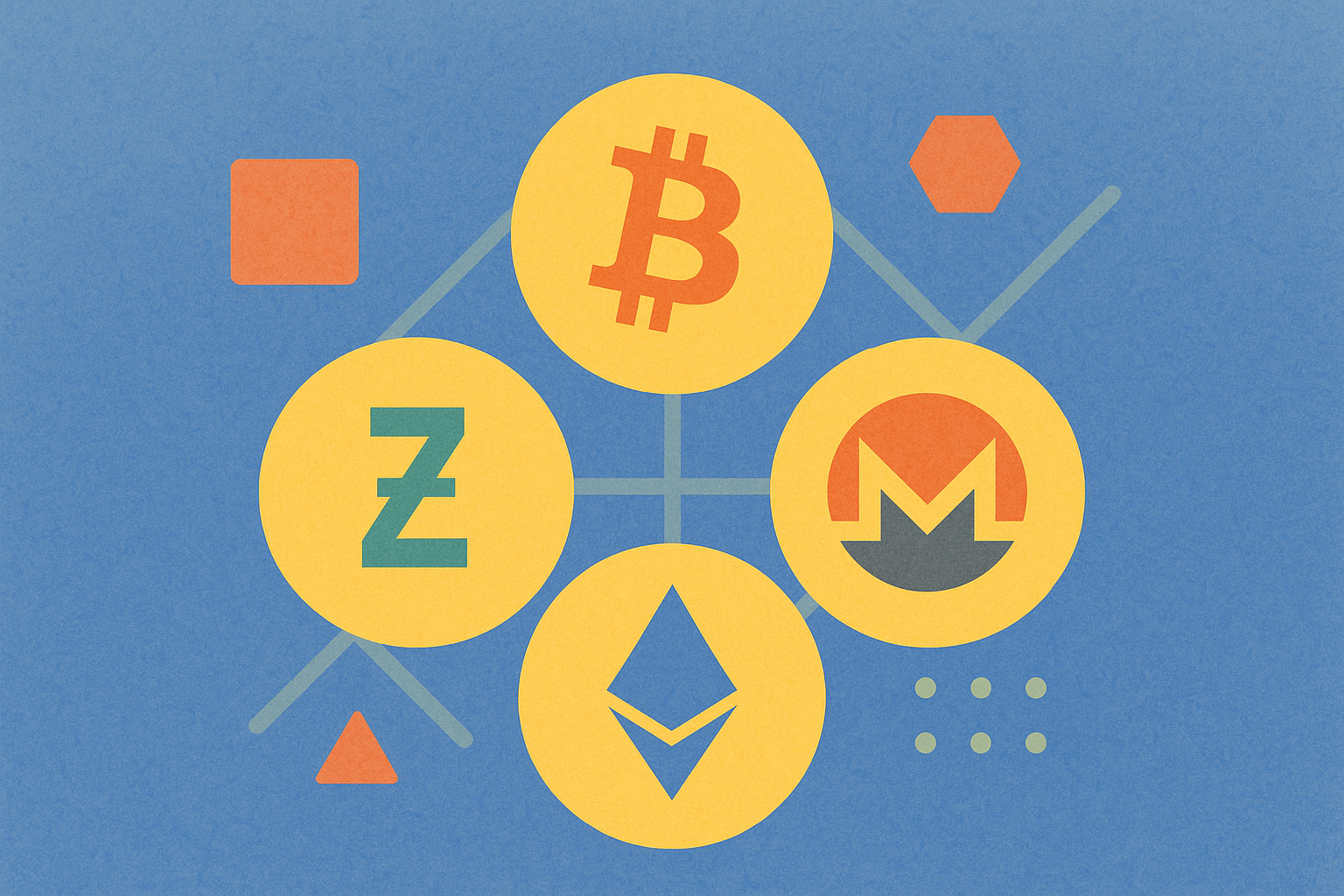
Hướng dẫn cơ bản về khai thác cá nhân: Tài liệu hướng dẫn toàn diện này sẽ giúp bạn hiểu rõ cách khai thác Bitcoin và các loại tiền điện tử khác ngay tại nhà, bao gồm chi tiết về thiết bị cần có, số vốn đầu tư ban đầu, cũng như gợi ý các đồng coin phù hợp như ZCash và Monero. Tài liệu này được xây dựng riêng cho người mới, trình bày toàn bộ quy trình từ việc khai thác bằng GPU cho đến cách tham gia mining pool, nhằm hỗ trợ bạn đạt được lợi nhuận ổn định khi tham gia thị trường.
Tổng quan về đào tiền điện tử
Trong lĩnh vực tiền điện tử, “đào” thường chỉ việc khai thác Bitcoin, nhưng khái niệm này không chỉ giới hạn ở Bitcoin. Đào là quy trình cốt lõi duy trì nền tảng hệ sinh thái tiền điện tử, giúp bảo đảm an ninh mạng lưới và tính phi tập trung.
Nói một cách dễ hiểu, đào Bitcoin là việc giải các bài toán toán học phức tạp để xác thực giao dịch và nhận các đơn vị tài sản mới. Quá trình này đòi hỏi phải giải các bài toán mật mã cần sức mạnh tính toán lớn.
Đào bao gồm việc xác minh, xác nhận giao dịch, thêm chúng vào blockchain Bitcoin và duy trì hệ sinh thái tài sản. Giao dịch được nhóm thành các khối. Khi một khối được xác thực, các giao dịch đó trở thành một phần vĩnh viễn của blockchain. Thợ đào được nhận thưởng nhờ phí giao dịch và phần thưởng khối.
Dù về lý thuyết nghe dễ, nhưng thực tế việc đào Bitcoin rất phức tạp. Để nhận Bitcoin mới, bạn phải hoàn thành các tác vụ cụ thể, phức tạp—đặc biệt là giải phương trình toán học bằng thuật toán băm SHA-256. Đó là Cơ chế đồng thuận Proof of Work (PoW), đóng vai trò then chốt bảo vệ mạng lưới.
Khi công nghệ phát triển và cạnh tranh tăng cao, thợ đào đã phát triển phần cứng đào tiền điện tử chuyên dụng nhằm tăng tốc độ xử lý. Giai đoạn đầu, bạn có thể đào Bitcoin chỉ với CPU máy tính thông thường. Nhưng khi độ khó tăng mạnh, việc đào Bitcoin tại nhà bằng máy tính cá nhân gần như không còn khả thi. Tuy vậy, với thiết bị chuyên dụng, việc đào các đồng tiền điện tử khác tại nhà vẫn thực tế.
Để đào hiệu quả đòi hỏi sức mạnh tính toán rất lớn, vượt xa khả năng của máy tính cá nhân. Hiện ngành đào sử dụng chủ yếu GPU và ASIC. Các thiết bị này cung cấp sức mạnh xử lý vượt trội, tăng cơ hội xác thực khối, nhưng chi phí cũng cao. Tốc độ băm càng lớn thì hiệu suất càng cao và khả năng nhận thưởng càng nhiều.
Các hình thức đào tiền điện tử
Có nhiều phương pháp đào khác nhau, mỗi phương pháp có đặc điểm, ưu nhược điểm riêng. Dưới đây là những hình thức phổ biến nhất. Nếu bạn muốn đào tại nhà, hãy chọn lựa phương pháp phù hợp với ngân sách và mục tiêu.
Đào bằng CPU
Đào bằng CPU từng là phương pháp phổ biến trong những năm đầu của lĩnh vực tiền điện tử. Phương pháp này sử dụng bộ xử lý trung tâm (CPU) của máy tính để đào. Vì CPU là bộ xử lý đa năng nên không cần mua thiết bị chuyên dụng—giúp giảm chi phí ban đầu.
Tuy nhiên, khi độ khó đào tăng cao, đào bằng CPU trở nên kém hiệu quả và hầu hết không có lãi. Khi cộng thêm chi phí điện, đào bằng CPU thường dẫn tới thua lỗ nên không còn được khuyến khích. Dù vậy, một số đồng nhỏ vẫn có thể đào bằng CPU.
Đào bằng GPU
Đào bằng GPU hiện là phương pháp phổ biến và thực tế nhất. Phương pháp này sử dụng bộ xử lý đồ họa (GPU) của máy tính, ban đầu phục vụ xử lý đồ họa 3D, nhưng nhờ khả năng xử lý song song mạnh mẽ nên rất phù hợp để đào. GPU vượt trội so với CPU về sức mạnh tính toán, giúp việc đào hiệu quả hơn nhiều.
Đào bằng GPU cho phép đầu tư ban đầu ở mức hợp lý. Card đồ họa phổ biến và linh hoạt hơn ASIC. Tuy nhiên, bạn cần có “giàn đào”—hệ thống nhiều GPU—đòi hỏi vốn đầu tư cùng kiến thức kỹ thuật. Bạn cũng phải đầu tư thêm thiết bị hỗ trợ như hệ thống làm mát và nguồn điện.
Đào bằng ASIC
Đào bằng ASIC đạt hiệu suất tối đa nhưng chi phí đầu tư cao nhất. ASIC—Mạch tích hợp chuyên dụng—là thiết bị đặc biệt tối ưu cho thuật toán đào nhất định và không thể dùng cho mục đích khác.
ASIC mang lại sức mạnh tính toán cực lớn, là máy đào hiệu quả nhất hiện nay. Đối với Bitcoin, ASIC là thiết bị không thể thiếu vì GPU không còn cạnh tranh được. Tuy nhiên, chi phí đầu tư và vận hành rất lớn, nên nếu không có điện giá rẻ và khí hậu mát, đào bằng ASIC thường không phù hợp với cá nhân. Đồng thời, ASIC phát ra tiếng ồn và nhiệt lớn, gây khó khăn khi sử dụng tại nhà.
Pool đào
Nếu bạn muốn đào nhưng khó đáp ứng chi phí thiết bị và điện năng lớn, pool đào hỗ trợ nhiều thuật toán là giải pháp hợp lý. Pool đào giúp cá nhân vượt qua hạn chế của đào đơn lẻ.
Pool đào là nền tảng nơi nhiều thợ đào cá nhân hợp lực tài nguyên để cùng đào. Đào pool thường hiệu quả và dễ tiếp cận hơn với người mới. Khi tham gia pool, bạn có thể nhận thu nhập ổn định hơn.
Trong pool, thợ đào gộp sức mạnh băm để tìm khối và xác thực giao dịch nhanh hơn. Khi pool phát hiện được khối, phần thưởng được chia cho các thành viên dựa trên đóng góp, thường theo tỷ lệ sức mạnh băm cung cấp. Nhiều pool sử dụng các mô hình phân phối như PPS (Pay Per Share) và PPLNS (Pay Per Last N Shares).
Pool đào còn giúp giảm rủi ro. Dù lý thuyết đào đơn lẻ có thể sinh lợi hơn, cạnh tranh rất khốc liệt và cần thời gian dài để nhận thưởng đáng kể. Với những đồng có độ khó cao như Bitcoin, pool đào thường là lựa chọn tối ưu—nhất là khi độ khó tăng.
Đào trên đám mây (Cloud Mining)
Đào trên đám mây là mô hình mới trong ngành đào. Bạn trả phí cho nhà cung cấp dịch vụ—thường là công ty lớn—để “thuê” giàn đào từ xa. Không cần sở hữu thiết bị vật lý, đây là cách tiếp cận thuận tiện nhất cho người mới.
Trong thời gian thuê, nhà cung cấp sẽ chuyển phần thưởng đào vào ví của bạn định kỳ. Hầu hết các công ty đào trên đám mây quản lý nhiều giàn đào với đội ngũ kỹ thuật viên chuyên nghiệp, nên bạn không phải lo về bảo trì, làm mát hoặc chi phí điện sau khi ký hợp đồng.
Giống như pool đào, đào trên đám mây giúp giảm đáng kể chi phí đầu vào. Không cần mua thiết bị phần cứng hoặc quản lý việc đào, bất kỳ ai cũng có thể bắt đầu dễ dàng. Tuy nhiên, phải chọn nhà cung cấp uy tín vì thị trường này có nhiều lừa đảo—cần kiểm tra kỹ càng.
Cần gì để đào Bitcoin tại nhà
Nếu bạn chọn đào bằng GPU hoặc ASIC, bạn cần mua thiết bị phù hợp và lắp đặt đúng cách tại nhà. Việc xây dựng môi trường đào đòi hỏi kiến thức kỹ thuật cùng kế hoạch chi tiết. Các bước cơ bản như sau:
Cách tính lợi nhuận đào
Sau khi xác định đồng tiền điện tử muốn đào, hãy nghiên cứu kỹ giá trị và tiềm năng sinh lời. Lợi nhuận đào phụ thuộc vào các yếu tố:
- Cơ chế thưởng hiện tại: Số token nhận được khi đào, gồm phần thưởng khối và phí giao dịch.
- Tốc độ băm của thiết bị đào: Sức mạnh tính toán của máy đào bạn chọn. Tốc độ băm cao giúp tăng khả năng tìm khối.
- Độ khó đào: Chỉ số thể hiện mức độ khó đào một tài sản, dựa trên tổng sức mạnh đào đang hoạt động. Độ khó được điều chỉnh định kỳ.
- Chi phí điện: Giá điện mỗi kilowatt-giờ—yếu tố quan trọng hàng đầu ảnh hưởng lợi nhuận.
- Mức tiêu thụ điện năng: Lượng điện máy đào tiêu thụ. Thiết bị hiệu quả giúp giảm chi phí điện.
- Phí pool đào: Nếu đào qua pool, cần tính phí pool—thường từ 1–3%.
- Giá tài sản: Giá thị trường của đồng tiền đang đào. Cần tính đến biến động giá khi so sánh doanh thu và chi phí.
Cần tính toán toàn diện các yếu tố này để xác định khả năng sinh lời thực tế. Công cụ tính lợi nhuận đào trực tuyến là giải pháp hữu ích.
Mua thiết bị đào
Sau khi xác nhận khả năng sinh lời, hãy mua thiết bị đào phù hợp. Hãy dùng các trang so sánh và đánh giá để chọn máy đào đúng với mục tiêu và ngân sách. Một số lựa chọn phổ biến:
- Bitmain Antminer S19 Pro: Tốc độ băm 110 TH/s, tiêu thụ điện 3.250 W. Đào Bitcoin hiệu suất cao.
- MicroBT M30S++: Tốc độ băm 112 TH/s, tiêu thụ điện 3.472 W. Hiệu suất dẫn đầu ngành.
- Bitmain Antminer T19: Tốc độ băm 84 TH/s, tiêu thụ điện 3.150 W. Cân bằng hiệu năng và giá cả.
Dù các thiết bị này có giá cao, nếu điều kiện thuận lợi, bạn vẫn có thể thu được lợi nhuận lớn về dài hạn. Kiểm tra kỹ điều kiện bảo hành và dịch vụ hậu mãi trước khi mua.
Chuẩn bị ví lưu trữ
Để nhận phần thưởng đào an toàn, cần tạo ví bảo mật. Nên dùng ví phần cứng, ví offline (air-gapped) hoặc ví tiền điện tử tương thích khác. Khi xác thực khối, phần thưởng sẽ tự động chuyển vào ví của bạn.
Khi chọn ví, hãy cân bằng giữa an toàn và tiện dụng. Nếu lưu trữ số dư lớn, nên chọn ví lạnh quản lý offline. Luôn bảo quản kỹ cụm từ khôi phục để tránh mất mát.
Tham gia pool đào
Khi đào các đồng như Bitcoin, nên tham gia pool đào. Đào đơn lẻ hầu như không có cơ hội tìm khối, rất khó duy trì thu nhập ổn định. Khi chọn pool, hãy xem xét:
- Phương thức chia thưởng: Kiểm tra pool dùng PPS, PPLNS hay phương thức khác.
- Phí đào và phí rút thưởng: Xem mức phí và hạn mức rút tối thiểu.
- Tần suất tìm khối & uy tín pool: Đánh giá sức mạnh băm và lịch sử hoạt động của pool.
- Quy trình rút thưởng: Đảm bảo phần thưởng rút dễ và chu kỳ trả thưởng hợp lý.
- Ổn định & minh bạch: Xác minh thời gian hoạt động của máy chủ và sự minh bạch trong vận hành.
Chọn pool uy tín, có lịch sử lâu năm sẽ giúp bạn ổn định lợi nhuận đào.
Cài đặt phần mềm đào
Cuối cùng, bạn cần phần mềm đào để quản lý hoạt động và kết nối pool. Một số pool cung cấp phần mềm riêng, nếu không có thể dùng phần mềm đa năng.
Hầu hết phần mềm đào hiện nay miễn phí, bạn không cần dự trù chi phí thêm. Các lựa chọn phổ biến gồm CGMiner, BFGMiner và NiceHash. Hãy chọn phần mềm phù hợp nhu cầu, tính năng, nhiều phần mềm còn có giao diện đồ họa (GUI) cho người mới.
Halving Bitcoin là gì?
Halving Bitcoin là sự kiện lớn diễn ra khoảng mỗi 4 năm, ảnh hưởng mạnh đến nguồn cung Bitcoin. Đây là một trong những cơ chế kinh tế cốt lõi của hệ sinh thái, định hình vai trò lưu trữ giá trị lâu dài của Bitcoin.
Trong sự kiện halving, phần thưởng khối BTC giảm một nửa, giảm lượng Bitcoin mới đưa ra và thúc đẩy mạng lưới phi tập trung hơn. Cụ thể, phần thưởng tìm khối giảm một nửa—ví dụ từ 6,25 BTC xuống 3,125 BTC.
Nhờ đó, Bitcoin có khả năng chống lạm phát tốt hơn và thợ đào bớt phụ thuộc phát hành BTC mới. Kết quả, thợ đào ngày càng dựa vào phí giao dịch, cải thiện tính bền vững mạng lưới—một bước ngoặt chiến lược cho Bitcoin.
Halving Bitcoin và chiến lược đầu tư
Tác động của halving không chỉ là thay đổi kỹ thuật; đây còn là sự kiện được cộng đồng và nhà đầu tư quan tâm đặc biệt. Lịch sử cho thấy giá Bitcoin thường biến động mạnh quanh các kỳ halving.
Nhà đầu tư nên xây dựng chiến lược phù hợp với chu kỳ halving để tận dụng cơ hội trên thị trường tiền điện tử. Khi nguồn cung giảm còn cầu giữ nguyên, giá có thể tăng. Tuy nhiên, thị trường rất phức tạp—halving không phải yếu tố duy nhất ảnh hưởng giá nên cần cân nhắc kỹ lưỡng.
Halving cũng là thời khắc quyết định với thợ đào. Khi phần thưởng giảm, việc tối ưu hóa thiết bị và tiết kiệm điện càng trở nên quan trọng.
Các đồng tiền điện tử đào tại nhà tiêu biểu
Cùng tìm hiểu các đồng tiền điện tử thực tế có thể đào tại nhà. Hiểu rõ những lựa chọn này sẽ giúp bạn bắt đầu hiệu quả.
Lưu ý, đào Bitcoin có lãi trên máy tính ở nhà không còn thực tế. Độ khó đào tăng mạnh và ASIC chiếm lĩnh thị trường, khiến PC cá nhân không thể cạnh tranh. Gần đây, “đào Bitcoin tại nhà” thường là đào đồng khác rồi quy đổi sang Bitcoin.
Dù vậy, vẫn có những đồng tiền điện tử phù hợp để đào tại nhà. Dưới đây là chi tiết các lựa chọn này. Chúng yêu cầu vốn đầu tư thấp và cho phép cá nhân có thể kiếm lời.
1. ZCash
ZCash là tài sản số tập trung vào quyền riêng tư, ra mắt năm 2016. Đồng tiền này được ưa chuộng bởi người dùng coi trọng bảo mật, vốn hóa thị trường lớn.
Điểm thuận lợi cho thợ đào tại nhà: ZCash có thể đào bằng GPU. Thuật toán Equihash giúp ZCash kháng ASIC, ngăn phần cứng độc quyền và tạo điều kiện cạnh tranh công bằng cho cá nhân.
Để đào ZCash, bạn cần phần mềm đào, blockchain ZCash và ví lưu trữ. Thiết lập đơn giản, phù hợp cho người mới. ZEC có tính thanh khoản cao trên các sàn lớn.
2. Ether
Ether là token gốc của Ethereum, tiền điện tử lớn thứ hai theo vốn hóa thị trường. Tính thanh khoản cao, ứng dụng rộng như DeFi, NFT đảm bảo nhu cầu ổn định.
Với GPU mạnh, bạn có thể đào Ether tại nhà. Để tối ưu hiệu quả, nên tham gia pool. Đào đơn lẻ phụ thuộc vào may mắn và thời gian, pool giúp thu nhập ổn định hơn. Nếu sở hữu phần cứng tốt và quản lý điện năng hiệu quả, đào Ethereum vẫn có thể sinh lời.
Tuy nhiên, Ethereum đã chuyển sang Proof of Stake (PoS), chấm dứt cơ chế đào Proof of Work truyền thống. Để đào lâu dài, hãy cân nhắc Ethereum Classic (ETC) với thuật toán tương tự.
3. Monero
Giống như ZCash, Monero đề cao quyền riêng tư, vốn hóa thị trường hàng tỷ USD và thanh khoản cao. Độ ẩn danh mạnh giúp Monero được cộng đồng ưa chuộng.
Thuật toán băm CryptoNight của Monero ngăn ASIC thống trị, bảo vệ tính phi tập trung và cạnh tranh công bằng cho cá nhân. Nhờ vậy, bạn có thể đào Monero tại nhà bằng CPU hoặc GPU.
Việc đào Monero rất dễ thiết lập—ví bản GUI giúp thao tác thuận tiện. Ngay cả người mới cũng có thể bắt đầu qua hướng dẫn chi tiết, khiến Monero là lựa chọn lý tưởng cho thợ đào mới.
Đào tiền điện tử còn sinh lời không?
Nếu có chiến lược đúng đắn, đào tiền điện tử vẫn có thể rất sinh lợi. Dù đào Bitcoin nổi tiếng nhất, vẫn còn nhiều lựa chọn. Đào tại nhà khả thi nếu chọn đúng tài sản và đầu tư hạ tầng phù hợp.
Nếu bạn có vốn lớn và điều kiện lý tưởng (điện giá rẻ, hạ tầng làm mát tốt...), nên thiết lập hệ thống đào Bitcoin chuyên nghiệp. Đào ASIC quy mô lớn có thể mang lại thu nhập ổn định. Nếu ngân sách hạn chế, chọn pool đào hoặc đồng như ZCash, Monero.
Muốn thành công, cần liên tục học hỏi và theo dõi xu hướng thị trường. Các yếu tố như giá điện, hiệu quả thiết bị, biến động giá tiền điện tử đều ảnh hưởng lợi nhuận. Ngoài ra, cần hiểu rõ nghĩa vụ thuế và quy định pháp lý.
Cuối cùng, hãy nhớ đào là hoạt động đầu tư có rủi ro. Bạn có thể không thu hồi vốn, nên chỉ sử dụng số tiền có thể chấp nhận mất. Nếu chuẩn bị kỹ và có chiến lược, đào vẫn là cơ hội tăng thu nhập hấp dẫn.
Câu hỏi thường gặp
Có thể thực sự đào Bitcoin tại nhà không? Cần thiết bị gì?
Bạn có thể đào Bitcoin tại nhà với ASIC hiệu suất cao, nguồn điện ổn định và hệ thống làm mát phù hợp. Tham gia pool đào sẽ tăng lợi nhuận, tuy nhiên chi phí điện và vốn đầu tư là yếu tố then chốt quyết định khả năng thành công.
Chi phí điện và phần cứng khi đào tại nhà là bao nhiêu?
Chi phí điện hàng tháng khoảng 78.000 yên và vốn đầu tư ban đầu trên 900.000 yên. Dù dùng phần cứng mới nhất, đào tại Nhật Bản thường bị lỗ hàng tháng, khó thu hồi vốn. Hãy cân nhắc chuyển tới khu vực có giá điện rẻ hơn hoặc sử dụng dịch vụ hosting.
Đào Bitcoin tại nhà có lãi không?
Vẫn có thể, nhưng chi phí điện và phần cứng cao làm lợi nhuận bị hạn chế đáng kể. Nếu giá Bitcoin tăng và độ khó đào giảm, năm 2026 có thể khả quan hơn.
Đào Bitcoin tại nhà có các nghĩa vụ pháp lý, thuế nào không?
Đào tại nhà là hợp pháp nhưng bắt buộc phải khai báo thuế. Thu nhập từ đào tiền điện tử được xem là thu nhập khác và phải kê khai nếu vượt ngưỡng quy định. Chi phí vận hành như tiền điện có thể được trừ khi tính thuế.
Máy đào có gây ồn và nóng tại nhà không?
Có. Máy đào phát ra tiếng ồn và lượng nhiệt lớn, có thể ảnh hưởng mạnh tới môi trường sống. Nên vận hành tại khu vực chuyên dụng, có cách âm và thông gió tốt.
Khác biệt giữa đào trên đám mây và đào tại nhà là gì?
Đào tại nhà đòi hỏi bạn tự mua và vận hành phần cứng, cần vốn đầu tư lớn cùng kỹ năng kỹ thuật. Đào trên đám mây giao phó quy trình cho nhà cung cấp, giúp bạn bắt đầu dễ dàng với chi phí thấp hơn.
* Thông tin không nhằm mục đích và không cấu thành lời khuyên tài chính hay bất kỳ đề xuất nào được Gate cung cấp hoặc xác nhận.