A major cryptocurrency exchange has filed for a National Trust Company Charter with the US OCC, signaling the industry's shift toward regulated financial services. This strategic move enables direct fiat transaction management through Gate, reducing third-party banking dependencies while maintaining innovation. Similar applications from stablecoin issuers and blockchain payment companies reflect industry-wide maturation and integration with traditional finance. The charter bridges crypto and traditional banking without converting the platform into a conventional bank, providing enhanced regulatory clarity and operational flexibility. Industry recognition highlights the platform's influential role in shaping US digital asset policy, while international expansion under EU's MiCA framework demonstrates global compliance commitment. Strategic Bitcoin accumulation further reinforces confidence in digital assets as legitimate treasury reserves.
Key Takeaways
A leading cryptocurrency exchange has filed an application with the US Office of the Comptroller of the Currency (OCC) for a National Trust Company Charter, marking a significant strategic move by a major crypto platform seeking to operate within a more structured and regulated financial framework. This development represents a growing trend in the digital asset industry as companies work to bridge the gap between traditional finance and cryptocurrency services.
The key highlights of this application include:
- The platform has applied for a National Trust Charter to expand its financial service offerings under clearer regulatory oversight and compliance standards.
- This strategic move would significantly reduce the company's reliance on third-party banking institutions for fiat currency transactions, while strategically avoiding the full regulatory burden of traditional banking status.
- Other major players in the crypto space, including stablecoin issuers and blockchain payment companies, have filed similar applications, indicating an industry-wide shift toward regulated financial services.
The filing positions this exchange among a growing list of digital asset companies pursuing the same license framework. This trend reflects the maturation of the cryptocurrency industry and its increasing integration with traditional financial systems. By seeking this charter, crypto platforms are demonstrating their commitment to regulatory compliance and their desire to operate within established financial frameworks while maintaining the innovative nature of digital assets.
In a recent statement, the company articulated that the charter would support its long-term strategic objective of aligning more closely with traditional financial institutions and regulatory frameworks while continuing to build upon its strong digital asset foundation. This dual approach represents a careful balancing act between innovation and compliance in the rapidly evolving crypto landscape.
"We're expanding our business capabilities and regulatory oversight beyond the existing framework, paving the way for innovation and growth in building a modern financial system powered by digital assets," the company stated in its official announcement. This vision reflects a broader industry movement toward creating a hybrid financial ecosystem that combines the efficiency and innovation of blockchain technology with the stability and trust of traditional banking systems.
Despite this significant regulatory move, the platform emphasized that it has no intention of becoming a traditional bank in the conventional sense. The company made this distinction clear in its public statements: "The platform has no intention of becoming a bank. It is our firm belief that clear rules and the trust of our regulators and customers enable us to confidently innovate while ensuring proper oversight and security." This clarification is important as it demonstrates the company's desire to maintain its identity as a technology-driven financial services provider rather than a traditional banking institution.
The National Trust Charter, if granted by federal regulators, would provide the platform with expanded capabilities to offer payment services and other financial products without depending on third-party banking institutions for cryptocurrency on-ramps and off-ramps. This independence would give the company greater control over user experience, transaction speed, and service reliability. Currently, many crypto exchanges rely on banking partners to facilitate the conversion between fiat currencies and digital assets, which can create bottlenecks and regulatory complications.
A former engineer who previously worked on the exchange's staking program explained that a trust charter would give the platform the operational flexibility to directly manage fiat currency inflows and outflows. "No more relying on partner banks," he noted, highlighting the strategic advantage this would provide. This direct control over fiat transactions would allow for faster deposits and withdrawals, reduced fees, and improved user experience.
The same industry expert also observed how significantly the platform's retail services have improved in recent years. "When I worked there, the debit card didn't work very well and the app was clunky. Now, you can really tell they've hired some top engineering talent," he commented. This observation underscores the platform's commitment to continuous improvement and user experience optimization, which are crucial factors in maintaining competitive advantage in the crowded cryptocurrency exchange market.
The filing comes at a time when other major crypto industry players are also seeking similar trust licenses, indicating a broader industry trend toward regulated financial services. A prominent stablecoin issuer submitted its application in mid-year, followed closely by a major blockchain payment company. The CEO of one such company described the license as a "new and unique benchmark for trust in the stablecoin market," emphasizing the importance of regulatory compliance in building consumer confidence and institutional adoption.
This convergence of applications from multiple major crypto companies suggests that the industry is collectively moving toward a more regulated future, recognizing that clear regulatory frameworks can actually facilitate growth rather than hinder innovation. The National Trust Charter represents a middle ground that allows crypto companies to operate with greater regulatory clarity without becoming full-fledged banks subject to the complete range of banking regulations.
A prominent business publication has recognized the cryptocurrency exchange as one of the most influential companies in recent years, labeling the crypto platform a "disruptor" for its significant role in shaping US digital asset policies and market development. This recognition reflects the platform's growing influence not just as a trading venue, but as a key stakeholder in the broader conversation about cryptocurrency regulation and adoption.
The publication noted the exchange as a key driver behind the industry's policy advocacy efforts and predicted that the platform could become the central hub for crypto trading in the United States. This projection is based on several factors, including the company's proactive approach to regulatory compliance, its substantial user base, and its ongoing efforts to work constructively with regulators and policymakers. The platform has invested heavily in government relations and has been vocal in advocating for clear, reasonable regulations that protect consumers while allowing for innovation.
Beyond the United States market, the platform is actively broadening its international reach, particularly in Europe. The company has successfully secured a license under the European Union's Markets in Crypto-Assets (MiCA) regulatory framework through Luxembourg's financial regulator. This achievement is particularly significant as MiCA represents one of the most comprehensive regulatory frameworks for digital assets globally, and compliance with these standards demonstrates the platform's commitment to meeting high regulatory standards across multiple jurisdictions.
The MiCA license allows the exchange to offer its services across all EU member states under a single regulatory framework, providing a significant competitive advantage in the European market. This expansion strategy reflects the company's recognition that the future of cryptocurrency will be increasingly global and that success requires navigating multiple regulatory environments effectively.
Notably, the platform has also continued its corporate Bitcoin accumulation strategy, demonstrating its confidence in the long-term value of digital assets. In a recent quarter, the company purchased approximately 2,509 BTC for roughly $222 million, significantly increasing its total holdings to 11,776 BTC.
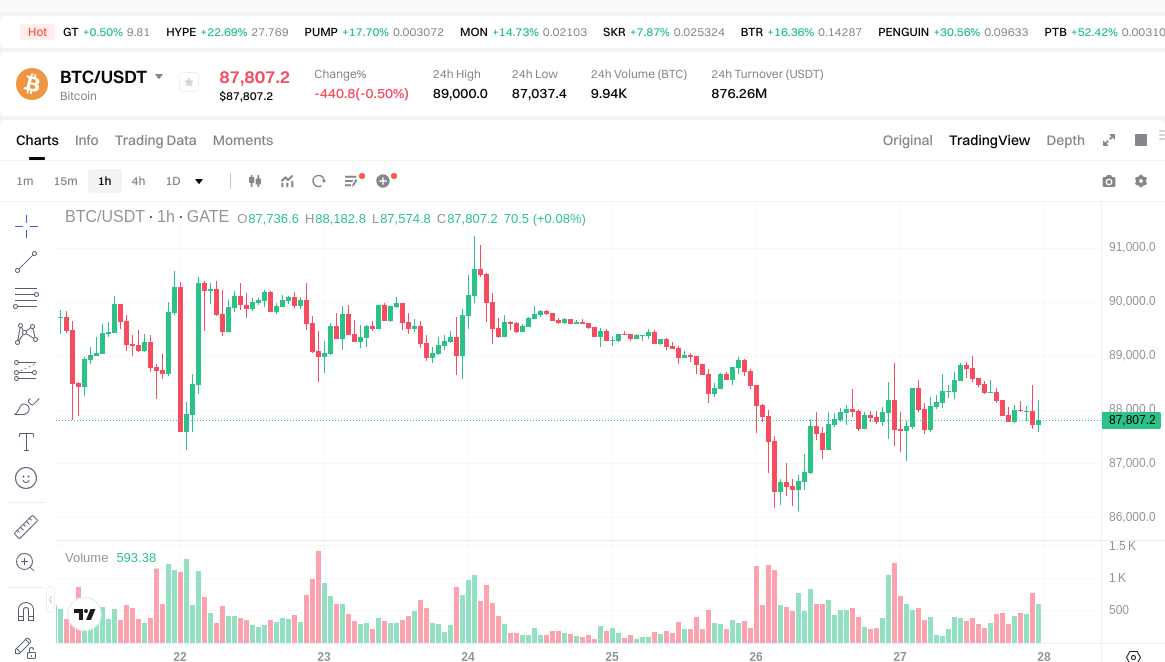 This substantial investment places the company back among the top 10 public holders of Bitcoin, positioning it just ahead of a major electric vehicle manufacturer by coin count.
This Bitcoin accumulation strategy serves multiple purposes. First, it aligns the company's financial interests with those of its users and the broader crypto ecosystem. Second, it demonstrates confidence in Bitcoin as a store of value and treasury asset. Third, it provides the company with additional credibility when advocating for crypto-friendly policies and regulations. The decision to hold Bitcoin on the corporate balance sheet also reflects a broader trend among technology companies and financial institutions that are increasingly viewing Bitcoin as a legitimate treasury reserve asset alongside traditional holdings like cash and bonds.
The combination of regulatory progress through the National Trust Charter application, industry recognition, international expansion, and strategic Bitcoin accumulation illustrates a comprehensive approach to building a sustainable, compliant, and influential position in the global digital asset ecosystem. As the cryptocurrency industry continues to mature and integrate with traditional finance, platforms that successfully navigate regulatory requirements while maintaining their innovative edge are likely to emerge as the dominant players in this evolving landscape.
FAQ
What does applying for a national trust charter mean for crypto exchanges?
Applying for a national trust charter enables exchanges to expand regulated custody and banking services, bridge crypto with traditional finance, and gain greater regulatory legitimacy and institutional trust.
How does a trust license help exchanges provide more regulated crypto services?
A trust license enables exchanges to offer regulated crypto services by ensuring compliance with legal standards, enhancing security protocols, and building investor confidence through institutional oversight and fiduciary responsibility requirements.
What are the benefits of a trust charter for user fund security?
A trust charter ensures strict financial compliance and regulatory oversight, enhancing fund security. It increases transparency and accountability, reducing fraud and illicit activity risks while providing users greater protection.
What are the regulatory requirements and procedures for crypto exchanges applying for national trust charter?
Crypto exchanges must comply with each country's regulatory requirements, including submitting detailed information and passing审查. The U.S. SEC requires qualified custodians to hold licenses. Global regulations increasingly mandate licensed custody for digital assets.
What is the difference between crypto exchanges regulated by trust charters and unlicensed exchanges?
Regulated exchanges hold official licenses requiring strict compliance with anti-money laundering and financial regulations, providing investor protections. Unlicensed platforms operate without oversight, lacking legal safeguards and exposing users to significant compliance and security risks.
What impact does this measure have on the development of the entire cryptocurrency industry?
This regulatory move strengthens institutional confidence and legitimacy in crypto markets. It promotes clearer compliance frameworks, attracts traditional financial institutions, and accelerates mainstream adoption. Enhanced regulation drives industry growth and global market expansion significantly.
* The information is not intended to be and does not constitute financial advice or any other recommendation of any sort offered or endorsed by Gate.