So sánh ORBS với BNB năm 2024: phân tích diễn biến giá, tokenomics, hệ sinh thái công nghệ và tiềm năng đầu tư. ORBS đạt 0,010728 USD, trong khi BNB ở mức 905,4 USD. Khám phá nền tảng blockchain nào đem lại lợi ích tối ưu cho nhà phát triển và nhà đầu tư dựa trên nhận định chuyên gia đến năm 2031.
Giới thiệu: Đối chiếu đầu tư ORBS và BNB
Trong lĩnh vực tiền điện tử, so sánh giữa ORBS và BNB luôn là chủ đề nóng, không thể bỏ qua đối với giới đầu tư. Hai dự án này có sự khác biệt rõ rệt về thứ hạng vốn hóa, kịch bản ứng dụng và biến động giá, đại diện cho các vị thế riêng biệt trong hệ sinh thái tài sản số.
ORBS (ORBS): Ra mắt năm 2019, dự án này được thiết kế là hạ tầng blockchain phi tập trung, cung cấp giải pháp mở rộng cho nhiều ứng dụng phổ thông. Kiến trúc chuỗi công cộng lai cùng giao thức đồng thuận rpoS giúp ORBS hướng tới phục vụ các thương hiệu tiêu dùng lớn và nhu cầu kinh doanh thực tiễn.
BNB (BNB): Ra đời năm 2017, BNB là token gốc của hệ sinh thái Binance. Với thứ hạng vốn hóa đứng thứ 4 toàn cầu và sự hiện diện tại hơn 180 quốc gia, BNB đảm nhiệm nhiều vai trò như giảm phí giao dịch và thanh toán trên nền tảng Binance.
Bài viết này sẽ phân tích toàn diện giá trị đầu tư ORBS và BNB qua các yếu tố: diễn biến giá lịch sử, cơ chế cung ứng, hệ sinh thái công nghệ và triển vọng tương lai, nhằm giải đáp câu hỏi lớn nhất cho nhà đầu tư:
"Đâu là lựa chọn mua đáng giá nhất hiện nay?"
I. So sánh giá lịch sử và trạng thái thị trường hiện tại
Diễn biến giá lịch sử ORBS (Coin A) và BNB (Coin B)
- 2021: ORBS đạt đỉnh lịch sử 0,360443 USD vào ngày 16 tháng 3 năm 2021, khi thị trường tiền điện tử tăng mạnh.
- 2019: ORBS chạm đáy lịch sử 0,00469039 USD vào ngày 20 tháng 12 năm 2019, phản ánh vị thế thị trường sơ khai.
- 2017: BNB ra mắt qua đợt ICO tháng 6-7 năm 2017, giá khởi điểm 0,15 USD.
- 2017: BNB ghi nhận đáy lịch sử 0,0398177 USD ngày 19 tháng 10 năm 2017, ngay sau khi phát hành.
- 2025: BNB đạt đỉnh lịch sử 1.369,99 USD vào ngày 13 tháng 10 năm 2025, nhờ hệ sinh thái phát triển mở rộng.
- So sánh: ORBS giảm mạnh từ đỉnh 0,360443 USD xuống 0,010728 USD hiện tại, thể hiện sự suy giảm đáng kể so với quá khứ. Ngược lại, BNB tăng trưởng từ mức phát hành, hiện ở 905,4 USD, dù thấp hơn đỉnh gần nhất.
Trạng thái thị trường hiện tại (ngày 19 tháng 1 năm 2026)
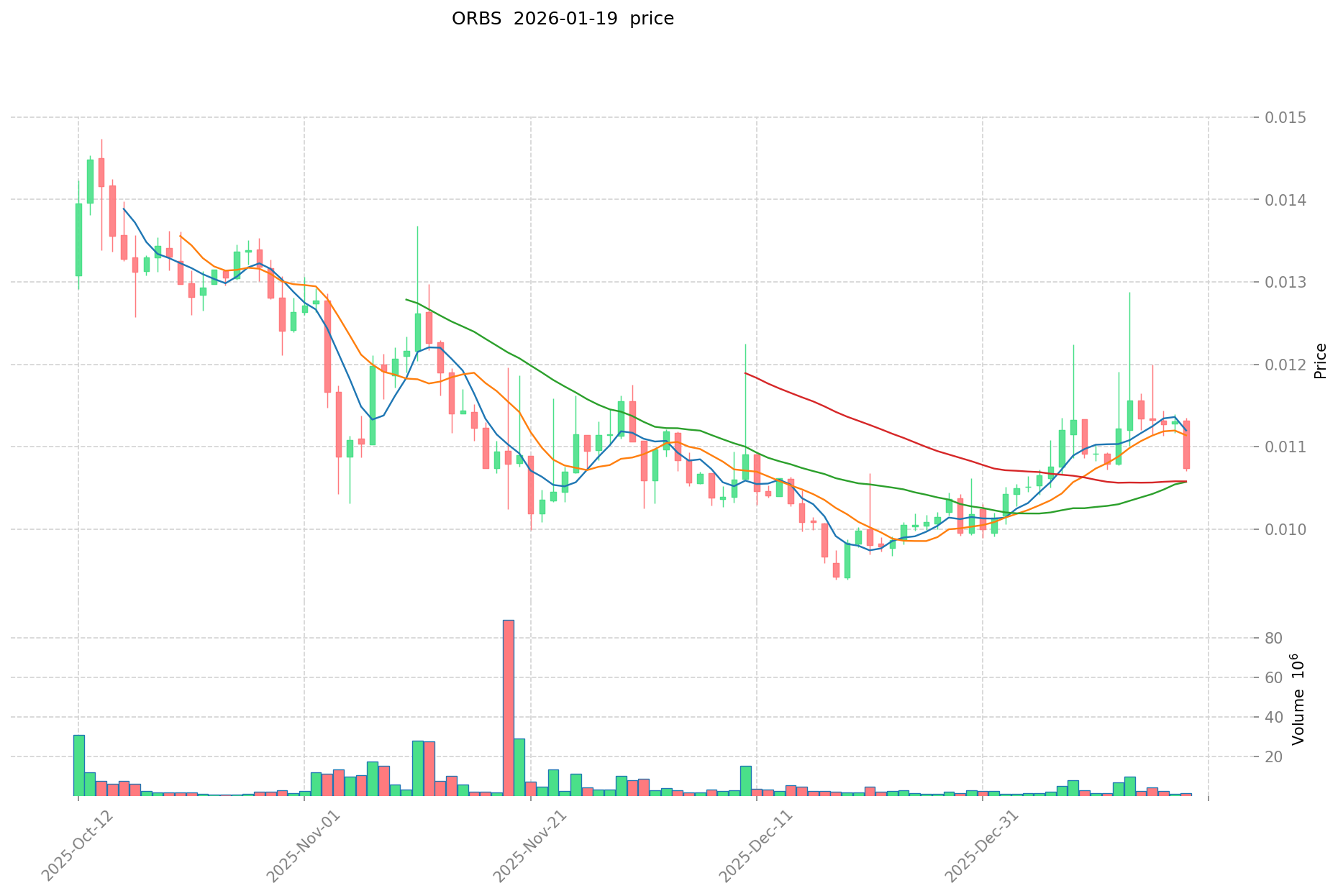
- Giá ORBS hiện tại: 0,010728 USD
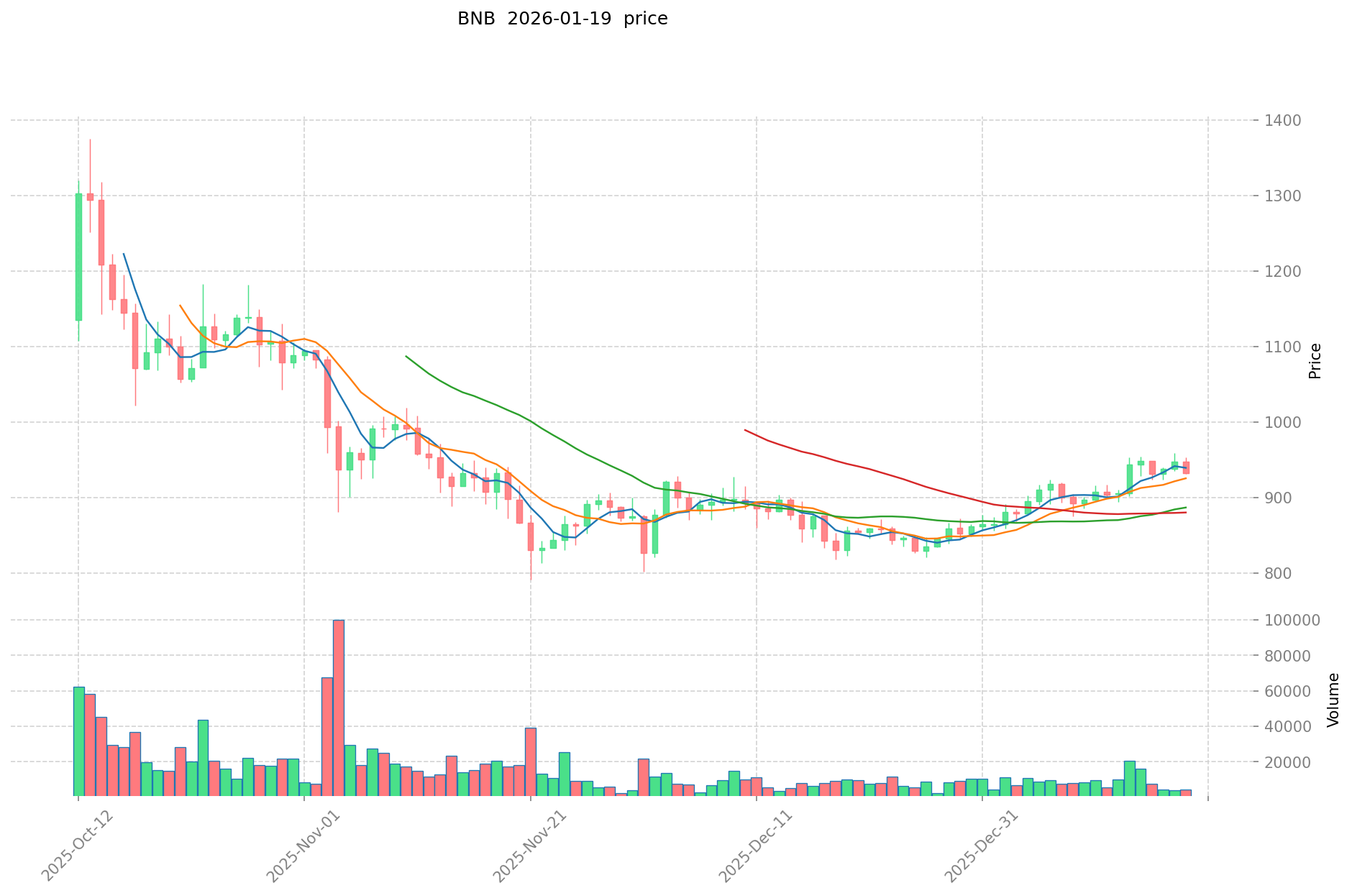
- Giá BNB hiện tại: 905,4 USD
- Khối lượng giao dịch 24 giờ: ORBS đạt 18.168,106313 USD; BNB đạt 4.571.545,3103 USD
- Vốn hóa thị trường: ORBS khoảng 52,48 triệu USD, BNB khoảng 123,46 tỷ USD
- Chỉ số tâm lý thị trường (Fear & Greed Index): 49 (Trung lập)
Xem giá theo thời gian thực:
II. Yếu tố cốt lõi ảnh hưởng giá trị đầu tư ORBS và BNB
So sánh cơ chế cung ứng (Tokenomics)
- ORBS: Cơ chế cung ứng token liên quan đến yếu tố khan hiếm có thể tác động đến giá trị, nhưng việc các nhà phát triển và giao thức xây dựng dịch vụ thực tế trên mạng lưới vẫn là điều kiện quyết định giá trị.
- BNB: Là token cốt lõi của hệ sinh thái Binance, chủ yếu dùng thanh toán phí giao dịch. Mô hình giảm phát tạo ra đề xuất giá trị nổi bật và lợi thế cạnh tranh lớn.
- 📌 Quy luật lịch sử: Cơ chế cung ứng ảnh hưởng chu kỳ giá qua động lực khan hiếm và định giá dựa trên nhu cầu tại các thị trường tiền điện tử.
Sự chấp nhận tổ chức và ứng dụng thực tế
- Tổ chức nắm giữ: BNB thu hút mạnh trong hệ sinh thái Binance, nhờ vị thế thị trường và tập người dùng quy mô lớn.
- Ứng dụng doanh nghiệp: BNB đóng vai trò chức năng trong hệ sinh thái Binance Smart Chain (BSC), hỗ trợ nhiều hoạt động DeFi và thanh toán.
- Môi trường chính sách: Giá trị token nhạy cảm với thay đổi quy định và chu kỳ vĩ mô tiền điện tử, ảnh hưởng đến lộ trình chấp nhận tổ chức của cả hai tài sản.
Phát triển công nghệ và xây dựng hệ sinh thái
- Công nghệ ORBS: Phụ thuộc vào khả năng thu hút nhà phát triển và giao thức xây dựng dịch vụ trên mạng lưới, rủi ro hiện thực hóa giá trị gắn liền với quá trình xây dựng hệ sinh thái.
- Công nghệ BNB: Tích hợp trong hạ tầng BSC, hỗ trợ giao thức DeFi và ứng dụng blockchain đa dạng với hệ sinh thái hoạt động sôi động.
- So sánh hệ sinh thái: BNB ghi nhận sự phát triển trong DeFi và token meme trên BSC, còn ORBS phụ thuộc vào mức độ tham gia của cộng đồng phát triển.
Chu kỳ kinh tế vĩ mô và thị trường
- Hiệu suất biến động thị trường: Hai token đều chịu tác động từ chu kỳ thị trường tiền điện tử và diễn biến quy định ảnh hưởng giá trị tài sản số.
- Ảnh hưởng chính sách tiền tệ: Thị trường tiền điện tử phản ánh sự nhạy cảm với điều kiện vĩ mô, nhưng tác động cụ thể lên từng token tùy thuộc sức mạnh hệ sinh thái và tính hữu dụng.
- Tâm lý thị trường: BNB phản ứng rõ nét với diễn biến hệ sinh thái Binance và xu hướng thị trường tổng thể, thể hiện qua biến động giá gắn với hoạt động nền tảng.
III. Dự báo giá 2026-2031: ORBS và BNB
Dự báo ngắn hạn (2026)
- ORBS: Bảo thủ 0,0075-0,0106 USD | Lạc quan 0,0106-0,0140 USD
- BNB: Bảo thủ 644-920 USD | Lạc quan 920-976 USD
Dự báo trung hạn (2028-2029)
- ORBS có thể bước vào giai đoạn tăng trưởng dần, giá ước tính 0,0123-0,0197 USD
- BNB có thể mở rộng ổn định, giá ước tính 583-1.611 USD
- Động lực chính: dòng vốn tổ chức, phát triển ETF, mở rộng hệ sinh thái
Dự báo dài hạn (2030-2031)
- ORBS: Kịch bản cơ sở 0,0159-0,0196 USD | Kịch bản lạc quan 0,0210-0,0222 USD
- BNB: Kịch bản cơ sở 1.012-1.518 USD | Kịch bản lạc quan 1.610-1.609 USD
Xem dự báo giá chi tiết ORBS và BNB
Thư từ chối trách nhiệm
ORBS:
| Năm |
Giá cao dự báo |
Giá trung bình dự báo |
Giá thấp dự báo |
Biến động giá |
| 2026 |
0,01403948 |
0,010556 |
0,00749476 |
-1 |
| 2027 |
0,0158640846 |
0,01229774 |
0,0106990338 |
14 |
| 2028 |
0,019572468097 |
0,0140809123 |
0,012250393701 |
31 |
| 2029 |
0,019687227532245 |
0,0168266901985 |
0,014302686668725 |
56 |
| 2030 |
0,020995502695178 |
0,018256958865372 |
0,016066123801527 |
70 |
| 2031 |
0,022177640781711 |
0,019626230780275 |
0,015897246932023 |
82 |
BNB:
| Năm |
Giá cao dự báo |
Giá trung bình dự báo |
Giá thấp dự báo |
Biến động giá |
| 2026 |
975,624 |
920,4 |
644,28 |
1 |
| 2027 |
1.336,69692 |
948,012 |
767,88972 |
4 |
| 2028 |
1.336,5547182 |
1.142,35446 |
582,6007746 |
26 |
| 2029 |
1.611,29096583 |
1.239,4545891 |
731,278207569 |
36 |
| 2030 |
1.610,67123853545 |
1.425,372777465 |
1.012,01467200015 |
57 |
| 2031 |
1.609,1033284802385 |
1.518,022008000225 |
1.214,41760640018 |
67 |
IV. So sánh chiến lược đầu tư ORBS và BNB
Chiến lược đầu tư dài hạn và ngắn hạn
- ORBS: Hấp dẫn với nhà đầu tư quan tâm phát triển hạ tầng blockchain và tiềm năng mở rộng hệ sinh thái, cần cân nhắc động lực chấp nhận của cộng đồng phát triển.
- BNB: Phù hợp với nhà đầu tư mong muốn tiếp cận tiện ích hệ sinh thái sàn giao dịch đã định hình và tích hợp hạ tầng DeFi.
Quản lý rủi ro và phân bổ tài sản
- Nhà đầu tư thận trọng: ORBS 20-30% so với BNB 70-80%
- Nhà đầu tư mạo hiểm: ORBS 40-50% so với BNB 50-60%
- Công cụ phòng vệ: Phân bổ stablecoin, chiến lược quyền chọn, đa dạng hóa danh mục tài sản
V. So sánh rủi ro tiềm ẩn
Rủi ro thị trường
- ORBS: Chịu ảnh hưởng từ biến động thị trường tiền điện tử và sự bất định về khả năng mở rộng hệ sinh thái, hiệu suất giá phụ thuộc vào mức độ tham gia của nhà phát triển và tích hợp giao thức.
- BNB: Nhạy cảm với chu kỳ thị trường tiền điện tử và các diễn biến riêng của nền tảng, giá trị phụ thuộc vào hoạt động hệ sinh thái Binance và bối cảnh quy định.
Rủi ro công nghệ
- ORBS: Thách thức thực thi khả năng mở rộng và thu hút người dùng trên mạng lưới.
- BNB: Rủi ro tập trung hệ sinh thái và các vấn đề bảo mật hợp đồng thông minh.
Rủi ro quy định
- Chính sách quản lý toàn cầu có thể tác động khác biệt đến hai tài sản, BNB có thể chịu giám sát chặt chẽ do liên kết hệ sinh thái sàn giao dịch, trong khi ORBS bị ảnh hưởng bởi quy định về hạ tầng blockchain.
VI. Kết luận: Đâu là lựa chọn mua tốt hơn?
📌 Tóm tắt giá trị đầu tư:
- ORBS: Định vị là hạ tầng blockchain với kiến trúc lai, nhưng giá trị phụ thuộc vào quá trình phát triển hệ sinh thái và mức độ chấp nhận của cộng đồng phát triển.
- BNB: Sở hữu tiện ích hệ sinh thái đã định hình trong nền tảng Binance, tokenomics giảm phát và tích hợp DeFi đã được chứng minh.
✅ Lưu ý đầu tư:
- Nhà đầu tư mới: Có thể cân nhắc BNB nhờ vị thế hệ sinh thái đã xác lập và các chức năng tiện ích, đồng thời đánh giá kỹ khẩu vị rủi ro.
- Nhà đầu tư giàu kinh nghiệm: Có thể đa dạng hóa tiếp cận giữa dự án hạ tầng và token hệ sinh thái sàn giao dịch tùy theo đánh giá rủi ro cá nhân.
- Nhà đầu tư tổ chức: Ưu tiên tài sản có hoạt động hệ sinh thái rõ ràng và cơ chế tiện ích minh bạch trong nền tảng đã định hình.
⚠️ Công bố rủi ro: Thị trường tiền điện tử biến động mạnh. Nội dung này không phải là lời khuyên đầu tư.
VII. Câu hỏi thường gặp
Q1: Sự khác biệt cốt lõi giữa ORBS và BNB về định vị dự án là gì?
ORBS là dự án hạ tầng blockchain phi tập trung ra mắt năm 2019, thiết kế để cung cấp giải pháp mở rộng cho các ứng dụng phổ thông thông qua kiến trúc chuỗi công cộng lai và giao thức đồng thuận rpoS. BNB, ra mắt năm 2017, là token gốc của hệ sinh thái Binance, chủ yếu phục vụ thanh toán phí giao dịch và các tiện ích đa dạng trên nền tảng. Điểm khác biệt chủ yếu là ORBS tập trung vào phát triển hạ tầng cho ứng dụng bên thứ ba, còn BNB đã thiết lập vai trò token hệ sinh thái sàn giao dịch với khả năng tích hợp DeFi.
Q2: Cơ chế cung ứng của ORBS và BNB ảnh hưởng thế nào đến giá trị đầu tư?
BNB vận hành theo mô hình giảm phát, tạo lợi thế cạnh tranh thông qua cơ chế đốt token và động lực khan hiếm trong hệ sinh thái Binance. Cơ chế cung ứng của ORBS liên quan đến yếu tố khan hiếm có thể tác động đến giá trị, nhưng hiện thực hóa giá trị phụ thuộc nhiều hơn vào việc các nhà phát triển và giao thức xây dựng dịch vụ trên mạng lưới. Cơ chế này ảnh hưởng chu kỳ giá theo hướng khác biệt: BNB dựa vào tiện ích thực tế và khan hiếm lập trình, ORBS dựa vào phát triển hệ sinh thái và cộng đồng phát triển.
Q3: Những yếu tố rủi ro chính nhà đầu tư cần cân nhắc khi so sánh ORBS và BNB là gì?
Với ORBS, rủi ro chính gồm biến động thị trường tiền điện tử, sự bất định về mở rộng hệ sinh thái, và hiệu suất giá phụ thuộc vào mức độ tham gia của cộng đồng phát triển và tích hợp giao thức. BNB đối mặt với rủi ro liên quan đến chu kỳ thị trường, các diễn biến nền tảng, và giám sát quy định do liên kết hệ sinh thái sàn giao dịch. Ngoài ra, ORBS gặp thách thức mở rộng và thu hút mạng lưới, BNB có rủi ro tập trung hệ sinh thái và bảo mật hợp đồng thông minh. Cả hai đều nhạy cảm với chính sách quản lý toàn cầu, BNB có thể bị giám sát chặt chẽ hơn.
Q4: Token nào phù hợp cho nhà đầu tư thận trọng và nhà đầu tư mạo hiểm?
Nhà đầu tư thận trọng có thể phân bổ 70-80% BNB so với 20-30% ORBS, ưu tiên vị thế hệ sinh thái và tiện ích đã xác lập của BNB. Nhà đầu tư mạo hiểm có thể chọn phân bổ cân bằng hơn, 50-60% BNB so với 40-50% ORBS, nhằm tiếp cận tiềm năng phát triển hạ tầng và tiện ích hệ sinh thái. Chiến lược phân bổ cần phù hợp với khẩu vị rủi ro, mục tiêu đầu tư và đa dạng hóa danh mục.
Q5: ORBS và BNB đã thể hiện hiệu suất lịch sử ra sao, và điều này cho thấy triển vọng tương lai thế nào?
ORBS từng đạt đỉnh 0,360443 USD tháng 3 năm 2021, hiện ở mức 0,010728 USD, tức giảm mạnh so với đỉnh. BNB ra mắt với giá 0,15 USD năm 2017, đạt đỉnh 1.369,99 USD tháng 10 năm 2025, hiện giao dịch ở mức 905,4 USD. Lịch sử này cho thấy BNB có xu hướng tăng trưởng ổn định và mở rộng hệ sinh thái, còn ORBS phản ánh vị thế thị trường sơ khai, giá trị phụ thuộc vào phát triển hệ sinh thái. Mô hình lịch sử cho thấy BNB đã xác lập vị thế, ORBS phụ thuộc vào quá trình phát triển và chấp nhận cộng đồng.
Q6: Vai trò của chấp nhận tổ chức và ứng dụng thị trường trong so sánh ORBS và BNB là gì?
BNB chứng minh sức hút tổ chức trong hệ sinh thái Binance, nhờ vị thế nền tảng, tập người dùng toàn cầu và vai trò chức năng trong hạ tầng BSC. Việc ORBS được tổ chức chấp nhận phụ thuộc vào khả năng thu hút nhà phát triển và giao thức xây dựng dịch vụ thực tế trên mạng lưới, rủi ro chấp nhận gắn với quá trình xây dựng hệ sinh thái. BNB có lợi thế so sánh nhờ vị trí trong ứng dụng DeFi và hạ tầng blockchain, còn ORBS cần thành công trong thu hút cộng đồng phát triển và tích hợp giao thức để mở rộng tổ chức.
Q7: Dự báo giá của ORBS và BNB đến năm 2031 là bao nhiêu?
Năm 2026, ORBS dự báo bảo thủ 0,0075-0,0106 USD, lạc quan 0,0106-0,0140 USD; BNB dự báo bảo thủ 644-920 USD, lạc quan 920-976 USD. Năm 2031, ORBS kịch bản cơ sở 0,0159-0,0196 USD, lạc quan 0,0210-0,0222 USD; BNB kịch bản cơ sở 1.012-1.518 USD, lạc quan 1.610-1.609 USD. Các dự báo này phản ánh động lực tăng trưởng riêng dựa trên phát triển hệ sinh thái, mức độ chấp nhận tổ chức và chu kỳ thị trường, kết quả thực tế phụ thuộc biến số như quy định và công nghệ.
Q8: Nhà đầu tư mới nên tiếp cận quyết định giữa ORBS và BNB như thế nào?
Nhà đầu tư mới có thể cân nhắc BNB nhờ vị thế hệ sinh thái đã xác lập, tiện ích rõ ràng trên nền tảng Binance và tích hợp hạ tầng DeFi, đồng thời cân nhắc kỹ khẩu vị rủi ro. BNB mang lại kịch bản sử dụng minh bạch và vị thế thị trường nổi bật so với ORBS vốn cần hiểu sâu về phát triển hạ tầng blockchain và lộ trình mở rộng hệ sinh thái. Nhà đầu tư mới nên ưu tiên học hỏi về biến động thị trường tiền điện tử, áp dụng quản lý rủi ro qua đa dạng hóa và bắt đầu với phân bổ nhỏ để tích lũy kinh nghiệm trước khi đầu tư lớn.
<>
* Thông tin không nhằm mục đích và không cấu thành lời khuyên tài chính hay bất kỳ đề xuất nào được Gate cung cấp hoặc xác nhận.