This article examines a major corporate Bitcoin acquisition of 487 BTC for $49.9 million, offering strategic insights into institutional Web3 adoption. The purchase, executed at approximately $102,557 per coin, reflects growing corporate confidence in Bitcoin as a treasury asset. The acquiring company now holds 641,692 BTC valued at $47.54 billion, positioning itself as a leading institutional Bitcoin holder. With an average cost basis of $74,079 per Bitcoin, the organization employs dollar-cost averaging to mitigate market volatility. The article analyzes how large-scale institutional purchases enhance Bitcoin's market liquidity and credibility while signaling a fundamental shift in corporate asset allocation. It explores the investment rationale, market implications, and the accelerating trend of enterprises integrating digital assets into financial strategies. The comprehensive FAQ addresses investor concerns regarding risks, price impacts, and industry development, making this essential reading for unders
Purchase Details
A major corporate entity has announced a significant Bitcoin acquisition, purchasing 487 Bitcoin at an average price of approximately $102,557 per coin. The total cost of this transaction amounted to roughly $49.9 million, representing a substantial investment in digital assets.
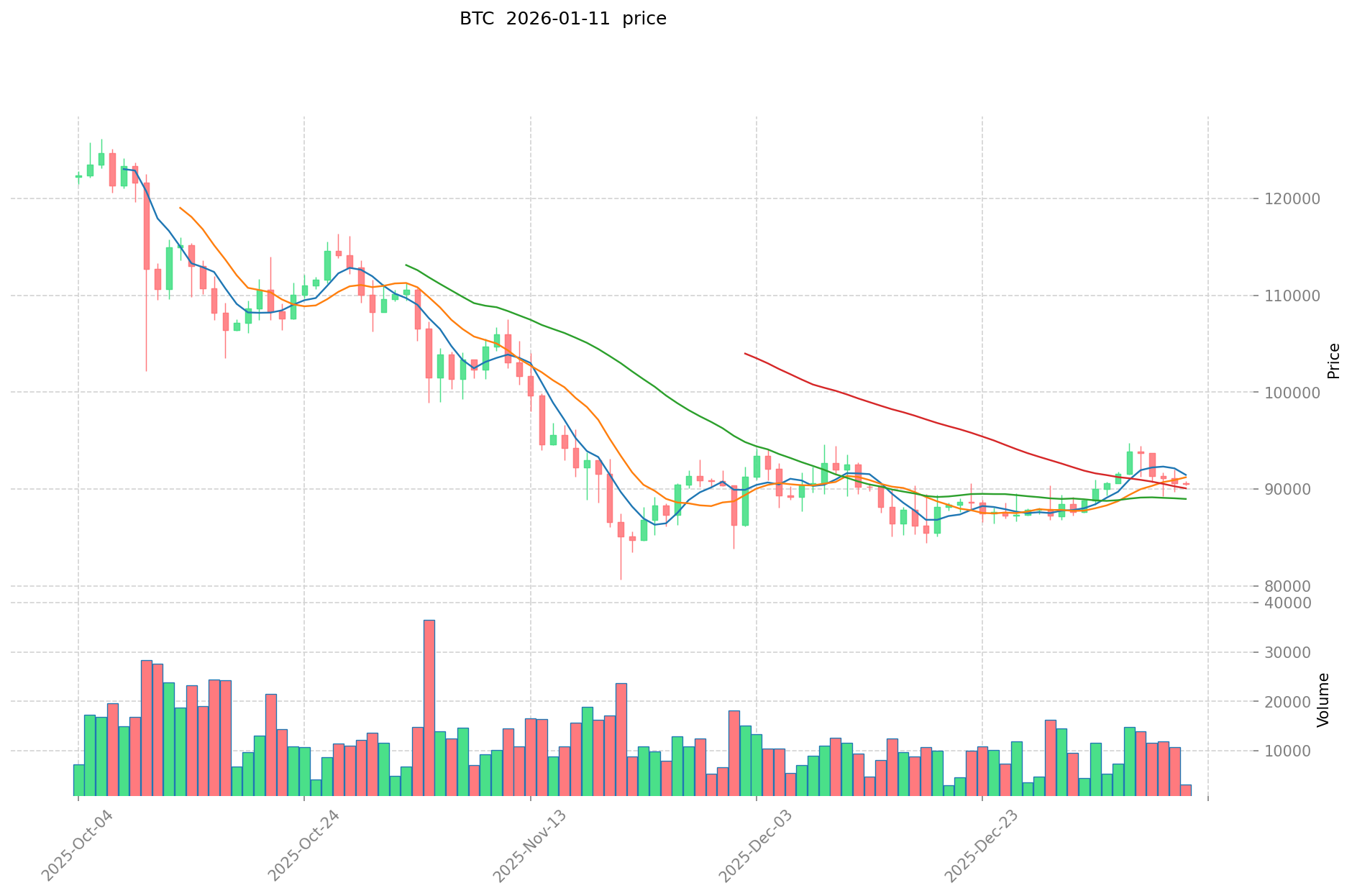 This purchase demonstrates the continued institutional adoption of Bitcoin as a strategic asset class.
The acquisition was executed at a premium price point, reflecting the current market conditions and the company's confidence in Bitcoin's long-term value proposition. This transaction adds to the growing trend of corporate treasury diversification through cryptocurrency investments.
Holdings Overview
Following this recent acquisition, the company's total Bitcoin holdings have reached an impressive 641,692 BTC. This substantial accumulation positions the entity as one of the largest institutional holders of Bitcoin globally. The scale of these holdings underscores the organization's commitment to Bitcoin as a core component of its investment strategy.
The aggregate investment in Bitcoin now stands at approximately $47.54 billion, making it one of the most significant corporate Bitcoin positions in the market. This massive allocation represents a bold bet on the future of digital currencies and blockchain technology.
Investment Strategy and Average Cost Basis
The company's average acquisition price across all Bitcoin purchases stands at approximately $74,079 per Bitcoin. This average cost basis provides important context for evaluating the investment's performance and strategic positioning. The difference between the average purchase price and current market values reflects the dynamic nature of cryptocurrency markets.
This dollar-cost averaging approach has allowed the organization to build its position over time, mitigating some of the volatility inherent in cryptocurrency markets. The strategy demonstrates a long-term commitment to Bitcoin rather than short-term speculation.
Market Impact and Significance
Large-scale institutional purchases of this magnitude have several important implications for the broader cryptocurrency market. First, they provide additional liquidity and market depth, contributing to Bitcoin's maturation as an asset class. Second, they signal growing institutional confidence in Bitcoin's role as a store of value and potential hedge against traditional financial system risks.
The continued accumulation by major corporate entities also influences market sentiment and can contribute to price discovery mechanisms. As more institutions allocate significant portions of their treasuries to Bitcoin, it reinforces the narrative of Bitcoin as "digital gold" and a legitimate alternative investment vehicle.
Future Outlook
The ongoing commitment to Bitcoin accumulation suggests a strong conviction in the asset's long-term prospects. As regulatory frameworks continue to evolve and institutional infrastructure improves, corporate Bitcoin adoption is likely to accelerate. This trend represents a fundamental shift in how organizations approach treasury management and asset allocation strategies.
The substantial holdings accumulated over time position the company to benefit from potential future appreciation while also exposing it to the inherent volatility of cryptocurrency markets. This balance between risk and opportunity exemplifies the evolving relationship between traditional corporate finance and digital assets.
FAQ
What is Strategy company and why did it purchase 487 bitcoins?
Strategy is a bitcoin investment company using dollar-cost averaging to accumulate positions. The 487 bitcoin purchase for 49.9 million represents its continuous long-term strategy to build holdings across various market cycles and price points.
Strategy spent $49.9 million to acquire 487 bitcoins, what does this mean for the price per bitcoin?
Strategy purchased 487 bitcoins for $49.9 million, resulting in an average price of approximately $102,557 per bitcoin.
What are the advantages and risks of enterprises purchasing Bitcoin as asset reserves?
Advantages include inflation hedge, potential appreciation, and portfolio diversification. Risks include price volatility, regulatory uncertainty, and security concerns. Bitcoin's decentralized nature offers long-term value preservation for forward-thinking enterprises.
What impact will this large-scale Bitcoin purchase have on Bitcoin price and market?
Large Bitcoin purchases typically drive short-term price appreciation by increasing demand. A $49.9 million acquisition signals strong institutional confidence, potentially attracting more investors and amplifying upward momentum. Long-term impact depends on sustained market adoption and macroeconomic factors.
What is the significance of listed companies like Strategy investing in Bitcoin for the development of the cryptocurrency industry?
Such institutional investments enhance market credibility and liquidity, attracting more institutional investors. This drives Bitcoin's value appreciation and accelerates mainstream adoption, fostering sustainable industry growth.
How should individual investors view the trend of institutional investors purchasing Bitcoin?
Institutional adoption validates Bitcoin's legitimacy and increases market liquidity. This trend typically signals confidence in long-term value, potentially benefiting individual investors through sustained price appreciation and reduced volatility over time.
* The information is not intended to be and does not constitute financial advice or any other recommendation of any sort offered or endorsed by Gate.