This comprehensive guide equips cryptocurrency investors with essential tools to identify and capitalize on crypto bull markets. Bull markets represent sustained periods of rising prices and market optimism, typically lasting several months to over a year, offering significant profit opportunities for strategic investors. The article explores key technical indicators including moving averages, Bitcoin dominance patterns, and RSI momentum signals that signal bull market conditions. It addresses crucial investment strategies such as spot trading, passive income generation through staking and lending on Gate, diversified portfolio management, and disciplined profit-taking using limit orders. The guide emphasizes risk management through careful leverage use and tax-loss harvesting while identifying critical exit signals including declining volume and RSI divergences. By combining technical analysis with macroeconomic awareness and maintaining emotional discipline, investors can effectively navigate bull markets a
Understanding Crypto Bull Markets
A crypto bull market represents a sustained period characterized by rising cryptocurrency prices and widespread market optimism. During significant bull runs, major cryptocurrencies like Bitcoin have demonstrated remarkable growth trajectories. For instance, in historical cycles, Bitcoin has experienced dramatic price increases, rising from relatively low valuations to unprecedented highs within months.
Bull markets in the cryptocurrency space can be transformative events for investors, but success requires strategic positioning in the right assets at the right time. The duration of these bull markets varies considerably, ranging from several months to over a year, depending on various market conditions and external factors. Understanding the characteristics and patterns of bull markets is essential for maximizing investment returns.
Key Takeaways
- Crypto bull markets typically last several months to over a year, with significant price appreciation across major assets
- Bitcoin dominance, representing BTC's percentage of the total crypto market capitalization, often rises swiftly before the bull market begins in earnest
- Bitcoin dominance tends to fall during the height of bull markets as investors diversify into alternative cryptocurrencies
- Technical indicators such as moving averages, RSI, and volume analysis can help identify optimal entry and exit points to maximize profits
- Passive income strategies including staking and lending can increase holdings while waiting for strategic exit points
Bear vs. Bull Markets in Crypto: Understanding the Differences
In bull markets, investors observe rising prices across most cryptocurrencies, accompanied by increased investor optimism and market confidence. This general optimism, paired with public confidence and consistently rising prices, creates a self-reinforcing cycle that drives more demand and pushes prices even higher. Media coverage of rising crypto prices attracts both sidelined investors who had been waiting on the sidelines and completely new investors entering the market for the first time.
The contrast between bull and bear markets is stark and understanding these differences is crucial for developing appropriate investment strategies:
| Aspect |
Bull Market |
Bear Market |
| Price Movement |
20% or greater rise from market bottom sustained over multiple months |
20% or greater decrease from recent peak prices |
| Sentiment |
Widespread market optimism and positive outlook |
Pessimism and fear dominate investor psychology |
| Chart Behavior |
Price charts quickly recover from temporary dips with strong buying support |
Selling pressure leads to more selling in a downward spiral |
During bull markets, temporary price corrections are viewed as buying opportunities, whereas in bear markets, price rallies are often seen as chances to exit positions before further declines.
Why Do Crypto Bull Markets Happen?
Bull markets in cryptocurrency occur due to a confluence of multiple factors that create favorable conditions for sustained price appreciation. Understanding these catalysts helps investors anticipate and position themselves for upcoming bull runs:
-
Increased Institutional Investment: The introduction and growth of cryptocurrency exchange-traded funds (ETFs) and other regulated investment vehicles has brought significant institutional capital into the market. Major financial institutions allocating even small percentages of their portfolios to crypto can move markets substantially.
-
Technological Advancements: Significant improvements in blockchain technology, such as major protocol upgrades, Layer-2 scaling solutions, and enhanced smart contract capabilities, increase the utility and adoption potential of cryptocurrencies. These technological breakthroughs attract both developers and investors to the ecosystem.
-
Favorable Regulatory Environment: When major economies introduce clear, supportive regulatory frameworks for cryptocurrencies, it reduces uncertainty and encourages both retail and institutional participation. Regulatory clarity is often a precursor to significant bull runs.
-
Global Economic Factors: Macroeconomic conditions such as low interest rates, expansionary monetary policy, and increased government spending can drive investors toward alternative assets like cryptocurrencies. When traditional savings vehicles offer minimal returns, investors seek higher-yielding opportunities.
-
Bitcoin as a Store of Value: Growing recognition of Bitcoin's role as a hedge against inflation and currency devaluation, particularly during periods of economic uncertainty, drives demand from investors seeking to preserve purchasing power.
How to Identify if Crypto Is in a Bull Market
Moving Averages: Technical Signals for Trend Identification
The 50-day and 200-day moving averages serve as crucial technical indicators for identifying bull market conditions. When the 50-day moving average crosses above the 200-day moving average—a pattern known as a "golden cross"—it signals potential sustained upward momentum, especially when accompanied by higher trading volume. This crossover indicates that recent price action is stronger than longer-term trends, suggesting a shift in market sentiment.
Traders and investors monitor the relationship between these moving averages closely. During established bull markets, prices tend to remain above both moving averages, with the 50-day serving as dynamic support during temporary pullbacks. The angle and separation between these moving averages also provides insight into trend strength—steeper angles and wider separation indicate more powerful bullish momentum.
Bitcoin Dominance: Market Leadership Indicator
Bitcoin dominance refers to Bitcoin's market capitalization as a percentage of the entire cryptocurrency market. This metric provides valuable insights into market cycles and investor behavior. Historically, Bitcoin dominance has shown predictable patterns throughout market cycles.
During the early stages of bull markets, Bitcoin dominance typically increases as investors first move capital into the most established and liquid cryptocurrency. As bull markets mature and investor confidence grows, capital begins flowing into alternative cryptocurrencies, causing Bitcoin dominance to decline. In past cycles, Bitcoin dominance has fallen to its lowest points near market peaks, with BTC representing less than 40% of the total crypto market capitalization during periods of maximum euphoria.
Monitoring Bitcoin dominance helps investors understand which phase of the bull market cycle is currently active and adjust their portfolio allocation accordingly.
The Relative Strength Index (RSI) is one of the most accessible and effective tools for identifying crypto bull markets. This momentum oscillator measures the speed and magnitude of price movements on a scale from 0 to 100. Traditional technical analysis suggests that RSI readings above 70 indicate overbought conditions, while readings below 30 suggest oversold conditions.
However, crypto bull markets often defy traditional RSI interpretations. During strong bull runs, RSI can remain in overbought territory (above 70) for extended periods, sometimes reaching levels above 90, as buying pressure continues despite seemingly stretched valuations. Rather than signaling an immediate reversal, sustained high RSI readings during bull markets often indicate strong underlying momentum.
Investors should watch for RSI patterns rather than absolute levels. In bull markets, RSI typically finds support in the 40-50 range during pullbacks, rarely dropping into oversold territory. Divergences between price and RSI—where prices make new highs but RSI fails to confirm—can provide early warning signals of weakening momentum.
External Factors: Macro Influences on Crypto Markets
With cryptocurrency market capitalization reaching multi-trillion dollar levels, crypto is no longer a speculative fringe asset class operating in isolation. Macroeconomic conditions, regulatory developments, and global liquidity conditions all significantly affect cryptocurrency markets.
Bitcoin's price trajectory has shown increasing correlation with trends in global money supply, government spending, and central bank policies. When central banks expand money supply through quantitative easing or maintain low interest rates, risk assets including cryptocurrencies tend to benefit. Conversely, monetary tightening and rising interest rates often create headwinds for crypto markets.
Regulatory news from major economies can trigger significant market movements. Positive regulatory developments, such as the approval of crypto ETFs or clarification of tax treatment, typically support bull markets. Negative regulatory actions or uncertainty can dampen enthusiasm and slow momentum.
Signs of an Impending Bull Market
Identifying early signals of an approaching bull market allows investors to position themselves advantageously before the majority of price appreciation occurs. Several indicators can provide advance warning:
-
RSI Readings on Long-Term Charts: When weekly or monthly RSI readings emerge from oversold conditions and begin trending higher, it often precedes sustained bull runs. Look for RSI crossing above 50 on longer timeframes as confirmation of changing momentum.
-
Convergence of Crypto and Traditional Markets: When cryptocurrency markets begin moving in tandem with traditional risk assets like stocks, it suggests that crypto is being treated as part of broader investment portfolios rather than as a speculative outlier.
-
Risk Asset Appetite During Economic Recovery: As economies emerge from recession or slowdown, investors typically increase allocation to higher-risk, higher-return assets. Cryptocurrencies often benefit significantly during these periods of expanding risk appetite.
-
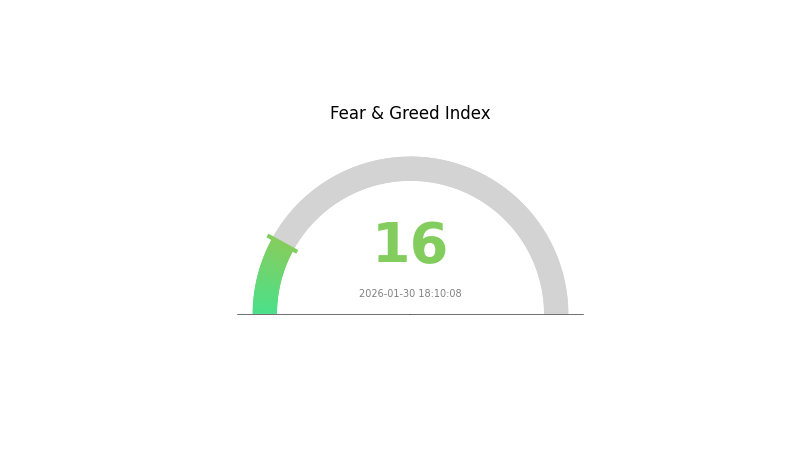
Fear and Greed Index Movement: The Crypto Fear and Greed Index aggregates multiple sentiment indicators. When this index transitions from extreme fear toward neutral or greed territory, it often signals improving market psychology that can precede bull runs.
-
Significant Technological Advancements: Major upgrades to blockchain protocols, breakthroughs in scaling solutions, or widespread adoption of new use cases can catalyze bull markets by fundamentally improving the value proposition of cryptocurrencies.
Historically, crypto bull markets have occurred approximately every three to four years, corresponding roughly with Bitcoin's halving cycles. These bull runs typically last from several months to about a year. Based on historical patterns and the four-year cycle theory, investors can anticipate potential timing for future bull runs, though past performance does not guarantee future results. Notably, peak prices in historical bull runs have frequently occurred during the final months of the calendar year.
Signs of a Bull Market Losing Steam
Recognizing when a bull market is approaching its end is crucial for protecting gains and avoiding significant drawdowns. Several indicators can provide warning signals:
Trading volume often provides the first and most reliable clue that momentum is fading. During historical bull runs, trading volume typically surges during the initial climb as new participants enter the market. However, as prices approach peak levels, volume often begins to wane despite prices continuing to rise. This divergence between price and volume suggests that fewer participants are driving price action, indicating reduced market conviction.
Three key technical indicators combined can provide strong signals that it may be time to consider taking profits:
-
Volume Analysis: When trading volume falls considerably while prices remain elevated or continue rising slowly, it indicates fading market exuberance. Healthy bull markets are characterized by strong volume supporting price advances. Declining volume suggests that the rally is losing broad-based support.
-
RSI Divergence: The Relative Strength Index often shows declining momentum even as prices make new highs. When price charts show higher highs but RSI shows lower highs, this bearish divergence suggests that the upward momentum is weakening and a reversal may be approaching.
-
MACD Signals: The Moving Average Convergence Divergence indicator can provide sell signals when the MACD line crosses below the signal line, particularly after extended rallies. This crossover suggests that short-term momentum is shifting negative relative to recent trends.
Additionally, extreme euphoria in social media, mainstream media coverage reaching fever pitch, and new investors entering the market in large numbers often coincide with market tops. When cryptocurrency becomes the dominant topic of conversation among non-crypto-native populations, it often signals that the bull market is in its final stages.
How Long Does the Crypto Bull Market Last?
Crypto bull markets typically persist for several months up to approximately one year, though duration varies based on market conditions and catalysts. As bull markets approach the seven to eight-month mark, investors should monitor chart indicators and market conditions more closely for signs of potential reversal.
Historical examples illustrate the typical duration and magnitude of crypto bull runs:
-
Early Cycle Example: In one historical cycle, Bitcoin surged from approximately $60 in mid-year to over $1,000 by late in the same year, representing a dramatic increase in just five months.
-
Mid-Cycle Example: During another significant bull run, BTC climbed from around $1,300 to $20,000 over a seven-month period, demonstrating the explosive growth potential during favorable market conditions.
-
Recent Cycle Example: In a more recent bull market, Bitcoin increased from approximately $10,000 to nearly $70,000 over a thirteen-month period, though the most dramatic gains occurred during the final months of this run.
These historical patterns suggest that while bull markets can extend for over a year, the most significant price appreciation often occurs during concentrated periods of a few months. Understanding these patterns helps investors maintain appropriate time horizons and avoid premature exits or overstaying positions.
Crypto Bull Market Investment Strategies
Spot a Bull Market Early With Technical Indicators
Successful bull market investing begins with early identification of changing market conditions. Several technical indicators can help investors recognize bull markets in their early stages:
-
Bitcoin Dominance Patterns: Bitcoin dominance typically grows steadily as a prelude to broader market rallies. When Bitcoin dominance reaches 60% or higher, it often signals that capital is consolidating in BTC before flowing into alternative cryptocurrencies. This pattern frequently precedes "alt season," when alternative cryptocurrencies outperform Bitcoin. Monitoring these dominance cycles helps investors anticipate optimal timing for diversifying into altcoins.
-
RSI Behavior in Bull Markets: During bull markets, RSI exhibits different characteristics than in ranging or bear markets. Rather than oscillating between oversold and overbought levels, bull market RSI often establishes a floor in the 40-50 range, rarely dropping below these levels during pullbacks. During peak euphoria phases, RSI can reach extreme levels above 90, remaining elevated for extended periods. Understanding these bull market RSI patterns prevents premature profit-taking based on traditional overbought signals.
-
Moving Average Relationships: The golden cross—when the 50-day moving average crosses above the 200-day moving average—provides a classic buy signal. The strength of this signal increases with the angle of the crossover; steeper angles indicate more powerful momentum shifts. Additionally, during established bull markets, prices tend to remain above both moving averages, with the 50-day MA serving as dynamic support during temporary pullbacks. When prices consistently hold above these moving averages, it confirms the bull market structure remains intact.
HODL, But Earn Passive Income
The "hold on for dear life" (HODL) strategy—maintaining positions through volatility—remains popular among crypto investors. However, passive income strategies allow investors to increase holdings while waiting for optimal exit points, effectively earning yield on assets that would otherwise sit idle:
-
Staking Strategies: Proof-of-stake blockchains allow token holders to lock their assets in smart contracts to help secure the network, earning staking rewards in return. Annual yields typically range from 3% to 5% or higher, depending on the specific blockchain and market conditions. Staking provides consistent returns during bull markets while maintaining exposure to price appreciation. However, investors should understand lock-up periods and potential risks before committing significant capital.
-
Lending Protocols: Depositing cryptocurrency into lending pools allows investors to earn interest based on their proportional share of the pool. Borrowers pay interest to access liquidity, and this interest is distributed to lenders. Lending rates fluctuate based on supply and demand dynamics but can provide attractive yields during bull markets when borrowing demand is high. Investors should carefully evaluate the security and reputation of lending platforms before depositing funds.
-
DeFi Protocol Participation: Decentralized finance (DeFi) offers numerous opportunities to earn yield, ranging from providing liquidity to decentralized exchanges, participating in insurance pools, or engaging in liquid staking for proof-of-stake blockchains. These strategies often offer higher yields than simple staking or lending but typically involve additional complexity and risk. Investors should thoroughly research protocols, understand smart contract risks, and start with smaller positions when exploring DeFi opportunities.
Take Profits Regularly Using Limit Orders
Rather than attempting to time the exact market top—an extremely difficult task even for experienced traders—investors can use staggered limit orders to systematically take profits as prices rise. This approach involves creating multiple sell orders at progressively higher prices, each selling a predetermined portion of holdings.
For example, an investor might set limit orders to sell 10% of holdings at various price targets above current market prices. As each target is reached, a portion of the position is automatically sold, locking in profits. This strategy ensures that investors capture gains even if they don't perfectly time the market top, while maintaining exposure to potential further upside.
When implementing this strategy, investors should verify whether their exchange uses good-till-cancelled (GTC) orders, which remain active until filled or manually cancelled, or good-till-day (GTD) orders, which expire at the end of the trading day. Understanding order types prevents unintended order expiration during critical market movements.
Diversify Your Portfolio
A well-diversified cryptocurrency portfolio captures gains across different market phases. During periods of rising Bitcoin dominance, portfolios with significant BTC allocation outperform. During alt season, when capital flows from Bitcoin into alternative cryptocurrencies, diversified portfolios benefit from altcoin outperformance.
Diversification also serves as a risk management tool. Losses in one asset may be offset by gains in another, reducing overall portfolio volatility. Effective crypto diversification includes exposure to different categories: large-cap cryptocurrencies like Bitcoin and Ethereum, mid-cap projects with strong fundamentals, and carefully selected small-cap positions with high growth potential.
Investors should regularly rebalance portfolios to maintain target allocations, as bull markets can cause portfolio weights to drift significantly from original targets.
Use Leverage Cautiously
Leverage trading allows investors to control larger positions using their cryptocurrency as collateral, potentially amplifying gains during bull markets. However, leverage is a double-edged sword that also magnifies losses and significantly increases risk.
While leverage can enhance returns, it's substantially riskier than spot market trading. Leveraged positions can be liquidated if prices move against the position, resulting in total loss of collateral. During volatile crypto markets, even temporary price movements can trigger liquidations.
Investors considering leverage should start with conservative leverage ratios, such as 2x to 5x, rather than the extreme leverage offered by some platforms. Lower leverage amounts increase potential gains while managing risks more responsibly. Additionally, investors should never risk more capital than they can afford to lose entirely, and should thoroughly understand liquidation mechanics before using leverage.
Tax-Loss Harvesting in Bull Markets
Maintaining detailed records of all trading activity, including transaction fees and dates, is essential for tax optimization. In many jurisdictions, tax authorities allow investors to use capital losses to offset capital gains, reducing overall tax liability.
Even during bull markets, individual positions may experience losses that can be harvested for tax purposes. By strategically selling losing positions and potentially repurchasing them after required waiting periods, investors can generate tax losses while maintaining similar market exposure.
Proper record-keeping also ensures accurate reporting of gains and helps investors understand their true after-tax returns. Consider using cryptocurrency tax software or consulting with tax professionals familiar with digital asset taxation to optimize tax strategy.
When to Exit a Bull Market: Timing Your Exit Strategy
Developing and adhering to a predetermined exit strategy is crucial for preserving bull market gains. Watch for multiple converging signals that suggest the bull market may be ending:
-
Declining Volume: Falling trading volume is often the first and most reliable indicator of a market losing momentum. When prices continue rising but volume steadily decreases, it suggests that fewer participants are driving price action and the rally may be running out of steam.
-
Regulatory Changes: Announcements of tightening cryptocurrency regulations in major markets can quickly dampen bull market enthusiasm. Regulatory uncertainty or restrictive policies can cause rapid capital flight and mark the end of bull runs.
-
RSI Patterns: The Relative Strength Index often peaks and begins declining shortly before prices reach their ultimate highs. Watch for RSI divergences where prices make new highs but RSI fails to confirm, suggesting weakening momentum.
-
Moving Average Crosses: If the 50-day moving average crosses below the 200-day moving average—a pattern known as a "death cross"—it signals that short-term momentum has turned negative relative to longer-term trends. This crossover often precedes extended periods of selling pressure.
Long-Term Investment vs. Short-Term Gains
Many cryptocurrency investors choose to HODL through entire market cycles, maintaining positions through both bull and bear markets. This long-term investment approach offers several advantages:
Long-term holding reduces both portfolio risk and psychological stress associated with timing market tops and bottoms. By maintaining positions through volatility, investors avoid the risk of selling too early and missing significant gains, or mistiming re-entry during market corrections.
In many jurisdictions, including the United States, tax treatment favors long-term holdings. The IRS taxes long-term capital gains from assets held more than one year at preferential rates, significantly lower than short-term gains, which are taxed as ordinary income. This tax advantage can substantially impact after-tax returns, particularly for investors in higher tax brackets.
However, long-term holding requires strong conviction and the ability to withstand significant drawdowns during bear markets. Investors should carefully consider their risk tolerance, financial goals, and tax situation when deciding between long-term holding and active trading strategies.
Final Thoughts on Crypto Bull Markets
Successfully navigating crypto bull markets requires a combination of technical analysis, disciplined strategy execution, and emotional control. Technical indicators such as trading volume, RSI, moving averages, and Bitcoin dominance patterns can help identify both the start of bull markets and signals that momentum may be waning.
While bull markets experience less extreme volatility than bear markets, cryptocurrency remains among the most volatile asset classes. Price swings of 10-20% or more can occur within days or even hours, testing investor resolve and discipline.
The key to bull market success lies in preparation, patience, and adherence to predetermined strategies rather than emotional decision-making. Develop clear entry and exit criteria before entering positions, use technical indicators to guide decisions, implement risk management through diversification and position sizing, and consider tax implications of trading strategies.
By staying informed about market conditions, understanding technical indicators, and maintaining disciplined execution of well-planned strategies, investors can maximize their potential to capture significant gains during crypto bull markets while managing the inherent risks of this dynamic asset class.
FAQ
What is a crypto bull market? How does it differ from a bear market?
A crypto bull market is a prolonged period of rising prices and increased trading volume, driven by positive sentiment. A bear market is the opposite,characterized by declining prices and reduced activity. The key difference lies in price direction and market momentum.
How to identify the start and end of a crypto bull market?
Monitor key signals: negative futures funding rates for 30 consecutive days indicate bull peak, exchange reserves at yearly lows signal early bull start, and stablecoin market cap recovery suggests market turning points.
What are effective investment strategies to maximize gains in a crypto bull market?
Diversify across emerging sectors like AI and gaming to reduce risk and capture growth opportunities. Implement dollar-cost averaging, take strategic profits at resistance levels, and maintain a long-term holding strategy while regularly rebalancing your portfolio for optimal returns.
How should you manage risk and avoid excessive leverage during a bull market?
Keep leverage exposure below 1x of your portfolio value, take regular profits at resistance levels, and never risk more than 2% per trade. Use stop-losses consistently and diversify positions across multiple assets.
What were the major cryptocurrency bull market cycles in history?
Major crypto bull markets occurred in 2013, 2017, 2020-2021, and 2024-2025. The 2013 cycle saw Bitcoin surge 730% from $145 to $1,200. The 2017 boom delivered 1,900% gains reaching $20,000. The 2020-2021 cycle, driven by institutional adoption, achieved 700% growth to $64,000. The 2024-2025 cycle, fueled by Bitcoin ETF approvals and halving anticipation, pushed prices from $40,000 to $93,000, a 132% increase.
When should you take profits in a crypto bull market?
Take profits in batches when market momentum weakens. Watch for signs of trend reversal, declining trading volume, and resistance level breaks. Consider selling 30-50% at major resistance levels, then hold remaining position for potential higher peaks before the bull run ends.
What are the common mistakes beginner investors make in a bull market?
Beginner investors often make emotional trading decisions, constantly monitoring price movements and chasing quick gains. They neglect long-term strategies, fail to take profits, and lack risk management. Overtrading and FOMO-driven purchases typically lead to losses when market sentiment shifts.
* The information is not intended to be and does not constitute financial advice or any other recommendation of any sort offered or endorsed by Gate.