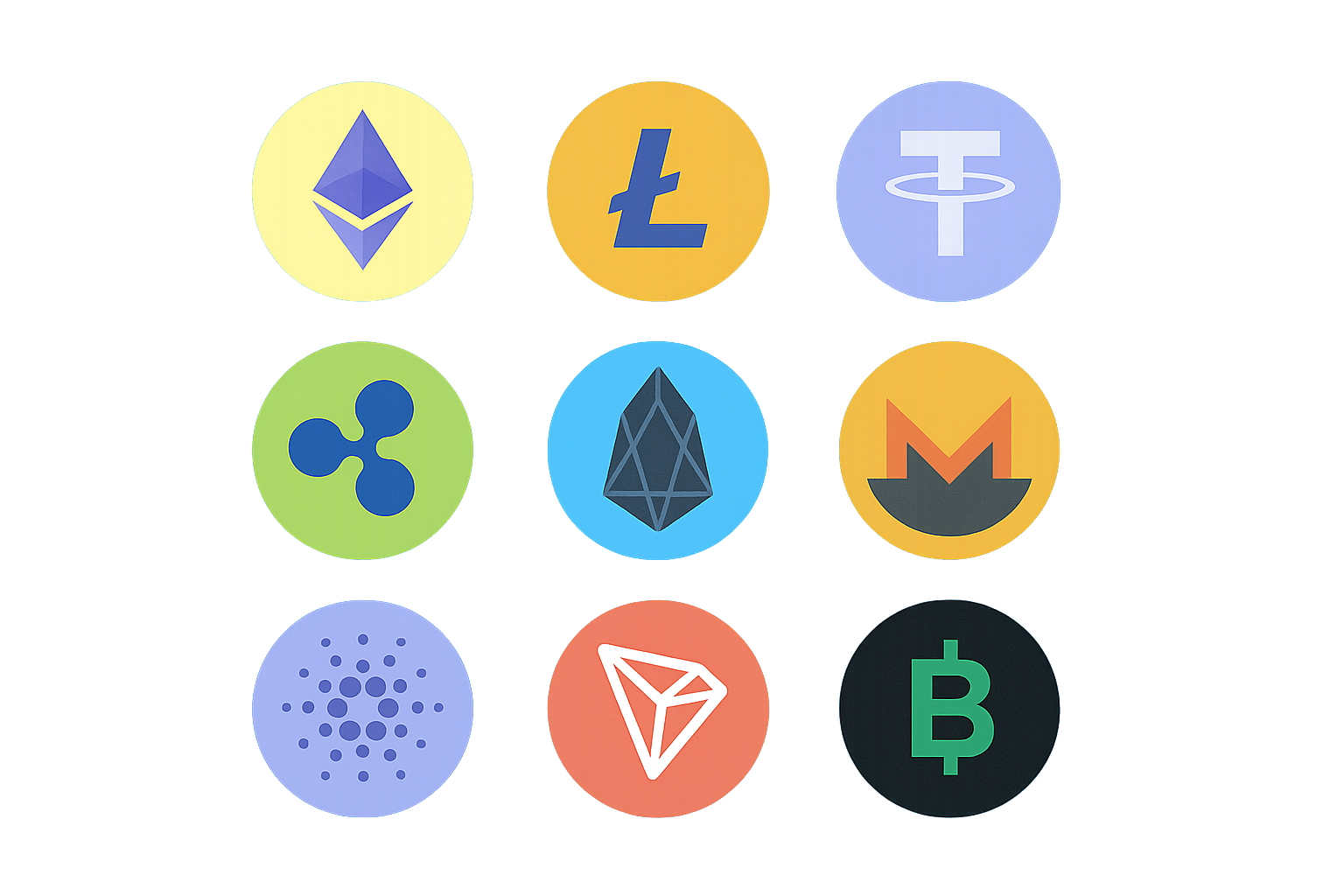
Bài viết cung cấp hướng dẫn toàn diện về altcoin - các đồng tiền thay thế cho Bitcoin trong hệ sinh thái tiền điện tử. Altcoin được định nghĩa là tất cả tiền điện tử ngoài Bitcoin, với hơn 2000 loại đang lưu hành. Bài viết phân tích chi tiết 10 altcoin hàng đầu như Ethereum, Litecoin, Tether, Ripple, EOS, Monero, Cardano, TRON, Bitcoin Cash và IOTA, mỗi loại có ứng dụng riêng biệt từ hợp đồng thông minh, thanh toán, bảo mật đến IoT. Nội dung bao gồm định nghĩa, lịch sử phát triển, đặc điểm kỹ thuật, so sánh với Bitcoin và các tiêu chí đánh giá altcoin cho nhà đầu tư mới.
Trong những năm gần đây, thị trường tiền điện tử đã chứng kiến sự bùng nổ với hơn 2000 loại altcoin khác nhau. Altcoin, viết tắt của "alternative coin" (đồng tiền thay thế), là thuật ngữ chỉ tất cả các loại tiền điện tử ngoài Bitcoin. Vậy altcoin là gì và quan trọng hơn, chúng khác với Bitcoin như thế nào?
Altcoin đầu tiên tham gia thị trường cùng với Bitcoin đã được tạo ra vào năm 2011. Namecoin ra đời với mục tiêu phân cấp việc đăng ký tên miền trên web, đồng thời cũng được sử dụng như một loại tiền kỹ thuật số thay thế cho Bitcoin. Sự xuất hiện của Namecoin đã mở ra một kỷ nguyên mới, chứng minh rằng công nghệ blockchain có thể được ứng dụng vào nhiều lĩnh vực khác nhau ngoài việc chỉ đơn thuần là một phương tiện thanh toán.
Tính đến thời điểm gần đây, hơn 2000 altcoin đang lưu hành trên thị trường tiền điện tử toàn cầu. Sự cạnh tranh đa dạng này không những không làm tổn hại đến vị thế của Bitcoin mà còn thúc đẩy toàn bộ không gian tiền điện tử tiến lên phía trước. Điều đáng chú ý là không phải tất cả các altcoin đều trực tiếp liên quan đến Bitcoin hay cố gắng thay thế nó. Thay vào đó, chúng thường đi kèm với các giá trị độc đáo, giải quyết những vấn đề cụ thể mà Bitcoin chưa giải quyết được hoặc phục vụ những mục đích hoàn toàn khác biệt trong hệ sinh thái blockchain.
10 Altcoin Hàng Đầu
Litecoin (LTC). Giống như Bitcoin, Litecoin là loại tiền kỹ thuật số có mục tiêu cung cấp các khoản thanh toán kỹ thuật số phi tập trung. Được tạo ra vào năm 2011 bởi Charlie Lee, một cựu kỹ sư của Google, Litecoin được thiết kế để cải thiện một số hạn chế của Bitcoin. Nó cung cấp thời gian xác nhận giao dịch nhanh hơn đáng kể (khoảng 2.5 phút so với 10 phút của Bitcoin), phí giao dịch thấp hơn và tổng nguồn cung tiền xu cao hơn (84 triệu LTC so với 21 triệu BTC). Cộng đồng Litecoin thường ví von: "BTC là vàng kỹ thuật số, LTC là bạc kỹ thuật số", nhấn mạnh vai trò bổ sung và thực tế hơn của Litecoin trong các giao dịch hàng ngày.
Ethereum (ETH). Ether là loại tiền kỹ thuật số phi tập trung thế hệ thứ hai được phát triển bởi Vitalik Buterin. Không chỉ đơn thuần là một phương tiện thanh toán, Ethereum được thiết kế như một nền tảng máy tính phân tán toàn cầu. Nó được sử dụng để thực hiện các hợp đồng thông minh (smart contracts), triển khai các ứng dụng phi tập trung (DApps), và là nền tảng phổ biến nhất để tài trợ cho các đợt ra mắt coin ban đầu (ICO). Ethereum đã mở ra một kỷ nguyên mới cho công nghệ blockchain, cho phép các nhà phát triển xây dựng các ứng dụng phức tạp trên nền tảng của nó, từ tài chính phi tập trung (DeFi) đến token không thể thay thế (NFT).
EOS Token (EOS). EOS là loại tiền tệ kỹ thuật số bán phi tập trung và blockchain thế hệ thứ hai được thiết kế để cung cấp năng lượng cho các ứng dụng phi tập trung (DApp) và tổ chức tự trị phi tập trung (DAO). Được phát triển bởi Block.one, EOS tập trung vào việc giải quyết các vấn đề về khả năng mở rộng và tốc độ giao dịch. Nó cạnh tranh trực tiếp với Ethereum để giành danh hiệu nền tảng hợp đồng thông minh tốt nhất thế giới, với khả năng xử lý hàng nghìn giao dịch mỗi giây và không tính phí giao dịch cho người dùng cuối.
Bitcoin Cash (BCH). Bitcoin Cash là một nhánh cứng (hard fork) của Bitcoin được sinh ra vào mùa hè năm 2017 sau cuộc tranh luận kéo dài về cách mở rộng quy mô của Bitcoin. BCH đã giải quyết các vấn đề về thời gian xác nhận giao dịch chậm, mức tiêu thụ năng lượng cao và phí giao dịch đắt đỏ của Bitcoin bằng cách tăng kích thước khối từ 1MB lên 8MB (sau này lên đến 32MB). Điều này cho phép Bitcoin Cash xử lý nhiều giao dịch hơn trong mỗi khối, làm giảm phí và tăng tốc độ xác nhận, khiến nó trở thành một lựa chọn thực tế hơn cho các giao dịch hàng ngày.
Ripple (XRP). XRP là token kỹ thuật số dành cho thanh toán được phát triển và sử dụng bởi Ripple Labs làm nguồn thanh khoản cho các khoản thanh toán tiền pháp định theo thời gian thực xuyên biên giới. Khác với hầu hết các altcoin khác, XRP được thiết kế đặc biệt để phục vụ các tổ chức tài chính và ngân hàng, giúp họ thực hiện các giao dịch quốc tế nhanh chóng và tiết kiệm chi phí. Vì lý do này, XRP còn được gọi là "đồng coin ngân hàng". Ripple đã hợp tác với hàng trăm tổ chức tài chính trên toàn thế giới, biến XRP trở thành một trong những altcoin có ứng dụng thực tế rõ ràng nhất.
Tether (USDT). Tether là stablecoin (đồng coin ổn định) phổ biến nhất trên thị trường, được gắn với đồng đô la Mỹ theo tỷ lệ 1:1. Một token Tether luôn được duy trì giá trị bằng một USD và có thể được đổi thành tiền pháp định bất kỳ lúc nào. Tether đóng vai trò như một cầu nối giữa thế giới tiền điện tử và tiền pháp định, cho phép các nhà giao dịch tránh được sự biến động giá của thị trường tiền điện tử mà vẫn có thể duy trì tài sản trên các sàn giao dịch. Tether được phát hành trên nhiều blockchain khác nhau, bao gồm Ethereum, TRON và Bitcoin's Omni Layer.
TRON (TRX). TRON là loại tiền kỹ thuật số bán tập trung được thiết kế đặc biệt cho các hệ thống tạo nội dung và giải trí kỹ thuật số. Được thành lập bởi Justin Sun, TRON nhằm mục đích xây dựng một hệ sinh thái giải trí phi tập trung toàn cầu. Đồng TRX được sử dụng để chia sẻ nội dung trên mạng và đền bù trực tiếp cho những người sáng tạo nội dung, loại bỏ các trung gian như nền tảng truyền thông xã hội hay dịch vụ streaming. TRON cũng hỗ trợ các hợp đồng thông minh và DApps, đặc biệt tập trung vào lĩnh vực game và giải trí.
Monero (XMR). Monero là loại tiền điện tử định hướng bảo mật và quyền riêng tư phi tập trung được thiết kế để thực hiện các khoản thanh toán hoàn toàn ẩn danh và không thể theo dõi. Được ra mắt vào năm 2014, Monero sử dụng các công nghệ mã hóa tiên tiến như ring signatures, stealth addresses và RingCT để ẩn thông tin người gửi, người nhận và số tiền giao dịch. So với Bitcoin, Monero nhanh hơn, có khả năng mở rộng cao hơn và đặc biệt được ưa chuộng bởi những người dùng coi trọng quyền riêng tư tài chính tuyệt đối.
Cardano (ADA). ADA là token gốc của nền tảng Cardano, một dự án blockchain được phát triển dựa trên nghiên cứu khoa học và đánh giá ngang hàng. Cardano được thiết kế để trở thành loại tiền điện tử thế hệ thứ ba, khắc phục các hạn chế của cả Bitcoin (thế hệ thứ nhất) và Ethereum (thế hệ thứ hai). Nó có khả năng cung cấp năng lượng cho các hợp đồng thông minh, ứng dụng phi tập trung, side chain và tính toán phân tán với hiệu suất cao hơn và tiêu thụ năng lượng thấp hơn. Cardano sử dụng cơ chế đồng thuận Proof of Stake (Ouroboros), được coi là thân thiện với môi trường hơn so với Proof of Work của Bitcoin.
IOTA (MIOTA). IOTA là một dự án blockchain độc đáo được thiết kế đặc biệt cho Internet vạn vật (Internet of Things - IoT) trong tương lai. Khác với hầu hết các blockchain truyền thống, IOTA sử dụng công nghệ Tangle - một dạng đồ thị có hướng không tuần hoàn (DAG) thay vì chuỗi khối tuyến tính. Điều này giúp các giao dịch máy với máy (machine-to-machine) diễn ra nhanh chóng, dễ dàng và không tốn phí giữa các thiết bị IoT. MIOTA cũng có thể được sử dụng làm tiền điện tử cho các khoản thanh toán thông thường, với ưu điểm là không có phí giao dịch và khả năng mở rộng vô hạn về lý thuyết.
Kết Luận
Các loại tiền điện tử khác nhau trên thị trường đều mang trong mình những ý tưởng sáng tạo và ứng dụng riêng biệt, phản ánh sự đa dạng và phong phú của hệ sinh thái blockchain. Một số altcoin có đặc điểm chuyên môn hóa cao, tập trung vào các lĩnh vực cụ thể như quyền riêng tư (Monero), IoT (IOTA), hay giải trí kỹ thuật số (TRON). Tuy nhiên, hầu hết các altcoin đều có chung mục tiêu là cố gắng vượt trội hơn Bitcoin bằng cách cải thiện hoặc thay đổi một số yếu tố kỹ thuật quan trọng như tốc độ giao dịch, phí, khả năng mở rộng, hoặc chức năng.
Trong danh sách top 10 đồng tiền hàng đầu, chúng ta có thể thấy sự xuất hiện của nhiều loại altcoin khác nhau: các nền tảng hợp đồng thông minh và DApp (Ethereum, EOS, Cardano), các đồng tiền thanh toán cải tiến (Litecoin, Bitcoin Cash, Ripple), các token tiện ích với ứng dụng cụ thể (TRON, IOTA), và các stablecoin được bảo chứng bởi tài sản (Tether). Sự đa dạng này không chỉ mang lại nhiều lựa chọn cho người dùng mà còn thúc đẩy sự đổi mới và cạnh tranh lành mạnh trong toàn bộ ngành công nghiệp blockchain.
Việc hiểu rõ về các altcoin khác nhau và điểm khác biệt của chúng so với Bitcoin là rất quan trọng đối với bất kỳ ai muốn tham gia vào thị trường tiền điện tử. Mỗi altcoin đều có những ưu điểm và hạn chế riêng, phù hợp với các trường hợp sử dụng và mục đích đầu tư khác nhau. Trong tương lai, với sự phát triển không ngừng của công nghệ blockchain, chúng ta có thể kỳ vọng sẽ có thêm nhiều altcoin mới với những đổi mới đột phá, tiếp tục mở rộng ranh giới của những gì có thể thực hiện được với tiền điện tử và công nghệ sổ cái phân tán.
FAQ
Altcoin là gì? Altcoin khác Bitcoin như thế nào?
Altcoin là đồng tiền số thay thế cho Bitcoin. Chúng khác nhau ở công nghệ,mục đích sử dụng và cơ chế đồng thuận. Bitcoin là tiền tệ kỹ thuật số gốc,còn altcoin có các tính năng và ứng dụng đa dạng hơn.
Những loại Altcoin phổ biến nhất hiện nay là gì?
Các Altcoin phổ biến nhất hiện nay bao gồm Ethereum(ETH),Binance Coin(BNB),Tether(USDT),XRP và USD Coin(USDC)。Những loại tiền điện tử này có mức vốn hóa thị trường cao và lượng giao dịch lớn nhất.
Altcoin có an toàn để đầu tư không? Rủi ro chính là gì?
Altcoin có rủi ro cao do biến động giá mạnh và thị trường nhỏ. Rủi ro chính bao gồm thao túng giá, thanh khoản thấp và sự không ổn định. Nhà đầu tư cần cẩn thận và chỉ đầu tư số tiền có thể chịu được mất.
Làm sao để chọn Altcoin tiềm năng? Tiêu chí đánh giá Altcoin là gì?
Đánh giá Altcoin bằng cách kiểm tra vốn hóa thị trường,hoạt động phát triển tích cực,cộng đồng mạnh mẽ,công nghệ đổi mới và các hợp tác chiến lược。Phân tích giao dịch額,độ thanh khoản và tầm nhìn dự án để xác định tiềm năng tăng trưởng lâu dài。
Altcoin có thể thay thế Bitcoin trong tương lai không?
Một số Altcoin có tiềm năng thay thế Bitcoin, nhưng không chắc chắn về tương lai. Hiện tại, không có Altcoin nào đã chứng minh được khả năng hoàn toàn thay thế Bitcoin.
* Thông tin không nhằm mục đích và không cấu thành lời khuyên tài chính hay bất kỳ đề xuất nào được Gate cung cấp hoặc xác nhận.