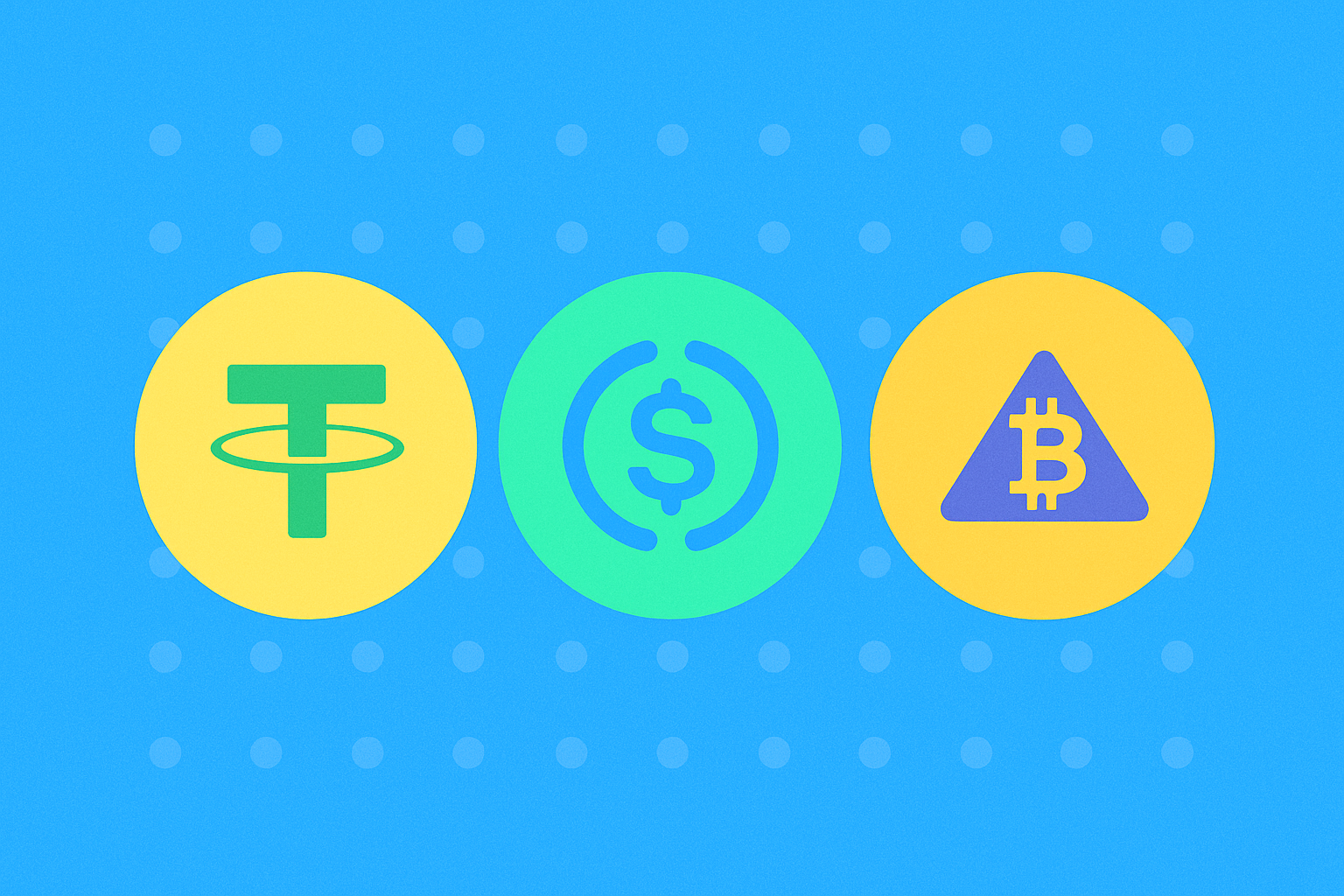
اكتشف مفهوم الربط في عالم العملات الرقمية وكيفية حفاظ العملات المستقرة على استقرار قيمتها. تعرّف على آليات الضمان، وضبط الخوارزميات، وأبرز المزايا والمخاطر، وابدأ التداول الآمن عبر Gate.
ما هي العملة الرقمية المربوطة؟
العملة الرقمية المربوطة هي أصل رقمي تُربط قيمته بأصل آخر. وتُعرف هذه الآلية باسم "الربط"، حيث تضمن الحفاظ على قيمة مستقرة للعملة الرقمية مقارنة بالأصل الذي تم ربطها به.
يعمل الأصل المربوط على محاكاة سلوك الأصل المرجعي الأساسي. ويمكن أن تكون العملات المستقرة مدعومة بأصول متنوعة، مثل العملات الورقية (الدولار الأمريكي، اليورو)، أو السلع (الذهب)، أو حتى عملات رقمية أخرى. تمنح آلية الربط القدرة على التنبؤ وتقلل من تقلبات العملات الرقمية التقليدية مثل Bitcoin وEthereum.
يُعد مفهوم الربط أساسياً لتحقيق الاستقرار في منظومة العملات الرقمية، حيث يتيح للمستخدمين الاستفادة من تقنية البلوكشين مع تجنب التقلبات الحادة في الأسعار.
ما استخدامات الربط في العملات الرقمية؟
يوفر الربط وظائف أساسية في منظومة العملات الرقمية:
- العملات المستقرة
- الرموز المدعومة بأصول
- الربط بين السلاسل
العملات المستقرة
العملات المستقرة هي أكثر أنواع العملات الرقمية المربوطة انتشاراً. تم تصميمها للحفاظ على قيمة ثابتة من خلال ربطها بعملة ورقية محددة، مثل الدولار الأمريكي أو اليورو. من أبرز الأمثلة: Tether (USDT)، USD Coin (USDC)، وDAI.
تستخدم هذه العملات المستقرة في التداول والتحويلات المالية، وتوفر وسيلة مستقرة للتبادل في سوق العملات الرقمية المتقلب. يلجأ المتداولون إليها لحفظ أموالهم أثناء تقلبات السوق دون العودة للعملات الورقية، مما يبقيهم ضمن منظومة العملات الرقمية.
الرموز المدعومة بأصول
الرموز المدعومة بأصول تربط قيمتها بأصول واقعية مثل الذهب أو العقارات أو سلع أخرى. تتيح هذه الرموز تحويل الأصول المادية إلى أصول رقمية، لتصبح أكثر سهولة في التداول عبر شبكات البلوكشين.
مثال على ذلك رمز PAX Gold (PAXG) المرتبط بسعر الذهب، حيث يُمكن المستثمرين من الاستفادة من تغيرات أسعار الذهب دون الحاجة لامتلاك المعدن فعلياً. هذا الابتكار يربط التمويل التقليدي بالتمويل اللامركزي (DeFi)، ويوفر فرص استثمار جديدة.
الربط بين السلاسل
الربط بين السلاسل يعزز قابلية التشغيل البيني بين شبكات البلوكشين المختلفة. الرموز المغلفة مثل Wrapped Bitcoin (WBTC) تمثل هذا التطبيق؛ إذ يُعد WBTC رمز ERC-20 مرتبط بـBitcoin، ويتيح لحاملي Bitcoin المشاركة في منظومة Ethereum DeFi مع الحفاظ على ارتباطهم بقيمة Bitcoin.
هذا النوع من الربط يسهل تدفق السيولة بين أنظمة البلوكشين المختلفة، ويتيح للمستخدمين الاستفادة من ميزات كل شبكة.
كيف يتم الحفاظ على الربط في العملات الرقمية؟
التغطية بالاحتياطيات
تُعد التغطية بالاحتياطيات من الطرق الرئيسية للحفاظ على الربط. العملات المستقرة مثل USDT وUSDC مدعومة باحتياطيات من الدولار الأمريكي محفوظة في بنوك أو حلول حفظ آمنة. هذا الضمان يُتيح استبدال كل رمز بقيمة مكافئة من الأصل المربوط.
تُعد نسبة التغطية أمراً أساسياً للحفاظ على الثقة في العملة الرقمية المربوطة. التغطية الكاملة (نسبة 1:1) توفر أعلى درجات الأمان، وتضمن أن كل رمز متداول مدعوم بقيمة مكافئة من الأصل الأساسي.
التعديلات الخوارزمية
العملات المستقرة الخوارزمية تعتمد على خوارزميات متقدمة للحفاظ على قيمتها دون الحاجة لاحتياطيات مادية. تقوم هذه الخوارزميات تلقائياً بضبط العرض بناءً على الطلب لضمان ثبات السعر.
عندما يرتفع السعر عن الربط، تزيد الخوارزمية العرض لتخفيض السعر. وإذا انخفض السعر، تقلل العرض لرفع السعر. تعتمد هذه الآلية على الحوافز الاقتصادية وأتمتة العقود الذكية.
تداول المراجحة
يلعب متداولو المراجحة دوراً محورياً في الحفاظ على الربط من خلال استغلال اختلاف الأسعار بين المنصات. إذا انحرف سعر العملة الرقمية المربوطة عن قيمتها المستهدفة، يقومون بشراء أو بيع الأصل لتحقيق أرباح من فروق الأسعار.
يدفع هذا النشاط التداولي السعر نحو الربط المستهدف. فعلى سبيل المثال، إذا تم تداول عملة مستقرة بسعر $1.02 في منصة وبسعر $0.98 في أخرى، سيشتري المراجحون بالسعر المنخفض ويبيعون بالسعر المرتفع، مما يقرب كلا السعرين من الربط عند $1.00.
إدارة الاحتياطيات
إدارة الاحتياطيات الفعالة تتطلب الاحتفاظ بالأصول واستخدامها بشكل استراتيجي للحفاظ على الربط، وتشمل التدقيق الدوري والإفصاح الشفاف للتحقق من كفاية وأمان الاحتياطيات.
تنشر العملات الرقمية المربوطة الموثوقة تقارير إثبات احتياطي من مدققين مستقلين، ما يمنح المستخدمين شفافية حول حجم الاحتياطيات. وتُعد هذه الشفافية ضرورية للحفاظ على ثقة المستخدمين واستقرار الربط على المدى الطويل.
مزايا العملات الرقمية المربوطة
1. الاستقرار السعري مع العملات المستقرة
توفر العملات الرقمية المربوطة استقراراً في الأسعار مقارنة بالعملات الرقمية المتقلبة، ما يجعلها مثالية للمعاملات اليومية والادخار والتداول.
يستطيع المستخدمون إنجاز الأعمال وتخزين القيمة دون القلق من تقلبات الأسعار الحادة التي قد تؤثر في القوة الشرائية خلال ساعات أو أيام. هذا الاستقرار ضروري لاعتماد العملات الرقمية بشكل واسع.
2. زيادة الاعتماد بفضل القيمة المستقرة
تدعم القيمة المستقرة للعملات الرقمية المربوطة انتشارها في عدة استخدامات، مثل التحويلات الدولية، المدفوعات عبر الحدود، والمعاملات التجارية الإلكترونية.
غالباً ما تقبل الشركات العملات الرقمية المربوطة كوسيلة دفع لأنها تضمن ثبات القيمة المستلمة. هذا الاستقرار يربط بين التمويل التقليدي ومنظومة العملات الرقمية.
3. الوصول إلى الأصول التقليدية
تمكن العملات الرقمية المربوطة المستخدمين من الاستثمار في أصول تقليدية مثل الذهب أو العقارات عبر الوسائل الرقمية، ما يتيح وصولاً أسهل وأقل تكلفة.
يستفيد المستثمرون من إمكانية الدخول باستثمارات أقل، وسيولة أكبر، والتداول على مدار الساعة عبر منصات العملات الرقمية، ما يوسع فرص الاستثمار للأفراد عالمياً.
عيوب العملات الرقمية المربوطة
1. خطر فقدان الربط
يُعد فقدان الربط أحد أكبر المخاطر المرتبطة بالعملات الرقمية المربوطة، ويحدث عند فقدان العملة قيمتها المستقرة مقارنة بالأصل الأساسي، مما يؤدي إلى خسائر كبيرة للحاملين.
ومن الأمثلة على ذلك TerraUSD التي فقدت الربط وتسببت في خسائر كبيرة للمستثمرين. يمكن أن تؤدي حالات فقدان الربط إلى بيع جماعي وزيادة عدم الاستقرار، ما يخلق تأثيراً متسلسلاً يصعب عكسه.
2. نقص الشفافية في الاحتياطيات
تواجه بعض العملات الرقمية المربوطة انتقادات بشأن شفافية احتياطياتها. بدون إثبات واضح وقابل للتحقق، لا يمكن للمستخدمين التأكد من وجود دعم كافٍ للحفاظ على الربط.
يؤدي نقص الشفافية إلى تآكل الثقة وجعل العملة الرقمية المربوطة عرضة للسحب الجماعي، حيث يسعى المستخدمون لاسترداد رموزهم في نفس الوقت، مما قد يفوق حجم الاحتياطيات المتاحة.
3. الرقابة التنظيمية
العملات الرقمية المربوطة، خاصة العملات المستقرة، تخضع لرقابة تنظيمية متزايدة. تتشدد الحكومات والجهات التنظيمية لضمان امتثال هذه الأصول للأنظمة المالية.
قد تؤثر حالة عدم اليقين التنظيمي على عمليات مُصدري العملات الرقمية المربوطة، وتؤدي إلى قيود على الاستخدام أو اشتراط وجود احتياطيات إلزامية أو حتى الحظر في بعض المناطق. هذا المشهد التنظيمي المتغير يمثل تحديات مستمرة للقطاع.
متى تفقد العملة الرقمية الربط؟
نقص الضمانات
إذا كانت الاحتياطيات التي تدعم العملة الرقمية المربوطة غير كافية، فقد يؤدي ذلك إلى فقدان الربط، وغالباً ما يكون ذلك بسبب ضعف إدارة الاحتياطيات أو الاستخدام غير المعلن أو نقص الشفافية.
عندما يشك المستخدمون في كفاية الاحتياطيات، تتآكل الثقة بسرعة، ما يؤدي إلى طلبات استرداد لا يمكن تلبيتها، وينهار الربط.
فشل الآليات الخوارزمية
العملات المستقرة الخوارزمية تعتمد على خوارزميات معقدة للحفاظ على قيمتها. إذا فشلت هذه الآليات بسبب تصميم معيب أو ظروف سوق غير متوقعة أو ثغرات، قد تفقد العملة الربط.
تحدث حالات الفشل عندما تتجاوز ديناميكيات السوق قدرة الخوارزمية على ضبط العرض، أو عندما تتوقف الحوافز الاقتصادية الداعمة للربط عن العمل بكفاءة.
اختلال العرض والطلب
اختلال كبير بين العرض والطلب على العملة الرقمية المربوطة يُمكن أن يؤدي إلى فقدان القيمة المستقرة، خاصة في حالات الضغط الشديد في السوق، عندما يفوق الطلب على الاسترداد قدرة المصدر.
تنجم هذه الاختلالات عن الذعر في السوق، أو فقدان الثقة في المصدر، أو صدمات اقتصادية خارجية تؤثر في الأصل الأساسي أو منظومة العملات الرقمية بشكل عام.
ما هي العملات المستقرة الأكثر أماناً؟
العملات المستقرة المدعومة بالكامل وباحتياطيات شفافة تُعد الأكثر أماناً. على سبيل المثال، يوفر USD Coin (USDC) توثيقاً واضحاً لاحتياطياته ويخضع للرقابة التنظيمية.
عادة ما تنشر هذه العملات تقارير إثبات احتياطي دورية من مدققين مستقلين، مما يثبت أن الاحتياطيات تتوافق أو تفوق عدد الرموز المتداولة. الشفافية والامتثال التنظيمي والإدارة المنتظمة للاحتياطيات هي مؤشرات أساسية على أمان العملة المستقرة.
تشمل عوامل الأمان الأخرى سمعة الجهة المصدرة، المناطق التي تعمل فيها، وسجل الحفاظ على الربط خلال فترات الضغط في السوق.
الخلاصة
توفر العملات الرقمية المربوطة الاستقرار والموثوقية في الأسواق المتقلبة، وتمنح مزايا مثل الاستقرار السعري والوصول للأصول التقليدية عبر الوسائل الرقمية.
لكنها تحمل أيضاً مخاطر مثل فقدان الربط والرقابة التنظيمية التي يجب على المستخدمين أخذها بعين الاعتبار. فهم آليات الحفاظ على الربط والمزايا والمخاطر أمر ضروري لكل من يشارك في منظومة العملات الرقمية.
مع تطور القطاع، من المرجح أن تلعب العملات الرقمية المربوطة دوراً متزايد الأهمية في ربط التمويل التقليدي بالأنظمة اللامركزية، شريطة استمرار الشفافية والتغطية المناسبة والامتثال التنظيمي لدى المصدرين.
الأسئلة الشائعة
ما هو الربط في العملات الرقمية؟
الربط في العملات الرقمية يعني ربط قيمة الأصل الرقمي بأصل آخر، غالباً عملة ورقية أو سلعة، للحفاظ على ثبات السعر. هذه الآلية تقلل التقلبات وتضمن استقرار القيمة.
ما الفرق بين الربط والعملات المستقرة؟
الربط هو آلية تربط الأصل بقيمة مرجعية، أما العملات المستقرة فهي عملات رقمية مصممة للحفاظ على قيمة ثابتة عبر الاحتياطات أو الخوارزميات. الربط هو الأسلوب، والعملات المستقرة هي التطبيق.
ما هي طرق تطبيق الربط الرئيسية في العملات الرقمية؟
يتم تنفيذ الربط في العملات الرقمية أساساً عبر الاحتياطيات بالعملة الورقية، الضمانات، والآليات الخوارزمية. العملات المستقرة تحافظ على الربط من خلال الاحتفاظ بأصول مكافئة أو ضبط العرض والطلب تلقائياً لضمان ثبات القيمة.
ما هي المخاطر التي تواجه الربط، وكيف يتم ضمان استقراره؟
تشمل مخاطر الربط تدهور جودة الضمانات وانخفاض قيمة الأصل الداعم. يتم الحفاظ على الاستقرار عبر مراقبة الضمانات، تدقيق الاحتياطيات، ونسب التغطية الديناميكية. الشفافية وإدارة المخاطر هي الضمان الأساسي.
ما هي الأصول الرقمية التي تستخدم آلية الربط؟
من أهم الأصول الرقمية التي تعتمد الربط العملات المستقرة مثل USDT وUSDC، وغالباً ما تكون مربوطة بالدولار الأمريكي. وتحافظ هذه العملات على قيمة ثابتة عبر الضمانات أو الآليات الخوارزمية لضمان ثبات السعر.
Pegging相比其他稳定机制的优势和劣势是什么?
Pegging优势:直接挂钩法币,稳定性强,易理解。劣势:需中心化支撑,透明度依赖发行方,缺乏去中心化灵活性。
* لا يُقصد من المعلومات أن تكون أو أن تشكل نصيحة مالية أو أي توصية أخرى من أي نوع تقدمها منصة Gate أو تصادق عليها .