اكتشف Taraxa (TARA)، البلوكشين المتخصص في إنترنت الأشياء (IoT) والذي يعتمد على طوبولوجيا Block DAG وإجماع PBFT المدفوع بتقنية VRF. تعرف على تفاصيل بنيته التقنية، وأداءه السوقي، وتطبيقاته ضمن منظومته، وكيفية الانضمام والمشاركة من خلال Gate.
توجه وأهمية Taraxa (TARA)
في 2021، أطلق فريق Taraxa مشروع Taraxa (TARA) بهدف معالجة تحديات الثقة والسرية والقيمة في نظام إنترنت الأشياء (IoT).
يُعد Taraxa دفتر أستاذ عام سريع وقابل للتوسع ومناسب لأجهزة إنترنت الأشياء، ويعتمد طوبولوجيا Block DAG، ما يجعله ركيزة أساسية في بنية تحتية لإنترنت الأشياء وشبكات الأجهزة اللامركزية.
وبحلول 2026، رسّخ Taraxa مكانته بوجود 1,132 حاملًا ومجتمع تطوير نشط يركز على حلول إنترنت الأشياء.
تتناول هذه المقالة تحليلًا معمقًا لهندسته التقنية، وأدائه السوقي، وآفاقه المستقبلية.
الأصل وتاريخ التطور
خلفية النشأة
أنشأ فريق Taraxa مشروع Taraxa في 2021 لمعالجة مصداقية أجهزة إنترنت الأشياء، والتحقق من مصدر البيانات، وتنفيذ معاملات آمنة مجهولة الهوية.
وجاء إطلاق المشروع مع توسع تكنولوجيا البلوكشين في تطبيقات إنترنت الأشياء، بهدف توفير هويات فريدة للأجهزة، ومصادر بيانات موثقة، وإمكانيات معاملات مجهولة لتغيير مشهد القطاع.
وقد وفّر إطلاق Taraxa إمكانيات غير مسبوقة لأنظمة إنترنت الأشياء وشبكات الخدمات بين الأجهزة.
محطات رئيسية
- 2021: إطلاق الشبكة الرئيسية في 22 مارس، مع تطبيق طوبولوجيا Block DAG ونظام إجماع PBFT مدفوع بـ VRF.
- 2021: تقديم أول آلة افتراضية (VM) تدعم المعالجة المتزامنة بدلاً من التنفيذ التسلسلي الشائع في أنظمة البلوكشين.
- استمر المشروع في تطوير آليات توليد المفاتيح اللامركزية وتخزينها واستعادتها لتعزيز أمان الأجهزة.
- بحلول 2026، حافظ النظام البيئي على 3 إدراجات في بورصات مع مواصلة تحسين البنية التحتية.
بدعم من مؤسسة Taraxa والمجتمع، تواصل Taraxa تحسين تقنيتها وأمانها وتطبيقاتها في العالم الحقيقي.
كيف يعمل Taraxa؟
غياب السيطرة المركزية
يعمل Taraxa عبر شبكة لامركزية من العُقد موزعة عالميًا، دون أي سيطرة من البنوك أو الحكومات.
تتعاون هذه العُقد في التحقق من المعاملات، ما يضمن الشفافية ومقاومة الهجمات، ويمنح المستخدمين مرونة واستقلالية أكبر ويعزز قوة الشبكة.
جوهر البلوكشين
البلوكشين في Taraxa هو دفتر أستاذ عام وغير قابل للتغيير يسجل جميع المعاملات.
تُجمع المعاملات في كتل ترتبط عبر تجزئات تشفيرية لتشكيل سلسلة آمنة.
يمكن لأي مستخدم مراجعة السجلات، مما يعزز الثقة دون الحاجة لوسطاء.
تعزز طوبولوجيا Block DAG المقترنة بتقنية التقسيم الضبابي الأداء، وتتيح إغلاق الدفتر بسرعة وبدون تزامن كامل.
ضمان العدالة
يعتمد Taraxa على إجماع PBFT مدفوع بـ VRF للتحقق من المعاملات ومنع الاحتيال، مثل الإنفاق المزدوج.
يحافظ المدققون على أمان الشبكة من خلال تشغيل العُقد والمساهمة في عملية الإجماع، ويحصلون على مكافآت TARA.
تتيح هيكلة Block DAG تحقيق إنهاء سريع للمعاملات مع تقليل تكاليف التنسيق.
معاملات آمنة
يعتمد Taraxa على التشفير بالمفتاحين العام والخاص لحماية المعاملات:
- المفاتيح الخاصة (مثل كلمات المرور السرية) لتوقيع المعاملات
- المفاتيح العامة (مثل أرقام الحسابات) للتحقق من الملكية
تضمن هذه الآلية أمان الأموال مع الحفاظ على خصوصية المستخدم عبر معاملات زائفة الهوية.
يوفر المشروع منظومة متكاملة تشمل مصادقة مشفرة على مستوى الجهاز، ما يضمن مصدر البيانات وعدم قابليتها للتغيير، ويفتح المجال أمام الخدمات والمعاملات بين أجهزة إنترنت الأشياء.
نظرة عامة على التداول
حتى 01 فبراير 2026، يبلغ المعروض المتداول من Taraxa (TARA) نحو 6,024,084,699 رمزًا، بإجمالي عرض 10,960,246,496 ورمز وحد أقصى 12,000,000,000 رمز.
يمثل المعروض المتداول ما يقارب %50.2 من الإجمالي، في نموذج إصدار مضبوط قد يؤثر على ديناميكيات العرض والطلب مستقبلاً.
تقلبات الأسعار
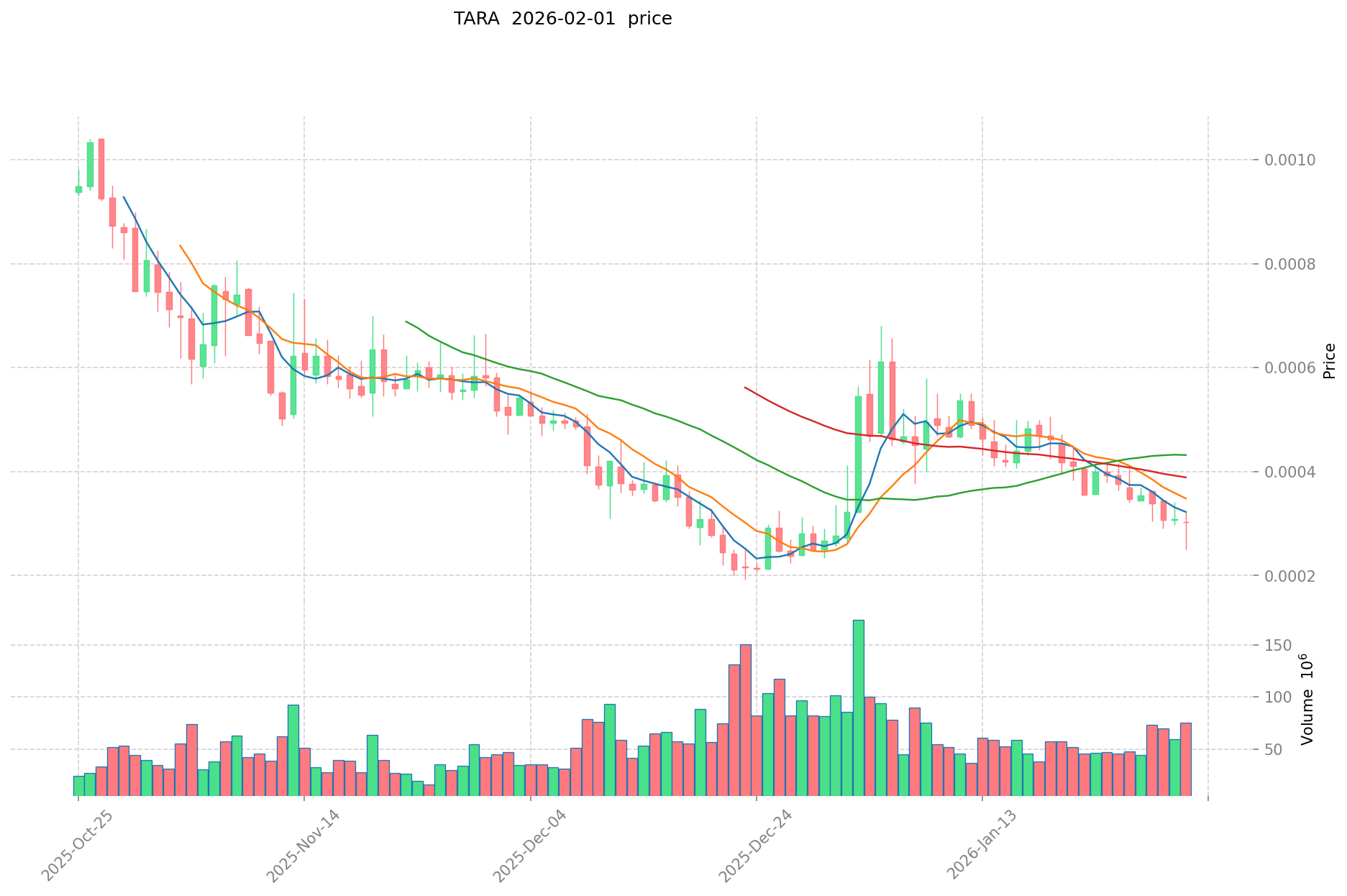
وصل Taraxa (TARA) إلى أعلى سعر له عند $0.07045 في 22 مارس 2021 خلال ارتفاع عام لسوق العملات الرقمية، وسجل أدنى سعر عند $0.00019902 في 23 ديسمبر 2025 نتيجة تقلبات السوق وصعوباته.
بحسب أحدث البيانات، يتم تداول TARA عند $0.0003168، بزيادة %12.43 خلال آخر 24 ساعة.
مع ذلك، شهد الرمز تقلبات لافتة بانخفاض %19.97 في أسبوع واحد، %31.03 خلال 30 يومًا، و%94.31 خلال عام.
تعكس هذه التحركات تأثير معنويات السوق، واتجاهات التبني، والعوامل الاقتصادية الكلية على تقييم الرمز.
اضغط هنا للاطلاع على السعر الحالي لـ TARA
مؤشرات الشبكة
- عدد الحاملين: تشير البيانات إلى أن لدى TARA حوالي 1,132 حاملًا، ما يعكس انتشار الرمز بين المشاركين في النظام.
- حجم التداول خلال 24 ساعة: بلغ حجم التداول $23,731.11، ما يدل على مستويات نشاط السوق الحالية.
- القيمة السوقية: تبلغ القيمة السوقية لـ TARA تقريبًا $1,908,430، مع تقييم مخفف كليًا بقيمة $3,472,206.
تطبيقات منظومة Taraxa وشركاؤها
الاستخدامات الجوهرية
تدعم منظومة Taraxa تطبيقات متقدمة ضمن قطاع إنترنت الأشياء:
- تكامل بيانات إنترنت الأشياء: مشاريع تعتمد على مصادقة مشفرة على مستوى الجهاز من Taraxa تتيح مصدر بيانات موثوق وعدم قابليتها للتغيير.
- خدمات الأجهزة والمعاملات: تمكّن الشبكة المعاملات المجهولة وتبادل الخدمات بين أجهزة إنترنت الأشياء، معززة التفاعلات الاقتصادية بين الآلات.
شراكات استراتيجية
تعزز Taraxa بنيتها التقنية عبر شراكات تدعم قدراتها في إنترنت الأشياء والبلوكشين.
تُسهم هذه التعاونات في توسع النظام البيئي وتطوير بنيته التحتية.
التحديات والجدل
تواجه Taraxa عدة تحديات في مسيرة تطورها:
- التعقيد التقني: تنفيذ معالجة VM المتزامنة وطوبولوجيا block-DAG يطرح تحديات هندسية فريدة.
- المنافسة السوقية: قطاع بلوكشين إنترنت الأشياء يشهد منافسة من مشاريع أخرى تركز على حلول الأجهزة.
- حواجز التبني: يتطلب تحقيق التكامل الواسع مع مصنعي أجهزة إنترنت الأشياء التغلب على الجمود الصناعي.
هذه التحديات تحفز النقاشات المجتمعية وتدفع جهود الابتكار المستمر.
يُظهر مجتمع Taraxa مشاركة نشطة، مع دعم الشبكة لأكثر من 1,100 حامل حتى فبراير 2026.
على منصة X، تثير نقاشات Taraxa وتطبيقاتها في أمن إنترنت الأشياء اهتمامًا خاصًا بين المهتمين بربط الأجهزة وسلامة البيانات.
عادةً ما تثير التطورات التقنية وتحديثات الشبكة تفاعلًا ملحوظًا بين الأعضاء.
تعكس مناقشات منصة X حول Taraxa تنوع وجهات النظر:
- المؤيدون يبرزون بنية block-DAG المبتكرة والتركيز على إنترنت الأشياء، ويرونها حلًا متخصصًا لأنظمة الأجهزة.
- المنتقدون يشيرون إلى تقلب الأسعار وتحديات الوعي السوقي كمجالات تستوجب التحسين.
تعكس الانطباعات الأخيرة اهتمامًا بتمايز المشروع تقنيًا في قطاع البلوكشين.
الموضوعات الرائجة
يناقش مستخدمو X آلية الإجماع الفريدة لـ Taraxa، وإمكانات التكامل مع إنترنت الأشياء، وموقعها بين حلول البلوكشين الموجهة للأجهزة،
مما يبرز الابتكار التقني والتحديات التي قد تواجهها للوصول إلى التبني الواسع.
- الموقع الرسمي: زر الموقع الرسمي لـ Taraxa للتعرّف على الميزات وحالات الاستخدام وآخر التطورات.
- مستكشف البلوكشين: يوفر مستكشف شبكة Taraxa الرئيسية بيانات الشبكة والمعاملات.
- النشاط على X: تحتفظ Taraxa بحضور نشط على منصة X عبر الحساب @taraxa_project،
وتنشر محتوى حول الترقيات التقنية، المبادرات المجتمعية، وتطورات المنظومة.
خارطة طريق Taraxa المستقبلية
- تطوير مستمر: تعزيز قدرات المعالجة المتزامنة وتكامل أجهزة إنترنت الأشياء، مع تحسين القابلية للتوسع والأمان.
- أهداف النظام البيئي: توسيع نطاق التبني ضمن شبكات أجهزة إنترنت الأشياء والشراكات التصنيعية.
- رؤية طويلة الأمد: ترسيخ مكانة Taraxa كبنية تحتية موثوقة لتفاعلات أجهزة إنترنت الأشياء والتحقق من البيانات.
كيف تشارك في Taraxa؟
- خيارات الشراء: اشترِ TARA عبر Gate.com أو البورصات الداعمة الأخرى.
- حلول التخزين: خزّن الرموز بأمان باستخدام محافظ متوافقة.
- المشاركة المجتمعية: شارك في المشروع عبر القنوات الرسمية، بما فيها Reddit على r/Taraxa_Project.
- بناء النظام البيئي: استكشف مصادر المطورين للمساهمة في تطبيقات إنترنت الأشياء على Taraxa.
الملخص
تعتمد Taraxa على تكنولوجيا البلوكشين لمعالجة تحديات منظومة إنترنت الأشياء، مقدمة حلولًا للتحقق من هوية الأجهزة، ومصدر البيانات، والمعاملات المجهولة.
ويعد نهجها التقني، القائم على طوبولوجيا block-DAG مع إجماع PBFT مدفوع بـ VRF، حلاً متخصصًا لتطبيقات الأجهزة.
ورغم تحديات الظهور والتبني، تبرز Taraxa بفضل بنيتها المتطورة وتركيزها على حالات استخدام إنترنت الأشياء، ما يميزها في قطاع البلوكشين.
سواء كنت تستكشف حلول بلوكشين للأجهزة أو تبحث عن آليات إجماع متقدمة، تقدم Taraxa نهجًا تقنيًا جديرًا بالاهتمام.
الأسئلة الشائعة
ما هي عملة TARA الرقمية وما هي استخداماتها الرئيسية؟
TARA هي عملة مشفرة متعددة الاستخدامات تُستخدم أساسًا في منصات التمويل اللامركزي (DeFi). تتيح الإقراض، الاستثمار، وخدمات الدفع، مما يمكّن المستخدمين من الاستفادة من العديد من الخدمات المالية ضمن منظومة البلوكشين.
أي فريق أو مشروع قام بتطوير رمز TARA؟ وما خلفيته وتاريخه؟
تم تطوير رمز TARA من قبل مشروع Taraxa، وهو بلوكشين من الطبقة الأولى يركز على ديمقراطية السمعة من خلال تدقيق موثوق للبيانات غير الرسمية. تتخصص Taraxa في تكنولوجيا بلوكشين سريعة وقابلة للتوسع لتدقيق المعاملات غير الرسمية.
كيف يمكن شراء وتخزين رموز TARA؟ وما هي البورصات الداعمة؟
يمكن شراء رموز TARA من البورصات التي تدعم التداول عليها، ثم تخزينها في محفظة آمنة. TARA مدرجة في بعض البورصات الكبرى.
ما هي البنية التقنية لـ TARA وما تقنيات البلوكشين المعتمدة؟
تم بناء TARA على شبكة بلوكشين عالية الأداء تدعم العقود الذكية المشابهة لإيثيريوم، وتتيح بروتوكولات مخصصة ومعالجة معاملات فعالة، مما يمكّن المستخدمين من تنفيذ تطبيقات لامركزية متنوعة على السلسلة.
ما هي مخاطر الاستثمار في TARA وما الذي يجب الانتباه إليه؟
يحمل الاستثمار في TARA مخاطر تقلبات السوق وتغير أسعار الفائدة. ينبغي على المستثمرين تقييم العوائد بعناية ومراقبة ظروف السوق، وجميع الاستثمارات تنطوي على مخاطر لذا يجب إجراء العناية الواجبة قبل الاستثمار.
ما الفرق بين TARA والعملات الرقمية الرئيسية مثل Bitcoin وEthereum؟
تتميز TARA بتركيزها على الحوكمة اللامركزية ومشاركة المجتمع، على عكس نموذج العرض الثابت لـ Bitcoin وتركيز Ethereum على العقود الذكية. تعطي TARA الأولوية للاستدامة وتطوير الشبكة بقيادة المستخدمين لنمو النظام البيئي على المدى الطويل.
* لا يُقصد من المعلومات أن تكون أو أن تشكل نصيحة مالية أو أي توصية أخرى من أي نوع تقدمها منصة Gate أو تصادق عليها .