اطلع على عملة Useless Coin (USELESS)، وهي رمز ميم مجتمعي على شبكة Solana يضم 37,558 حاملًا وقيمة سوقية تصل إلى $100.61M. استكشف التقنية، أداء السعر، التداول عبر Gate، والبنية اللامركزية لهذا المشروع في دليل شامل ومفصل.
توجه وأهمية Useless Coin
في عام 2025، أطلق مجتمع لامركزي عملة Useless Coin (USELESS)، وصُممت كرد ساخر على هوس صناعة العملات الرقمية بسرديات المنفعة والقيمة.
وبوصفها رمز ميم خالص دون بيع مسبق أو تخصيص فريق أو خارطة طريق، تحتل Useless Coin موقعًا فريدًا في مجال عملات الميم وثقافة الإنترنت.
وبحلول 2026، أثبتت Useless Coin نفسها كتجربة مجتمعية في الثقافة اللامركزية، حيث بلغ عدد الحاملين أكثر من 37,558 مع قاعدة مساهمين نشطة حول العالم.
تتناول هذه المقالة بتحليل معمق بنيتها التقنية، أداءها في السوق، وإمكاناتها المستقبلية.
النشأة وتاريخ التطور
خلفية النشأة
تم ابتكار Useless Coin بواسطة مجتمع عالمي من المساهمين في 2025 بهدف تحدي المفاهيم التقليدية للقيمة والمنفعة في مجال العملات الرقمية.
جاءت في ظل انتعاش عملات الميم وتطور الثقافة اللامركزية، بهدف تبني العبثية مع إظهار قدرة المشاريع المجتمعية على تغيير السرديات.
أضاف إطلاق Useless Coin رؤى جديدة لمحبي الميم وداعمي الثقافة اللامركزية.
المحطات الرئيسية
- 2025: إطلاق الرمز على Solana بدون بيع مسبق أو تخصيص فريق، واعتماد نموذج توزيع مجتمعي بالكامل.
- أكتوبر 2025: بلغ السعر $0.443 نتيجة الزخم المجتمعي الفيروسي والتفاعل على وسائل التواصل الاجتماعي.
- ديسمبر 2025: تراجع السوق لمس السعر $0.05458، ما اختبر مرونة المجتمع.
- يناير 2026: استقرت القيمة السوقية حول $100.61 مليون مع تداول نشط عبر 24 منصة.
وبدعم من مساهمين عالميين وعشاق ثقافة الميم، تواصل Useless Coin تعزيز التفاعل المجتمعي وتوسيع حضورها في السوق.
آلية عمل Useless Coin
غياب التحكم المركزي
تعمل Useless Coin على شبكة لامركزية من العُقد (الحواسيب) موزعة عالميًا على بلوكشين Solana، بعيدًا عن الرقابة المصرفية أو الحكومية.
تتعاون هذه العُقد للتحقق من المعاملات، ما يضمن الشفافية ومقاومة الهجمات، ويمنح المستخدمين استقلالية أكبر ويعزز قوة الشبكة.
جوهر البلوكشين
بلوكشين Useless Coin هو سجل رقمي عام ودائم يسجل كل معاملة.
تُجمع المعاملات في كتل وتُربط بواسطة التشفير لتشكيل سلسلة آمنة.
يمكن للجميع الاطلاع على السجلات، مما يعزز الثقة دون الحاجة لوسطاء.
وبفضل بنية Solana عالية الأداء، يتمتع الرمز بسرعة تنفيذ المعاملات وتكاليف منخفضة.
ضمان النزاهة
تعتمد Useless Coin على إثبات التاريخ (PoH) في Solana إلى جانب إثبات الحصة (PoS) للتحقق من المعاملات ومنع الاحتيال مثل الإنفاق المزدوج.
المدققون يحمون الشبكة عبر تخزين SOL ومعالجة المعاملات، ويحققون أرباحًا مقابل ذلك.
وتكمن ابتكاراتها في الاستفادة من بنية Solana لتحقيق الكفاءة وقابلية التوسع.
المعاملات الآمنة
تستخدم Useless Coin التشفير بالمفتاحين العام والخاص لحماية المعاملات:
- المفاتيح الخاصة (ككلمات مرور سرية) تُستخدم لتوقيع المعاملات
- المفاتيح العامة (كأرقام الحسابات) تُستخدم لإثبات الملكية
تضمن هذه التقنية أمان الأموال مع الحفاظ على خصوصية المعاملات المستعارة الهوية.
وباعتبارها رمز SPL على Solana، تستفيد من ميزات الأمان المدمجة وسرعة إنهاء المعاملات.
نظرة عامة على التداول
في 17 يناير 2026، بلغت كمية التداول من Useless Coin 1,000,000,000 رمز، وإجمالي المعروض 1,000,000,000 رمز، وهو نموذج عرض ثابت متداول بالكامل.
يعتمد الرمز على آلية مجتمعية دون بيع مسبق أو تخصيص فريق، ما يضمن دخول جميع الرموز السوق عبر قنوات توزيع لامركزية. هذا النهج يؤثر على ديناميكية العرض والطلب بإزالة ضغط التوزيع المركزي التقليدي.
تقلب الأسعار
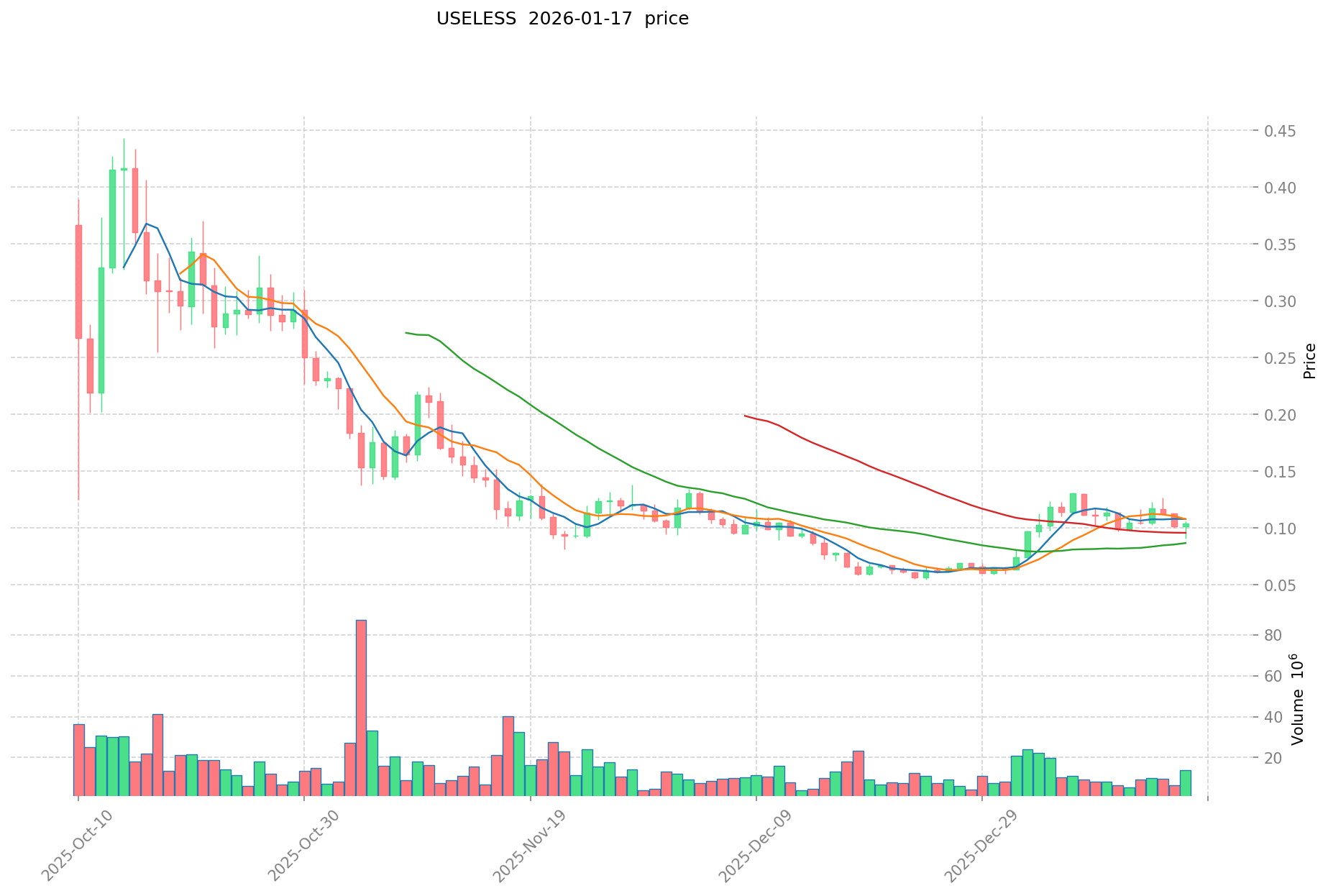
وصلت Useless Coin إلى أعلى سعر لها عند $0.443 في 14 أكتوبر 2025 نتيجة التفاعل المجتمعي والزخم الفيروسي في مجتمعات الإنترنت.
أما أدنى سعر فكان $0.05458 في 24 ديسمبر 2025، نتيجة تصحيح السوق النموذجي لعملات الميم.
تعكس هذه التقلبات تأثر المشروع بمعنويات السوق، وأنماط التبني المجتمعي، والطبيعة المضاربية لعملات الميم في النظام الرقمي.
اضغط هنا للاطلاع على سعر USELESS الحالي
مؤشرات السلسلة
- عدد الحامليـن: 37,558 عنوانًا (يعكس المشاركة المجتمعية وتوزيع الرمز)
- حجم التداول خلال 24 ساعة: $1,312,920.73 (مؤشر على نشاط السوق الحالي)
- القيمة السوقية: $100,610,000 (يمثل إجمالي قيمة المشروع)
تطبيقات منظومة Useless Coin والشركاء
الاستخدامات الجوهرية
يعتمد نظام Useless Coin بالأساس على ثقافة الميم المجتمعية:
- التفاعل المجتمعي: يعزز المشروع التفاعل الاجتماعي الفيروسي عبر إنتاج المحتوى الساخر والمشاركة اللامركزية، ليتيح للحاملين المساهمة في السرد الثقافي.
- ثقافة الميم: بوصفه تجربة مجتمعية خالصة، يجسد USELESS روح العبثية في ثقافة الإنترنت ويكتسب الزخم من الحماس الشعبي بدلاً من المنفعة التقليدية.
التعاون الاستراتيجي
باعتباره رمز ميم لامركزي دون بيع مسبق أو تخصيص فريق، يعتمد Useless Coin على شبكات مساهمين عالمية بدلاً من الشراكات التقليدية. وتكمن قوة المشروع في بنيته المجتمعية العضوية، بمشاركة أكثر من 37,558 حاملًا في بناء النظام.
الجدل والتحديات
يواجه Useless Coin عدة تحديات:
- اعتبارات تقنية: كرمز SPL على Solana، يرتبط أداء المشروع بكفاءة البنية التحتية للبلوكشين.
- تقلبات السوق: شهد الرمز تغيرات سعرية حادة، تعكس ديناميكيات سوق عملات الميم.
- المنافسة: يتسم قطاع عملات الميم بكثرة المشاريع، ما يتطلب تفاعلًا مستمرًا للحفاظ على الحضور والزخم.
وقد أدت هذه العوامل إلى نقاشات مجتمعية ودفع التطوير العضوي المستمر.
يُظهر مجتمع Useless Coin نشاطًا ملحوظًا، فعدد الحاملين وصل إلى أكثر من 37,558 عنوانًا. وجذب الطابع اللامركزي للمشروع مساهمين عالميين يعتنقون توجهه الساخر. كما أن التحركات الأخيرة في السوق، ومنها ارتفاع بنسبة %60.73 خلال 30 يومًا، عززت وتيرة المشاركة المجتمعية.
تعكس منصة X آراء متنوعة:
- المؤيدون يحتفون بتوجه USELESS الواعي والمجتمع النشط، ويعتبرونه تجسيدًا لروح الميم اللامركزية.
- المراقبون يشيرون إلى تقلب الأسعار ويتساءلون عن استدامة مشاريع الميم في ظل تغيرات السوق.
تشير اتجاهات المنصة إلى زيادة التفاعل مع النشاط السعري.
المواضيع الشائعة
يبحث مستخدمو منصة X في القيمة الفريدة لـ USELESS من خلال غياب خارطة الطريق وتخصيص الفريق والبيع المسبق، ويرصدون دلالاتها الثقافية وسلوكها في السوق.
- الموقع الرسمي: زر الموقع الرسمي لـ Useless Coin للاطلاع على تفاصيل المشروع وتحديثات المجتمع ومحتوى الميم.
- الورقة البيضاء: توفر الورقة البيضاء لـ Useless Coin شرحًا للفلسفة والمنهجية المجتمعية للمشروع.
- نشاط منصة X: يحافظ Useless Coin على حضور نشط عبر الحساب @theuselesscoin على منصة X لنشر تطورات المجتمع وثقافة الميم ومحطات المشروع.
خارطة الطريق المستقبلية لـ Useless Coin
نظرًا لإطلاق المشروع بدون خارطة طريق تقليدية، فإن تطوره يعتمد على توجه المجتمع العضوي، ما يتيح تطويرًا مرنًا يستند إلى أولويات المجتمع الجماعية.
كيف تشارك في Useless Coin؟
- قنوات الشراء: اشترِ USELESS عبر Gate.com والمنصات الداعمة الأخرى (الرمز مدرج حاليًا على 24 منصة)
- حلول التخزين: خزّن الرموز بأمان في محافظ متوافقة مع Solana وتدعم رموز SPL
- المشاركة المجتمعية: شارك في المناقشات على منصة X وساهم في دفع الزخم الثقافي للمشروع
- بناء المنظومة: انضم إلى شبكة المساهمين العالمية للمساهمة في تطوير المشروع المجتمعي
الملخص
تمثل Useless Coin نهجًا فريدًا في عملات الميم، من خلال توجهها الساخر وامتلاك المجتمع الكامل لها. أُطلقت دون بيع مسبق أو تخصيص فريق أو خارطة طريق، لتجسد الإيمان باللامركزية وعبثية ثقافة الإنترنت. ومع أكثر من 37,558 حاملًا وحضور في 24 منصة تداول، استقطب USELESS مجتمعًا عالميًا من المساهمين. وبينما يمر بتقلبات معتادة لعملات الميم، تميزه فلسفته الواعية وبنيته المجتمعية في قطاع العملات الرقمية. سواء كنت تستكشف ثقافة الميم أو تدرس التجارب المجتمعية اللامركزية، يقدم Useless Coin نموذجًا للدراسة في تطوير العملات الرقمية العضوي.
الأسئلة الشائعة
ما هو USDT؟ وما الفرق بينه وبين العملات المستقرة الأخرى؟
USDT (Tether) هو عملة مستقرة مرتبطة بالدولار الأمريكي بنسبة 1:1. وعلى عكس USDC الذي يخضع لمزيد من الرقابة التنظيمية ويقدم تقارير تدقيق شهرية، يتحكم Tether Limited وحده في USDT. ويعمل USDT عبر عدة شبكات بلوكشين مثل Ethereum وTron، مما يوفر وصولًا أوسع لكنه أقل شفافية في التحقق من الاحتياطيات مقارنة بنظام USDC المدعوم بالبنوك.
ما هي مخاطر العملات المستقرة في العملات الرقمية؟
تشمل مخاطر العملات المستقرة عدم تطابق الاحتياطيات عندما لا يكون لدى المصدرين دعم كافٍ، وعدم اليقين التنظيمي حسب الدولة، والثغرات التقنية. وقد يؤدي نقص الاحتياطيات إلى فقدان الربط وانخفاض القيمة.
كيف تشتري وتخزن USDT بأمان؟
اختر منصات موثوقة، فعّل المصادقة الثنائية، استخدم طرق دفع آمنة، وخزن USDT في محافظ أجهزة لتحقيق أقصى درجات الأمان.
ما هي سيناريوهات استخدام USDT في التمويل اللامركزي (DeFi)؟
يُستخدم USDT كضمان في بروتوكولات الإقراض، ما يتيح للمستخدمين الاقتراض دون بيع الأصول الرقمية. كما يتيح فرص التحكيم، ويدعم مبادلة العملات المستقرة، ويعزز معاملات DeFi عبر السلاسل. كما يوفر USDT السيولة في منصات التداول اللامركزي واستراتيجيات تحقيق العائد.
ما هي آفاق تطوير العملات المستقرة مستقبلًا؟
تتمتع العملات المستقرة بإمكانات نمو قوية، حيث تقترب القيمة السوقية من $200 مليار. ويزداد استخدامها في المدفوعات العابرة للحدود وكبديل للعملات في الأسواق الناشئة، وفي تطبيقات DeFi. ومع ذلك، فإن الأطر التنظيمية والمنافسة من العملات الرقمية للبنوك المركزية سيكون لها تأثير كبير على مسارها المستقبلي.
* لا يُقصد من المعلومات أن تكون أو أن تشكل نصيحة مالية أو أي توصية أخرى من أي نوع تقدمها منصة Gate أو تصادق عليها .