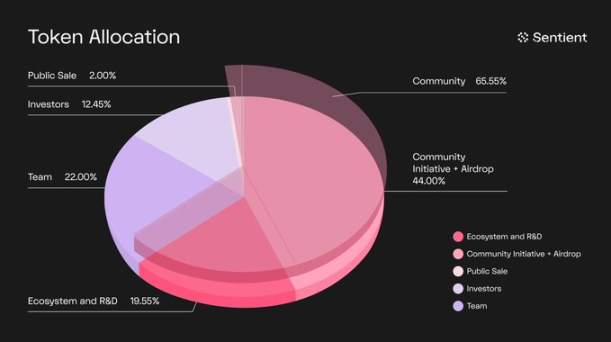
Vào ngày 16 tháng 1, nền tảng AI mã nguồn mở Sentient đã công bố mô hình phân bổ token SENT. Tổng nguồn cung SENT là khoảng 34,3 tỷ token, với 44% dành cho các chương trình khuyến khích cộng đồng và airdrop, 19,55% cho phát triển hệ sinh thái và R&D, 2% cho bán công khai, 22% cho đội ngũ phát triển và 12,45% cho nhà đầu tư.
Dữ liệu từ Polymarket cho thấy xác suất vốn hóa pha loãng hoàn toàn (FDV) của Sentient vượt 200 triệu USD vào ngày sau khi ra mắt đã đạt 99%. Tỷ lệ vượt 400 triệu USD là 87% và vượt 600 triệu USD là 83%. Khối lượng giao dịch của thị trường dự đoán hiện đạt khoảng 330.000 USD.
Quy tắc phân bổ chi tiết
Trong hệ sinh thái Sentient, SENT được sử dụng cho các agent, mô hình, dịch vụ dữ liệu và các sản phẩm dựa trên Artifact khác. SENT còn cho phép thanh toán giữa các Artifact, tạo ra dòng giá trị có thể kết hợp trên chuỗi giữa các dịch vụ. Tổng nguồn cung SENT chính thức là 34.359.738.368, chính xác là 2³⁵. Đội ngũ sẽ chia sẻ câu chuyện đằng sau con số này trong tương lai; những độc giả am hiểu kỹ thuật có thể đã đoán ra lý do.
SENT được phân bổ vào năm nhóm chính: sáng kiến cộng đồng và airdrop, hệ sinh thái và R&D, đội ngũ phát triển, nhà đầu tư và bán công khai.
Hoạt động cộng đồng và airdrop — 44,00%
Khoản phân bổ này chiếm 44% tổng nguồn cung, dành cho airdrop, quỹ cộng đồng, bounty và các chương trình khuyến khích nhằm thưởng cho người dùng và nhà phát triển có đóng góp xác thực trên GRID. Để thúc đẩy quyền sở hữu rộng rãi, 30% phần này sẽ được mở khóa tại TGE (khoảng 13% tổng nguồn cung), 70% còn lại sẽ mở khóa tuyến tính trong bốn năm. Những người đóng góp xây dựng, kiểm thử và chia sẻ trí tuệ nguồn mở cùng sản phẩm sẽ nhận phần lớn nhất. Airdrop sẽ được mở khóa hoàn toàn tại TGE.
Hệ sinh thái và R&D — 19,55%
Phần này chiếm 19,55% tổng nguồn cung, hỗ trợ phát triển hệ sinh thái, nghiên cứu và phát triển, hạ tầng, cũng như vận hành Quỹ Sentient Foundation. Để đảm bảo ổn định lâu dài, 30% sẽ được mở khóa tại TGE, 70% còn lại mở khóa tuyến tính trong bốn năm.
Đội ngũ phát triển — 22,00%
Khoản phân bổ này chiếm 22% tổng nguồn cung, dành cho thành viên Quỹ Sentient Foundation và Sentient Labs, bao gồm nhân viên, nhà sáng lập và đối tác chủ chốt. Tại TGE, phần phân bổ cho đội ngũ sẽ bị khóa trong một năm, sau đó mở khóa tuyến tính trong sáu năm với cliff một năm.
Nhà đầu tư — 12,45%
Khoản phân bổ này chiếm 12,45% tổng nguồn cung, phân phối cho các nhà đầu tư đã hỗ trợ Sentient trong các vòng riêng tư. Token của nhà đầu tư sẽ bị khóa trong một năm, sau đó mở khóa tuyến tính trong bốn năm, nhằm ghi nhận sự tin tưởng của các nhà đầu tư sớm.
Bán công khai — 2,00%
Phần bán công khai chiếm 2% tổng nguồn cung, nhằm khuyến khích sự tham gia rộng rãi của cộng đồng khi ra mắt. Khoản phân bổ này sẽ được mở khóa hoàn toàn tại TGE. Chi tiết về cấu trúc bán công khai sẽ được công bố sớm.
Vào cuối tháng 11 năm 2025, Sentient sẽ ra mắt cổng đăng ký airdrop cho bốn nhóm: người đóng góp cộng đồng, người dùng Sentient Chat tích cực, các gương mặt nổi bật trên nền tảng xã hội và các nhà nghiên cứu mã nguồn mở bên ngoài.
Mùa hoạt động thứ hai sẽ có các vai trò đóng góp mới, lộ trình nâng cấp rõ ràng và nhiều cơ chế phần thưởng. Phần thưởng sẽ bao gồm token SENT, NFT và hàng hóa. Chi tiết cụ thể về airdrop hiện chưa được công bố.
Ngôi sao AI mới nổi huy động thành công 85 triệu USD
Sentient là một tổ chức nghiên cứu AI chuyên xây dựng nền kinh tế trí tuệ nhân tạo tổng quát mở (AGI). Đội ngũ đang phát triển nền tảng và giao thức cho phép các nhà phát triển AI mã nguồn mở kiếm tiền từ mô hình, dữ liệu và đổi mới, thúc đẩy hợp tác để xây dựng các agent AI mạnh mẽ và trở thành động lực then chốt cho sự chuyển đổi trong nền kinh tế AGI mở đang hình thành.
Sentient đã giới thiệu mô hình “OML” (Open, Monetizable, Loyal), hướng tới thúc đẩy một nền kinh tế AGI mở chung. Mục tiêu là tạo ra hệ sinh thái hợp tác giữa hàng triệu agent AI và hàng tỷ người dùng, thúc đẩy đổi mới liên tục và phát triển cho các ứng dụng phía sau.
Về sản phẩm và kiến trúc, lõi của Sentient là GRID (Global Research and Intelligence Directory), một mạng lưới thông minh được mô tả như hệ thống hợp tác gồm các agent, mô hình, dữ liệu, công cụ và tài nguyên tính toán chuyên biệt. Khi người dùng gửi yêu cầu, nhiệm vụ sẽ được phân rã và chuyển tới agent, công cụ hoặc nguồn dữ liệu phù hợp, kết quả được tổng hợp thành đầu ra thống nhất.
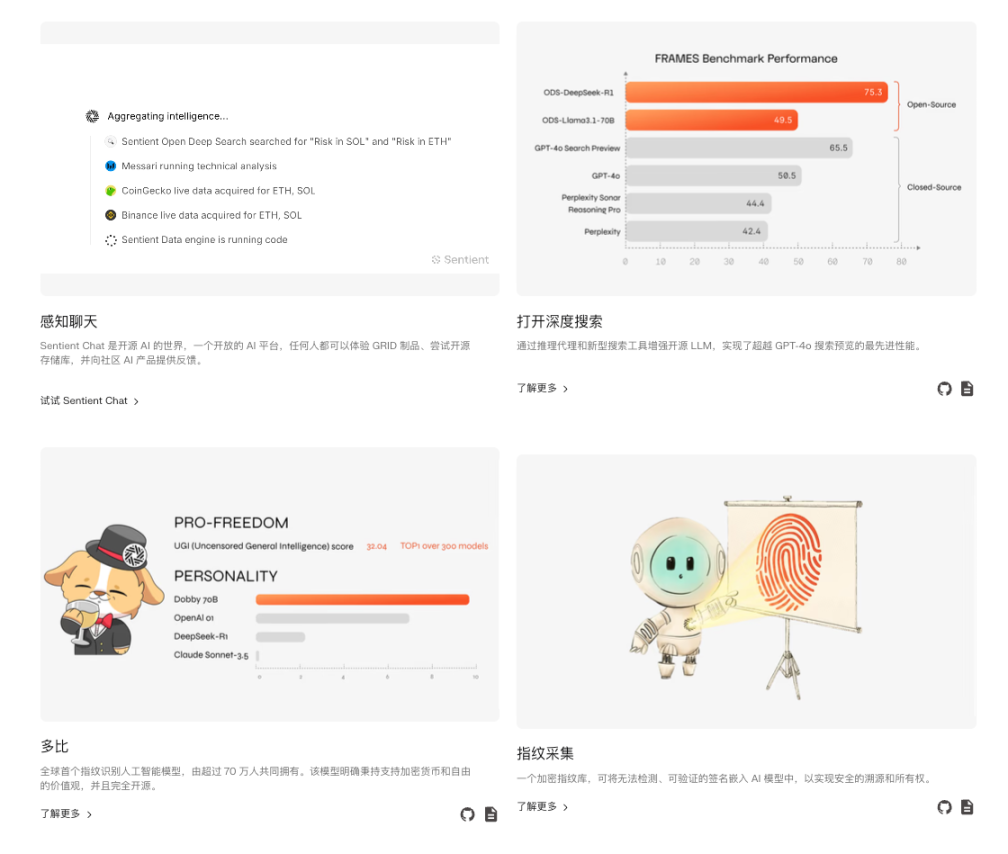
Đối với người dùng phổ thông, Sentient Chat là cổng truy cập và kênh phân phối thống nhất vào GRID, nhấn mạnh tính minh bạch về năng lực và nguồn dữ liệu được sử dụng trong quá trình tương tác. Đối với nhà phát triển và đối tác hệ sinh thái, GRID cung cấp các kênh sử dụng, phân phối và chia sẻ doanh thu tương lai, trong khi nền kinh tế token SENT khuyến khích người đóng góp kết nối Artifact với mạng lưới. Các chỉ số staking và sử dụng giúp định hướng phần thưởng tới các module giá trị cao.
Để hỗ trợ hợp tác đa agent, Sentient đã ra mắt và mở nguồn framework ROMA (Recursive Open Meta-Agent) vào năm 2025. ROMA trừu tượng hóa các nhiệm vụ phức tạp thành cây nhiệm vụ phân cấp đệ quy: node cha phân rã mục tiêu, truyền ngữ cảnh cho node con và tổng hợp kết quả, giúp luồng ngữ cảnh cho chuỗi nhiệm vụ dài trở nên minh bạch, có thể truy vết và kiểm thử. Điều này cũng cho phép thay thế ở cấp node các mô hình, công cụ hoặc bước xác minh thủ công. Sentient mô tả ROMA là xương sống để xây dựng hệ thống đa agent hiệu năng cao và đã phát hành trên GitHub cho cộng đồng phát triển.
Hợp tác giữa học thuật và tiền điện tử
Vào tháng 7 năm 2024, Sentient đã hoàn thành vòng gọi vốn hạt giống trị giá 85 triệu USD, lập kỷ lục trong lĩnh vực AI-tiền điện tử. Vòng này do Founders Fund của Peter Thiel, Pantera Capital và Framework Ventures đồng dẫn dắt, với sự tham gia của Ethereal Ventures, Foresight Ventures, Robot Ventures, Symbolic Capital, Delphi Ventures, Hack VC, Arrington Capital, HashKey Capital và Canonical Crypto.
Đồng sáng lập Polygon, Sandeep Nailwal là một trong những thành viên chủ chốt của Sentient, còn nhà sáng lập kiêm CEO EigenLayer, Sreeram Kannan, giữ vai trò cố vấn.
Trang công khai của Sentient Labs còn liệt kê hai đồng sáng lập khác: Pramod Viswanath, giáo sư kỹ thuật tại Đại học Princeton, và Himanshu Tyagi, giáo sư kỹ thuật tại Viện Khoa học Ấn Độ. Pramod Viswanath chuyên về lý thuyết thông tin và hệ thống truyền thông, dẫn dắt các nỗ lực về an toàn AI và nền tảng lý thuyết cho Sentient. Himanshu Tyagi tập trung vào bảo vệ quyền riêng tư và thuật toán học phi tập trung, cung cấp hỗ trợ học thuật cho đào tạo mô hình và hợp tác bảo mật dữ liệu.
Đội ngũ kỹ thuật và phát triển cốt lõi chủ yếu là các giáo sư, nhà nghiên cứu đại học, bao gồm nghiên cứu AI, kỹ thuật nền tảng, phát triển blockchain, sản phẩm và vận hành. Cấu trúc đội ngũ kết hợp nghiên cứu học thuật, triển khai kỹ thuật và cơ chế kinh tế tiền điện tử.
Đối tác hệ sinh thái và ứng dụng thực tiễn
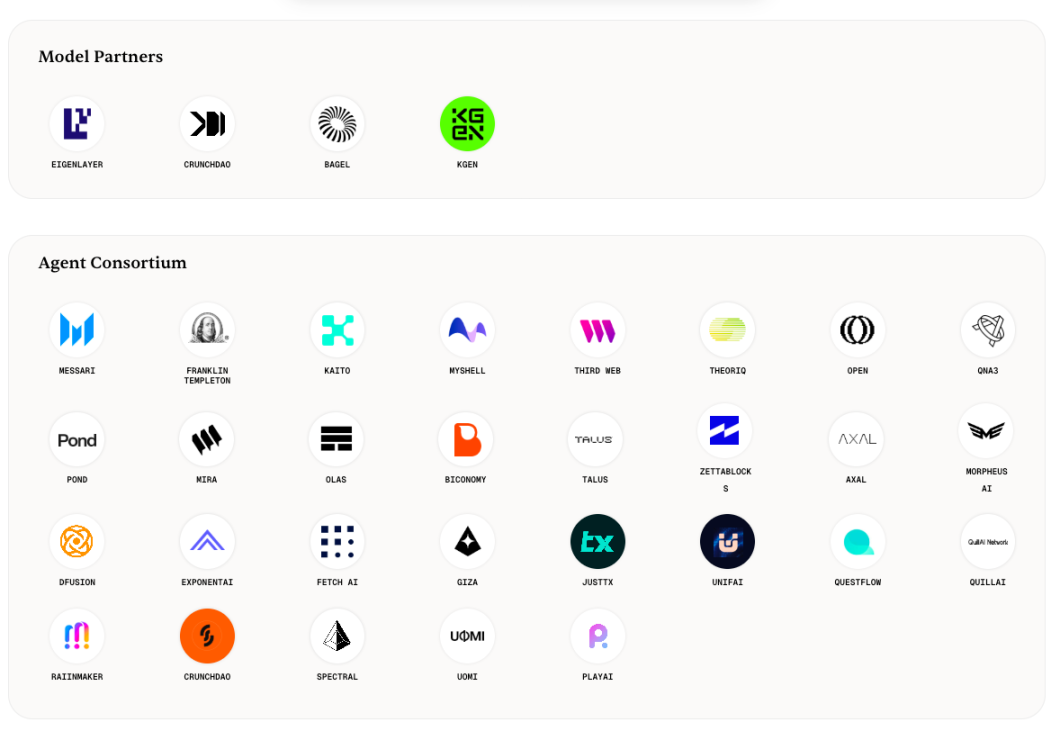
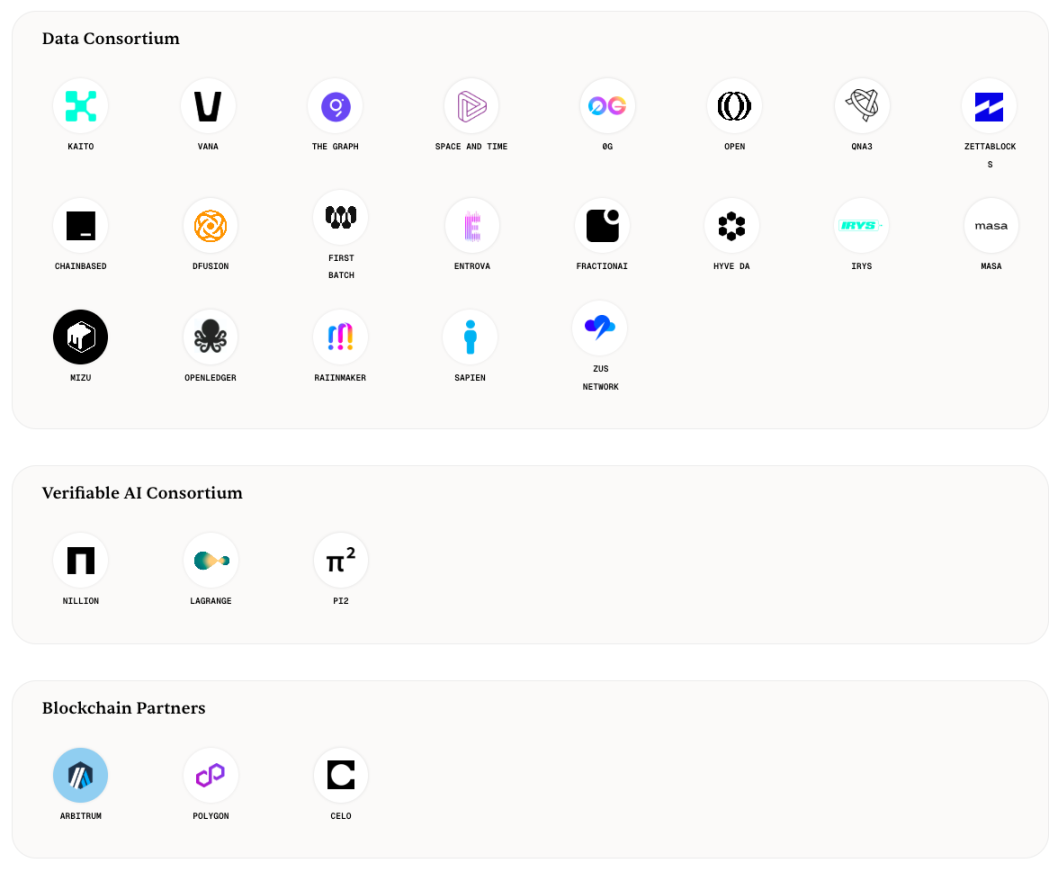
Các công bố chính thức cho thấy hệ sinh thái đã có hơn 60 đối tác và tích hợp, bao gồm đối tác mô hình, agent, nhà cung cấp dữ liệu và các tổ chức tập trung vào mô hình và suy luận xác minh.
Tóm lại, điểm khác biệt của Sentient là xác định con đường tới AGI như một mạng lưới mở có thể kết hợp, tận dụng cơ chế khuyến khích và staking của SENT để giải quyết các thách thức về tài trợ, phân phối và duy trì lâu dài đối với AI mã nguồn mở. Các biến số then chốt tập trung vào kỹ thuật hệ thống và thiết kế cơ chế thay vì chỉ năng lực mô hình đơn lẻ, bao gồm việc tích hợp hệ sinh thái có được cải thiện liên tục hay không, liệu hệ thống khuyến khích có thúc đẩy giá trị sử dụng thực tế, và hệ thống đa agent có đạt được độ tin cậy, bảo mật lặp lại hay không.
Tuyên bố:
- Bài viết này được đăng lại từ [ChandlerZ]. Bản quyền thuộc về tác giả gốc [Foresight News]. Nếu bạn có bất kỳ thắc mắc nào về việc đăng lại, vui lòng liên hệ đội ngũ Gate Learn để được giải quyết theo quy trình liên quan.
- Tuyên bố miễn trừ trách nhiệm: Quan điểm và ý kiến trong bài viết này chỉ thuộc về tác giả, không cấu thành lời khuyên đầu tư.
- Các phiên bản ngôn ngữ khác của bài viết này do đội ngũ Gate Learn biên dịch, không được sao chép, phân phối hoặc đạo văn nếu không ghi rõ nguồn Gate.