This comprehensive analysis examines Flow (FLOW) blockchain token's market position and price trajectory from 2026 through 2031. As of January 2026, FLOW trades at $0.10066 with a market cap of $164.65 million, though it faces significant headwinds with 87.12% annual decline. The article evaluates core factors influencing FLOW's future, including ecosystem development, institutional dynamics, macroeconomic conditions, and NFT market trends. Price forecasts range from conservative scenarios at $0.06651-$0.10078 (2026) to optimistic long-term projections reaching $0.22918 (2031). Investment strategies encompass dollar-cost averaging for long-term holders and technical analysis for active traders on Gate exchange. Critical risk assessments address market volatility, regulatory uncertainties, and competitive pressures, with tailored recommendations for beginner, experienced, and institutional investors seeking exposure to blockchain gaming infrastructure.
Introduction: FLOW's Market Position and Investment Value
Flow (FLOW), positioned as a next-generation blockchain platform designed for games, applications, and digital assets, has been advancing its ecosystem since its launch in 2020. As of January 2026, Flow holds a market capitalization of approximately $164.65 million, with a circulating supply of around 1.64 billion tokens, and maintains a price level near $0.10. This asset, known for its "seamless onboarding" capabilities and mainstream adoption focus, continues to play a notable role in the blockchain gaming and NFT application space.
This article will comprehensively analyze FLOW's price trajectory from 2026 through 2031, incorporating historical patterns, market supply-demand dynamics, ecosystem development, and macroeconomic conditions to provide investors with professional price forecasts and practical investment strategies.
I. FLOW Price History Review and Current Market Status
FLOW Historical Price Evolution Trajectory
- 2021: FLOW reached a significant milestone in April, with price climbing to notable levels during the early cryptocurrency market expansion phase
- 2024-2025: The token experienced a substantial correction period, with price declining significantly from higher levels
- 2026: As of early January, FLOW recorded a lower price point, reflecting the broader market adjustment phase
FLOW Current Market Situation
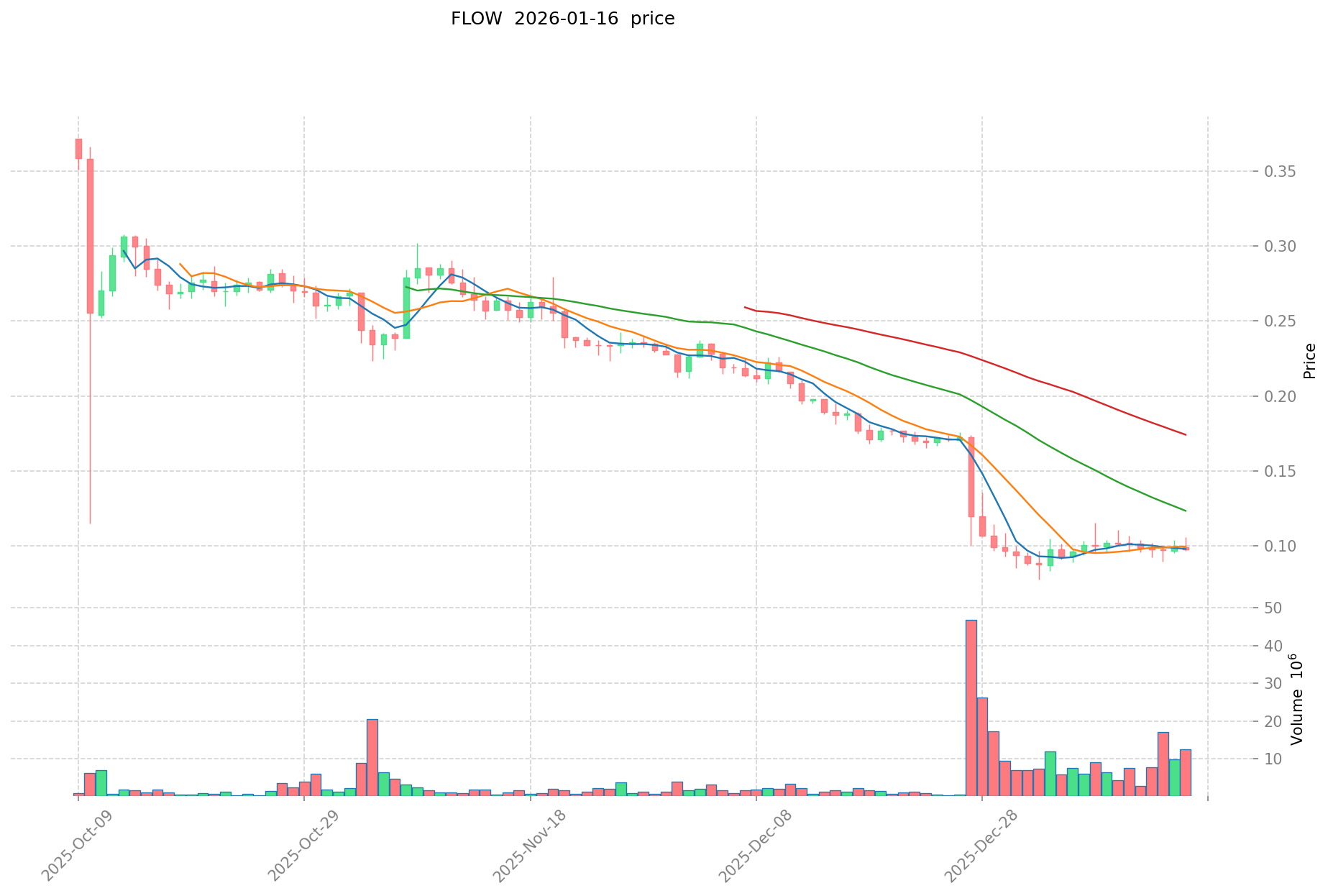
As of January 16, 2026, FLOW is trading at $0.10066, representing a 24-hour increase of 2.22%. The token's 24-hour trading range spans from $0.0955 to $0.10566, with a total trading volume of $1,242,478.35.
The current market capitalization stands at approximately $164.65 million, with a circulating supply of 1,635,710,752 FLOW tokens. The market cap to fully diluted valuation ratio is at 100%, indicating that nearly all tokens are already in circulation. FLOW currently holds a market share of 0.0048% in the cryptocurrency market, ranking at position 273.
Looking at broader timeframes, the token shows a slight decline of 0.48% over the past 7 days, while the 30-day performance indicates a decrease of 45.54%. The 1-year performance reflects a decline of 87.12%. The token has 794,846 holders and is available for trading on 32 exchanges.
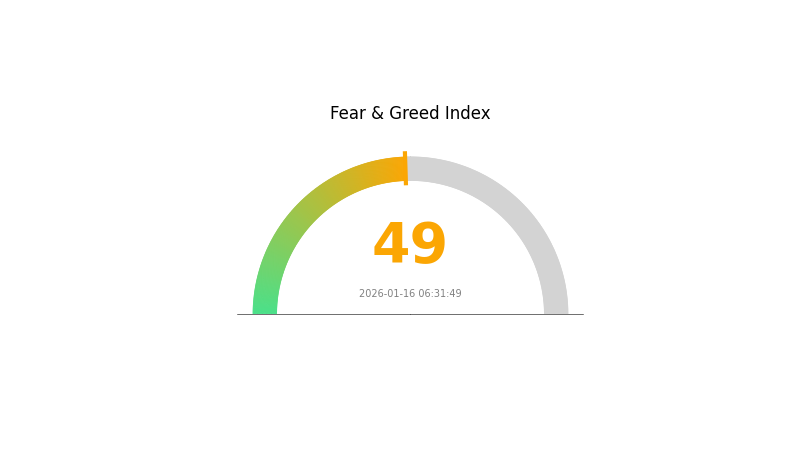
The Gate.com VIX index currently stands at 49, indicating a neutral market sentiment for cryptocurrency assets.
Click to view current FLOW market price
FLOW Market Sentiment Indicator
2026-01-16 Fear and Greed Index: 49 (Neutral)
Click to view the current Fear & Greed Index
The cryptocurrency market is currently displaying neutral sentiment with a Fear and Greed Index reading of 49. This balanced indicator suggests the market is neither excessively fearful nor overly greedy, reflecting a period of stability and measured investor behavior. Market participants are maintaining a cautious yet optimistic stance, indicating neither panic selling nor aggressive buying pressure. This neutral environment presents opportunities for thoughtful trading strategies on Gate.com, as investors can assess market conditions with relative clarity and make informed decisions without extreme emotional market swings.
FLOW Holding Distribution
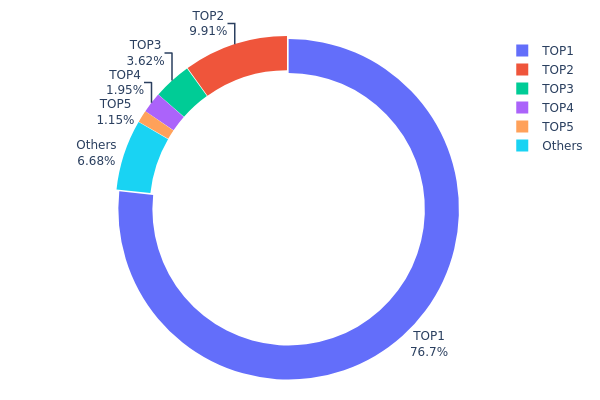
The FLOW holding distribution chart illustrates the percentage of total token supply controlled by different wallet addresses, serving as a critical metric for evaluating asset decentralization and potential market manipulation risks. This data provides insights into whether token ownership is concentrated among a few entities or distributed across a broader network of holders.
Current data reveals a highly concentrated holding structure for FLOW. The top address controls approximately 78.33% of the circulating supply (121,418.11K tokens), while the second-largest holder possesses 10.12% (15,696.17K tokens). Combined, the top two addresses account for nearly 88.45% of all FLOW tokens, indicating an exceptionally centralized distribution pattern. The top five addresses collectively hold over 95% of the supply, with the remaining addresses representing less than 5% of total circulation.
This extreme concentration level poses significant implications for market dynamics. Such centralization increases vulnerability to single-entity influence over price movements and liquidity conditions. Large holders possess the capacity to materially impact market depth through substantial buy or sell orders, potentially creating sharp price volatility. Additionally, this structure raises concerns about decentralization principles fundamental to blockchain networks, as decision-making power and network governance may be disproportionately influenced by a limited number of stakeholders. The current distribution suggests institutional or protocol-controlled wallets may dominate the holding structure, which warrants careful monitoring for any changes in on-chain activity patterns that could signal major market shifts.
Click to view current FLOW Holding Distribution
| Top |
Address |
Holding Qty |
Holding (%) |
| 1 |
0xd3bF...961f3e |
121418.11K |
78.33% |
| 2 |
0x5F5F...290Cf4 |
15696.17K |
10.12% |
| 3 |
0x0000...722D4a |
5733.45K |
3.69% |
| 4 |
0xD296...F2a07C |
3094.83K |
1.99% |
| 5 |
0x6441...836071 |
1818.90K |
1.17% |
| - |
Others |
10583.79K |
4.7% |
II. Core Factors Influencing FLOW's Future Price
Supply Mechanism
- Token Economics and Community Governance: FLOW's price trajectory is significantly influenced by its tokenomics and the role of community governance through DAO (decentralized autonomous organization) mechanisms. These elements help establish network effects and determine how tokens are distributed and utilized within the ecosystem.
- Historical Patterns: The relationship between FLOW's supply dynamics and price movements has demonstrated sensitivity to market cycles and broader cryptocurrency market trends. Historical data suggests that supply-side factors interact closely with demand-driven elements.
- Current Impact: As of early 2026, FLOW's price continues to be affected by ongoing supply considerations, though specific unlock schedules or emission rates require close monitoring for accurate assessment.
Institutional and Major Holder Dynamics
- Institutional Positioning: While specific institutional holdings data is not detailed in available materials, FLOW's market dynamics suggest participation from various investment entities. The token's performance attracts attention from investors seeking exposure to NFT infrastructure and blockchain gaming sectors.
- Enterprise Adoption: FLOW has established itself as a platform supporting digital collectibles and NFT applications, with its ecosystem designed to accommodate enterprise-level implementations in the entertainment and digital asset spaces.
- Regulatory Environment: Legal and regulatory factors play a role in shaping FLOW's market outlook. Changes in cryptocurrency regulations across different jurisdictions can materially impact investor sentiment and price movements.
Macroeconomic Environment
- Monetary Policy Impact: FLOW is subject to broader macroeconomic influences, including global economic growth trajectories, inflation trends, and interest rate policies. These factors affect liquidity conditions in cryptocurrency markets, thereby influencing FLOW's price behavior.
- Inflation Hedge Characteristics: Like other digital assets, FLOW's performance in inflationary environments depends on investor perception of cryptocurrencies as alternative stores of value. Market sentiment regarding this attribute fluctuates based on macroeconomic conditions.
- Geopolitical Factors: International developments and geopolitical tensions can create volatility in cryptocurrency markets, with FLOW experiencing price fluctuations in response to global uncertainty and risk-on/risk-off sentiment shifts.
Technical Development and Ecosystem Building
- Technical Infrastructure: FLOW's future trajectory depends significantly on the resolution of any technical vulnerabilities and the ongoing development of its blockchain infrastructure. Technical improvements and platform stability are essential for maintaining user confidence.
- Platform Partnerships and Project Development: Collaboration with other projects and the expansion of FLOW's ecosystem through new applications and use cases represent important growth drivers. The platform's ability to attract developers and projects influences long-term value proposition.
- NFT Market Trends: Given FLOW's positioning in the NFT space, trends in digital collectibles markets, gaming applications, and entertainment-related blockchain use cases have material impact on demand for the platform and its native token.
- Community Activity: Active community engagement, developer participation, and ongoing project development within the FLOW ecosystem contribute to network effects and long-term sustainability. Community-driven initiatives and governance decisions shape platform evolution.
III. 2026-2031 FLOW Price Forecast
2026 Outlook
- Conservative forecast: $0.06651 - $0.10078
- Neutral forecast: $0.10078
- Optimistic forecast: $0.12396 (requires favorable market conditions and increased adoption)
2027-2029 Outlook
- Market stage expectation: The market may enter a gradual recovery and growth phase, with FLOW potentially benefiting from ecosystem expansion and increased developer activity.
- Price range forecast:
- 2027: $0.09776 - $0.1517 (approximately 11% change)
- 2028: $0.08846 - $0.18221 (approximately 31% change)
- 2029: $0.09899 - $0.19012 (approximately 56% change)
- Key catalysts: Enhanced network utility, strategic partnerships, and broader Web3 adoption could serve as primary drivers for price appreciation.
2030-2031 Long-term Outlook
- Baseline scenario: $0.15973 - $0.20834 (assuming steady ecosystem development and moderate market growth)
- Optimistic scenario: $0.17362 - $0.22918 (assuming accelerated adoption and favorable regulatory environment)
- Transformative scenario: Prices may exceed $0.22918 (contingent on breakthrough technological innovations and mass market adoption)
- 2031-12-31: FLOW could potentially reach $0.22918 (representing an 89% increase from 2026 baseline, contingent on sustained ecosystem growth)
| Year |
Predicted High Price |
Predicted Average Price |
Predicted Low Price |
Price Change |
| 2026 |
0.12396 |
0.10078 |
0.06651 |
0 |
| 2027 |
0.1517 |
0.11237 |
0.09776 |
11 |
| 2028 |
0.18221 |
0.13203 |
0.08846 |
31 |
| 2029 |
0.19012 |
0.15712 |
0.09899 |
56 |
| 2030 |
0.20834 |
0.17362 |
0.15973 |
72 |
| 2031 |
0.22918 |
0.19098 |
0.16233 |
89 |
IV. FLOW Professional Investment Strategy and Risk Management
FLOW Investment Methodology
(1) Long-term Holding Strategy
- Suitable for: Investors who believe in Flow's blockchain infrastructure value proposition and gaming/NFT ecosystem growth potential
- Operational Suggestions:
- Consider dollar-cost averaging (DCA) during periods of market volatility to reduce entry cost risks
- Monitor Flow ecosystem development indicators such as active developer count, dApp launches, and user adoption metrics
- Gate Web3 Wallet provides convenient storage solutions supporting FLOW tokens with user-friendly interface for long-term holders
(2) Active Trading Strategy
- Technical Analysis Tools:
- Moving Averages: Use 20-day and 50-day moving averages to identify short-term trend reversals and potential entry/exit points
- Volume Analysis: Monitor 24-hour trading volume changes to assess market participation and potential trend strength
- Swing Trading Key Points:
- Given FLOW's recent volatility (down 45.54% over 30 days), consider setting stop-loss orders at 8-10% below entry price
- Watch for support levels around recent low price zones and resistance near historical price ranges
FLOW Risk Management Framework
(1) Asset Allocation Principles
- Conservative Investors: 2-5% of crypto portfolio
- Aggressive Investors: 8-15% of crypto portfolio
- Professional Investors: 15-25% of crypto portfolio with active hedging strategies
(2) Risk Hedging Solutions
- Portfolio Diversification: Balance FLOW holdings with established cryptocurrencies and stablecoins to reduce concentration risk
- Position Sizing: Limit individual FLOW position to prevent excessive exposure given the token's historical volatility patterns
(3) Secure Storage Solutions
- Hot Wallet Recommendation: Gate Web3 Wallet offers convenient access for active traders with enhanced security features
- Cold Storage Solution: For long-term holdings exceeding significant value, consider hardware wallet solutions for enhanced security
- Security Considerations: Never share private keys, enable two-factor authentication, and regularly verify wallet security settings
V. FLOW Potential Risks and Challenges
FLOW Market Risks
- Price Volatility: FLOW experienced an 87.12% decline over the past year, indicating substantial downside risk potential in unfavorable market conditions
- Market Cap Position: Ranking at #273 with 0.0048% market dominance suggests limited liquidity compared to major cryptocurrencies, which may amplify price swings
- Trading Volume Fluctuations: Daily trading volume variations can impact order execution and price stability during market stress periods
FLOW Regulatory Risks
- Blockchain Platform Regulations: Evolving regulatory frameworks for blockchain platforms may impact Flow's operational capacity and market access
- Token Classification Uncertainty: Potential regulatory determinations regarding token classification could affect FLOW's trading status across different jurisdictions
- Gaming and NFT Sector Scrutiny: Increased regulatory attention on blockchain gaming and NFT platforms may create compliance challenges for Flow ecosystem participants
FLOW Technical Risks
- Network Performance Dependencies: Platform success relies on maintaining transaction speed and efficiency as ecosystem scales
- Competition Pressure: Flow faces competition from established blockchain gaming platforms and emerging Layer-1 solutions targeting similar use cases
- Developer Adoption: Continued ecosystem growth depends on attracting and retaining qualified developers to build applications on the Flow network
VI. Conclusion and Action Recommendations
FLOW Investment Value Assessment
Flow represents a specialized blockchain platform targeting gaming and digital asset applications with unique technical architecture. The project demonstrates long-term potential through its focus on mainstream adoption and user-friendly design principles. However, significant price depreciation over recent periods (down 87.12% annually and 45.54% monthly) indicates considerable market challenges. The platform maintains operational stability with 794,846 holders and active exchange listings, suggesting sustained community interest despite price pressure. Investment decisions should carefully weigh ecosystem development progress against current market headwinds and competitive landscape dynamics.
FLOW Investment Recommendations
✅ Beginners: Consider minimal allocation (1-3% of crypto portfolio) only after thorough research; prioritize understanding blockchain gaming sector fundamentals before investment
✅ Experienced Investors: May explore moderate positions with strict risk management protocols; monitor Flow ecosystem metrics and technical developments for accumulation opportunities during market stabilization
✅ Institutional Investors: Evaluate Flow's differentiated positioning in blockchain infrastructure space; consider strategic allocation as part of diversified Layer-1 exposure with focus on gaming and NFT sector trends
FLOW Trading Participation Methods
- Spot Trading: Direct FLOW token purchase and sale through cryptocurrency exchanges like Gate.com for straightforward exposure
- Portfolio Integration: Include FLOW as part of broader blockchain gaming sector allocation to capture thematic opportunities
- Staking Participation: Engage in Flow network staking mechanisms to earn rewards while supporting network security (requires technical understanding of staking requirements)
Cryptocurrency investment carries extremely high risks, and this article does not constitute investment advice. Investors should make cautious decisions based on their own risk tolerance and are advised to consult professional financial advisors. Never invest more than you can afford to lose.
FAQ
What is the FLOW token? What are its main uses?
FLOW is the native token of the Flow blockchain, used for paying transaction fees, staking, and earning rewards. It powers the network's proof-of-stake consensus mechanism and supports core operations including data storage and validator participation.
What is the FLOW price prediction for 2024-2025?
In November 2024, FLOW reached $1.0242, peaking at $1.271 in December. During January 2025, FLOW traded between $0.599 and $0.851, showing moderate volatility in the market.
What are the main factors affecting FLOW price?
FLOW price is influenced by user activity in its ecosystem, liquidity depth, network events like upgrades and burns, large holder movements, and social sentiment. Market conditions and broader crypto trends also play significant roles.
What advantages does FLOW have compared to other public chain tokens like Ethereum and Solana?
Flow specializes in NFT infrastructure with an efficient technical architecture. It targets new users with fast growth, offering differentiated advantages over Ethereum and Solana, particularly excelling in the NFT ecosystem with lower transaction costs and higher throughput.
What are the risks of buying FLOW tokens? How to avoid them?
FLOW token risks include market volatility and platform security. Mitigate risks through small investments, diversified portfolio allocation, and using secure wallets for asset storage.
Flow blockchain's development prospects and current state of ecosystem applications?
Flow blockchain leverages mainstream brand IPs combined with NFT technology to attract everyday users. It has partnered with major global brands including NBA, NFL, UFC, and music labels, achieving significant transaction volume growth. The ecosystem continues expanding with strong developer adoption and innovative DeFi applications, positioning Flow for sustained long-term growth and mainstream adoption.
* The information is not intended to be and does not constitute financial advice or any other recommendation of any sort offered or endorsed by Gate.