This comprehensive analysis examines Balancer (BAL) token's price trajectory from 2026 to 2031, providing expert forecasts and investment strategies. As of January 2026, BAL trades at $0.4997 with a market cap of $32.27 million, reflecting over 99% decline from its 2021 peak. The article reviews historical price evolution, current market sentiment (Extreme Fear index: 24), and token holding distribution before delivering detailed predictions: 2026 ($0.46-$0.64), 2027 ($0.34-$0.77), 2028 ($0.57-$0.92), 2029 ($0.41-$0.91), 2030 ($0.76-$1.03), and 2031 ($0.71-$1.23). The guide outlines long-term holding and active trading strategies, risk management frameworks, regulatory challenges, and technical considerations. Suitable for beginners, experienced investors, and institutional participants seeking exposure to DeFi infrastructure on Gate.
Introduction: BAL's Market Position and Investment Value
Balancer (BAL), as a pioneering automated market-making protocol with self-balancing properties, has established itself as an innovative force in decentralized finance since its launch in 2020. The protocol revolutionizes the traditional index fund concept by allowing liquidity providers to earn fees from traders who rebalance their portfolios through arbitrage opportunities. As of January 21, 2026, BAL maintains a market capitalization of approximately $32.27 million, with a circulating supply of around 64.58 million tokens, trading at $0.4997. This asset, recognized as a "decentralized portfolio management and liquidity provision solution," continues to play an increasingly important role in the DeFi ecosystem.
This article will comprehensively analyze BAL's price trajectory from 2026 to 2031, combining historical patterns, market supply-demand dynamics, ecosystem development, and macroeconomic factors to provide investors with professional price forecasts and practical investment strategies.
I. BAL Price History Review and Market Status
BAL Historical Price Evolution Trajectory
- 2021: BAL reached its all-time high of $74.45 on May 4, 2021, marking the peak of the bull market cycle
- 2021-2026: Following the 2021 peak, BAL experienced a significant decline, with the price dropping over 99% from its historical high
- 2026: On January 21, 2026, BAL touched its all-time low of $0.49734, reflecting the prolonged bearish market conditions
BAL Current Market Situation
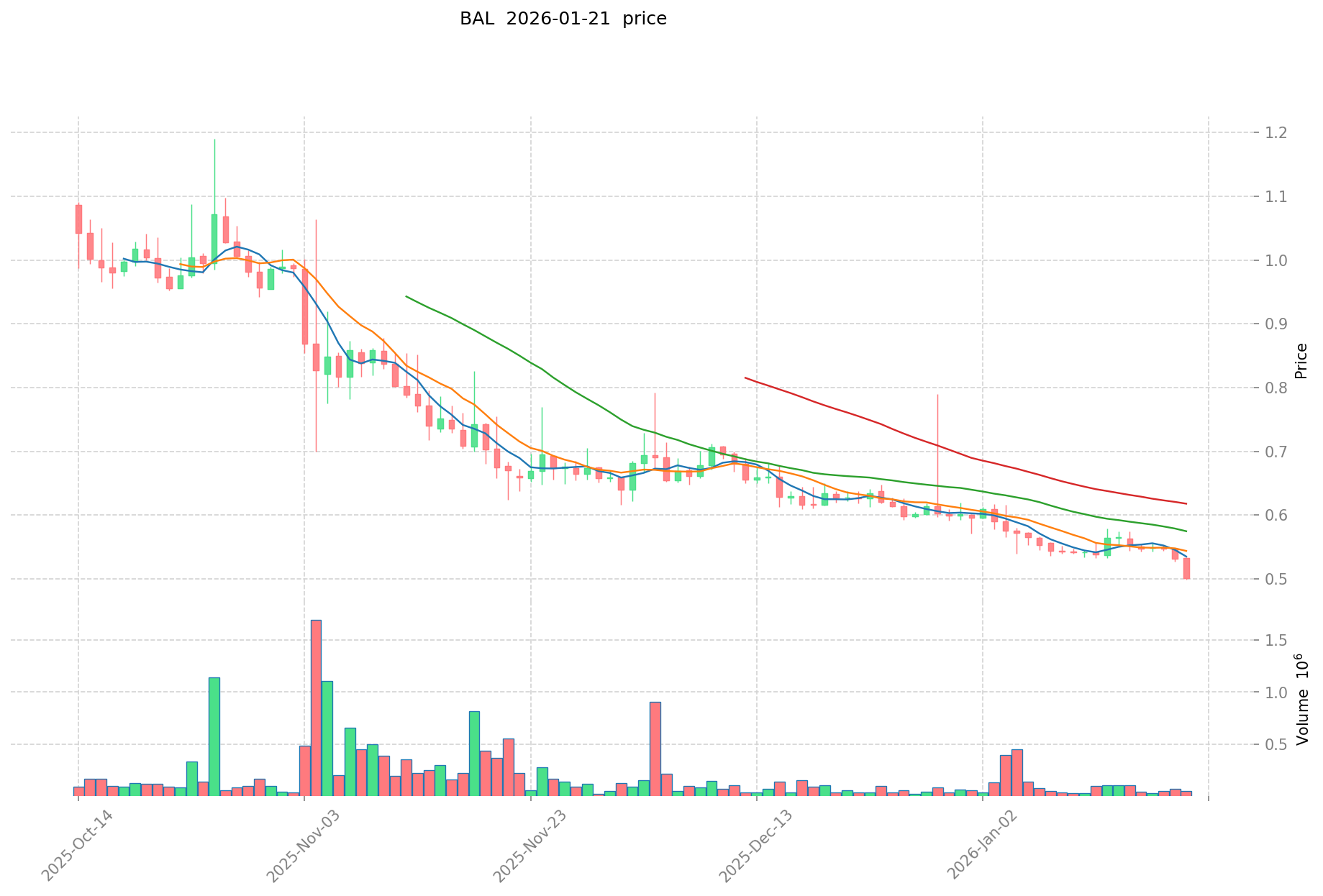
As of January 21, 2026, BAL is trading at $0.4997, positioning it near its historical low price point. The token has experienced notable short-term volatility, with a 24-hour decline of 6.24% and a weekly drop of 11.57%. The monthly performance shows a 21.34% decrease, while the annual decline stands at 81.53%.
The current market capitalization of BAL stands at approximately $32.27 million, with a fully diluted valuation of $35.62 million. The circulating supply represents 64.58 million tokens, accounting for 67.17% of the total supply of 71.29 million tokens. The maximum supply is capped at 96.15 million BAL tokens.
BAL's trading volume over the past 24 hours reached $29,960, reflecting relatively modest trading activity. The token is currently listed on 16 exchanges and holds approximately 48,525 token holders. The market cap to fully diluted valuation ratio of 67.17% indicates a moderate level of circulating supply relative to total supply.
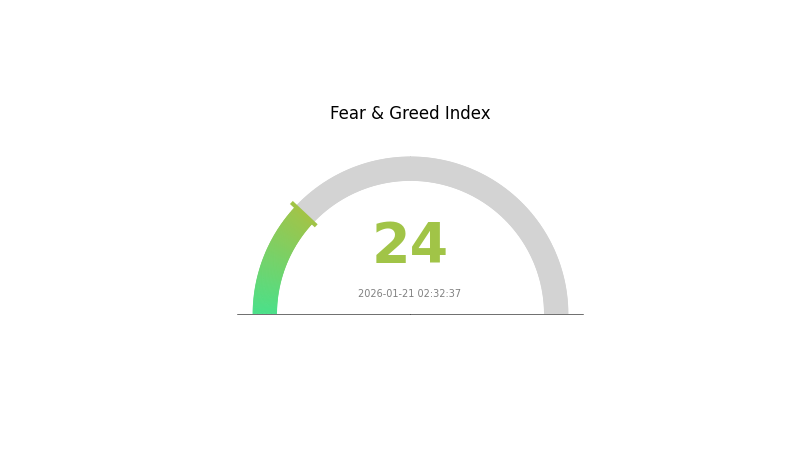
The market sentiment indicator shows a value of 24, classified as "Extreme Fear," suggesting heightened caution among market participants. BAL's market dominance stands at 0.0011%, placing it at rank 688 among cryptocurrencies.
Click to view current BAL market price
BAL Market Sentiment Indicator
2026-01-21 Fear & Greed Index: 24 (Extreme Fear)
Click to view the current Fear & Greed Index
The crypto market is currently experiencing extreme fear, with the Fear & Greed Index at 24. This reading indicates significant market pessimism and heightened investor anxiety. During such periods, risk-averse traders typically reduce exposure, while contrarian investors may view the downturn as a potential buying opportunity. Market volatility tends to be elevated under extreme fear conditions. It's crucial to monitor key support levels and maintain a disciplined investment strategy regardless of current sentiment levels.
BAL Token Holding Distribution
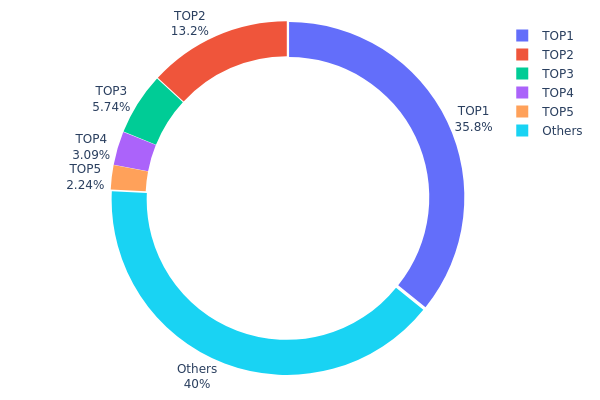
The token holding distribution chart represents the allocation of BAL tokens across different wallet addresses, revealing the concentration of ownership within the ecosystem. According to current on-chain data, the top holder controls approximately 25.52 million BAL tokens (35.79%), followed by the second-largest holder with 9.38 million tokens (13.16%). The top five addresses collectively hold 42.80 million BAL, accounting for 60.02% of the total supply, while the remaining addresses share 39.98% of the circulation.
This distribution pattern indicates a relatively high degree of concentration in BAL's ownership structure. The dominant position of the largest holder, controlling over one-third of the total supply, suggests potential centralization risks. Such concentration could amplify market volatility, as large-scale transactions from these major holders may significantly impact price movements. Additionally, the substantial holdings in the top two addresses raise concerns about potential market manipulation capabilities, which could undermine fair price discovery mechanisms.
From a decentralization perspective, the current holding structure reflects moderate concerns regarding the robustness of BAL's on-chain ecosystem. While nearly 40% of tokens remain distributed among smaller holders, the significant concentration in top addresses indicates that governance decisions and market dynamics could be disproportionately influenced by a limited number of participants. This concentration level warrants continued monitoring, as shifts in these major positions could signal important changes in market sentiment or project fundamentals.
Click to view current BAL Holding Distribution
| Top |
Address |
Holding Qty |
Holding (%) |
| 1 |
0xba12...6bf2c8 |
25521.41K |
35.79% |
| 2 |
0x2516...436fb8 |
9382.84K |
13.16% |
| 3 |
0x0ec5...17faa8 |
4094.58K |
5.74% |
| 4 |
0x0efc...32fc89 |
2206.28K |
3.09% |
| 5 |
0xb129...3b20eb |
1599.05K |
2.24% |
| - |
Others |
28485.64K |
39.98% |
II. Core Factors Affecting BAL's Future Price
Based on the available materials, there is insufficient specific information about Balancer (BAL) token's supply mechanisms, institutional dynamics, macroeconomic positioning, or recent technical developments to provide a detailed analysis of price-influencing factors at this time.
III. 2026-2031 BAL Price Prediction
2026 Outlook
- Conservative prediction: $0.46 - $0.50
- Neutral prediction: $0.50 - $0.64
- Optimistic prediction: $0.64 (requiring favorable market conditions and sustained DeFi sector growth)
2027-2029 Outlook
- Market stage expectation: The prediction suggests BAL may experience moderate growth through the mid-term period, with potential price appreciation ranging from 14% to 58% compared to 2026 baseline levels.
- Price range predictions:
- 2027: $0.34 - $0.77, with an average around $0.57
- 2028: $0.57 - $0.92, with an average around $0.67
- 2029: $0.41 - $0.91, with an average around $0.79
- Key catalysts: Continued development of liquidity pool innovations, broader adoption of decentralized exchange protocols, and potential integration with emerging DeFi infrastructure.
2030-2031 Long-term Outlook
- Baseline scenario: $0.76 - $1.03 (assuming steady market development and maintained protocol utility)
- Optimistic scenario: $0.85 - $1.23 (contingent on significant expansion of DeFi ecosystem and increased institutional participation)
- Transformative scenario: Prices could potentially reach $1.23 (under highly favorable conditions including widespread protocol adoption and substantial liquidity growth)
- 2026-01-21: BAL trading within predicted range of $0.46 - $0.64 (early-stage assessment)
| Year |
Predicted High Price |
Predicted Average Price |
Predicted Low Price |
Price Change |
| 2026 |
0.64448 |
0.4996 |
0.45963 |
0 |
| 2027 |
0.76654 |
0.57204 |
0.34323 |
14 |
| 2028 |
0.91693 |
0.66929 |
0.5689 |
33 |
| 2029 |
0.91207 |
0.79311 |
0.41242 |
58 |
| 2030 |
1.03163 |
0.85259 |
0.75881 |
70 |
| 2031 |
1.23417 |
0.94211 |
0.70658 |
88 |
IV. BAL Professional Investment Strategy and Risk Management
BAL Investment Methodology
(I) Long-Term Holding Strategy
- Suitable for: Investors seeking exposure to decentralized finance (DeFi) infrastructure with a belief in automated market maker (AMM) protocol evolution
- Operational Recommendations:
- Consider dollar-cost averaging during market downturns, particularly when BAL trades near historical support levels
- Monitor Balancer protocol development milestones and governance proposals that may impact token utility
- Implement secure storage solutions such as Gate Web3 Wallet for convenient management with enhanced security features
(II) Active Trading Strategy
- Technical Analysis Tools:
- Moving Averages: Utilize 50-day and 200-day moving averages to identify trend reversals; current price volatility suggests close monitoring of short-term indicators
- Volume Analysis: Track 24-hour trading volume ($29,960.29) relative to historical averages to gauge market interest and potential breakout scenarios
- Swing Trading Considerations:
- Establish clear entry and exit points based on support/resistance levels; recent 24-hour range ($0.4955-$0.5337) provides reference points
- Implement strict stop-loss orders to manage downside risk, particularly given recent negative price momentum across multiple timeframes
BAL Risk Management Framework
(I) Asset Allocation Principles
- Conservative Investors: 1-3% of cryptocurrency portfolio allocation
- Active Investors: 3-7% of cryptocurrency portfolio allocation
- Professional Investors: Up to 10% of cryptocurrency portfolio allocation, with dynamic adjustment based on protocol developments
(II) Risk Hedging Approaches
- Portfolio Diversification: Balance BAL exposure with other DeFi protocols and non-correlated assets to reduce sector-specific risks
- Position Sizing: Adjust exposure based on market volatility; consider reducing positions during periods of heightened uncertainty
(III) Secure Storage Solutions
- Hot Wallet Recommendation: Gate Web3 Wallet offers convenient access for active traders while maintaining robust security protocols
- Cold Storage Option: For long-term holdings, consider hardware wallet solutions with proper backup procedures
- Security Considerations: Enable two-factor authentication, regularly review connected applications, and never share private keys or seed phrases
V. BAL Potential Risks and Challenges
BAL Market Risks
- Significant Price Decline: BAL has experienced an 81.53% decline over the past year, reflecting broader market pressures and specific protocol challenges
- High Volatility: Recent 24-hour price movement of -6.24% and 7-day decline of -11.57% demonstrate substantial short-term volatility potential
- Liquidity Concerns: With 24-hour trading volume of approximately $30,000, liquidity may be limited during extreme market conditions
BAL Regulatory Risks
- DeFi Regulatory Uncertainty: Evolving regulatory frameworks for decentralized finance protocols may impact BAL's operational environment
- Token Classification Concerns: Potential regulatory scrutiny regarding token utility and governance rights could affect market perception
- Compliance Requirements: Increasing compliance expectations for DeFi protocols may necessitate significant protocol adjustments
BAL Technical Risks
- Smart Contract Vulnerabilities: Despite audits, complex smart contract systems inherently carry risks of undiscovered vulnerabilities
- Protocol Competition: Increasing competition from alternative AMM protocols may affect Balancer's market share and token value proposition
- Network Dependency: As an Ethereum-based protocol, BAL is subject to Ethereum network congestion and gas fee fluctuations
VI. Conclusion and Action Recommendations
BAL Investment Value Assessment
BAL represents exposure to a pioneering automated market maker protocol with unique weighted pool mechanisms. However, the token currently faces significant headwinds, reflected in its substantial year-over-year decline and proximity to historical lows. Long-term value depends on Balancer's ability to maintain competitive advantages in an increasingly crowded DeFi landscape, while short-term risks include continued price pressure and market uncertainty. The project's established presence (ranked #688) and circulating supply of 64.58 million tokens provide some fundamental stability, but investors should carefully weigh protocol adoption trends against current market sentiment.
BAL Investment Recommendations
✅ Beginners: Approach with caution; if interested, allocate only a small portion of portfolio (1-2%) and prioritize learning about DeFi mechanics before investing
✅ Experienced Investors: Consider BAL as a tactical allocation within a diversified DeFi portfolio; monitor protocol metrics and governance developments closely
✅ Institutional Investors: Evaluate BAL within broader DeFi infrastructure thesis; conduct thorough due diligence on protocol sustainability and competitive positioning
BAL Trading Participation Methods
- Spot Trading: Purchase BAL directly on Gate.com for straightforward exposure; suitable for investors seeking direct ownership
- Portfolio Integration: Include BAL as part of a balanced DeFi portfolio alongside complementary protocols
- Strategic Accumulation: Consider gradual accumulation during market weakness if long-term protocol fundamentals remain compelling
Cryptocurrency investment carries extremely high risks, and this article does not constitute investment advice. Investors should make prudent decisions based on their own risk tolerance and are advised to consult professional financial advisors. Never invest more than you can afford to lose.
FAQ
What is the BAL token? What is the function of the Balancer protocol?
BAL is the governance token of Balancer, a decentralized automated market maker protocol. Balancer enables users to create liquidity pools with customizable token weights, earn trading fees, and participate in protocol governance through BAL token voting.
What is the BAL price prediction for 2024? What are the main factors affecting BAL price?
BAL price in 2024 was influenced by Balancer protocol adoption, DeFi market trends, governance updates, and overall crypto market sentiment. Key factors include trading volume, liquidity pool performance, token utility in governance, and broader market conditions affecting altcoins.
What are the risks of investing in BAL tokens? How to assess BAL's long-term value?
BAL token risks include market volatility, protocol changes, and liquidity challenges. Evaluate long-term value by analyzing Balancer's governance participation, trading volume trends, ecosystem adoption, and competitive positioning in the DeFi space.
What advantages does BAL have compared to other DeFi governance tokens like UNI and AAVE?
BAL excels in liquidity management through Balancer protocol's automated market maker design, offering superior capital efficiency. Its governance focuses on yield optimization and dynamic fee structures, attracting professional traders and liquidity providers seeking better returns than competitors.
What impact does Balancer liquidity mining have on BAL price?
Balancer liquidity mining incentivizes token holders to provide liquidity, increasing trading volume and market activity. This boosts BAL demand, enhances price stability, and attracts more participants, potentially driving long-term price appreciation through improved token utility and ecosystem growth.
What are BAL's circulation supply, total supply, and token release schedule?
BAL has a total supply of 100 million tokens. The circulating supply is approximately 70 million tokens as of 2026. Token releases follow a vesting schedule with early liquidity mining rewards and ongoing governance distribution through BAL holder governance.
* The information is not intended to be and does not constitute financial advice or any other recommendation of any sort offered or endorsed by Gate.