This comprehensive analysis examines BLESS's market position as a decentralized edge computing network for AI and machine learning applications. As of January 2026, BLESS trades at $0.008829 with a $16.26 million market cap. The article provides expert price predictions for 2026-2031, ranging from conservative estimates of $0.00792 to optimistic scenarios reaching $0.01748 by 2031. It addresses core investment strategies including dollar-cost averaging and swing trading, while analyzing critical risks such as extreme market concentration, liquidity constraints, and regulatory uncertainties. The guide equips investors with actionable frameworks for portfolio allocation, risk management via Gate exchanges, and security best practices, helping determine appropriate exposure levels based on individual risk tolerance and investment experience levels.
Introduction: BLESS Market Position and Investment Value
Bless (BLESS), as a decentralized edge computing network providing on-demand CPU and GPU power for AI, machine learning, and advanced data tools near end users, has been gaining attention in the Web3 infrastructure space. As of January 24, 2026, BLESS maintains a market capitalization of approximately $16.26 million, with a circulating supply of around 1.84 billion tokens, and the price stabilizes at approximately $0.008829. This asset, positioned as a key player in decentralized computing infrastructure, is playing an increasingly important role in supporting AI and machine learning applications through distributed computational resources.
This article will comprehensively analyze BLESS's price trends from 2026 to 2031, combining historical patterns, market supply and demand dynamics, ecosystem development, and macroeconomic environment factors to provide investors with professional price forecasts and practical investment strategies.
I. BLESS Price History Review and Market Status
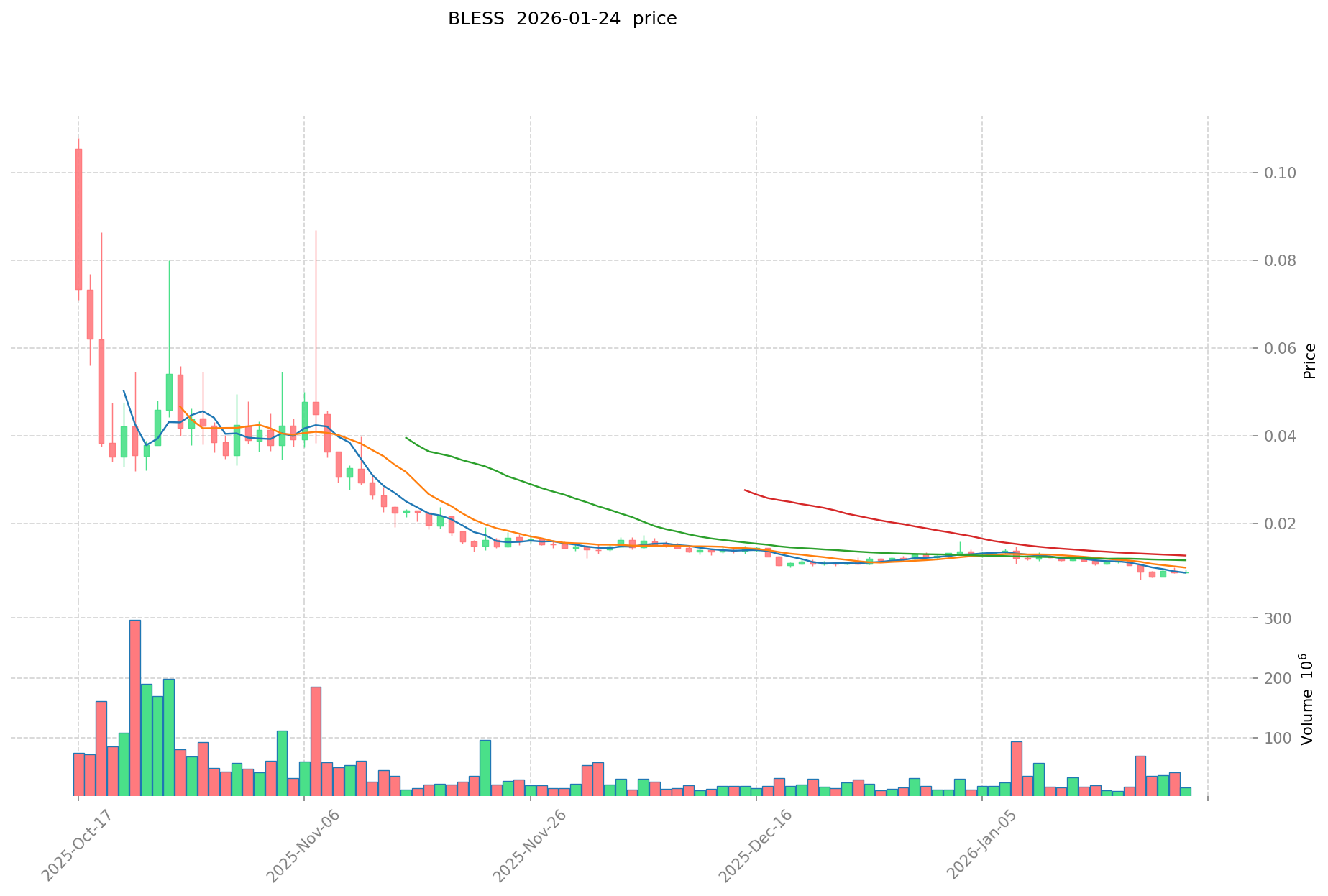
BLESS Historical Price Evolution Trajectory
- October 2025: BLESS reached a notable price level of $0.2304, representing a significant milestone in its early trading period
- January 2026: The token experienced a decline to $0.00712, marking a substantial correction from previous levels
BLESS Current Market Situation
As of January 24, 2026, BLESS is trading at $0.008829, showing mixed short-term performance. The token has demonstrated a modest uptick of 0.61% over the past hour, suggesting some immediate buying interest. However, the 24-hour period reflects a slight decline of 0.39%, with the price fluctuating between $0.008596 and $0.00939.
Looking at broader timeframes, BLESS has faced considerable headwinds. The 7-day performance shows a decline of 20.45%, while the 30-day period reflects an 18.94% decrease. The yearly performance indicates a decline of 37.099%, illustrating the challenges the token has encountered since its early trading activity.
The current market capitalization stands at approximately $16.26 million, with a circulating supply of 1,841,666,667 tokens out of a maximum supply of 10 billion tokens. This represents a circulation ratio of 18.42%. The 24-hour trading volume is recorded at $159,254.95, indicating moderate trading activity. The fully diluted valuation is calculated at $88.29 million, with the market cap to FDV ratio at 18.42%.
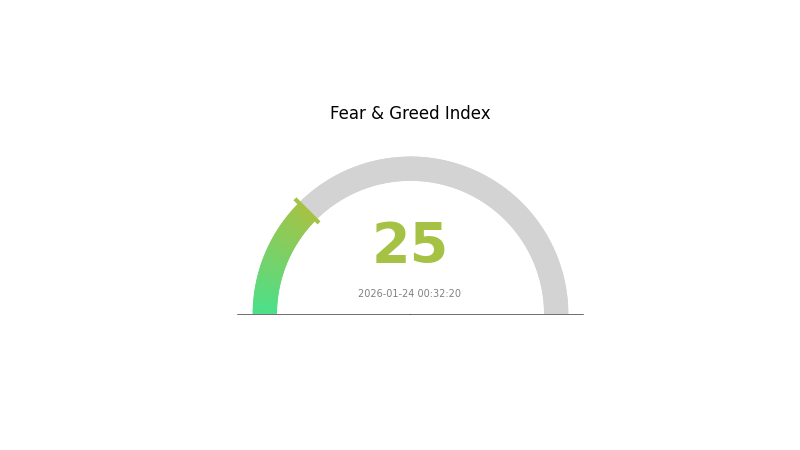
BLESS maintains a market dominance of 0.0027% and is currently listed on 18 exchanges. The token has 5,437 holders and operates on the BSC network using the BEP-20 standard. The current market sentiment indicator shows a value of 25 on the fear and greed index, suggesting extreme fear conditions in the broader cryptocurrency market.
Click to view the current BLESS market price
BLESS Market Sentiment Index
2026-01-24 Fear & Greed Index: 25 (Extreme Fear)
Click to view current Fear & Greed Index
The cryptocurrency market is experiencing extreme fear, with the index plummeting to 25. This severe sentiment indicates widespread panic and risk aversion among investors. Market participants are showing significant concern about potential downside risks, leading to defensive positioning and reduced trading activity. Such extreme fear levels often create contrarian opportunities, as markets tend to overshoot both upside and downside. However, caution remains warranted until sentiment stabilizes and key support levels hold. Investors should carefully assess their risk tolerance and portfolio positioning during this volatile period.
BLESS 持仓分布
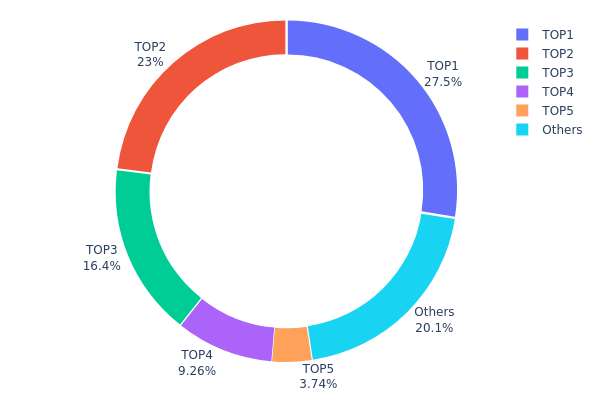
The address holding distribution chart reflects the concentration of token ownership across different wallet addresses, serving as a critical indicator of market structure and decentralization levels. By analyzing the distribution pattern of BLESS tokens among top holders and smaller participants, we can assess potential risks related to price manipulation and evaluate the overall health of the token's ecosystem.
Based on the current data, BLESS exhibits a highly concentrated holding pattern. The top five addresses collectively control 79.88% of the total supply, with the largest holder alone accounting for 27.52%. The top three addresses hold nearly two-thirds (66.88%) of all tokens, indicating a significantly centralized distribution structure. This concentration level substantially exceeds the typical threshold for healthy token distribution, where ideally no single entity or small group should control more than 50% of the circulating supply.
Such extreme concentration poses multiple market risks. Price volatility could be magnified during large-scale selling events, as movements by major holders can trigger cascading liquidations and panic selling among smaller participants. The concentrated structure also increases susceptibility to market manipulation, where coordinated actions by top holders could artificially influence price discovery. Additionally, this distribution pattern may deter institutional investors who typically seek projects with more balanced token economics and reduced counterparty risk. The remaining 20.12% held by other addresses suggests limited broad-based community participation, which could constrain organic demand growth and ecosystem development in the long term.
Click to view current BLESS Holding Distribution
| Top |
Address |
Holding Qty |
Holding (%) |
| 1 |
0x0d07...b492fe |
88022.62K |
27.52% |
| 2 |
0x73d8...4946db |
73472.69K |
22.97% |
| 3 |
0x070f...73f5f0 |
52408.00K |
16.39% |
| 4 |
0x4998...ecc9db |
29620.36K |
9.26% |
| 5 |
0x2e8f...725e64 |
11967.72K |
3.74% |
| - |
Others |
64250.93K |
20.12% |
II. Core Factors Influencing BLESS's Future Price
Based on the available information, there is currently insufficient data to provide a comprehensive analysis of the core factors that may influence BLESS's future price. The key areas that would typically be analyzed include supply mechanisms, institutional and whale dynamics, macroeconomic environment, and technological development. However, the reference materials provided do not contain specific information about BLESS's tokenomics, institutional adoption, technical roadmap, or ecosystem development.
For investors interested in BLESS, it is recommended to monitor official project announcements, blockchain data regarding token distribution and holder concentration, as well as broader cryptocurrency market trends that may indirectly affect the asset's valuation. As with any cryptocurrency investment, conducting thorough due diligence and understanding the inherent risks is essential before making investment decisions.
III. 2026-2031 BLESS Price Forecast
2026 Outlook
- Conservative forecast: $0.00792 - $0.0089
- Neutral forecast: $0.0089
- Optimistic forecast: $0.0097 (requires favorable market conditions and increased adoption)
2027-2029 Outlook
- Market stage expectation: The token may experience gradual growth as the project develops its ecosystem and expands its user base during this mid-term period.
- Price range forecast:
- 2027: $0.00567 - $0.01106
- 2028: $0.00611 - $0.01252
- 2029: $0.0101 - $0.01476
- Key catalysts: Project development milestones, potential partnerships, broader cryptocurrency market trends, and increasing community engagement could serve as primary drivers for price movement.
2030-2031 Long-term Outlook
- Baseline scenario: $0.0124 - $0.01514 (assuming steady project development and stable market conditions)
- Optimistic scenario: $0.01227 - $0.01748 (assuming successful ecosystem expansion and favorable regulatory environment)
- Transformative scenario: Potential to reach upper price ranges if the project achieves significant technological breakthroughs and widespread adoption across multiple platforms
- 2026-01-24: BLESS shows potential for gradual appreciation over the forecast period, with projected compound growth
| Year |
Predicted High Price |
Predicted Average Price |
Predicted Low Price |
Price Change |
| 2026 |
0.0097 |
0.0089 |
0.00792 |
0 |
| 2027 |
0.01106 |
0.0093 |
0.00567 |
5 |
| 2028 |
0.01252 |
0.01018 |
0.00611 |
15 |
| 2029 |
0.01476 |
0.01135 |
0.0101 |
28 |
| 2030 |
0.01514 |
0.01305 |
0.0124 |
47 |
| 2031 |
0.01748 |
0.0141 |
0.01227 |
59 |
IV. BLESS Professional Investment Strategy & Risk Management
BLESS Investment Methodology
(1) Long-term Holding Strategy
- Target Audience: Investors with moderate to high risk tolerance who believe in decentralized edge computing development
- Operational Recommendations:
- Consider dollar-cost averaging (DCA) to accumulate positions gradually, avoiding concentration at single price points
- Set reasonable holding periods of 6-12 months to allow the edge computing network to mature
- Store assets in secure wallets like Gate Web3 Wallet for enhanced security
(2) Active Trading Strategy
- Technical Analysis Tools:
- Moving Averages (MA): Monitor 20-day and 50-day MA crossovers to identify potential trend reversals
- Relative Strength Index (RSI): Use RSI levels to identify oversold conditions (below 30) or overbought zones (above 70)
- Swing Trading Essentials:
- Given the 24-hour trading volume of approximately $159,254, be mindful of liquidity constraints during large trades
- Monitor the 24-hour range between $0.008596 and $0.00939 to establish support and resistance levels
BLESS Risk Management Framework
(1) Asset Allocation Principles
- Conservative Investors: 1-3% of crypto portfolio
- Aggressive Investors: 5-8% of crypto portfolio
- Professional Investors: 8-12% of crypto portfolio with active monitoring
(2) Risk Hedging Solutions
- Portfolio Diversification: Balance BLESS holdings with established cryptocurrencies and stablecoins
- Stop-loss Implementation: Set stop-loss orders at 15-20% below entry price to limit downside exposure
(3) Secure Storage Solutions
- Hot Wallet Recommendation: Gate Web3 Wallet for convenient trading and staking access
- Cold Storage Option: Consider hardware wallet solutions for long-term holdings exceeding $10,000
- Security Precautions: Enable two-factor authentication, never share private keys, and regularly verify contract address (0x7c8217517ed4711fe2deccdfeffe8d906b9ae11f on BSC)
V. BLESS Potential Risks & Challenges
BLESS Market Risks
- Price Volatility: BLESS has experienced significant fluctuations with a 7-day decline of 20.45% and 30-day decline of 18.94%, indicating high volatility
- Liquidity Risk: With a 24-hour trading volume of approximately $159,254, liquidity may be limited during large transactions
- Market Capitalization: At $16.26 million market cap with only 18.42% of total supply in circulation, the token faces potential dilution pressure
BLESS Regulatory Risks
- Edge Computing Classification: Regulatory frameworks for decentralized computing networks remain undefined in many jurisdictions
- Compliance Evolution: Changes in cryptocurrency regulations could impact BLESS trading availability and legal status
- Tax Treatment: Unclear tax implications for edge computing rewards and token transactions in various regions
BLESS Technical Risks
- Network Development Risk: As a decentralized edge computing network, successful deployment and adoption of infrastructure are critical uncertainties
- Competition Risk: The edge computing and AI infrastructure space faces competition from both centralized providers and other decentralized solutions
- Smart Contract Risk: Being a BEP-20 token on BSC, BLESS is subject to potential smart contract vulnerabilities or network-level issues
VI. Conclusion & Action Recommendations
BLESS Investment Value Assessment
BLESS presents an interesting opportunity in the decentralized edge computing sector, particularly for AI and machine learning applications. However, the current market performance shows concerning trends with a 20.45% decline over 7 days and trading near its all-time low of $0.00712. The relatively low circulating supply of 18.42% and small market capitalization of $16.26 million suggest the project is still in early stages. While the edge computing narrative aligns with growing AI infrastructure demand, investors should carefully weigh the substantial volatility and execution risks against potential long-term growth.
BLESS Investment Recommendations
✅ Beginners: Limit exposure to 1-2% of total crypto portfolio; focus on understanding the edge computing sector before investing
✅ Experienced Investors: Consider allocating 3-5% with active monitoring of development milestones; implement strict stop-loss orders
✅ Institutional Investors: Conduct thorough due diligence on network adoption metrics and competitive positioning; consider pilot positions with phased entry
BLESS Trading Participation Methods
- Spot Trading: Purchase BLESS on Gate.com and other exchanges with BEP-20 support
- DCA Strategy: Implement dollar-cost averaging to smooth out entry prices given current volatility
- Secure Storage: Transfer holdings to Gate Web3 Wallet or compatible BEP-20 wallets for long-term storage
Cryptocurrency investment carries extremely high risks, and this article does not constitute investment advice. Investors should make cautious decisions based on their own risk tolerance and are advised to consult professional financial advisors. Never invest more than you can afford to lose.
FAQ
What is the BLESS token price prediction for 2024?
Based on market analysis, BLESS demonstrated strong growth potential through 2024. Analysts projected prices ranging from $0.50 to $2.00, driven by increasing adoption, ecosystem expansion, and positive market sentiment. Actual performance varied based on broader crypto market conditions and project milestones.
What are the main factors affecting BLESS price?
BLESS price is primarily influenced by market demand, trading volume, project developments, community sentiment, broader crypto market trends, tokenomics changes, and regulatory news affecting the Web3 sector.
What is the historical price trend of BLESS tokens?
BLESS tokens have experienced volatile price movements since launch. Early trading showed significant growth momentum, with prices fluctuating based on market demand and ecosystem developments. Recent trends indicate stabilization as the project matures, with trading volume increasing substantially during major announcements and network upgrades.
What are the advantages of BLESS compared to other cryptocurrencies?
BLESS offers innovative tokenomics with deflationary mechanisms, strong community governance, and unique utility within its ecosystem. It features low transaction fees, fast processing speeds, and sustainable long-term value proposition compared to traditional cryptocurrencies.
What are the risks of investing in BLESS tokens?
BLESS token investments carry market volatility risks, liquidity fluctuations, regulatory uncertainties in crypto markets, and project execution risks. Investors should conduct thorough research and only invest what they can afford to lose.
What are the technical foundation and application scenarios of BLESS token?
BLESS token operates on blockchain infrastructure enabling decentralized applications. Its primary use cases include governance participation, community rewards, and ecosystem incentives. The token facilitates smart contract interactions within its network, supporting DeFi protocols and digital asset management solutions.
How to analyze the long-term investment value of BLESS tokens?
Analyze BLESS by examining tokenomics, community growth, transaction volume, development roadmap, and real-world utility adoption. Assess market demand, competitive positioning, and ecosystem expansion. Strong fundamentals and increasing adoption typically drive long-term value appreciation.
* The information is not intended to be and does not constitute financial advice or any other recommendation of any sort offered or endorsed by Gate.