Discover trusted cryptocurrency wallets for securely storing Bitcoin. This complete guide covers wallet selection, cold storage solutions, and access recovery for new investors. Explore expert recommendations and strategies to safeguard your digital assets on Gate.
Major Transaction Details
A Bitcoin wallet created in 2016 that had remained inactive for years transferred 216.95 BTC. At the time of the transaction, the transferred assets were valued at $22.47 million. The transaction was recorded and confirmed in block 922580 of the Bitcoin blockchain.
The funds were sent to a newly created, previously unused P2SH (Pay-to-Script-Hash) address. This modern address format enables complex spending conditions and advanced asset management capabilities. As of publication, the identity of the new address owner has not been determined.
Wallet History and Holding Period
The original address began holding Bitcoin on July 5, 2016. From that date to the transaction, the wallet remained inactive for 3,412 consecutive days. Throughout this period, the wallet showed no outgoing transactions, which aligns with a long-term cryptocurrency holding strategy.
Extended inactivity often results from strategic long-term investment, lost access followed by recovery, or intentionally holding assets until market conditions become favorable.
Market Context of the Transaction
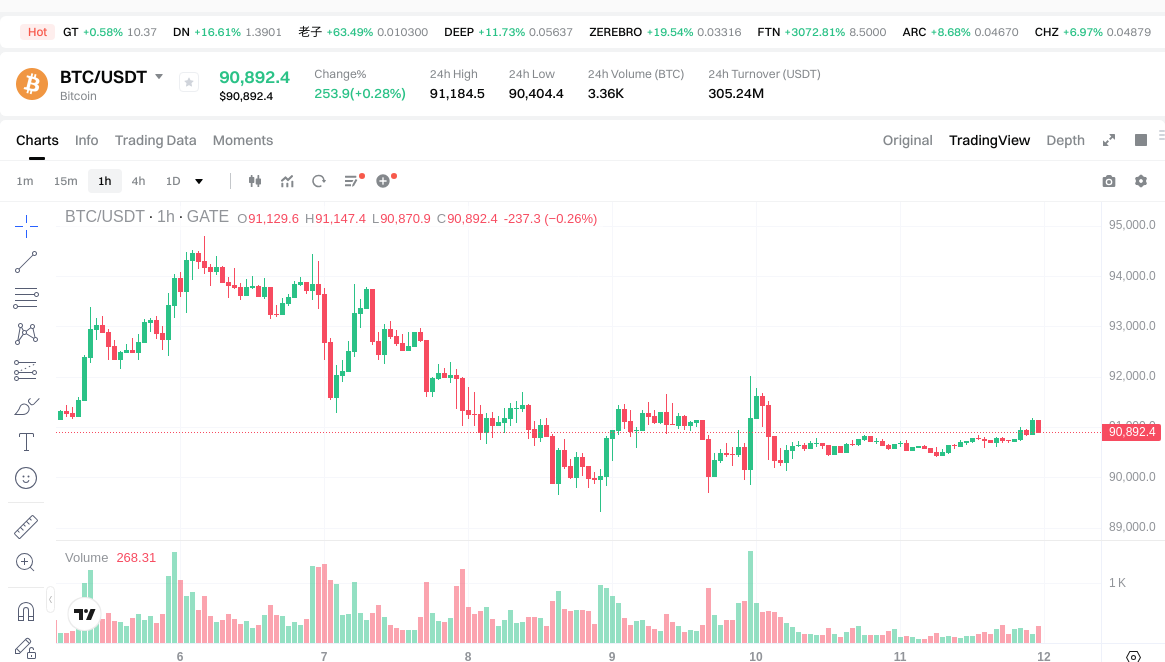
The wallet became active during a bullish market environment. On the transaction date, Bitcoin reached an intraday high of $104,044 per coin, marking one of the cryptocurrency’s historic price peaks.
For perspective: in July 2016, when the Bitcoin was deposited, its price was much lower. The wallet owner thus realized significant capital gains through long-term holding.
Technical Information on the Transfer
The transaction was processed using standard Bitcoin network protocols. Sending funds to a P2SH address reflects modern practices in crypto asset management. This format supports the use of multi-signature schemes and other advanced scenarios for fund control.
Confirmation in block 922580 means the transaction was successfully added to the blockchain and received the required network confirmations. Once recorded, the transaction is irreversible and permanently logged in Bitcoin’s distributed ledger.
Significance for the Cryptocurrency Market
The reactivation of long-dormant wallets is closely watched by market analysts. Such events may signal profit-taking by long-term holders, shifts in investment strategies, or technical asset consolidation.
Large transfers from historic addresses often attract market attention, as they can influence short-term price action and investor sentiment. In this case, the transaction of over $22 million represents a major capital movement within the Bitcoin ecosystem.
FAQ
What is an inactive Bitcoin wallet, and why do long-dormant wallets suddenly move large sums?
An inactive wallet is one that has gone unused for years. Suddenly transferring large amounts typically reflects the owner’s decision to realize assets, which can spark market anxiety over a potential sell-off.
What does transferring funds from a dormant Bitcoin wallet created in 2016 mean, and how does it impact Bitcoin’s price?
Reactivating ancient wallets signals sustained investor interest and may indicate confidence in Bitcoin’s future growth. Such moves often amplify positive price momentum and reinforce institutional demand for Bitcoin over the long term.
How do you track and identify large Bitcoin transfers on the blockchain, and determine their destination?
Blockchain explorers let you monitor major Bitcoin transactions in real time. Large transfers typically go to addresses held by big investors, custodians, or institutions. Watching network activity helps pinpoint fund flows and market trends.
What does activation of a long-dormant Bitcoin wallet usually mean, and are there security or market risks?
Reactivating a dormant wallet signals intent by a major holder and can cause market volatility due to a potential increase in supply. However, it does not indicate security risks if private keys remain protected.
Why do early Bitcoin holders leave wallets inactive for years, and why are they transferring funds now?
Early Bitcoin holders typically left assets untouched for years as part of a long-term holding strategy. They may now be moving funds to realize profits or invest in new opportunities amid favorable market conditions.
* The information is not intended to be and does not constitute financial advice or any other recommendation of any sort offered or endorsed by Gate.