This article explores the swift growth of Bitcoin adoption across the Midwestern United States. It examines methods for mitigating inflation risks, the implications of the Bitcoin Freedom Act, and how grassroots initiatives are driving financial empowerment. The piece also investigates investment trends at platforms like Gate and provides an in-depth analysis of blockchain technology’s practical implementation and its effects on the region’s economy.
Background of Bitcoin Adoption in Rural America
Interest in Bitcoin has risen sharply in recent years among rural communities, particularly throughout the Midwest. Persistent inflation and growing skepticism toward traditional financial systems have fueled this movement. Matt Moore, a Bitcoin radio host based in Oklahoma, points out that small towns are starting to recognize Bitcoin as an effective hedge against inflation.
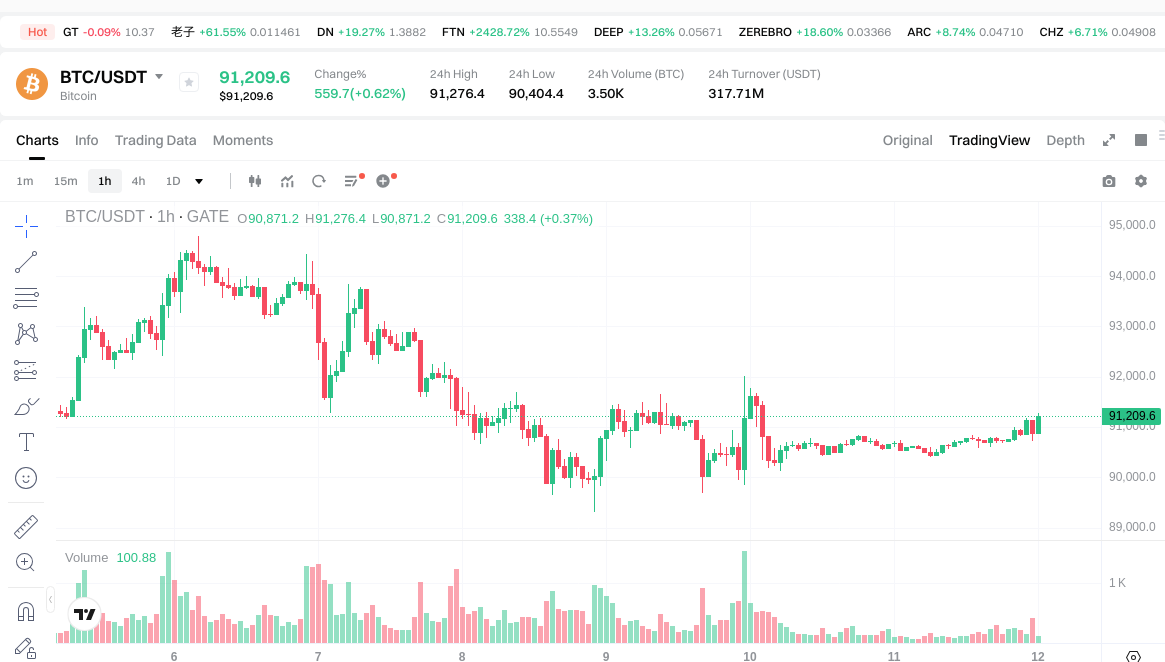
Historically, Bitcoin was traded mostly by urban tech enthusiasts and investors. Now, its reach is expanding to everyday residents in rural areas. Many people are searching for alternative stores of value as they feel the impact of inflation eroding their purchasing power. This trend is especially pronounced in the Midwest’s agricultural regions and areas with a high concentration of small businesses, where concern over the dollar’s declining value has led to greater interest in decentralized digital assets like Bitcoin.
The Bitcoin Freedom Act and Grassroots Movement Expansion
Legislative initiatives such as the Bitcoin Freedom Act are helping to drive Bitcoin adoption in rural areas. This bill aims to position Bitcoin as a sound currency and promote its use. Measures include establishing legal frameworks for Bitcoin payments and offering tax incentives.
In addition to policy support, grassroots educational efforts are thriving. Local radio shows, workshops at community centers, and online forums are spreading awareness about Bitcoin’s fundamentals and advantages. Advocates like Matt Moore stress that Bitcoin is more than a speculative asset—it’s a practical financial tool. Their efforts continue to deepen local understanding and acceptance.
Unlike top-down financial reforms, this grassroots movement is driven by the community itself, allowing Bitcoin to take root according to local needs. More small retailers are accepting Bitcoin payments, and local savings groups are incorporating Bitcoin into their asset portfolios.
From Elite Asset to Local Financial Empowerment Tool
Changing perceptions of Bitcoin are revealing its true potential. Once considered an asset for affluent individuals and tech elites, Bitcoin is now gaining traction as a means of financial empowerment in rural communities.
For rural residents, Bitcoin offers several practical benefits. It helps protect assets from the effects of inflation. Unlike fiat currency issued by central banks, Bitcoin’s supply is capped, which reduces the risk of excessive inflation. For those without bank accounts or with limited access to banking services, Bitcoin can also serve as a vehicle for financial inclusion.
Furthermore, using Bitcoin in local economies can help boost economic circulation within the community. When local businesses transact with Bitcoin, dependence on outside financial institutions decreases, strengthening economic self-sufficiency.
Future Outlook and Challenges
The growing support for Bitcoin in the Midwest could be a decisive turning point for digital currency. Success stories in rural communities may accelerate similar trends elsewhere. Policy measures like the Bitcoin Freedom Act, combined with grassroots education, are paving the way for mainstream adoption of Bitcoin.
Nonetheless, challenges remain. Bitcoin’s price volatility still raises concerns about its reliability as an everyday payment method. There is also a need for better technical literacy and widespread adoption of security practices. Despite these hurdles, ongoing inflationary pressures are likely to sustain strong interest in Bitcoin among rural communities.
This movement demonstrates that Bitcoin is gaining recognition as a tool for financial freedom and stability in everyday life, not just as an investment vehicle. The transformation beginning in rural areas has the potential to lead to a nationwide restructuring of the financial system.
FAQ
Why is Bitcoin gaining attention amid inflation concerns?
Bitcoin is drawing interest as a means of preserving value—often referred to as digital gold. During periods of inflation, Bitcoin maintains value due to its scarcity. The four-year halving cycle also limits supply and supports price increases, making it a popular option for asset protection.
Is Bitcoin an effective hedge against inflation?
Yes, Bitcoin is an effective hedge against inflation. Its supply is capped at 21 million coins, protecting assets from currency devaluation. When inflation worries rise, demand for Bitcoin grows, which can lead to price appreciation.
What are the specific reasons for increased Bitcoin support in the American Midwest?
Bitcoin is seen as a store of value in response to inflation concerns. Grassroots initiatives such as the Bitcoin Freedom Act are broadening support, and momentum for Bitcoin adoption is growing in local economies.
How does the Midwest’s economic situation relate to Bitcoin adoption?
Inflation concerns in the Midwest have prompted people to view Bitcoin as a store of value. Small businesses are adopting Bitcoin as a hedge against inflation, working to stabilize their local economies.
What risks are involved in investing in Bitcoin?
Bitcoin investment risks include sharp price volatility, tax liabilities (up to 55%), transfer mistakes, regulatory uncertainty, and exposure to fraud or theft. Careful research and prudent judgment are essential.
Does Bitcoin’s value rise during periods of currency inflation?
Yes, Bitcoin’s value tends to rise during inflationary periods. Because its supply is fixed, Bitcoin serves as a hedge against inflation, and its relative value increases as fiat currencies depreciate.
* The information is not intended to be and does not constitute financial advice or any other recommendation of any sort offered or endorsed by Gate.