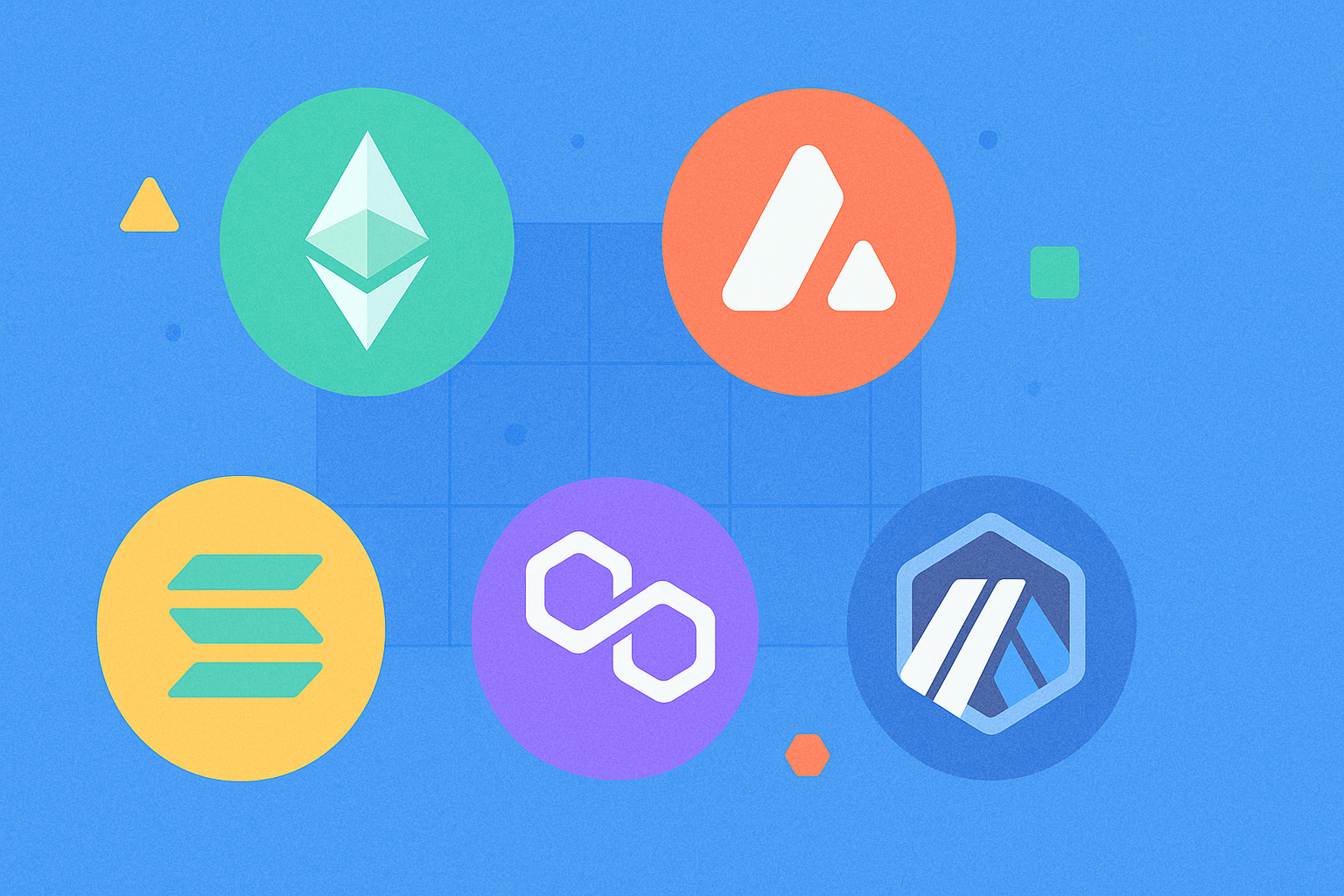
A complete guide for those new to altcoins. This resource covers the key distinctions from Bitcoin, five primary types, future prospects, investment risks, and how to select top coins. You'll also find step-by-step instructions for getting started safely on exchanges such as Gate. Includes the most up-to-date information for 2024.
What Are Altcoins?
Altcoins are a collective term for all cryptocurrencies other than Bitcoin. Like Bitcoin, they are built on blockchain technology, but each altcoin offers its own unique features and functionalities. Many altcoins, including Ethereum, serve as blockchain platforms that enable the execution of smart contracts, allowing predefined actions to be carried out automatically when specific conditions are met. By leveraging blockchain’s decentralization and immutability, altcoins facilitate highly reliable transactions without third-party intermediaries.
Compared to Bitcoin, altcoins tend to show greater price volatility and generally have lower prices per asset, making them more accessible for small-scale and diversified investments. However, some altcoins have lower liquidity and reliability than Bitcoin and may involve risks such as scams or hacking, so a cautious investment approach is critical. It’s essential to evaluate factors such as the project’s development team, technical features, and the level of community engagement when considering an investment.
Future Potential of Altcoins
The future of altcoins can be examined from three primary perspectives.
Potential ①: Scalability Improvements
Bitcoin has long faced scalability issues due to transaction processing speeds and block size limits. As network usage increases, transactions take longer to confirm and fees can rise sharply.
Many altcoins are introducing innovations that deliver faster processing speeds and larger block sizes than Bitcoin, fueling optimism about enhanced scalability. Approaches such as layer-2 scaling solutions and sharding—which splits the network into smaller segments for parallel processing—are addressing these challenges. These advancements are expected to drive significant progress across the Web3 sector.
Potential ②: Smart Contract Applications
Some altcoins utilize smart contracts to enable automated transactions and contract execution. The adoption of smart contracts is driving more efficient transactions and new business models, with applications rapidly expanding in DeFi (decentralized finance), NFTs (non-fungible tokens), and tokenization of real-world assets (RWA). These technologies may address social challenges that traditional finance struggles to solve, fueling high expectations for their future impact.
According to Ark Invest, the decentralized finance market built on smart contracts could reach a multi-trillion dollar scale in the coming years. Its annual "Big Ideas 2024" report forecasts that smart contracts could generate more than $450 billion in annual fees by 2030, and platforms may exceed $5 trillion in market value. This estimate highlights the significant economic impact of smart contract technology.
Potential ③: Specialized Use Cases
Altcoins offer unique features and functions distinct from Bitcoin, driving specialized use in certain industries and applications and attracting attention for their value-creation potential.
For example, Ethereum supports smart contracts and is used for automatic settlement systems in finance and ownership management in real estate. Solana and Avalanche, known for fast processing and low transaction fees, are widely adopted in gaming, entertainment, and NFT marketplaces. As technology development and adoption continue, altcoins are expected to see expanded applications in healthcare, supply chain management, voting systems, and more. These innovations may fundamentally transform existing social systems and industry structures.
Types of Altcoins
Altcoins are grouped into several major categories based on their technical characteristics and use cases. Here are five representative types.
Type ①: Smart Contract Platforms
Smart contract platform altcoins are developed as platforms for executing smart contracts, enabling automation of contracts and transactions, as well as the development and operation of dApps (decentralized applications). These altcoins provide a blockchain environment for running program code, allowing developers to build a wide array of applications.
Smart contracts are expected to be applied in fields such as finance, real estate, and supply chain management. In finance, they enable transparent, automated contracts and settlements; in real estate, they automate ownership transfers and rental agreements. Leading smart contract platform coins include:
- ETH (Ethereum): The most widely used smart contract platform
- SOL (Solana): Known for high-speed processing and low costs
- AVAX (Avalanche): Offers high throughput and customization
Layer-2 altcoins are solutions built on top of established blockchains (layer-1), such as Bitcoin or Ethereum, primarily aimed at improving scalability. Scalability means the ability to handle increased users and transaction volume efficiently.
Bitcoin and Ethereum have technical limits on how many transactions they can process per unit of time, leading to higher fees during network congestion. Layer-2 technologies process transactions off the main chain and only write final results to layer-1, enabling faster and cheaper transactions. These solutions are attracting attention as effective responses to scalability issues. Notable layer-2 coins include:
- MATIC (Polygon): An Ethereum scaling solution
- TAIKO: A fully decentralized layer-2 protocol
- ARB (Arbitrum): Uses optimistic rollup technology
Type ③: Stablecoins
Stablecoins are cryptocurrencies designed to maintain price stability. Mainstream cryptocurrencies like Bitcoin and Ethereum are highly volatile, making them less suitable for everyday payments or business transactions. Stablecoins, by contrast, are pegged to fiat currencies (typically the US dollar) or assets like gold, ensuring stable value.
This stability has made stablecoins widely used for payments and value storage in crypto markets. In volatile crypto markets, stablecoins also serve as safe havens and are used for transferring funds between exchanges and for cross-border payments. Leading stablecoins include:
- USDT (Tether): The most traded stablecoin
- USDC (USD Coin): Focuses on regulatory compliance and transparency
- DAI: A stablecoin managed through a decentralized mechanism
Type ④: Privacy Coins
Privacy coins are cryptocurrencies that anonymize sender and recipient identities and transaction amounts, with the primary goal of protecting personal and financial privacy. On standard blockchains, transaction histories are public and can be traced if addresses are identified. Privacy coins use advanced cryptography to ensure transaction anonymity.
Privacy coins are favored by users who value privacy and entities conducting confidential transactions. However, concerns about their misuse for money laundering or illegal activities have led to regulatory scrutiny in some regions. Major privacy coins include:
- Monero (XMR): Utilizes advanced anonymization technology
- Dash (DASH): Combines privacy features with fast transactions
Type ⑤: Meme Coins
Meme coins are cryptocurrencies born from internet jokes or meme culture, created initially for entertainment rather than utility or technological innovation. However, thanks to social media buzz and celebrity endorsements, some meme coins have rapidly gained significant market value.
The most famous example is Dogecoin (DOGE), inspired by the Shiba Inu meme. Community support and viral spread have propelled it to the top ranks by market capitalization. Meme coin value is driven mainly by community enthusiasm and social media trends, so they are highly volatile and speculative, and investors should proceed with caution. Representative meme coins include:
- DOGE (Dogecoin): Known as the original meme coin
- SHIB (Shiba Inu): Launched as the "Dogecoin Killer"
- PEPE: A new coin themed around the frog meme character
Three Key Risks When Investing in Altcoins
Before investing in altcoins, carefully consider these three primary risk factors.
Risk ①: Price Volatility
Altcoins are generally less stable than major cryptocurrencies like Bitcoin and are subject to significant price swings. This volatility stems from smaller market sizes, frequent lack of transparency about project development or management, and a high degree of speculative trading.
For small-cap altcoins, even minor capital flows can trigger large price movements. Investors should assess their financial capacity, risk tolerance, and investment objectives carefully, and manage risk by diversifying across multiple coins rather than concentrating on a single asset.
Risk ②: Low Liquidity
Altcoins may have lower liquidity than leading cryptocurrencies like Bitcoin. Liquidity is a measure of how quickly an asset can be converted to cash or how actively it is traded. Many altcoins suffer from low trading volumes, which can make it hard to find buyers or sell at desired prices, increasing liquidity risk.
Large-cap altcoins tend to have less liquidity risk, but extra caution is needed with smaller, lesser-known coins. Tools like Bitcoin dominance (Bitcoin’s share of total crypto market capitalization) can help investors monitor market conditions on an ongoing basis.
Risk ③: Security Concerns
Altcoins may have lower security compared to well-established cryptocurrencies like Bitcoin. This may be due to smaller or less experienced development teams or vulnerabilities in smart contract code.
Hacks or software bugs can damage trust and trigger sharp price declines. There have been several instances where smart contract vulnerabilities led to significant losses. When investing in altcoins, review the project’s security audits, the development team’s track record, and the community’s reputation to fully consider security risks before investing.
FAQ
What Are Altcoins? How Do They Differ from Bitcoin?
Altcoins refer to all cryptocurrencies other than Bitcoin. While Bitcoin is primarily a store of value (digital gold), altcoins often focus on specific functions and use cases such as smart contracts or DeFi. They typically have smaller market caps and greater price volatility, bringing both higher potential returns and higher risks.
What Are the Main Types of Altcoins?
Major altcoins include Ethereum, Ripple, Litecoin, Chainlink, and ADA. Categories such as stablecoins, DeFi tokens, and meme coins each feature distinct functions and use cases.
What Is the Outlook for Altcoins? Are They Worth Investing In?
Altcoins have substantial growth potential and a promising outlook. As blockchain adoption widens, many projects are reaching practical deployment, supporting their investment appeal. The market is expected to expand further.
What Are the Risks and Considerations When Investing in Altcoins?
Investing in altcoins carries risks like major price declines and unrecoverable losses, high taxes, and exposure to scams or hacking. Understand these risks thoroughly and invest cautiously within your risk tolerance.
What Should You Look For When Choosing Promising Altcoins?
Key factors include market capitalization, the development team’s track record, technological innovation, community size, and practical utility. Altcoins that meet these criteria have greater growth prospects.
How Is the Altcoin Market Expected to Evolve After 2024?
The altcoin market is set to see greater institutional investor participation, with capital flowing into staking tokens and a wave of ETF approvals. However, Bitcoin’s dominance is likely to persist, leading to selective and localized surges within the market.
* The information is not intended to be and does not constitute financial advice or any other recommendation of any sort offered or endorsed by Gate.