Regulatory analysis of Bitcoin ETFs by Alejandro Dizon. Examine regulatory challenges, spot Bitcoin options in the US, compliance considerations, and the effects on the cryptocurrency market, featuring expert insights.
Approval of Bitcoin Spot ETF Options in the US May Cause 'Regulatory Headaches'
Regulatory approval for options on new Bitcoin spot ETFs in the US could take months, "potentially reducing the appeal of the underlying products," Reuters reported, citing multiple industry sources. This delay poses a significant challenge for the cryptocurrency market and may hinder the broad adoption of these innovative financial products.
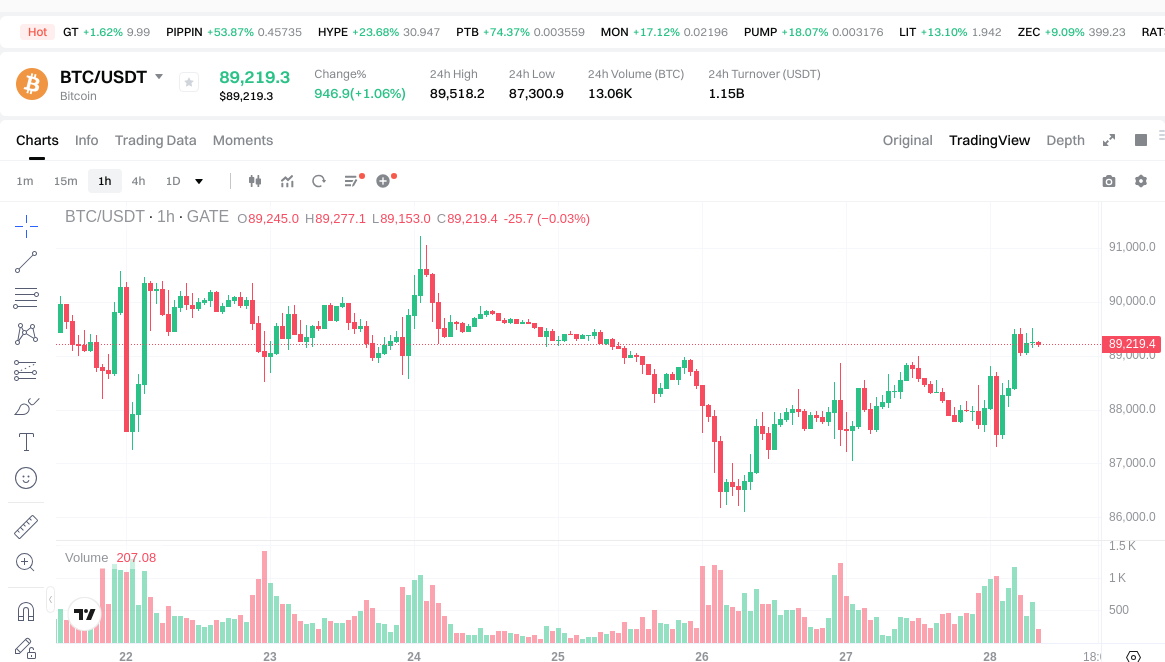
Sources explained that Bitcoin ETF options are delayed because there is no established regulatory process for their approval. This creates a regulatory gray area, complicating market development. Typically, the US Securities and Exchange Commission (SEC) approves such options just days after an ETF launches. However, the challenge arises because regulators classify Bitcoin as a commodity, so Bitcoin spot ETF options may also need approval from the Commodity Futures Trading Commission (CFTC).
As a result, products tied to Bitcoin spot ETFs can raise questions about regulatory jurisdiction and oversight, creating a complex impasse. Martin Leinweber, digital asset product strategist at MarketVector Indexes—which provides the benchmark for VanEck’s Bitcoin spot ETF—noted: "This dual regulatory engagement adds complexity and the potential for what some might call regulatory headaches."
Leinweber suggested approvals may take 2 to 10 months, a window that could be critical for market growth. During this period, analysts believe major investors could channel up to $100 billion into ETFs. However, without options, these investors face risk management challenges. Options are vital tools for hedging and advanced investment strategies.
Yesha Yadav, law professor at Vanderbilt University, said some large investors may "stay out entirely" without access to these risk management tools. The delay also prevents the industry from launching more innovative products, restricting the growth and evolution of the crypto sector.
"Markets are eager to move in this direction, but regulators remain the gatekeepers," commented John Roglieri, head of capital markets at ETF market maker FalconX. The ongoing tension between innovation and regulation remains a central theme in the crypto market’s development.
Animoca Brands, Delphi Ventures, Amber Group, and Other Major Investors Back Pixelmon
In recent crypto headlines, Pixelmon—a decentralized web3 gaming IP—raised $8 million in seed funding. The company will use the capital to expand its unique portfolio of casual and mid-core games, furthering its reach in the blockchain gaming industry.
According to a press release shared with Cryptonews, the round featured prominent investors including Animoca Brands, Delphi Ventures, Amber Group, Bing Ventures, Bitscale Capital, Cypher Capital, Foresight Ventures, Mechanism Capital, Sfermion, Spartan Labs, VistaLabs, and others. This diverse investor base underscores the market’s confidence in Pixelmon’s potential.
The round also attracted a broad network of founders, angel investors, key opinion leaders, and ecosystem partners. Notable participants include Ray Chan (founder of 9GAG Inc.), Kun Gao (founder of Crunchyroll), Robbie Ferguson (co-founder of Immutable), Gabby Dizon (co-founder of Yield Guild Games), as well as founders from crypto trading platforms and web3 consulting firms. This strategic support network positions Pixelmon for significant expansion.
This funding follows the successful launch of Kevin the Adventurer, Pixelmon’s first hypercasual game. Launched on Base—Coinbase’s native Layer 2—the side-scroller recorded 36,000 active players and 10,100 hours played in its first month, reflecting strong community engagement.
A second hypercasual title, PixelPals, which features pet and habitat management alongside collectible card mechanics, is set to launch on Mantle. The team is also focused on major updates for Pixelmon’s core IP, including a rebuilt free desktop title, Arena, new Pixelmon abilities, and enhanced game loops.
Additionally, Hunting Grounds, an open-world adventure game with RPG features and PvP autobattler tournaments, is scheduled for open beta and a full launch. Pixelmon plans to expand its decentralized IP through new verticals—franchises, sublicensing, and joint ventures—encompassing merchandise, collectible card games, animated series, comics, and more, creating a comprehensive entertainment ecosystem.
BlackRock Multiplies Bitcoin Mining Holdings Tenfold: From $76M to $775M
BlackRock, the world’s largest asset manager, "has not only met client demand for its Bitcoin spot ETF but has also accumulated mining equities," according to the Miner Weekly report from BlocksBridge Consulting. This strategic move highlights the institution’s confidence in the crypto mining sector.
BlackRock’s investment arms had previously increased stakes in Marathon and Riot. This ongoing accumulation signals a long-term strategy in the Bitcoin mining space.
Recent SEC filings show BlackRock subsidiaries purchased even more CleanSpark shares, significantly boosting their sector exposure. The company raised its holdings in Riot, Marathon, and CleanSpark by 36%, 100%, and 205%, respectively, according to the report. These numbers underscore growing institutional commitment to Bitcoin mining.
This expansion partly fueled the rally in Bitcoin mining stocks, creating a positive feedback loop. BlackRock’s total holdings in these three mining companies reached $775 million by the period’s end—a substantial increase from $76 million the prior year, representing more than a tenfold gain.
The report also notes a trend of capital dilution among mining companies. This strategy "financed growth and capital expenditures as the industry learned from past over-leveraging during prior bull markets." This more conservative approach signals a maturing sector and prudent financial management—crucial for the long-term sustainability of mining operations.
FAQ
A Bitcoin spot ETF lets investors buy and sell funds that directly track Bitcoin’s price. Unlike a futures ETF—which uses futures contracts—a spot ETF holds physical Bitcoin, offering more direct and transparent exposure to the asset.
What Impact Will the Bitcoin Spot ETF Have on the Crypto Market?
The Bitcoin spot ETF will boost adoption and credibility in the crypto market, attract more traditional investors, and improve regulatory transparency—driving overall industry growth.
What Are the Specific 'Regulatory Challenges' Facing US Bitcoin ETFs?
US regulators face three main obstacles with Bitcoin ETFs: balancing market manipulation and fraud prevention with investor protection and innovation; a fragmented regulatory framework with overlapping authority by agencies like the SEC that can create gaps or redundancies; and the challenge of managing Bitcoin’s volatility and the lack of intrinsic value, which introduces risk to the financial system.
After Bitcoin Spot ETF Approval, How Can Retail Investors Buy Bitcoin?
Open a brokerage account, choose a Bitcoin spot ETF, and purchase shares just like you would any stock. The ETF tracks Bitcoin’s price and provides a straightforward way to invest—no need to manage complex digital wallets.
Will Approving the Bitcoin Spot ETF Increase Bitcoin’s Price?
Approval of the Bitcoin spot ETF will likely lift market confidence and drive prices higher. Historical trends show similar events often lead to price appreciation. Experts view this as a positive signal for Bitcoin’s value.
What Are the Main Risks and Regulatory Challenges for Bitcoin Spot ETFs?
Bitcoin spot ETFs face ongoing regulatory uncertainty and lack a clear framework to protect investors. Risks such as fraud, manipulation, and asset loss persist. Regulatory policies are not yet fully established in the markets.
* The information is not intended to be and does not constitute financial advice or any other recommendation of any sort offered or endorsed by Gate.