This article examines Arthur Hayes' macroeconomic thesis for a sustained cryptocurrency bull market driven by global monetary expansion and credit creation. The analysis reveals how central banks and governments adopting expansionary fiscal policies create ideal conditions for alternative assets like Bitcoin and Ethereum to appreciate as investors hedge against currency debasement. Hayes argues that Bitcoin halving events have diminished in significance, with broader liquidity conditions now playing the decisive role in market movements. The cryptocurrency bull market is projected to extend through 2027-2028, offering a multi-year opportunity window distinct from previous volatile cycles. Despite inherent market unpredictability and leverage risks, Hayes maintains fundamental optimism on Bitcoin's long-term prospects, supported by institutional adoption and cryptocurrency's growing recognition as a store of value asset. This framework applies to investors on Gate seeking to understand macroeconomic drivers of
Global Money Printing as the Primary Market Driver
Arthur Hayes, co-founder of a major cryptocurrency derivatives platform, has outlined a compelling thesis for sustained growth in the cryptocurrency market through the late 2020s. In a recent interview, Hayes emphasized that the fundamental catalyst for this projected bull market is the unprecedented scale of global monetary expansion and credit creation.
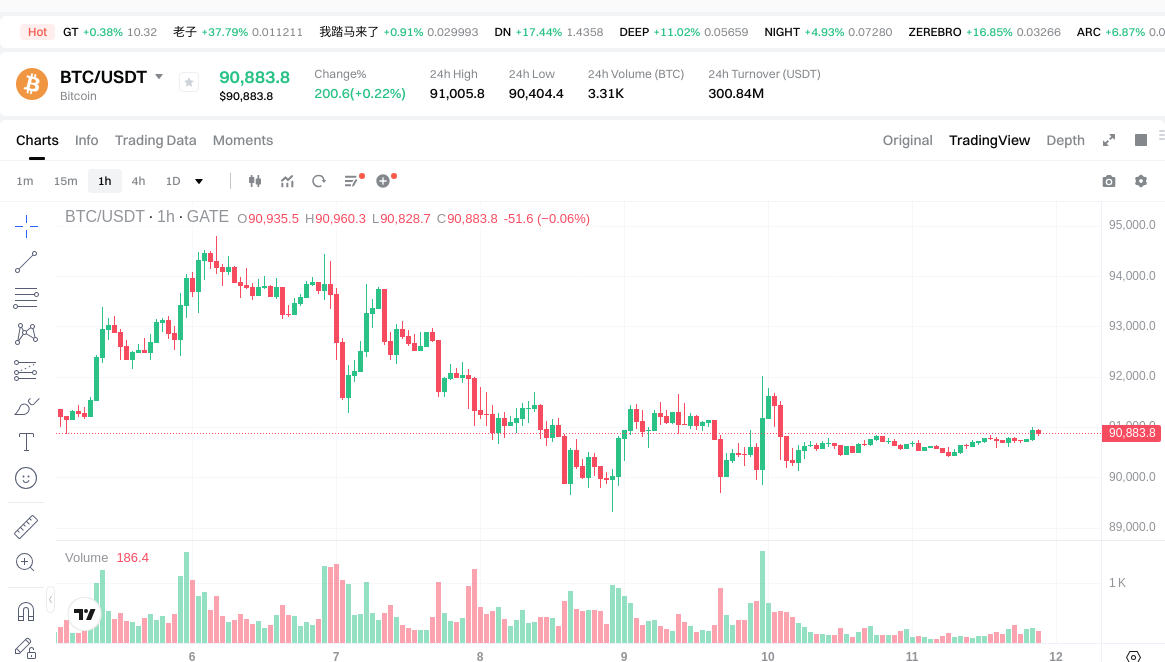 He observed that political leaders across major economies are increasingly adopting "spend without taxation" fiscal policies, which inevitably leads to expanded money supply and increased liquidity in financial markets. This monetary environment creates ideal conditions for alternative assets like cryptocurrencies to appreciate in value, as investors seek hedges against currency debasement and inflation.
The Diminishing Impact of Bitcoin Halving Events
A particularly noteworthy aspect of Hayes' analysis is his assessment that Bitcoin halving events are losing their historical significance as primary market drivers. While previous halving cycles in 2012, 2016, and 2020 were followed by substantial bull markets, Hayes argues that the maturation of the cryptocurrency market has shifted the dominant factors influencing price movements. Instead of supply-side dynamics created by halving events, he contends that broader macroeconomic forces—specifically liquidity conditions and inflation trends—now play the decisive role in determining market direction. This perspective represents an evolution in understanding cryptocurrency market cycles beyond the traditional four-year halving narrative.
Extended Bull Market Timeline Through 2027-2028
Hayes projects that the current favorable conditions for cryptocurrencies will persist until approximately 2027-2028, representing a multi-year window of opportunity for the asset class. This extended timeline is predicated on his expectation that central banks and governments will continue their accommodative monetary policies to manage debt burdens and stimulate economic growth. The prolonged nature of this predicted bull market distinguishes it from previous cycles, which were often characterized by shorter, more volatile periods of appreciation followed by steep corrections. Hayes suggests that the institutionalization of cryptocurrency markets and their growing integration with traditional finance may contribute to a more sustained, albeit potentially less dramatic, upward trajectory.
Long-Term Optimism and Explosive Peak Predictions
Despite acknowledging the complexity of market dynamics, Hayes maintains a fundamentally optimistic stance on Bitcoin's long-term prospects. He has specifically predicted an "explosive peak" in Bitcoin's value, though he emphasizes that timing such peaks remains inherently challenging. This optimism is rooted in his analysis of structural trends in global finance, including the growing recognition of Bitcoin as a store of value asset, increasing institutional adoption, and the ongoing erosion of purchasing power in fiat currencies. Hayes' framework suggests that while short-term volatility will persist, the overarching trajectory for cryptocurrencies remains positive as long as monetary expansion continues and traditional financial systems face ongoing challenges.
FAQ
Who is Arthur Hayes and why are his cryptocurrency market predictions worth paying attention to?
Arthur Hayes is a renowned cryptocurrency analyst and market strategist. His predictions are highly regarded due to his deep macroeconomic insights and accurate forecasting track record. He predicted Bitcoin reaching 250,000 by 2025 amid global monetary expansion and dollar weakening, making his analyses essential for understanding long-term market trends and policy impacts on digital assets.
Why does global central bank monetary expansion drive a cryptocurrency bull market?
Central bank monetary expansion increases fiat currency supply, eroding purchasing power. Investors seek alternative stores of value like cryptocurrencies, driving demand and pushing prices higher during bull markets.
Arthur Hayes预测的这轮加密货币牛市会持续多久?
Arthur Hayes预测加密货币牛市将持续至下一个周期顶部,他认为这轮周期由全球货币扩张推动,预计将延续数年,具体时长取决于宏观经济政策走向。
Which cryptocurrencies are more likely to rise amid monetary expansion?
Risk assets like Bitcoin and Ethereum tend to rise during monetary expansion. Reduced entry barriers and global liquidity expansion drive their value appreciation significantly.
According to Hayes' prediction, what are the main risks of investing in cryptocurrency?
The main risks include extreme market volatility and leverage-induced losses. Hayes' Maelstrom fund operates at almost maximum risk, heavily concentrated in altcoins and emerging DeFi tokens. Past performance shows costly mistakes alongside strong returns, reflecting the inherent unpredictability of high-risk asset allocation.
What historical patterns exist between central bank expansion and Bitcoin price movements?
Historically, central bank monetary expansion correlates positively with Bitcoin price increases. When central banks expand money supply, investors seek inflation hedges, driving Bitcoin demand higher. This pattern intensifies following Bitcoin halving events, often triggering significant bull runs.
* The information is not intended to be and does not constitute financial advice or any other recommendation of any sort offered or endorsed by Gate.