This article analyzes the mounting selling pressure from long-term Bitcoin holders coinciding with weakening market demand, creating significant price stability challenges above the $102,000 level. Using CryptoQuant data, it reveals that long-term holders' increased liquidation activities signal profit-taking and market reassessment. The critical factor amplifying this pressure is sustained demand contraction—market absorption capacity has substantially diminished, making even moderate selling increases disproportionately impactful. Unlike previous bull markets characterized by robust institutional and retail buying, current market dynamics lack sufficient demand intensity to counterbalance distributions. The article examines this supply-demand imbalance, price sustainability concerns, and compares current conditions with historical patterns. Key insights address why long-term holders are selling, market implications of weak demand, investment considerations, and resolution timelines. This comprehensive analy
Long-term Holder Selling Pressure Analysis
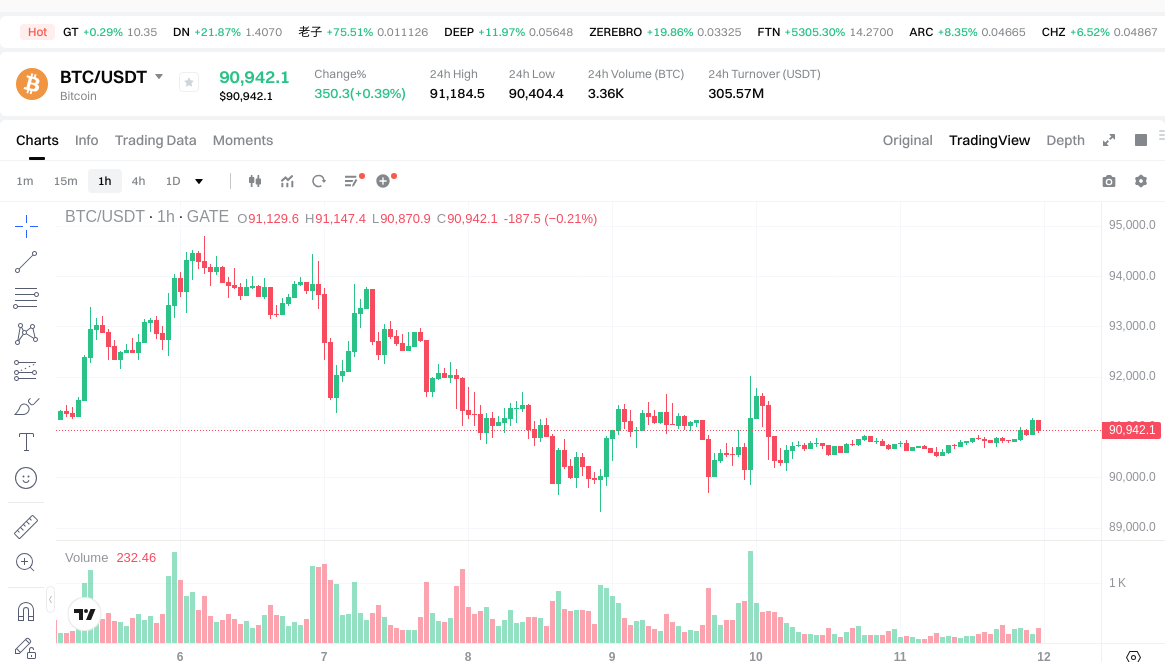
Bitcoin's price stability above the $102,000 threshold is facing significant challenges as long-term holders have intensified their selling activities. According to comprehensive data from CryptoQuant, a leading blockchain analytics platform, the cumulative spending by long-term holders over 30-day periods has shown a notable upward trend in recent months.
 Long-term holders, typically defined as investors who have held their Bitcoin for extended periods, are considered a crucial indicator of market sentiment and conviction.
The increase in selling activity from this cohort is particularly significant because these holders historically represent the most resilient segment of the market. Their decision to liquidate positions often signals a reassessment of market conditions or profit-taking behavior. The data reveals that the market's capacity to absorb this selling pressure has diminished considerably, creating an imbalance between supply and demand dynamics that could threaten current price levels.
Market Demand Contraction
A critical factor exacerbating the current situation is the contraction in market demand that has been observed over several months. The data indicates a sustained decline in buying pressure, which has coincided with Bitcoin's ongoing price consolidation phase. This weakening demand represents a departure from the robust market conditions that characterized earlier periods.
The reduced absorption capacity means that even moderate increases in selling pressure can have disproportionate effects on price stability. Market participants have shown decreased willingness or ability to accumulate Bitcoin at current price levels, suggesting either profit-taking behavior, risk aversion, or a wait-and-see approach among potential buyers. This demand contraction has created a more fragile market structure where the balance between buyers and sellers has become increasingly precarious.
Comparison with Previous Bull Markets
The current market dynamics stand in stark contrast to patterns observed during previous bull market cycles. In earlier uptrends, heightened demand from both institutional and retail investors effectively counterbalanced selling pressure from long-term holders. During those periods, the market demonstrated robust absorption capacity, with new capital inflows readily offsetting profit-taking activities.
Historically, bull markets have been characterized by strong conviction buying that could sustain price momentum even as early investors realized gains. The present situation differs fundamentally, as the market lacks the same level of demand intensity. This comparison highlights a potential shift in market structure or investor sentiment that warrants careful monitoring. The absence of sufficient demand to offset long-term holder sales suggests that the current market phase may be entering a transitional period.
Price Stability Concerns
The combination of increased selling pressure from long-term holders and weakened market demand raises legitimate concerns about Bitcoin's ability to maintain its position above $102,000. The sustainability of current price levels depends heavily on the restoration of demand dynamics or a stabilization of selling pressure from long-term holders.
Market analysts note that without a resurgence in buying interest or a deceleration in long-term holder distributions, Bitcoin could face downward pressure in the coming period. The consolidation phase that has been ongoing reflects this delicate balance, with the market searching for equilibrium between competing forces. Investors and market participants are closely monitoring these metrics as indicators of potential directional moves, recognizing that the resolution of this supply-demand imbalance will likely determine Bitcoin's near-term price trajectory.
FAQ
Why are long-term holders increasing Bitcoin sales now?
Long-term holders are increasing Bitcoin sales due to prolonged market downturn and mounting capital lock-in pressure. Their selling activity further accelerates the downward trend, creating a challenging market environment.
How will weak market demand for Bitcoin affect its price?
Weak market demand typically puts downward pressure on Bitcoin's price. However, the market may not collapse entirely as trading volume could shift toward derivatives. Price recovery depends on demand revival and market sentiment restoration.
Is it still worth investing in Bitcoin amid long-term holder selloffs and weak market demand?
Yes. Bitcoin remains strategically valuable despite near-term pressure. Long-term holder liquidation, while significant, signals price discovery and wealth redistribution. Market weakness creates accumulation opportunities for patient investors with conviction on Bitcoin's macro fundamentals and institutional adoption trajectory.
Long-term holders' selling behavior typically signals what kind of market signal?
Long-term holders' increased sales usually signal imminent price volatility and potential market shifts. While short-term weakness appears, it often precedes sharp price movements, indicating market participants are repositioning amid changing sentiment.
How long will Bitcoin face this kind of pressure?
Bitcoin's selling pressure from long-term holders is likely to ease within 2-3 quarters as demand stabilizes. Short-term volatility may persist, but historical patterns suggest recovery typically follows accumulation phases. Market fundamentals should improve as institutional interest returns.
* The information is not intended to be and does not constitute financial advice or any other recommendation of any sort offered or endorsed by Gate.