This article explores Bitcoin CME gap trading strategies, focusing on the current $104,000-$105,000 price gap formed when futures markets open differently from previous closes. CME gaps act as technical magnets, influencing Bitcoin's price discovery and creating trading opportunities. The guide explains gap formation mechanics, technical implications for support and resistance levels, and historical patterns showing Bitcoin tends to fill these gaps over time. Designed for traders seeking to understand gap-fill dynamics and optimize position management through risk-adjusted strategies on Gate futures markets. The analysis provides actionable insights for anticipating potential price targets and market direction signals in Bitcoin trading.
What is a CME Gap?
A CME gap refers to a price discontinuity that occurs when the Chicago Mercantile Exchange (CME) Bitcoin futures market opens at a significantly different price level compared to its previous closing price. This phenomenon is unique to traditional futures markets that operate on fixed schedules, unlike the cryptocurrency spot market which trades continuously 24/7. When the CME market closes for the weekend, the spot market continues trading, and any significant price movements during this period create a gap when the futures market reopens on Monday.
These gaps are considered important technical indicators by traders and analysts because they often act as price magnets. Historical data suggests that Bitcoin tends to "fill" these gaps over time, meaning the price eventually returns to trade within the gap range. This behavior has made CME gaps a closely watched metric in cryptocurrency technical analysis.
Current Market Situation
According to recent market data, Bitcoin has formed a CME gap in the price range between $104,000 and $105,000. This gap emerged when the CME Bitcoin futures market opened at a price level different from its previous closing value, primarily triggered by spot market activity that occurred during the weekend trading period when traditional futures markets were closed.
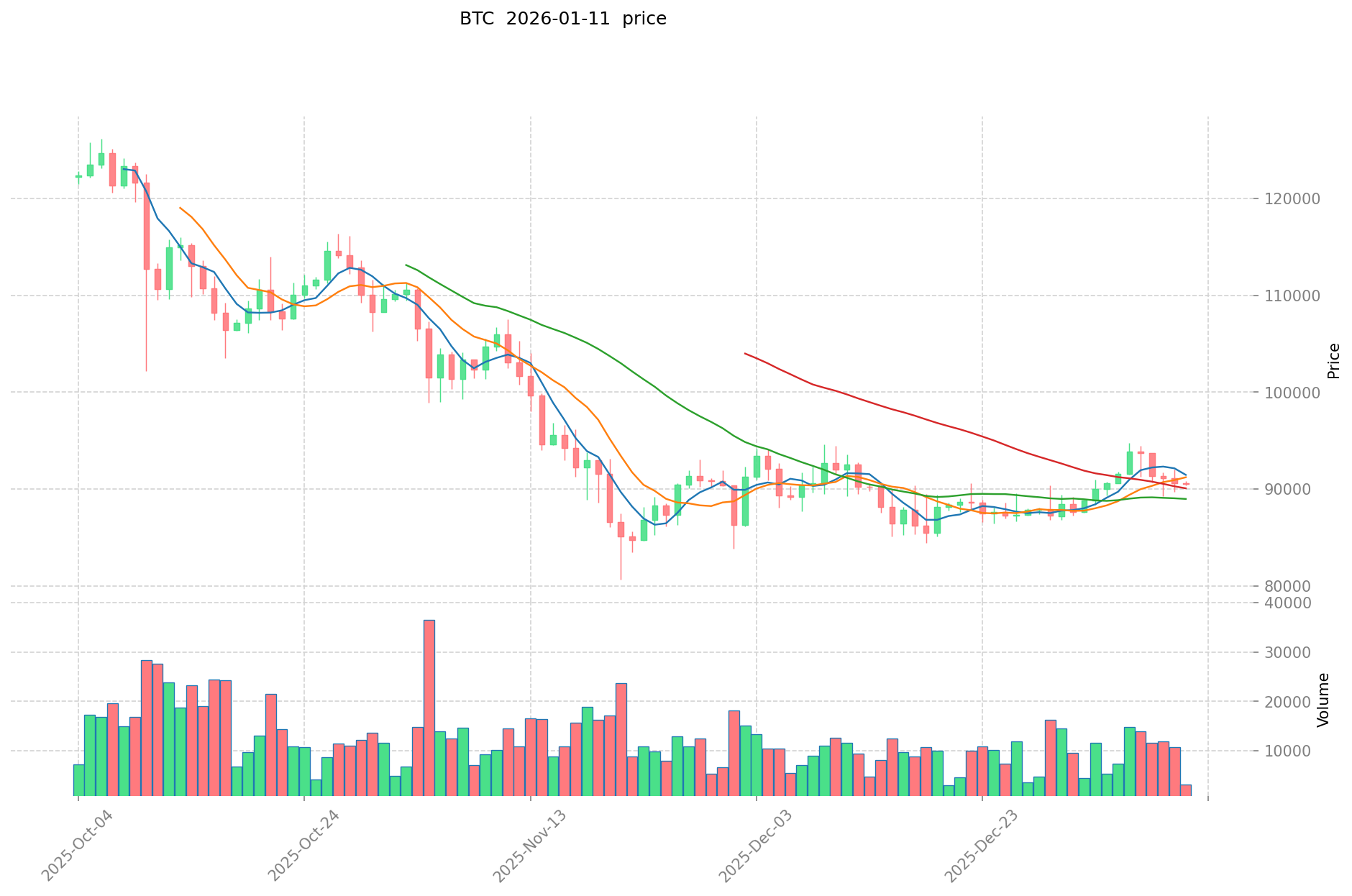
The formation of this particular gap indicates that significant price movement occurred in the spot market while the CME was offline. Such gaps can provide valuable insights into market sentiment and potential future price action, as they represent areas of price discovery that occurred outside the regulated futures market framework.
Technical Implications
Analysts point out that CME gaps frequently serve as technical magnets, influencing the probability that Bitcoin's price will revisit these levels in the future. This magnetic effect occurs because gaps represent unfilled orders and price levels where significant trading interest may exist. Market participants often view these gaps as zones of incomplete price discovery that the market seeks to resolve.
The technical significance of this $104,000-$105,000 gap lies in its potential to act as either support or resistance depending on the direction of the price movement. If Bitcoin is trading above the gap, it may serve as a support zone during pullbacks. Conversely, if the price is below the gap, it could act as a resistance level that the market attempts to reach and fill.
Historical Pattern Analysis
Historical analysis of CME gaps reveals that Bitcoin has demonstrated a strong tendency to fill these gaps over various timeframes. While some gaps are filled within days or weeks, others may take months to complete. The timeframe for gap filling often depends on market conditions, overall trend strength, and the size of the gap itself.
Larger gaps, such as the current $104,000-$105,000 range, may take longer to fill compared to smaller gaps. However, the historical precedent suggests that the probability of eventual gap filling remains high regardless of the gap size. Traders and investors often use this historical pattern to inform their position management and entry/exit strategies.
Market Outlook
The presence of this CME gap at the $104,000-$105,000 level provides market participants with a reference point for potential price targets. Whether Bitcoin is currently trading above or below this range, the gap represents a zone of interest that could influence future price action.
Market analysts suggest monitoring how Bitcoin behaves relative to this gap in the coming trading sessions. A move toward filling the gap could indicate healthy price discovery and market efficiency, while prolonged avoidance of the gap might suggest strong directional momentum in the opposite direction. Understanding the dynamics of CME gaps can help traders better anticipate potential support and resistance zones in Bitcoin's price structure.
FAQ
What is a CME gap in Bitcoin, and why do traders pay attention to it?
A CME gap is a price discontinuity on Bitcoin charts where the market opens at a different level than the previous close. Traders monitor gaps as they often indicate potential support or resistance levels, and prices tend to fill these gaps, presenting trading opportunities and market direction signals.
What does the CME gap between $104,000-$105,000 for Bitcoin mean, and how will it affect subsequent price trends?
The CME gap between $104,000-$105,000 typically gets filled over time, meaning Bitcoin price may revert to this range. Traders often anticipate gap-fill movements, which can create short-term trading opportunities and influence price momentum in the coming weeks.
How to utilize CME gaps for Bitcoin trading and risk management?
Monitor CME gaps between weekly closes and Monday opens. Enter long positions when price gaps above previous Friday's close to capture upside momentum. Implement strict stop-loss orders below gap support and take-profit levels at resistance. Use position sizing to manage downside risk exposure effectively.
What is the difference between CME gaps and spot market, and why do price gaps form?
CME gaps occur when Bitcoin futures close on CME, creating price differences from the next opening due to market trading pauses. Spot market trades continuously, causing disconnects between futures and spot prices during CME downtime.
Historically, are CME gaps for Bitcoin usually filled? How long does it take to fill them?
Historically, CME gaps for Bitcoin are typically filled, but the process is slow. Large-scale gaps usually require several months to fill, not happening quickly. The timeline varies based on market conditions and trading volume.
* The information is not intended to be and does not constitute financial advice or any other recommendation of any sort offered or endorsed by Gate.