This comprehensive guide empowers beginner cryptocurrency investors to start safely and easily. It covers Bitcoin fundamentals, explaining its decentralized nature, blockchain technology, and 21 million coin supply. The guide walks through essential steps: setting up secure wallets (exchange, online, desktop, mobile, paper, or hardware wallets), selecting reputable trading platforms like Gate for buying and trading, completing account registration and KYC verification, depositing funds through multiple payment methods, and executing your first Bitcoin purchase via simple one-click buying or advanced trading techniques. Whether you prefer long-term investment or active trading, this resource provides actionable strategies including Dollar-Cost Averaging, technical analysis tools, and critical risk management principles. Perfect for newcomers seeking to navigate the cryptocurrency market confidently while understanding volatility risks, security practices, and tax implications.
What Is Bitcoin? An Introduction
Bitcoin is a virtual currency that was introduced to the market in 2009 by a person or group operating under the pseudonym Satoshi Nakamoto. BTC is a decentralized currency, which means it is not controlled by any financial institution or government authority. This fundamental characteristic distinguishes Bitcoin from traditional fiat currencies and represents a paradigm shift in how we think about money and value transfer.
All transactions are recorded in a public ledger known as the blockchain. This technology enables users to track every transaction made using Bitcoin, creating an unprecedented level of transparency in financial operations. The blockchain operates as a distributed database maintained by a network of computers worldwide, making it virtually impossible to alter historical transaction records. Each block in the chain contains a cryptographic hash of the previous block, creating an immutable record of all Bitcoin transactions since its inception.
One of the most important aspects of cryptocurrency is that it does not require users to disclose their identities. While transactions are transparent and traceable on the blockchain, they are pseudonymous rather than anonymous. Users are identified by their wallet addresses rather than personal information, providing a layer of privacy that traditional banking systems cannot match. However, it's important to understand that this pseudonymity is not complete anonymity, as sophisticated analysis techniques can sometimes link wallet addresses to real-world identities.
Bitcoin is also significantly less expensive to operate than traditional currencies because there is no need to use financial intermediaries. Traditional banking systems involve multiple intermediaries – banks, payment processors, clearinghouses – each taking a fee for their services. Bitcoin eliminates these middlemen, allowing for direct peer-to-peer transactions that can be completed in minutes rather than days, with substantially lower fees, especially for international transfers.
Moreover, unlike traditional currencies, the supply of BTC is limited to 21 million coins, which means its value can increase with demand. This scarcity is built into Bitcoin's code and cannot be changed without consensus from the network. This deflationary model contrasts sharply with fiat currencies, which central banks can print in unlimited quantities. Over 19 million coins are already in circulation, meaning approximately 90% of all Bitcoin that will ever exist has already been mined. This increasing scarcity, combined with growing adoption, creates a supply-demand dynamic that many investors find attractive.
Bitcoin: How to Get Started?
To get started with Bitcoin, you first need to purchase it. But of course, you need somewhere to store that Bitcoin. Therefore, the first step you must take is setting up a Bitcoin wallet. Generally, wallets are divided into several types, where each is designed for different types of investors and different investment amounts. Understanding these wallet types is crucial for protecting your investment and choosing the solution that best fits your needs and technical expertise.
Wallets differ not only in their technical implementation but also in the trade-offs they make between convenience, security, and functionality. As a general rule, the more convenient a wallet is to use, the less secure it tends to be, and vice versa. Let's explore each type in detail:
-
Exchange Wallets – These are wallets provided by cryptocurrency exchanges. They typically allow you to use multiple networks and store many different coins in one place. This is a relatively risky way to store Bitcoin (exchanges can be hacked), but at the same time, you gain access to buying Bitcoin and trading it seamlessly. Exchange wallets are best suited for active traders who need quick access to their funds for buying and selling. However, the history of cryptocurrency is filled with examples of exchanges being hacked or going bankrupt, taking users' funds with them. The phrase "not your keys, not your coins" emphasizes that when your Bitcoin is on an exchange, you don't truly control it.
-
Online Wallets – These are wallets that operate in the cloud and allow access to Bitcoin through a web browser. Online wallets are easy to use and accessible from any device, but may be less secure than other types of wallets. They offer convenience for users who need to access their Bitcoin from multiple devices or locations. However, because the private keys are stored on a server controlled by a third party, you're trusting that company with the security of your funds. These wallets are suitable for storing small amounts that you might need for regular transactions.
-
Desktop Wallets – These are wallets installed on a computer. Desktop wallets offer greater privacy and security than online wallets but require downloading and installing special software. These wallets give you full control over your private keys, which are stored on your computer rather than on a third-party server. Desktop wallets are a good middle ground between security and convenience, suitable for users who primarily access their Bitcoin from a single computer and want more control than an online wallet provides.
-
Mobile Wallets – These are wallets that operate on smartphones or tablets. Mobile wallets are convenient and easy to use but may be less secure than desktop wallets. They're ideal for everyday transactions and for users who need to access their Bitcoin on the go. Many mobile wallets include features like QR code scanning for easy payments and integration with merchant payment systems. However, the security of mobile wallets depends heavily on the security of your mobile device itself.
-
Paper Wallets – These are wallets recorded on paper or other physical media. Paper wallets are secure because they are not connected to the internet, but can be impractical for daily use. A paper wallet typically consists of a printed QR code containing your public address (for receiving Bitcoin) and private key (for spending Bitcoin). Because they exist entirely offline, paper wallets are immune to hacking attempts. However, they can be lost, damaged by water or fire, or stolen if not stored properly. Paper wallets are best for long-term storage of Bitcoin that you don't plan to access frequently.
-
Hardware Wallets – These are wallets that operate on special hardware devices, such as Ledger or Trezor. Hardware wallets offer the highest level of security because private keys are stored offline. These devices are specifically designed for cryptocurrency storage and use secure elements to protect your keys from malware and physical attacks. Hardware wallets combine the security of cold storage with the convenience of being able to make transactions when needed. They're considered the gold standard for storing significant amounts of Bitcoin and are highly recommended for serious investors. While they require an initial investment (typically $50-200), the security they provide is well worth the cost for anyone holding substantial amounts of cryptocurrency.
Where to Invest in Bitcoin?
Choosing the right platform for buying and trading Bitcoin is crucial for a safe and efficient investment experience. The cryptocurrency exchange landscape has evolved significantly, with numerous platforms offering different features, security levels, and user experiences. When selecting an exchange, consider factors such as security track record, trading fees, available payment methods, user interface, customer support, and regulatory compliance.
Among the best and most secure platforms are:
-
Kraken – Known for its strong security measures and regulatory compliance, Kraken has been operating since 2011 and has never been hacked. It offers a wide range of cryptocurrencies and advanced trading features.
-
A leading exchange – This platform provides extensive trading options, low fees, and a comprehensive ecosystem of cryptocurrency services. It's particularly popular among both beginners and experienced traders.
-
Bybit – Specializing in derivatives trading, Bybit offers high liquidity and advanced trading tools. It's particularly popular among traders interested in futures and perpetual contracts.
-
KuCoin – Often called "the people's exchange," KuCoin offers a vast selection of cryptocurrencies and innovative features like staking and lending. It's known for listing new projects early.
-
Major platforms – Several other established exchanges provide reliable services with strong security measures and user-friendly interfaces.
When choosing an exchange, it's important to research each platform's reputation, read user reviews, and understand their fee structure. Many experienced investors use multiple exchanges to take advantage of different features and to diversify their risk.
Getting Your First Bitcoin on an Exchange
To acquire your first Bitcoin, you must first create an account on an exchange. This process, while straightforward, involves several important steps that ensure both your security and compliance with regulatory requirements. Let's walk through the complete registration process:
To do this, go to the exchange's website and enter your email address or phone number. The exchange will send you a verification code to confirm that you control this contact method. Receive the verification code, enter it in the appropriate field, and you're done with the initial registration. At this stage, you've created a basic account, but you won't be able to deposit fiat currency or withdraw large amounts until you complete additional verification steps.
If you want to deposit money into the exchange, you will need to go through KYC (Know Your Customer) verification. This is a regulatory requirement that exchanges must follow to prevent money laundering and comply with financial regulations. Send the exchange a photo of your identity document (such as a passport or driver's license) and a selfie, then wait for verification to be completed. The verification process typically takes anywhere from a few minutes to a few days, depending on the exchange and the volume of applications they're processing.
During KYC verification, the exchange may also ask for additional information such as your address, date of birth, and in some cases, proof of address (like a utility bill). While this process may seem invasive, it's a necessary step that actually protects both you and the exchange. It makes it much harder for criminals to use the platform for illicit activities and provides you with additional legal protections as a verified user.
Once your account is verified, you'll typically have access to higher deposit and withdrawal limits, and you'll be able to use a wider range of payment methods. Some exchanges offer different verification tiers, where providing more information grants you access to higher limits and additional features.
How to Deposit Funds to an Exchange?
After completing your account verification, the next step is funding your exchange account so you can purchase Bitcoin. The deposit process has become increasingly user-friendly, with exchanges offering multiple payment methods to accommodate users from different regions and with different preferences.
Log into your account and in the upper right corner, find the Assets section. Hover your cursor over it and click Deposit. This will take you to the deposit interface where you can choose how to add funds to your account. Next, select the Fiat Deposit option, which allows you to deposit traditional currency rather than cryptocurrency.
Select the currency you want to deposit and the payment method. On most exchanges, deposits are available through Polish banks, debit cards, credit cards, BLIK, and PayPal. Each payment method has its own advantages and considerations:
-
Bank Transfers – Usually offer the lowest fees but may take 1-3 business days to process. They're ideal for larger deposits where you're not in a hurry.
-
Debit/Credit Cards – Provide instant deposits but typically come with higher fees (2-4%). They're convenient when you want to take advantage of a sudden price movement.
-
BLIK – A popular mobile payment method in Poland that offers quick transfers with reasonable fees.
-
PayPal – Offers convenience and buyer protection but may have higher fees and is not available on all exchanges.
Before making your first deposit, carefully review the fee structure for each payment method. Also, be aware that some payment methods may have minimum and maximum deposit limits. Start with a small deposit to familiarize yourself with the process before committing larger amounts.
How to Start Investing in Bitcoin?
Now that you have an account on the exchange and funds deposited, it's time to purchase your first Bitcoin. The actual buying process is remarkably simple, though understanding the different ways to buy can help you get better prices and make more informed decisions.
Go to the Buy Crypto section and select the One-Click Buy option. This is the simplest way to purchase Bitcoin and is ideal for beginners. Choose the amount in the currency you have and the cryptocurrency you want to buy (Bitcoin). The exchange will show you the current exchange rate and how much Bitcoin you'll receive for your money. Review the transaction details carefully, including any fees, then confirm the transaction.
The One-Click Buy feature uses a market order, meaning you'll get Bitcoin at the current market price. While this is convenient, you might pay a slightly higher price than if you used the trading interface. For your first purchase, however, the simplicity and speed of One-Click Buy make it an excellent choice.
Once the transaction is confirmed, the Bitcoin will appear in your exchange wallet, usually within seconds. You can view your balance in the Assets or Wallet section of the exchange. At this point, you officially own Bitcoin! However, if you're planning to hold your Bitcoin for the long term rather than actively trading it, consider transferring it to a more secure wallet, such as a hardware wallet, rather than leaving it on the exchange.
For those interested in building a position over time, consider using a Dollar-Cost Averaging (DCA) strategy, where you purchase a fixed amount of Bitcoin at regular intervals (weekly, monthly, etc.) regardless of the price. This strategy helps reduce the impact of volatility and removes the emotional stress of trying to time the market perfectly.
Trading Bitcoin on an Exchange – How to Start?
After purchasing Bitcoin, you can start trading it on the exchange. Trading differs from simply buying and holding in that you're actively trying to profit from price movements by buying low and selling high. While trading can be profitable, it requires knowledge, discipline, and risk management.
Go to the Trading section and select Spot Trading. Spot trading means you're buying and selling actual Bitcoin rather than derivatives or futures contracts. The trading interface may seem complex at first, with charts, order books, and various options, but you'll quickly become familiar with it. On the right side, you'll be able to open a Buy or Sell position.
Understanding the different types of orders is crucial for effective trading:
Types of Orders:
-
Limit Order – The investor specifies the price at which they want to buy or sell cryptocurrency. If the market price reaches the specified value, the order will be executed. Limit orders give you control over the price you pay but don't guarantee execution if the market doesn't reach your specified price. For example, if Bitcoin is trading at $45,000 and you place a limit buy order at $44,000, your order will only execute if the price drops to $44,000 or below. Limit orders are useful when you have a specific price target and are willing to wait for the market to reach it.
-
Market Order – The investor specifies the amount of cryptocurrency they want to buy or sell without specifying a price. The order is executed at the current market price. Market orders guarantee execution but not price. They're useful when you want to enter or exit a position immediately and are less concerned about getting a specific price. However, in volatile markets or for large orders, market orders can sometimes execute at worse prices than expected due to slippage.
-
Stop Order – An order that will be executed when the market price reaches a specified value. Stop orders are primarily used to limit losses or protect profits. For example, if you bought Bitcoin at $40,000 and it's now at $45,000, you might place a stop sell order at $43,000 to protect some of your profit if the price starts falling. When the price hits $43,000, your stop order becomes a market order and executes at the best available price.
-
Stop-Limit Order – A combination of a stop order and a limit order. The investor specifies the price at which they want to buy or sell cryptocurrency, as well as the stop price at which the order will be activated. This order type gives you more control than a simple stop order but doesn't guarantee execution. For example, you might set a stop price of $43,000 and a limit price of $42,800. When Bitcoin hits $43,000, your limit order activates, but it will only execute if it can get a price of $42,800 or better.
When starting to trade, it's wise to begin with small amounts and simple strategies. Many beginners lose money by overtrading or using complex strategies they don't fully understand. Focus on learning to read charts, understand market trends, and manage your emotions before committing significant capital to trading.
How to Start with Bitcoin? Tips for Beginners
Starting your Bitcoin investment journey can be exciting but also overwhelming. Here are essential tips that will help you navigate the cryptocurrency market more successfully and avoid common pitfalls that trap many newcomers:
-
Gain Knowledge – Before you start trading Bitcoin, it's worth acquiring knowledge about cryptocurrencies and financial markets. Read books, follow reputable cryptocurrency news sources, watch educational videos, and consider taking online courses about blockchain technology and cryptocurrency trading. Understanding concepts like market cycles, technical analysis, fundamental analysis, and risk management will significantly improve your chances of success. The cryptocurrency market is complex and rapidly evolving, so continuous learning is essential.
-
Define Your Investment Goal – Before starting to trade, define what your investment goal is and what profits you want to achieve. Are you looking for short-term gains through active trading, or are you interested in long-term wealth accumulation? Do you want to generate regular income, or are you saving for a specific goal? Your strategy should align with your goals, risk tolerance, and time horizon. Having clear goals helps you make rational decisions and avoid emotional reactions to market volatility.
-
Plan Your Transactions – Plan your transactions in advance, determining entry and exit levels and the risk you're willing to take. Before entering any trade, know exactly where you'll take profit and where you'll cut losses. Write down your trading plan and stick to it, even when emotions tempt you to deviate. A common rule is to never risk more than 1-2% of your total capital on a single trade. This ensures that even a series of losses won't devastate your portfolio.
-
Use Technical Analysis Tools – Technical analysis tools can help you make trading decisions. Learn to use indicators like moving averages, RSI (Relative Strength Index), MACD (Moving Average Convergence Divergence), and support/resistance levels. These tools help identify trends, potential reversal points, and optimal entry and exit times. However, remember that technical analysis is not infallible – it provides probabilities, not certainties. Combine technical analysis with fundamental analysis and market sentiment for a more complete picture.
-
Don't Forget About Risk Management – Risk management is crucial in cryptocurrency trading. Never risk more than you're willing to lose. The cryptocurrency market is highly volatile, and it's possible to lose your entire investment. Diversify your portfolio across multiple cryptocurrencies and asset classes. Use stop-loss orders to limit potential losses. Never invest money you need for essential expenses or that you can't afford to lose. Many successful traders attribute their success more to good risk management than to picking winning trades.
-
Follow Market Trends – Follow market trends and news about Bitcoin. The cryptocurrency market is heavily influenced by news events, regulatory announcements, technological developments, and macroeconomic factors. Set up news alerts for Bitcoin and major cryptocurrencies. Follow influential figures in the cryptocurrency space on social media, but be critical of information and verify claims from multiple sources. Understanding what drives market movements helps you make more informed decisions and avoid panic selling during temporary downturns.
-
Be Patient – Trading cryptocurrencies requires patience and discipline. Don't expect to get rich quickly or to make profitable trades every time. Successful investing is a marathon, not a sprint. Avoid the temptation to constantly check prices or make impulsive trades based on short-term price movements. Many successful Bitcoin investors have simply bought and held through multiple market cycles, resisting the urge to sell during downturns. Patience also means waiting for the right opportunities rather than forcing trades when conditions aren't favorable.
What You Should Know Before Investing in Bitcoin
Before committing your money to Bitcoin, it's crucial to understand several key factors that will impact your investment experience and help you make informed decisions:
-
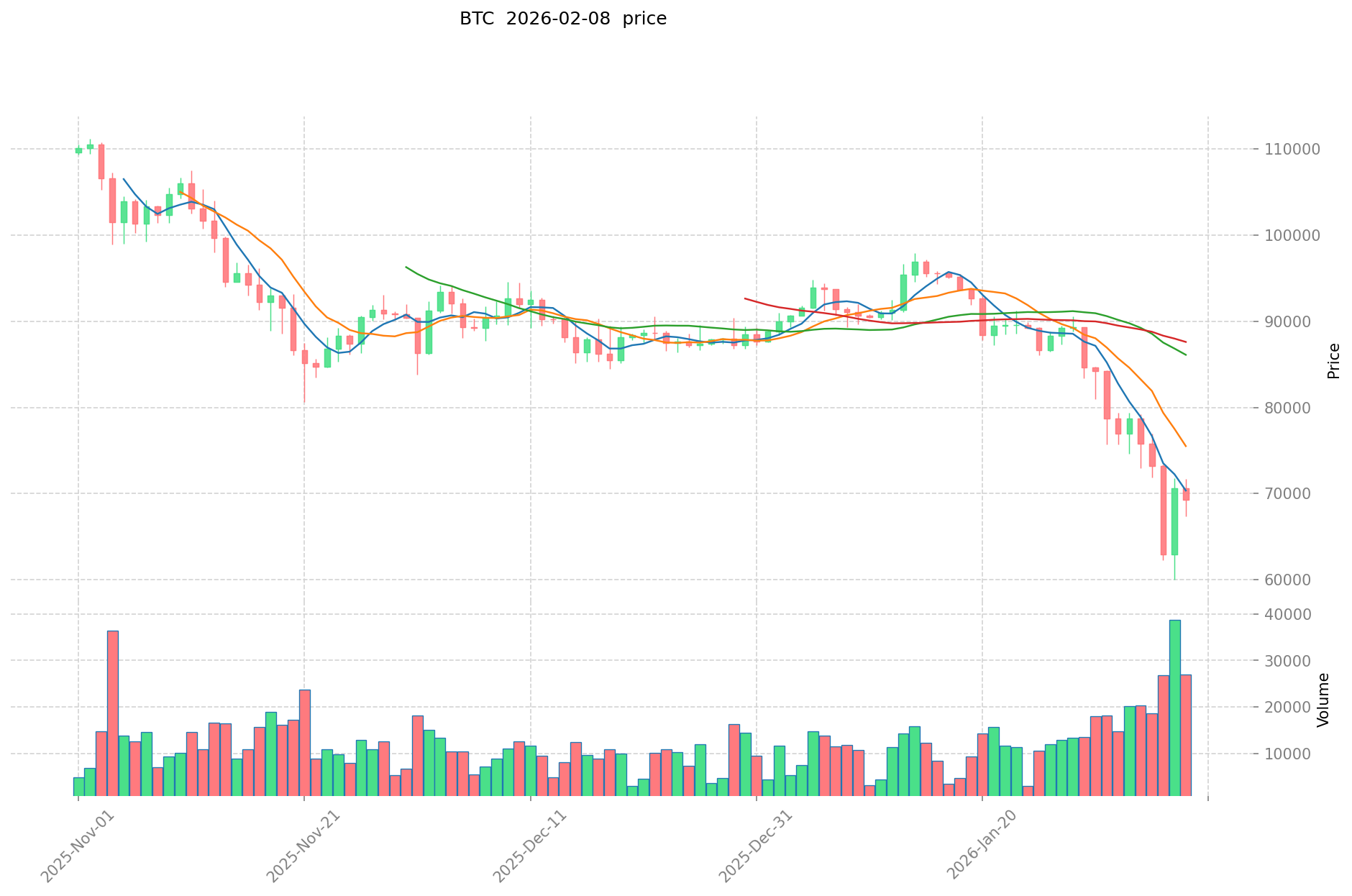
Bitcoin Is a Risky Investment – Prices can change dramatically in a short time. Bitcoin has experienced multiple boom and bust cycles, with prices sometimes dropping 80% or more from peak to trough. This volatility can create opportunities for profit but also for significant losses. Invest only as much as you're willing to lose. Never invest money you need for essential expenses, emergency funds, or short-term financial goals. The cryptocurrency market is still relatively young and can be influenced by factors that don't affect traditional investments.
-
Exchange Account Required – To buy Bitcoin, you must have an account on a cryptocurrency exchange. Choose a reputable exchange with a strong security track record, good customer support, and reasonable fees. Research multiple exchanges before deciding where to create your account. Consider factors like available payment methods, supported countries, and whether the exchange is regulated in your jurisdiction. Some investors use multiple exchanges to take advantage of different features and to reduce the risk of having all their funds on a single platform.
-
Wallet Security – Storing Bitcoin requires using a secure cryptocurrency wallet. The security of your Bitcoin is ultimately your responsibility. Use strong, unique passwords and enable two-factor authentication (2FA) on all accounts. For significant amounts, consider using a hardware wallet rather than leaving your Bitcoin on an exchange. Never share your private keys or seed phrases with anyone, and store backup copies in secure, separate locations. Be aware of common scams like phishing attempts, fake wallet apps, and social engineering attacks.
-
Understanding the Market – Before investing, it's worth understanding the basics of the cryptocurrency market. Learn about factors that influence Bitcoin's price, such as halving events (which reduce the rate of new Bitcoin creation), regulatory news, institutional adoption, macroeconomic conditions, and technological developments. Understand that cryptocurrency markets operate 24/7, unlike traditional stock markets, which can lead to significant price movements while you sleep. Familiarize yourself with market cycles and the psychological factors that drive them.
-
Fees and Taxes – Investing in Bitcoin involves fees and taxes on profits. Exchanges charge fees for trading, deposits, and withdrawals. These fees vary significantly between platforms and payment methods, so factor them into your investment calculations. Additionally, in most jurisdictions, cryptocurrency gains are taxable events. Keep detailed records of all your transactions, including dates, amounts, and prices. Consult with a tax professional familiar with cryptocurrency taxation in your country to ensure you comply with all reporting requirements and take advantage of any available deductions or strategies to minimize your tax burden.
FAQ
What is Bitcoin? Why do people invest in it?
Bitcoin is a decentralized digital currency powered by blockchain technology. People invest in it as a store of value, inflation hedge, and portfolio diversifier with significant growth potential.
How much money do I need to start investing in Bitcoin as a beginner?
You can start with as little as $100-500 to gain experience, then gradually increase your investment amount. Focus on learning wallet management and security knowledge first.
You can purchase Bitcoin through various regulated platforms that offer secure trading environments. Look for platforms with strong security features, competitive fees, user-friendly interfaces, and good customer support. Compare options based on your location, payment methods, and trading needs.
How do I safely store my Bitcoin? What is the difference between cold wallets and hot wallets?
Store Bitcoin in a cold wallet, which keeps private keys offline for maximum security. Cold wallets are secure but less convenient, while hot wallets are online and accessible but more vulnerable to hacking. Use cold wallets for long-term storage.
What are the main risks of investing in Bitcoin? How should I mitigate these risks?
Bitcoin's main risks include high volatility, regulatory uncertainty, technical security threats, and market manipulation. Mitigate these by investing cautiously, diversifying your portfolio, securing your private keys, and staying informed about regulatory changes and market trends.
What is the difference between Bitcoin and other cryptocurrencies such as Ethereum?
Bitcoin is designed for value storage and payments, while Ethereum supports smart contracts and decentralized applications. Bitcoin has the largest market cap, Ethereum ranks second. Ethereum offers greater scalability but faces fluctuating gas fees.
Should I invest all at once or in multiple batches? What strategies do you recommend?
Lump-sum investing maximizes returns during bull markets but carries higher risk. Dollar-cost averaging spreads investments over time, reducing timing risk and lowering average costs. Choose based on your risk tolerance and market outlook.
How should I handle Bitcoin's significant price volatility?
Adopt a diversified investment strategy, invest only what you can afford to lose, and focus on long-term growth trends rather than short-term fluctuations. Dollar-cost averaging helps reduce timing risk effectively.
Do I need to pay taxes on Bitcoin investments? What are the differences in tax regulations across countries?
Yes, Bitcoin investments typically require tax payments. Tax regulations vary significantly by country: the US and Australia tax capital gains; Canada taxes 50% of gains; Japan applies 15-55% rates; while UAE, Malta, and Cayman Islands offer zero or minimal taxation. Always consult local tax authorities for your jurisdiction.
* The information is not intended to be and does not constitute financial advice or any other recommendation of any sort offered or endorsed by Gate.