Explore the historic movement of 2,000 Casascius BTC worth $180 million. Gain insights into physical Bitcoin coins, their role in the crypto ecosystem, and what this means for the broader market. Examine the factors behind the activation of dormant wallets after over a decade on Gate.
Introduction to BTC Casascius Transfers
A remarkable event recently captured the attention of the cryptocurrency community when two Casascius Bitcoin wallets, dormant for more than a decade, were reactivated. Each wallet contained 1,000 BTC, resulting in a transfer of 2,000 BTC with a combined value of approximately $180 million at the time of the transaction.
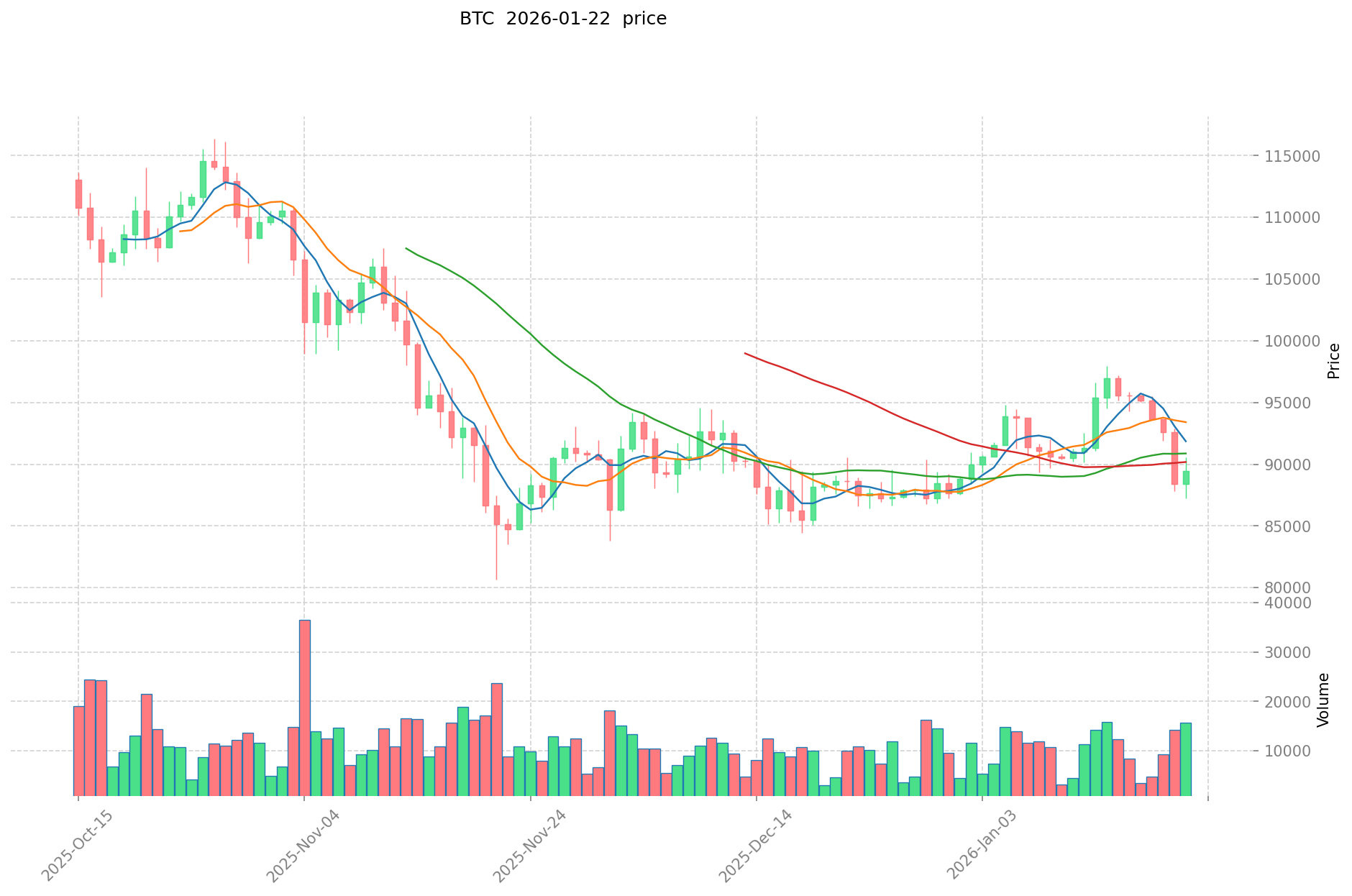 This BTC Casascius transfer not only highlights the historical significance of physical Bitcoins, but also underscores the ongoing evolution of Bitcoin storage solutions.
This event marks a major milestone in the history of cryptocurrency, demonstrating the resilience and security of offline storage methods that emerged in Bitcoin's earliest days. Reactivating these wallets after so many years raises intriguing questions about the owners' motivations and the broader impact on the crypto ecosystem.
What Are Casascius Coins?
Casascius coins are physical Bitcoins created by Mike Caldwell between 2011 and 2013, during Bitcoin's formative years. These tangible metal coins were designed as innovative offline storage solutions, combining blockchain technology with collectible physical objects. Each coin contained private keys concealed beneath tamper-evident holograms, making them a unique blend of digital cryptocurrency and physical artifact.
Casascius coins represented one of the earliest attempts to convert Bitcoin—an entirely digital currency—into a tangible format that could be physically owned and stored. The concept was groundbreaking: users could keep their Bitcoins completely offline, safeguarding them from hacks and software vulnerabilities, while retaining the ability to transfer ownership simply by exchanging the physical coin.
Technical Design and Functionality
Casascius coins featured innovative and highly secure designs for their time, establishing standards that influenced the development of future cryptocurrency storage solutions. Key features included:
-
Tamper-Evident Holograms: These specially crafted holograms concealed the Bitcoin private keys, ensuring that any attempt to access the coins would leave visible tampering evidence. The hologram was destroyed upon removal, providing an unmistakable sign if the coin was compromised.
-
Complete Offline Storage: By embedding private keys directly into the physical coin, Casascius offered a truly offline method for storing Bitcoin, eliminating all risks associated with internet-connected digital storage. This feature made them an early form of cold storage—even before the term was widely adopted.
-
Ease of Use and Redemption: Users could redeem their Bitcoin by simply removing the hologram and importing the revealed private key into a digital wallet. This process allowed seamless conversion from physical to digital Bitcoin whenever needed.
-
Multiple Denominations: Casascius coins were produced in various denominations, ranging from 0.5 BTC up to 1,000 BTC, enabling users to select the amount that best fit their investment or collecting preferences.
Regulatory Challenges Facing Casascius Coins
Despite their popularity and innovative design, Casascius coins encountered significant regulatory hurdles that ultimately led to the end of their production. In 2013, the United States Financial Crimes Enforcement Network (FinCEN) classified Casascius coin manufacturing as unregistered money transmission, asserting that Mike Caldwell was effectively operating a money services business without the required license.
This regulatory intervention reflected the legal uncertainty surrounding cryptocurrencies at the time, as governments and regulators were only beginning to grasp the impact of this new technology. FinCEN's decision resulted in the immediate discontinuation of Casascius coin production, turning existing coins into rare and highly sought-after collectibles.
This regulatory precedent also set important guidelines for future physical Bitcoin projects, demonstrating that even the most innovative cryptocurrency solutions must comply with established financial regulations. The Casascius case now serves as a reference point for how regulators approach new developments in the crypto space.
Rarity and Collectible Value of Casascius Coins
Between 2011 and 2013, approximately 90,000 Casascius coins were minted, but only a small fraction featured high denominations like 1,000 BTC. The limited production and forced discontinuation have made these coins some of the rarest and most valuable artifacts in the cryptocurrency world.
Today, Casascius coins are regarded as priceless historical artifacts, symbolizing Bitcoin's earliest days. Their value extends far beyond the BTC they contain, capturing a pivotal moment in the evolution of cryptocurrencies. Collectors and Bitcoin enthusiasts pay substantial premiums for these coins, not just for their BTC content, but for their historical and cultural importance.
The highest denomination coins, especially those with 1,000 BTC, are exceptionally rare. Only a few dozen of these high-value coins are believed to have been produced, making them among the most valuable Bitcoin-related items in existence. The collector market for Casascius coins has grown significantly, with auction prices frequently exceeding the face value of the BTC inside.
BTC Casascius Transfer: Key Details of the Event
The activation of two Casascius wallets was detected by specialized blockchain monitoring tools, including Whale Alert, btcparser.com, and casasciustracker.com. These analytic platforms tracked the movement of the coins, which were transferred from their original addresses to more secure and efficient modern wallet formats.
The coins were moved to two primary types of contemporary addresses:
-
Pay-to-Script-Hash (P2SH): A wallet format offering greater security and flexibility, enabling complex spending conditions and enhanced privacy compared to traditional Bitcoin addresses. This format represents a major advancement in Bitcoin wallet technology.
-
Pay-to-Witness-Public-Key-Hash (P2WPKH): A format compatible with SegWit (Segregated Witness) that dramatically reduces transaction fees and increases network scalability. This address type reflects the latest best practices in Bitcoin storage.
Exponential Growth in Bitcoin Value
The transferred BTC has appreciated exponentially since its initial acquisition, demonstrating Bitcoin's extraordinary long-term growth potential. For instance, BTC held in one of these wallets has risen more than 724,000% since it was first stored in Casascius coins, transforming a modest initial investment into a significant fortune.
This remarkable appreciation illustrates the power of holding over the long term in the cryptocurrency market, validating the strategy of early adopters who maintained their positions through periods of high volatility. The growth in value also reflects Bitcoin's maturation as an asset class and its increasing acceptance in the global financial system.
Why Were the Coins Moved?
While the exact reasons for these transfers remain speculative—since the owners have not made public statements—industry analysts and experts have proposed several plausible scenarios:
-
Security Concerns: The physical components of the coins, including holograms and sealing materials, may have degraded over time, prompting owners to transfer BTC to modern, more secure wallets. After a decade or more, physical materials could theoretically become compromised.
-
Preserving Access: Ensuring continued access as technology evolves is a legitimate concern. Modern wallets provide improved security, more reliable backups, and compatibility with the latest Bitcoin network upgrades.
-
Portfolio Reorganization: The transfers may be part of a broader strategy to manage or consolidate crypto assets. Owners may be reorganizing their portfolios to optimize asset management or prepare for future transactions.
-
Estate Planning: After more than a decade, original owners might be implementing estate or succession plans, transferring assets to formal structures or heirs.
Notably, these transfers do not necessarily indicate an intent to sell. Moving assets to contemporary wallet formats suggests a focus on long-term preservation using current best security practices.
Broader Implications of BTC Casascius Transfers
Reactivating these historic wallets highlights several key aspects of the cryptocurrency ecosystem relevant to investors and the industry's future development:
-
Long-Term Custody: The patience and strategic planning of Bitcoin's earliest adopters, who held assets for over a decade amid extreme market volatility, demonstrate the effectiveness of long-term holding as an investment strategy. These owners endured multiple market cycles, including sharp downturns and uncertainty.
-
Evolution of Storage Solutions: Transitioning from physical Bitcoins to modern digital wallets reflects significant progress in Bitcoin storage technology. What began as a novel experiment with physical coins has evolved into advanced software solutions offering superior security and greater functionality.
-
Cultural and Historical Significance: Casascius coins serve as tangible links between Bitcoin's experimental beginnings and its current status as a globally recognized financial asset. They symbolize a time when the crypto community actively explored new ways to materialize and secure digital currency.
-
Security Best Practices: This event highlights the importance of regularly updating security protocols and adapting to technological advancements. Even storage solutions once considered state-of-the-art may require modernization as technology progresses.
-
Market Impact: While these transfers did not involve BTC sales, movements of such large amounts are watched closely by the market, as they can shape sentiment and potentially affect prices.
Conclusion
The BTC Casascius transfer is a compelling event that underscores the lasting importance of physical Bitcoins in the broader history of cryptocurrency. These coins not only represent a distinct and memorable chapter in Bitcoin's story, but also highlight the critical need for secure, sustainable long-term storage solutions within the crypto ecosystem.
As the cryptocurrency landscape continues to evolve and mature, the story of Casascius coins stands as a powerful reminder of Bitcoin's journey from humble, experimental beginnings to its current transformative potential in global finance. This event further illustrates how early innovators established the foundation for today's security and storage solutions.
These historic transfers reveal that Bitcoin is not just a technology or financial asset—it is also a cultural phenomenon with an evolving legacy. Casascius coins will remain invaluable artifacts, documenting the pioneering days of the cryptocurrency revolution and inspiring future generations of blockchain innovators.
FAQ
What are Casascius coins and why is the $180M movement significant?
Casascius coins are physical bitcoins minted between 2011 and 2013, valued as collectibles. The $180 million transfer signifies the activation of dormant wallets after years of inactivity, showing renewed market confidence and the potential recognition of Bitcoin's historical value.
Why were these Bitcoin wallets considered inactive and what does their reactivation mean?
These wallets were deemed inactive due to years without any transactions. Their reactivation indicates that the original holders regained access or moved their funds, suggesting renewed confidence in the market and potential significant selling pressure for BTC.
What is the potential impact of the $180M transfer on Bitcoin's price and market?
The transfer of $180 million from dormant wallets could initially exert downward pressure on the market due to possible sales. Nevertheless, the overall impact is limited considering Bitcoin's total market capitalization. In the long run, this may strengthen confidence in the liquidity and dynamism of the crypto ecosystem.
Who owns these Casascius wallets and what is their history?
Casascius coins were created by Mike Caldwell between 2011 and 2013. These physical wallets contain bitcoins generated during Bitcoin's early years. The recent $180 million movement marks the activation of these historic assets after more than a decade of inactivity.
Is this fund movement safe or does it pose any risk to the crypto market?
This movement is secure and reflects normal blockchain activity. The $180 million transfer from legacy wallets demonstrates confidence in the ecosystem. It does not pose a systemic risk; rather, it represents a legitimate redistribution that can strengthen market liquidity and stability.
* The information is not intended to be and does not constitute financial advice or any other recommendation of any sort offered or endorsed by Gate.