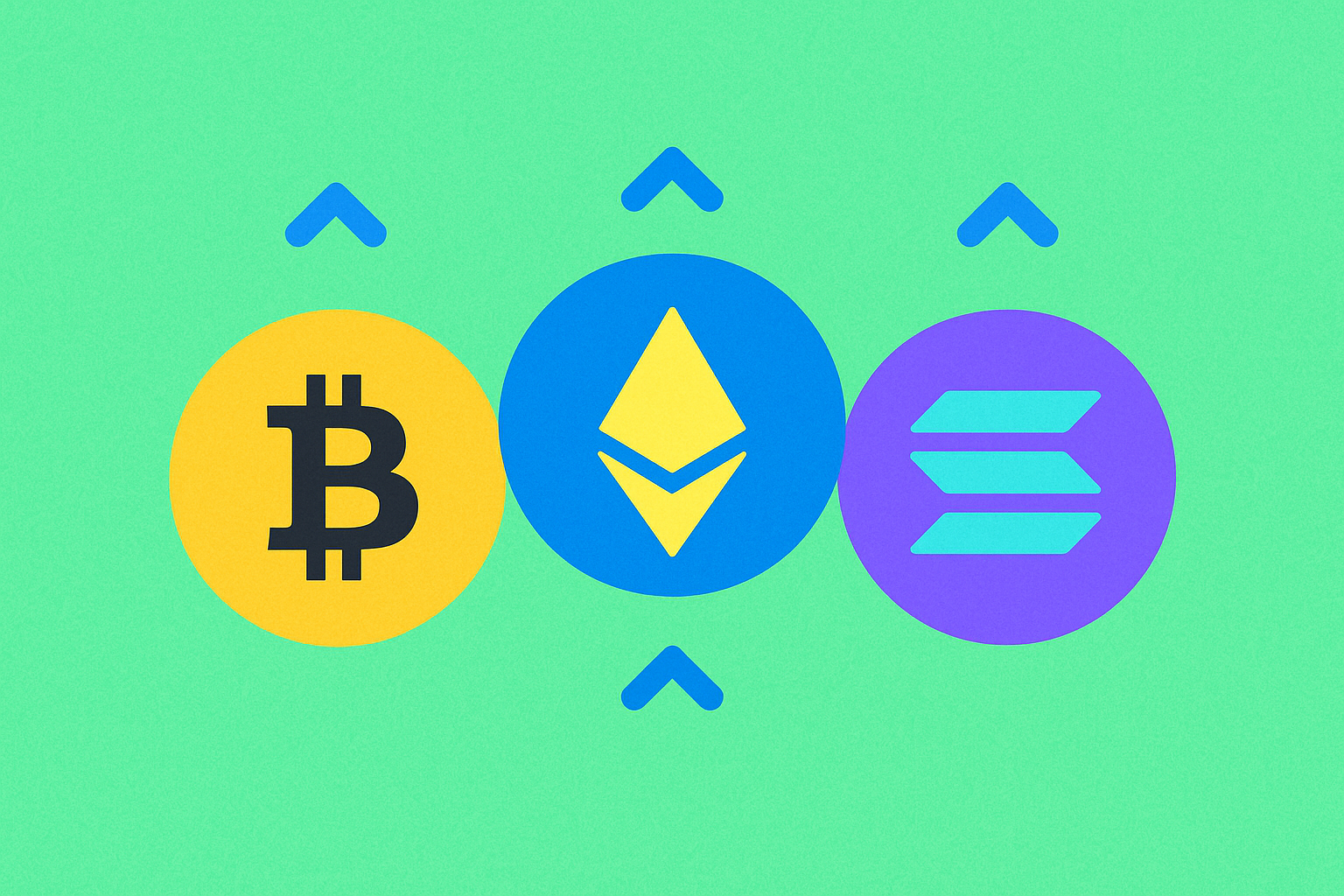
Discover how to spot a crypto bull market with essential signals, key indicators, and proven trading strategies. This complete guide empowers traders and investors to analyze blockchain trends and maximize profits on Gate. Gain expert insights on risk management and long-term investment approaches.
Understanding Cryptocurrencies
Cryptocurrencies are digital assets that function as a medium of exchange, similar to traditional currencies like the US dollar or euro. Unlike centralized financial systems, cryptocurrencies are decentralized and operate on peer-to-peer networks without intermediaries such as banks or payment processors.
Blockchain technology forms the backbone of cryptocurrencies—a distributed ledger that guarantees transparency and security for all transactions. Each transaction is recorded in a block, which is then added to a chain, creating an immutable history of all operations. This technology delivers a high level of security and eliminates the risk of double-spending.
Types of Cryptocurrencies
Today’s crypto market features a wide variety of assets, each with unique characteristics and use cases:
-
Bitcoin (BTC): The first and most widely known cryptocurrency, launched in 2009. Bitcoin operates on a decentralized blockchain and is designed for storing and transferring value. Its capped supply of 21 million coins has earned it the nickname "digital gold."
-
Ethereum (ETH): An innovative platform supporting smart contracts and decentralized applications (DApps). Ethereum’s native cryptocurrency, ether (ETH), is used to pay for transactions and computational work within the network.
-
Ripple (XRP): A cryptocurrency purpose-built for fast international payments and remittances, with a focus on partnerships with traditional financial institutions.
-
Litecoin (LTC): Developed as a complement to Bitcoin, Litecoin offers faster transactions and lower fees. It’s often called "digital silver."
-
Solana (SOL): A high-performance, layer-1 blockchain that delivers fast transaction speeds, scalability, and robust security at low costs.
How Are Cryptocurrencies Created?
Cryptocurrencies are generated through mining—a complex computational process involving the solution of cryptographic puzzles on a blockchain network. Mining serves several critical functions: validating and confirming user transactions and adding new blocks of data to the blockchain.
Miners deploy specialized hardware to solve complex math problems. The first miner to crack the puzzle earns the right to add a new block to the chain and receives newly minted coins as a reward. This mechanism secures the network and incentivizes participants to support blockchain operations.
Some cryptocurrencies rely on an alternative consensus mechanism—Proof of Stake—where validators are selected based on the number of coins they commit as collateral.
How Is Cryptocurrency Traded?
Cryptocurrencies trade on specialized exchanges—digital platforms connecting buyers and sellers. These platforms offer market analysis tools, order placement, and portfolio management features.
All transactions on these exchanges are recorded on the blockchain and cannot be deleted or reversed, which ensures transparency and historical integrity. Once trades are settled, cryptocurrencies can be stored securely in digital wallets—dedicated software or hardware devices that safeguard users’ private keys.
Wallets come in two main types: hot wallets (online, connected to the internet) and cold wallets (offline, offering maximum security). Wallet choice depends on the user’s need for access versus security.
It is essential to recognize that cryptocurrency trading carries significant risks and is highly speculative. The market is extremely volatile, and prices can shift rapidly due to market movements, regulatory announcements, or shifts in public sentiment.
Factors Behind Bull Markets
Bullish cycles in crypto arise from a combination of key factors that influence investor sentiment and price behavior:
-
Market Supply and Demand: This basic economic principle is central to bull markets. When demand is strong and supply is limited, scarcity drives prices higher. For instance, Bitcoin’s maximum supply of 21 million coins creates scarcity that can fuel long-term price appreciation.
-
Media Coverage and Public Hype: Positive press, endorsements by prominent figures, and general media buzz can spark widespread interest. This draws new participants, boosts demand, and drives crypto prices higher.
-
Regulation and Government Actions: Shifts in the regulatory landscape can have significant market impact. Favorable decisions—such as approving crypto-based ETFs, legalizing crypto in major economies, or establishing a supportive legal framework—can increase institutional confidence and spur capital inflows.
-
Technological Advancements: New protocols, improvements in blockchain scalability, DeFi innovations, and emerging use cases can all catalyze bullish trends. Technology upgrades expand practical utility and attract new users to crypto assets.
Examples of Past Bull Markets in Crypto
Bitcoin in 2013–2014
This first major Bitcoin bull run showcased crypto’s potential for mass adoption. Bitcoin’s price climbed from about $13 at the start of the period to over $1,100 by the end of the year—a more than 80-fold increase. Early adopter enthusiasm and initial institutional interest fueled this rally.
Ethereum in 2017
During this period, Ethereum’s price surged from $10 at the beginning of the year to $1,400 by year-end. This bull market was driven by extensive media attention, the ICO boom, and the launch of many new blockchain applications and decentralized projects on Ethereum. This period is often called the "ICO era."
Bitcoin in 2020–2021
The most recent major Bitcoin bull market began in late 2020 and extended into the following year, with the price reaching a record high—over $69,000 per coin. Several factors contributed: growing institutional adoption, concerns about fiat currency inflation during the pandemic, and Bitcoin’s rising profile as a store of value.
Market Recovery in Recent Years
After periods of major turmoil, Bitcoin demonstrated resilience and the ability to recover, defying skeptics’ predictions. Subsequently, the crypto markets rebounded, and BTC saw significant gains. This period featured increased interest in new crypto-based financial instruments and anticipation of changes in central bank monetary policy.
How to Identify a Bull Market in Crypto
Key Market Indicators
One of the best ways to spot a bull market is through a comprehensive analysis of key indicators. Traders should monitor price action (sustained upward movement), trading volume (rising buying activity), and total market capitalization (growth in aggregate crypto asset value).
When these indicators show synchronized gains over a sustained period, it’s a strong signal a bull market is emerging. Other confirming signals include more active blockchain addresses, higher transaction volumes, and rising dominance of major cryptocurrencies.
Technical Analysis
Technical analysis is a widely used trading approach for studying price trends and making informed decisions. Traders identify potential entry and exit points in bull markets by analyzing chart patterns (such as head and shoulders, double bottom, ascending triangles), support and resistance levels, and various technical indicators.
Commonly used indicators include moving averages (MA), Relative Strength Index (RSI), MACD (Moving Average Convergence Divergence), and Fibonacci retracement levels. Combining multiple indicators offers a clearer market picture and reduces false signals.
Tracking News and Trends
Staying up to date on industry developments, regulatory changes across jurisdictions, new technological advances, and market sentiment can help traders identify opportunities and flag risks early.
It’s crucial to follow announcements of major partnerships, protocol updates, regulatory actions, and macroeconomic events that could affect the crypto market. News aggregators, specialized analytics platforms, and professional communities help you stay informed about critical developments.
Bull Market Trading Strategies
Portfolio Diversification
Trading multiple cryptocurrencies and spreading capital across various assets helps mitigate risk and reduce the impact of volatility on total portfolio value. Instead of concentrating funds in one asset, it’s wiser to build a balanced portfolio with diverse holdings: large established coins (Bitcoin, Ethereum), promising mid-cap projects, and a modest allocation to high-risk, high-reward assets.
Diversification can also mean investing across different crypto sectors: smart contract platforms, scaling solutions, DeFi projects (DeFi), metaverse tokens, and more.
Dollar Cost Averaging (DCA)
Dollar cost averaging (Dollar Cost Averaging) is a strategy involving regular, fixed-amount crypto purchases over time (e.g., weekly or monthly), rather than investing a lump sum at once.
This method reduces the impact of short-term volatility on average purchase price and eliminates the need to time the market perfectly. With DCA, investors acquire more coins when prices are low and fewer when prices are high, resulting in a lower average cost over time.
Long-Term Investing
Despite short-term volatility, historical data show that patient investors in high-quality projects can achieve strong returns over the long run, provided they avoid panic during market dips.
The long-term investment approach—known as "HODL" in the crypto community—involves buying and holding assets for years, regardless of short-term price swings. This method works best for projects with solid fundamentals, a clear roadmap, and an active user base.
Risk Management
It’s vital to remain cautious, disciplined, and patient when investing in crypto, especially during bull runs when market enthusiasm can lead to rash decisions. Set realistic profit targets, diversify your portfolio, and always use sound risk management strategies.
Key practices include placing stop-loss orders to limit downside, setting clear profit-taking levels, only investing what you can afford to lose, and regularly rebalancing your portfolio. Avoid leverage or use it sparingly, as it amplifies both potential gains and losses.
Risks of Bull Markets
Volatility and Unpredictability
Cryptocurrencies are highly volatile—even in bull markets, prices can swing sharply. An asset might rally 20–30% in a single day, only to drop just as quickly. This unpredictability demands constant vigilance and readiness for rapid market shifts.
Volatility is driven by the market’s relatively small size compared to traditional finance, high asset concentration among "whales," sensitivity to news and social media, and the absence of stabilizing mechanisms found in legacy markets.
Fraud and Dishonest Projects
Crypto still lacks robust regulation, creating fertile ground for fraud. Scammers employ many tactics: fake ICOs and token sales, pyramid schemes disguised as investment platforms, phishing to steal private keys, and counterfeit exchanges and wallets.
Fraud is especially rampant during bull markets, when newcomers rush in seeking fast profits. Due diligence is critical—scrutinize projects, stick with reputable platforms, and never trust guarantees of high returns.
Lack of Regulation and Protection
Most cryptocurrencies aren’t regulated or protected by government authorities, deposit insurance, or investor compensation. If you lose funds due to an exchange hack, fraud, or a personal error, recovery is unlikely.
The absence of global regulatory consensus further increases uncertainty. A major jurisdiction’s legal shift can impact the entire crypto market. Investors must take full responsibility for asset security and investment choices.
Cybersecurity Threats
Crypto assets are stored in digital wallets, which, while secured by cryptography, are still vulnerable to hacks, cyberattacks, and technical exploits. The industry has seen numerous high-profile hacks leading to losses in the millions or billions of dollars.
Major cybersecurity threats include phishing for private keys, wallet-stealing malware, smart contract vulnerabilities, attacks on exchanges and centralized platforms, and social engineering schemes.
To reduce these risks, use secure storage (preferably cold wallets for long-term holdings), enable two-factor authentication, keep software updated, avoid suspicious links, and never share your private keys or seed phrases.
Conclusion
Bull markets in crypto offer significant potential for capital growth and participation in technological innovation, but they also carry substantial risks. Success in crypto trading and investing requires a balanced approach—optimism tempered by realism.
Always exercise caution, conduct thorough due diligence (DYOR—Do Your Own Research), and critically assess every project’s prospects. Resist euphoria and FOMO (fear of missing out), which intensify during bull runs.
Proven strategies—portfolio diversification, dollar cost averaging, long-term holding of quality assets, and disciplined risk management with stop-losses and clear profit targets—are all essential for successful trading in bull markets.
Keep in mind that education and ongoing learning about crypto, blockchain technology, and market dynamics are crucial for long-term success. Invest wisely, manage your risks, and never invest more than you can afford to lose.
FAQ
What Is a Cryptocurrency Bull Market and How Is It Different from a Bear Market?
A bull market is a period when crypto prices rise for an extended time, marked by investor optimism and active buying. A bear market is a period of declining prices, when pessimism prevails and assets are sold. Key distinctions: price growth vs. decline, high vs. low trading volume, and positive vs. negative sentiment.
How Can You Tell If the Crypto Market Has Entered a Bull Phase?
A bull market features strong price appreciation, rising trading volumes, and optimistic investor sentiment. Key signals: growing market capitalization, capital inflows, and sustained positive price trends over several months.
What Investment Strategy Should Beginners Use in a Bull Market?
Beginners should use a trend-following strategy: buy breakouts above resistance and hold positions. Start with small trade sizes, use averaging on dips, and set stop-losses for risk management. Avoid overtrading and emotional decisions.
What Are Common Investment Traps and Risks in a Bull Market?
Common bull market pitfalls include overconfidence, blindly following the crowd, neglecting risk management, trading without a plan, and emotional decision-making. Avoid greed and stay disciplined.
How Can You Manage Risks and Protect Assets in a Bull Market?
Diversify your portfolio, use stop-losses, and manage positions prudently. Select high-quality assets and rebalance regularly. Invest gradually at lower price levels and don’t rush in when prices are surging.
Crypto Bull Markets: Which Cryptocurrencies Should You Choose for Investment?
In a bull market, anchor your portfolio with Bitcoin and Ethereum. Add promising projects with strong trading volume such as Solana, XRP, and Sui. Diversify, and select coins with sound technology and active ecosystem development.
How Much Money Should Beginners Invest in a Bull Market?
Start with small amounts—no more than 1% of your capital. Diversify your holdings and use stop-losses to protect your funds. Disciplined risk management is essential for bull market success.
What Signals Indicate the End of a Bull Market? When Should You Consider Taking Profits?
Signs of a bull market ending include large capital outflows, a drop in new participants, slowing trading volumes, and increased volatility. Take profits when these signals appear, especially after sharp price drops following extended rallies.
* The information is not intended to be and does not constitute financial advice or any other recommendation of any sort offered or endorsed by Gate.