This comprehensive guide examines the Crypto Fear and Greed Index in 2024, currently reading 14 within extreme fear territory, reflecting persistent investor caution despite marginal improvements. The article explains how this sentiment indicator, ranging from 0-100, measures market psychology through volatility, trading volume, social media activity, Bitcoin dominance, and Google trends data. For investors, extreme fear readings present contrarian buying opportunities as markets often rebound from pessimistic extremes, while risk-averse traders may maintain cautious positions until sentiment stabilizes. The sustained apprehension stems from regulatory uncertainties, macroeconomic pressures, and digital asset volatility. Whether you're a contrarian seeking entry points or a conservative investor assessing market conditions, understanding the Fear and Greed Index on Gate exchange platforms helps optimize cryptocurrency investment timing and decision-making in volatile markets.
Overview of the Current Market Sentiment
The Crypto Fear and Greed Index has recently climbed to a reading of 14, marking a slight improvement from previous levels. However, despite this upward movement, the index continues to reside firmly within the "Extreme Fear" category.
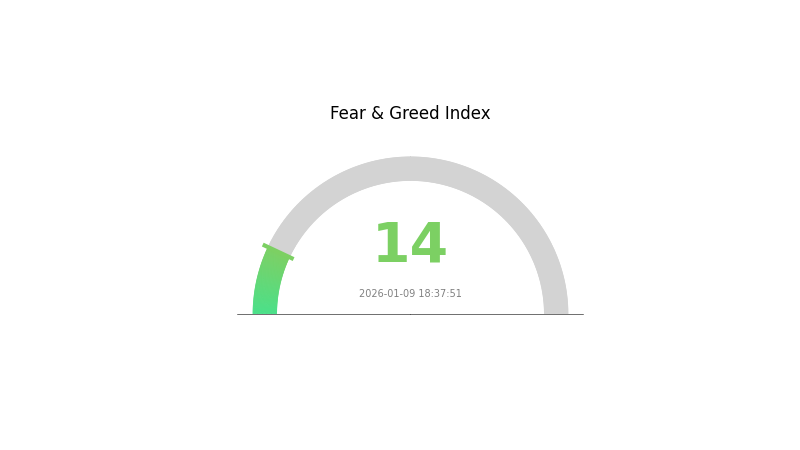 This persistent state of extreme fear reflects ongoing caution and uncertainty among cryptocurrency investors, suggesting that market participants remain hesitant about making significant investment decisions in the current environment.
Understanding the Fear and Greed Index
The Crypto Fear and Greed Index serves as a comprehensive sentiment indicator for the cryptocurrency market, utilizing a scale ranging from 0 to 100. This numerical range represents the spectrum of investor emotions, where values closer to 0 indicate extreme fear and values approaching 100 suggest extreme greed. The index provides valuable insights into the collective psychology of market participants, helping traders and investors gauge whether the market is being driven by fear-based selling or greed-driven buying.
The interpretation of the index follows a structured framework: readings between 0 and 24 indicate extreme fear, 25 to 49 represent fear, 50 to 74 suggest greed, and 75 to 100 indicate extreme greed. Currently positioned at 14, the market demonstrates that investors are experiencing significant anxiety about cryptocurrency investments.
Methodology and Calculation Factors
The Crypto Fear and Greed Index employs a sophisticated methodology that incorporates multiple data sources to provide a holistic view of market sentiment. The calculation process analyzes several key components that collectively influence investor behavior and market dynamics.
Volatility measurements play a crucial role in the index calculation, as heightened price fluctuations typically correlate with increased fear among market participants. Trading volume analysis provides insights into market activity levels, with unusual volume patterns often signaling shifts in sentiment. Social media activity monitoring captures the broader conversation around cryptocurrencies, reflecting public interest and emotional responses to market movements.
Market surveys and polls contribute direct feedback from investors about their current outlook and expectations. Bitcoin's market dominance serves as an indicator of risk appetite, as investors tend to favor Bitcoin over alternative cryptocurrencies during periods of uncertainty.
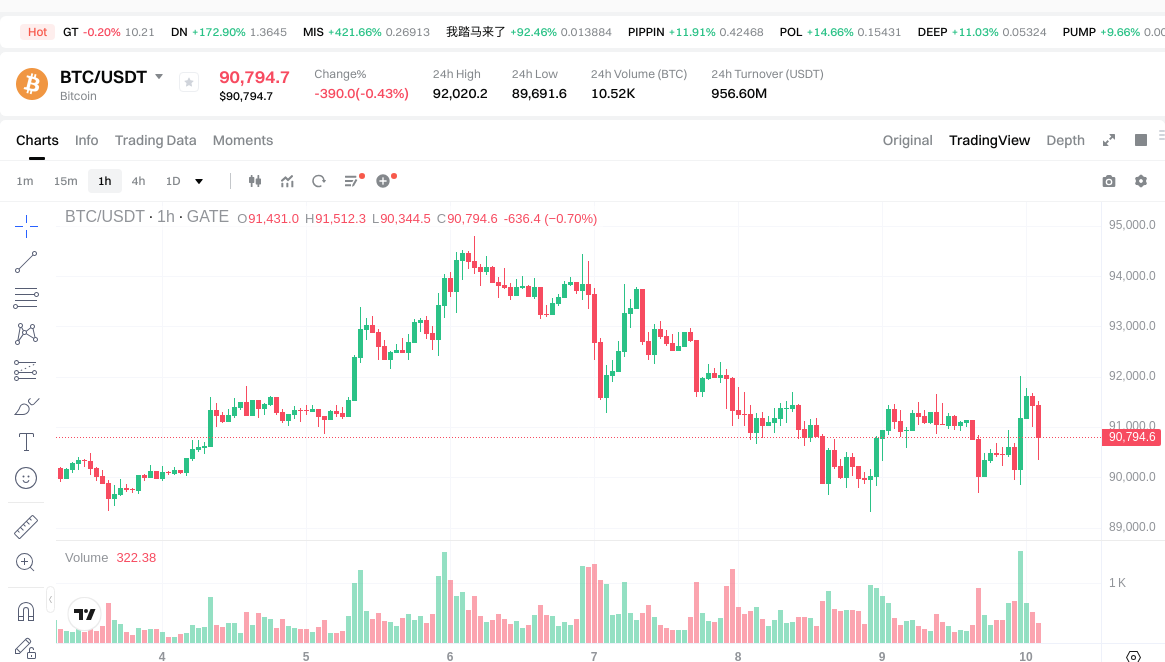 Google search trends data reveals public interest patterns and can indicate whether fear or curiosity is driving market attention.
Implications for Cryptocurrency Investors
The current extreme fear reading carries significant implications for various types of cryptocurrency market participants. For contrarian investors, extreme fear levels may present potential buying opportunities, as markets often rebound when sentiment reaches pessimistic extremes. Historical patterns have shown that periods of extreme fear can precede market recoveries, though timing such entries requires careful analysis.
Risk-averse investors may view the extreme fear reading as validation for maintaining cautious positions or staying on the sidelines until sentiment stabilizes. The persistent nature of the current fear level suggests that market conditions have not yet improved sufficiently to attract more conservative capital back into the cryptocurrency space.
Market Context and Ongoing Caution
The sustained extreme fear sentiment reflects broader concerns within the cryptocurrency ecosystem. Investors continue to navigate various challenges, including regulatory uncertainties, macroeconomic pressures, and ongoing volatility in digital asset prices. The slight increase to 14 from potentially lower levels indicates some marginal improvement in sentiment, yet the overall picture remains one of significant apprehension.
This cautious approach among investors manifests in reduced trading activity, conservative portfolio positioning, and heightened attention to risk management strategies. Market participants are closely monitoring developments that could shift sentiment in either direction, including regulatory announcements, institutional adoption trends, and broader financial market conditions that influence cryptocurrency valuations.
FAQ
What is the Crypto Fear and Greed Index and how is it calculated?
The Crypto Fear and Greed Index measures market sentiment between extreme fear and extreme greed. It calculates by analyzing volatility (25%), trading volume (25%), social media sentiment (15%), Bitcoin dominance (10%), and Google trends (10%). Extreme fear may signal buying opportunities, while extreme greed may indicate correction risks.
What does a Fear and Greed Index value of 14 mean, and why is it considered extreme fear?
A Fear and Greed Index of 14 represents extreme fear, the lowest sentiment level. This indicates severe market pessimism and panic, suggesting investors are highly risk-averse. Such low readings historically precede significant market movements and often signal capitulation, presenting potential opportunities for contrarian investors.
How to use Fear and Greed Index to guide cryptocurrency investment decisions?
Monitor the index daily to identify market sentiment extremes. Extreme fear(low scores)often signals undervalued assets and potential buying opportunities, while extreme greed(high scores)may indicate overvaluation and correction risks. Combine the index with technical analysis and other market indicators to optimize entry and exit timing, enhancing investment efficiency and decision-making confidence in volatile crypto markets.
Has the Fear and Greed Index ever reached its lowest point in history, and what happened at that time?
Yes, the Fear and Greed Index reached its historic low of 10 during the global pandemic in March 2020, entering extreme fear territory. This represented a critical moment of maximum market pessimism and liquidity crisis in the cryptocurrency market.
Fear and Greed Index rising from 14 indicates what, will the market rebound?
Fear and Greed Index rising from 14 signals sentiment shifting from extreme fear toward caution. While this improvement suggests potential recovery momentum, market rebounds are not guaranteed and depend on broader economic factors and trading volume trends.
Is extreme fear period a good time to buy cryptocurrency?
Yes. Historically, extreme fear often precedes market recovery, making it a potential buying opportunity for long-term investors. Lower prices during fear periods provide favorable entry points before potential upswings.
* The information is not intended to be and does not constitute financial advice or any other recommendation of any sort offered or endorsed by Gate.