Explore the trading strategies of large-scale meme coin investors on Gate. Gain insights into crypto whales, short selling, high leverage, and methods for identifying meme coin participants on the blockchain. Assess their influence on cryptocurrency prices.
Overview of Short Positions
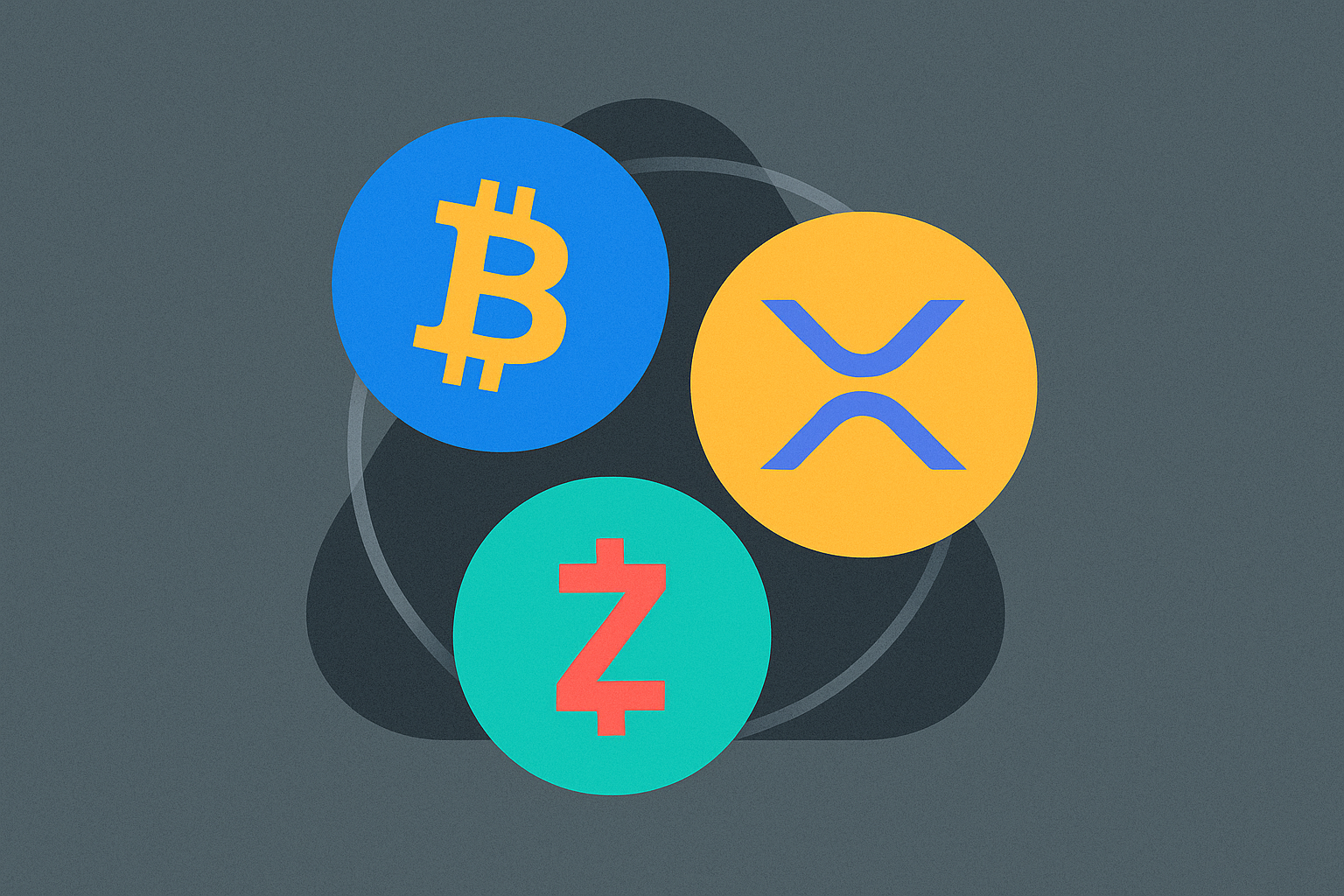
A prominent crypto whale, identified by wallet address 0x7b7, made a series of aggressive moves by opening three sizable short positions in just 13 hours. In the crypto world, a whale is an investor with massive holdings of digital assets, capable of influencing market price swings. In this instance, the whale took highly leveraged short positions across three major assets: Bitcoin, XRP, and Zcash.
Opening multiple short positions at once signals a strong bearish outlook for the near term. While this approach carries high risk, it also offers the potential for significant profits if the market moves as anticipated. However, using substantial leverage means the whale is staking a large amount of capital on a market downturn.
Leveraged Trade Details
The whale’s largest short position targeted Bitcoin with 40x leverage, valued at approximately $149.22 million at $96,065 per BTC. With 40x leverage, the whale only needed around $3.73 million in margin to control a nearly $150 million position. This extraordinary leverage demonstrates high conviction in Bitcoin’s price decline. But it also means that if Bitcoin rises by just 2.5%, the entire margin could be liquidated.
The second short was on XRP, using 20x leverage for about $27.85 million at $2.226 per XRP. Although this leverage is half that of Bitcoin, it’s still very risky. XRP is known for sharp price swings, especially given ongoing legal developments involving Ripple Labs. Shorting XRP at 20x leverage suggests the whale expects selling pressure to intensify soon.
The third position focused on Zcash, using 10x leverage for roughly $21.07 million at $652.9 per ZEC. While this is the lowest leverage among the three, Zcash’s lower liquidity compared to Bitcoin and XRP means slippage and liquidation risks remain substantial. Diversifying short positions across these assets may serve as a hedge or signal a belief in a broad market correction.
Risks and Losses
Current data indicates the 0x7b7 whale is facing an unrealized loss of about $1 million. This means the market has moved against the whale’s bet, with at least one or all three assets rising rather than falling. Unrealized losses are paper losses, only realized if positions are closed or liquidated.
With leverage this high, liquidation risk is ever-present. If Bitcoin climbs another 2-3%, the 40x leveraged short may be automatically liquidated, wiping out the whale’s entire margin. The XRP and Zcash shorts face similar risks if prices keep rising. A $1 million loss shows the market is trending upward, contrary to the whale’s bearish outlook.
Leverage in crypto trading is a double-edged sword—it magnifies both gains and losses. While profits can soar if the market moves as predicted, losses accelerate just as quickly when it moves against you. With all three major short positions currently underwater, the 0x7b7 whale must decide whether to cut losses or hold out for a reversal.
Market Implications
Whale 0x7b7’s trades offer valuable insights into market sentiment. Opening short positions totaling nearly $200 million signals real concerns about a potential market correction. However, a $1 million unrealized loss also highlights the strength of the current rally, with prices resisting short-selling pressure.
Retail investors often look to whale activity for directional signals. Yet, even highly experienced whales can misread the market. This underscores the importance of risk management and cautions against blindly chasing high-leverage bets without a clear strategy.
Tracking whale trades can reveal major capital flows in the crypto ecosystem. If 0x7b7 decides to cut losses and close short positions, it could spark fresh buying pressure and push asset prices higher. Conversely, if the market reverses and prices drop, the whale’s shorts could turn profitable, potentially triggering a domino effect as others pile into short trades.
Ultimately, the 0x7b7 case is a reminder of the crypto market’s volatility and unpredictability. Even whales with deep pockets and extensive experience face significant risks when using high leverage. Investors should remain cautious and always have a robust risk management strategy when trading on margin.
FAQ
What Is a Crypto Whale and Why Do They Move Markets?
A crypto whale is an individual or entity that holds a large amount of digital assets. Their large transactions can move prices and trigger market volatility. Industry watchers closely track whale behavior to anticipate market trends.
What Is a Short Position? How Do Unrealized Losses Work?
A short position bets on falling prices—selling first, then buying back later at a lower price. An unrealized loss is the negative difference between the current sale price and the anticipated buyback price.
How Do Whale Unrealized Losses Affect the Crypto Market?
A whale’s unrealized losses can fuel bearish sentiment, prompting panic selling, driving prices lower, reducing market liquidity, and undermining investor confidence.
What Strategies Do Crypto Whales Use to Manage Big Positions and Risk?
Crypto whales often spread trades and sell incrementally to manage large positions and risk. They may use algorithmic trading to optimize execution timing, minimizing market impact and exposure.
How Can You Track and Analyze Whale Trading Behavior?
Blockchain explorers like Etherscan let you monitor wallets and large-scale transactions. Watch for unusual fund flows, especially exchange transfers. Analyze trade patterns and timing to forecast market moves.
* The information is not intended to be and does not constitute financial advice or any other recommendation of any sort offered or endorsed by Gate.