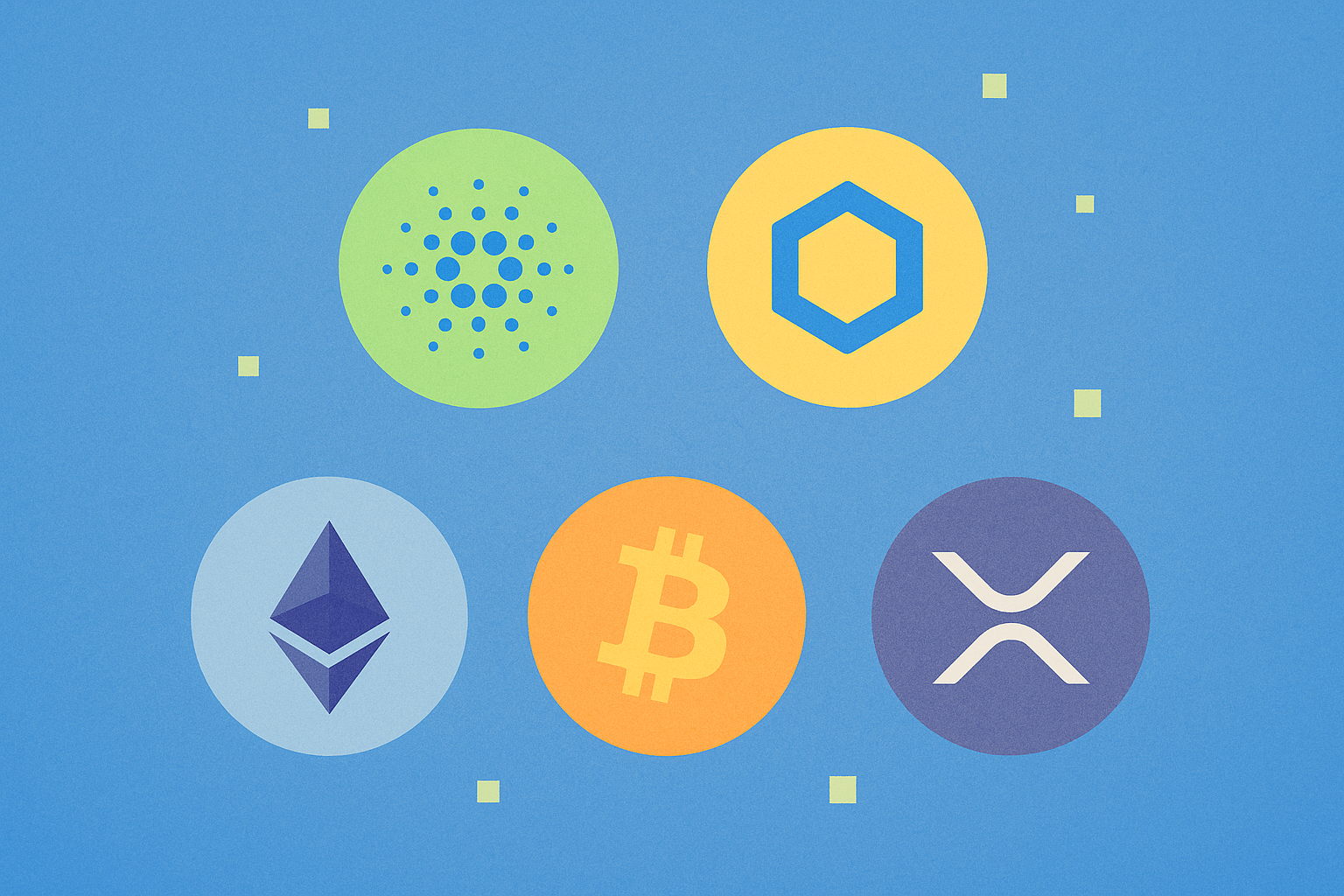
This comprehensive guide equips beginner traders with essential strategies for navigating meme coin trading in the Web3 era. The article provides critical market context, analyzing recent cryptocurrency performance across major assets and identifying undervalued opportunities amid market corrections. Readers will understand why short-term and medium-term holders face significant challenges while learning proven risk management techniques like dollar-cost averaging and portfolio diversification. The guide examines individual cryptocurrency performance including ADA, LINK, ETH, BTC, and XRP, helping traders identify high-risk but potentially rewarding assets. Additionally, it addresses common concerns through practical FAQs covering market volatility factors, recovery sustainability, and security considerations. Whether trading on Gate or analyzing blockchain metrics, this resource empowers beginners to make informed decisions while managing crypto market risks effectively.
The cryptocurrency market has experienced a turbulent period, with significant losses affecting both short-term and medium-term investors despite a modest recovery in recent trading sessions. This volatility reflects the ongoing challenges within the digital asset ecosystem, as market participants navigate uncertain macroeconomic conditions and shifting regulatory landscapes. The recent downturn has impacted major cryptocurrencies and altcoins alike, creating a complex environment for portfolio management and risk assessment.
Market data from wallets active over the past 30 days reveals a concerning trend of negative returns across multiple blockchain networks. This pattern suggests that the recent price rebounds have not been sufficient to offset earlier losses, leaving many investors in unrealized loss positions. The situation underscores the importance of long-term investment strategies in the cryptocurrency market, where short-term volatility remains a persistent characteristic.
Short-Term and Medium-Term Holder Losses
Investors who entered the cryptocurrency market within the past month have faced particularly challenging conditions, with portfolio valuations declining across major digital assets. The analysis of wallet activity provides valuable insights into holder behavior and market sentiment during this period of correction. Short-term holders, typically defined as those holding assets for less than 155 days, have been most severely impacted by the recent price movements.
Medium-term holders, while generally more resilient to short-term fluctuations, have also reported negative returns during this period. This widespread impact across different holder cohorts indicates a broader market correction rather than isolated price movements in specific assets. The sustained pressure on valuations has tested investor conviction and raised questions about near-term price trajectories for major cryptocurrencies.
Among major cryptocurrencies, Cardano (ADA) has experienced the most significant decline, with wallets reporting losses of 19.2% over the 30-day period. This substantial decrease places ADA in an extremely undervalued category according to technical analysis metrics, potentially presenting opportunities for value-oriented investors willing to accept elevated risk levels. The sharp decline in Cardano's valuation reflects both broader market pressures and project-specific factors affecting investor confidence.
Chainlink (LINK) has also faced considerable headwinds, recording losses of 13.0% during the same timeframe. This performance categorizes LINK as strongly undervalued relative to recent trading ranges. As a critical infrastructure provider for blockchain networks through its decentralized oracle services, Chainlink's price movement often serves as a barometer for broader decentralized finance (DeFi) sector sentiment.
Ethereum (ETH) and Bitcoin (BTC), the two largest cryptocurrencies by market capitalization, have demonstrated relatively modest declines compared to smaller-cap altcoins. Ethereum recorded losses of 6.3%, while Bitcoin experienced a 6.1% decrease, both classified as slightly undervalued. This comparative resilience suggests that established cryptocurrencies with deeper liquidity and institutional adoption continue to provide relative stability during market corrections.
XRP has shown the strongest relative performance among analyzed assets, declining only 4.7% over the period. This minimal decrease, classified as very slightly undervalued, may reflect ongoing positive sentiment surrounding recent regulatory developments and expanding use cases in cross-border payment systems. The cryptocurrency's resilience during this correction period highlights its distinct market dynamics compared to other major digital assets.
Market Sentiment and Future Outlook
The current market conditions have significantly impacted investor sentiment, with risk appetite declining across both retail and institutional segments. Trading volumes and on-chain activity metrics suggest a cautious approach from market participants, with many adopting wait-and-see strategies before committing additional capital. This sentiment shift has contributed to reduced volatility in recent sessions, though uncertainty remains elevated.
The widespread losses across different holder cohorts and asset categories underscore the challenges facing the cryptocurrency market in the near term. Market dynamics continue to be influenced by macroeconomic factors, regulatory developments, and technological advancements within blockchain ecosystems. Investors are closely monitoring these variables as they assess potential entry points and portfolio rebalancing opportunities.
Looking forward, market analysts emphasize the importance of fundamental analysis and risk management strategies in navigating the current environment. While short-term price movements remain difficult to predict, the underlying technology and adoption trends in blockchain networks continue to develop. Patient investors with longer time horizons may view current valuations as potential accumulation opportunities, though careful consideration of individual risk tolerance and investment objectives remains essential.
The cryptocurrency market's resilience and recovery potential will likely depend on multiple factors, including broader financial market stability, regulatory clarity, and continued innovation within the blockchain sector. As the market matures, understanding these dynamics becomes increasingly important for informed investment decision-making in digital assets.
FAQ
Why has the cryptocurrency market experienced losses recently? What are the main reasons?
Recent crypto market losses stem primarily from large-scale liquidations of circular loans and deleveraging by market makers. These factors caused a sharp decline in market liquidity, triggering broader sell-offs across digital assets.
What strategy should investors adopt during cryptocurrency market downturns?
Consider dollar-cost averaging to reduce risk exposure. View price dips as buying opportunities for long-term holdings. Maintain portfolio diversification, strengthen risk management, and stay informed on market trends to make strategic decisions.
Is the cryptocurrency market recovery sustainable? What are the future prospects?
The recovery's sustainability depends on regulatory support and market demand. Positive momentum from recent events suggests continued upside potential through 2026, though macroeconomic factors and policy changes remain key drivers of market direction.
What factors influence cryptocurrency market price fluctuations?
Cryptocurrency prices are influenced by supply and demand dynamics, investor sentiment, regulatory policies, macroeconomic conditions, technological developments, and trading volume. These factors collectively drive market volatility and price movements.
What are the main risks to pay attention to when investing in cryptocurrencies?
Main risks include high volatility, lack of regulation, security vulnerabilities, and market manipulation. Prices can fluctuate dramatically, potentially causing significant losses. Investors should understand these risks before participating in cryptocurrency markets.
Why is cryptocurrency market volatility so much higher compared to traditional financial markets?
Crypto market volatility stems from emerging market stage, limited token supply, extreme sensitivity to news and sentiment, regulatory uncertainty, and rapid technical developments. These factors create price swings far exceeding traditional markets.
* The information is not intended to be and does not constitute financial advice or any other recommendation of any sort offered or endorsed by Gate.