Explore how inflation affects cryptocurrency markets, including Bitcoin and Ethereum. This in-depth analysis covers market trends, investor behavior, and Gate fund flows. Find effective strategies to hedge against inflation using the Gate platform.
Understanding the Impact of Inflation on Cryptocurrency Markets
Inflation has become a crucial macroeconomic driver, significantly shaping the direction of global cryptocurrency markets. As traditional financial systems face heightened inflationary pressure and continuous price increases, digital assets—especially major cryptocurrencies—are increasingly seen as attractive alternative investments and potential safe havens.
This shift is fueled by several key factors, particularly the decentralized nature of cryptocurrencies and, in some cases, their limited supply, which positions them as potential hedges against the erosion of purchasing power in fiat currencies. This article explores in depth how inflation, especially in the US—which is a major engine for global markets—affects cryptocurrency market dynamics. It also highlights the primary macroeconomic trends that investors and traders should monitor closely to make well-informed decisions.
The Role of US Inflation Data in Cryptocurrency Market Movements
The US Personal Consumption Expenditures (PCE) inflation report is a critically important economic indicator for both traditional financial and cryptocurrency markets. The Federal Reserve favors this metric over the Consumer Price Index (CPI) because it more accurately reflects real consumption patterns and accounts for shifts in consumer behavior.
Core PCE inflation, which excludes volatile food and energy prices for greater stability, has surpassed the Fed’s 2% target for 55 consecutive months, clearly signaling persistent, deeply rooted inflationary pressures in the US economy. This environment presents substantial challenges for monetary policymakers and creates uncertainty across all asset classes, including digital assets.
Why Is PCE Inflation Important for Cryptocurrencies?
-
Federal Reserve Monetary Policy Decisions: Persistent, elevated inflation often prompts the Fed to adjust benchmark interest rates to curb inflationary pressure. Conversely, a lower-than-expected inflation report could lead to rate cuts or at least a pause in rate hikes, fostering a more favorable environment for riskier assets like cryptocurrencies. Lower borrowing costs stimulate investment in alternative assets and boost market liquidity.
-
Bond Yields and Digital Asset Prices: When US 10-year Treasury yields fall below 4%, leading digital asset prices can see significant gains. Lower returns on traditional safe instruments make riskier, higher-yielding assets like cryptocurrencies relatively more appealing to investors seeking better returns. This inverse relationship between bond yields and digital asset prices has become increasingly pronounced in recent years.
-
Institutional Investor Behavior: Large institutional investors—including hedge funds, pension funds, and asset managers—increase exposure to leading digital assets when inflation stabilizes or recedes, viewing them as modern stores of value and effective hedges against fiat currency depreciation. This institutional shift marks a major step in the maturity of the cryptocurrency market.
Major Digital Asset Volatility: What the Data Reveals
The implied volatility index for leading cryptocurrencies is relatively low at 36%, signaling that the market expects around a 1.88% price swing in 24 hours. This level is historically low, indicating greater market maturity and more stable investor sentiment.
By contrast, many alternative cryptocurrencies display much higher volatility, with some emerging assets showing 30–40% greater price swings than their more stable leading counterparts. This disparity highlights differences in market capitalization, liquidity, maturity, and institutional acceptance across digital assets.
Key Points on Volatility Patterns
-
Leading Digital Assets: Lower relative volatility reflects increasing market stability and maturity, making these assets preferable for institutional and individual investors who seek more predictable digital investments and lower risk. This stability also strengthens their appeal as long-term hedging tools.
-
Emerging Alternative Cryptocurrencies: High volatility in alternative and emerging assets creates significant opportunities for active traders aiming for rapid profits, but also introduces greater risks and the possibility of steep losses. Trading these assets requires advanced expertise and rigorous risk management.
ETF Flows and Market Sentiment
Exchange-traded funds (ETFs) tied to leading digital assets have recently seen substantial outflows, signaling a clear shift in market sentiment as some investors take profits or reassess their positions. For example, major funds have reported withdrawals of $113 million, while others reversed previous inflows with $31 million in outflows.
These outflows do not necessarily indicate long-term loss of confidence in digital assets; rather, they may result from short-term tactical factors such as portfolio rebalancing or profit-taking after strong rallies.
Market Implications of ETF Flows
-
Arbitrage Desk Exits: A significant portion of recent withdrawals is due to professional arbitrage desks exiting positions as price spreads narrow across markets, reducing arbitrage opportunities. This reflects growing market maturity and improved pricing efficiency across trading platforms.
-
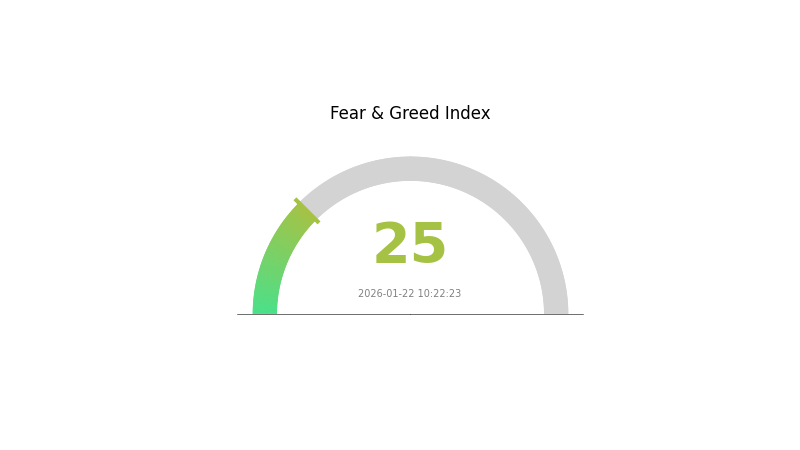
Overall Market Sentiment: The crypto fear and greed index—a popular sentiment gauge—dropped from 27 to 25, indicating a modest but notable decline in market sentiment and increased caution among participants. This level places the market in the "fear" zone, which may represent a buying opportunity for longer-term investors.
Alternative Cryptocurrency Behavior Amid Macroeconomic Shifts
Alternative and emerging cryptocurrencies often exaggerate the price movements of leading digital assets—whether upward or downward—due to their high correlation with the broader market and heightened sensitivity to sentiment changes. Some alternative assets have shown volatility 30–40% above leading digital assets, underscoring their speculative nature and smaller market sizes.
This amplified behavior presents unique opportunities and challenges for investors. During strong rallies, alternative cryptocurrencies can deliver returns far exceeding those of leading assets. However, in downturns, they may suffer significantly larger losses, necessitating stricter risk management strategies.
A Closer Look at Alternative Asset Dynamics
-
Emerging Alternatives: After sharp surges, many alternative cryptocurrencies face heavy selling and price corrections, highlighting the difficulty of sustaining upward momentum without robust technical development or real adoption. This pattern stresses the importance of thorough fundamental analysis before investing in these assets.
-
Volatility and Liquidity: High volatility and fluctuating liquidity in some alternatives make them a double-edged sword, offering significant profit potential but also higher risk of loss. Investors should carefully assess risk-reward profiles before allocating capital to these assets.
On-Chain Data: Long-Term Accumulation Trends
Despite short-term volatility and price corrections, on-chain data reveals a strong accumulation trend for leading digital assets among long-term holders. Exchange-held digital asset balances have reached seven-year lows, indicating that long-term holders remain highly confident in the future value and potential of these assets.
This movement of assets from trading platforms into private wallets signals an intention to hold long term and reluctance to sell at current price levels—a healthy sign of underlying demand strength.
What Do Accumulation Trends Mean for the Market?
-
Supply and Demand Dynamics: Lower balances on exchanges mean limited selling pressure in spot markets, which could support price stability in the medium term and provide a strong foundation for future rallies. When available supply is tight, even modest demand increases can drive substantial price appreciation.
-
Rising Institutional Adoption: Ongoing accumulation by institutional investors and large corporations enhances digital assets’ appeal as legitimate investments and effective hedges against inflation and portfolio risk. This institutional adoption signals a structural shift in the digital asset market.
Trading Volume Trends and Their Market Impact
The total crypto market capitalization fell by 2.1% in the latest session, alongside a larger 15.4% drop in overall trading volume. This dual decline reflects cautious, hesitant market behavior amid ongoing macroeconomic uncertainty and unclear future monetary policy.
The sharp fall in trading volumes indicates that many participants prefer to stay on the sidelines rather than make large new trades, reflecting short-term directional uncertainty.
Key Observations on Trading Volumes
-
Liquidity Impact of Declining Volumes: Lower trading activity often leads to reduced market liquidity, which can amplify price volatility and widen bid-ask spreads, making large trades more difficult and costly. This creates a more challenging environment for major institutional traders.
-
Volumes and Market Sentiment: Shrinking volumes closely track the drop in the fear and greed index, signaling a general risk-averse and cautious investor environment. Periods of low volumes often precede either sustained stability or sharp price moves in either direction.
Conclusion: Navigating Cryptocurrency Markets During Inflation
Inflation remains a central macroeconomic force fundamentally shaping the modern cryptocurrency market and its complex dynamics. From crucial Fed interest rate decisions and their broad asset-class impacts, to ETF flows reflecting institutional sentiment and on-chain accumulation trends revealing holder confidence, a wide range of interconnected economic and technical variables drive market behavior in multifaceted ways.
While lower volatility in major digital assets offers stability and predictability for conservative investors, alternative and emerging cryptocurrencies present greater opportunities and heightened risks, requiring a balanced, diversified portfolio approach.
For serious cryptocurrency investors and traders, staying continuously informed about macroeconomic developments and their direct and indirect effects on digital assets is essential for long-term success. By mastering the interplay among inflation, central bank policy, institutional investor behavior, and market sentiment, market participants can effectively navigate the evolving challenges of the cryptocurrency landscape and make well-grounded, informed investment decisions.
FAQ
How Does Inflation Affect the Value of Bitcoin and Other Cryptocurrencies?
Inflation boosts demand for Bitcoin as a safe haven; its limited supply protects against value erosion, making it an effective hedge. Cryptocurrencies benefit when fiat currencies weaken during periods of high inflation.
Can Digital Assets Serve as an Effective Hedge Against Inflation?
Yes. Digital assets like Bitcoin and Ethereum are strong inflation hedges. Their limited supply and decentralized nature effectively protect purchasing power, especially in high-inflation environments.
How Do Central Bank Monetary Policy Changes Impact the Cryptocurrency Market?
Central bank policy directly influences crypto prices. Interest rate hikes reduce demand for high-risk assets like cryptocurrencies, while rate cuts boost interest. Inflation also drives investors toward Bitcoin and digital assets to protect capital, gradually raising prices.
What Are the Investment Risks for Cryptocurrencies During Global Recession or High Inflation?
Cryptocurrencies offer effective hedging against inflation and recession. During financial instability, investors turn to digital assets as safe alternatives. Rising demand for Bitcoin and altcoins can lead to substantial price appreciation in economic crises.
How Do Higher Interest Rates Affect Digital Asset Prices?
Rising interest rates increase borrowing costs, reducing investment in high-risk assets such as cryptocurrencies. Investors shift to safer, fixed-yield assets, putting downward pressure on crypto prices.
How Should a Crypto Portfolio Be Structured in a High-Inflation Environment?
Prioritize digital assets with real utility, such as Bitcoin and Ethereum, and allocate a portion to stablecoins. Increase crypto exposure as an inflation hedge, and avoid high-risk tokens during such periods.
How Do Macroeconomic Indicators (GDP, Unemployment) Affect the Crypto Market?
Macroeconomic indicators closely correlate with crypto market trends. Falling GDP or rising unemployment increases demand for cryptocurrencies as safe havens. Monetary policy and inflation directly affect digital asset value and investor appeal.
What Is the Long-Term Outlook for the Cryptocurrency Market? Can It Become a Mainstream Asset Class?
Cryptocurrencies are poised for rapid growth and mainstream adoption by 2030. Greater institutional participation and clear regulation will build trust. Blockchain technology will deliver real-world use cases driving long-term value.
* The information is not intended to be and does not constitute financial advice or any other recommendation of any sort offered or endorsed by Gate.