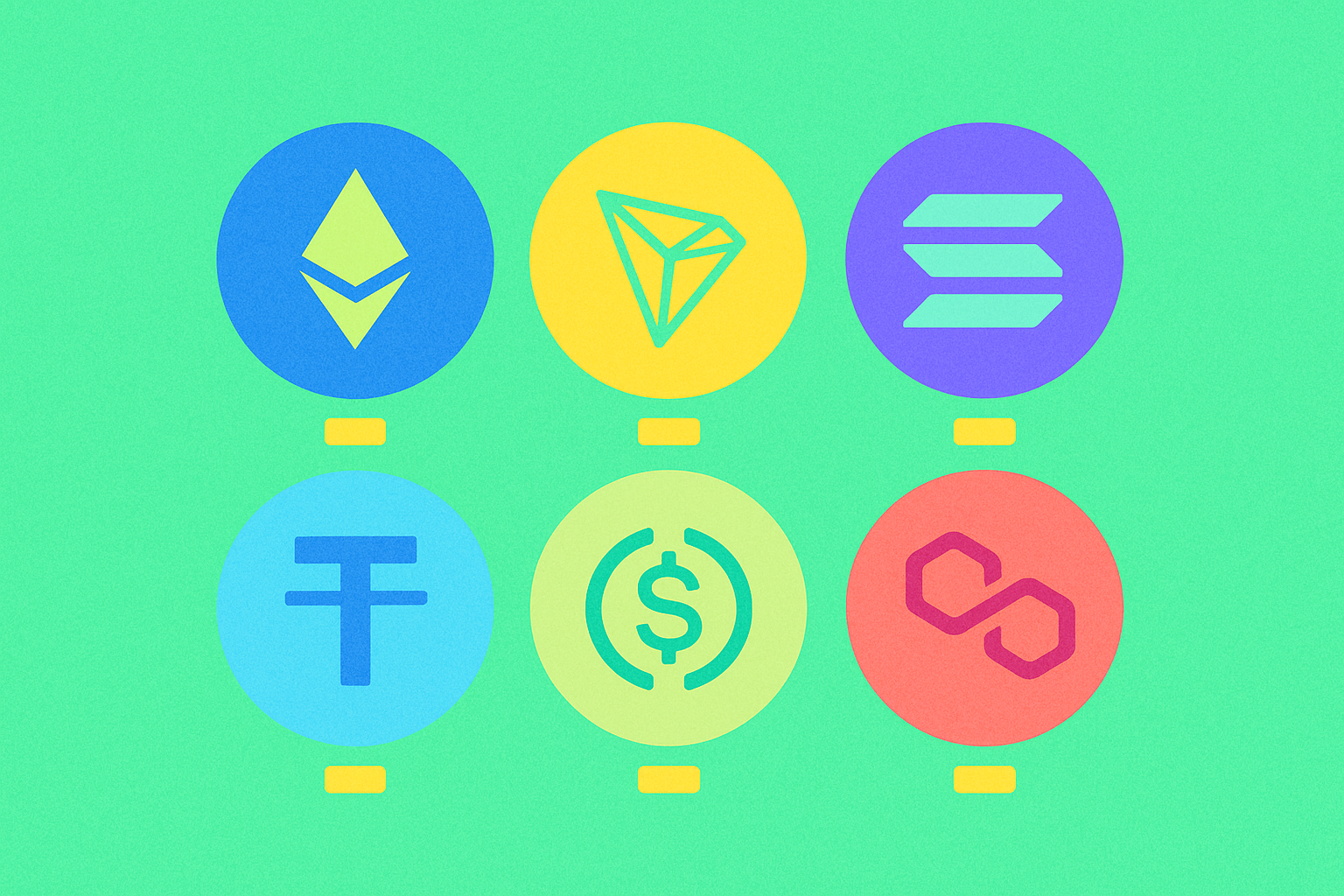
Experience the rapid surge in cryptocurrency trading volume across Latin America in 2024, reaching $27 billion. Explore stablecoin dominance, expanding blockchain adoption, and investment opportunities available on Gate.
Explosive Growth of the Crypto Market in Latin America
The cryptocurrency market in Latin America has seen tremendous growth in recent years, with trading volumes reaching $27 billion—a ninefold increase over previous years, according to Coinomedia. This surge reflects the region’s rising adoption of digital assets, fueled by the search for alternative financial solutions, protection against inflation, and access to more efficient financial services.
Latin America has emerged as one of the world’s most dynamic markets for cryptocurrencies. This trend is driven by the region’s unique economic conditions, including local currency volatility, high inflation rates in some countries, and ongoing efforts by users to preserve their asset value.
Absolute Dominance of Stablecoins
Stablecoins have become the backbone of Latin America’s crypto ecosystem, accounting for more than 90% of total transaction volume. Tether (USDT) and USD Coin (USDC) are the clear leaders, earning the trust of millions across the region.
Users favor stablecoins because they deliver price stability by being pegged to the US dollar, making them ideal for everyday transactions, international remittances, and as a hedge against local currency volatility. Latin Americans use these stable assets as practical tools for payments, savings, and money transfers—offering greater efficiency than traditional banking systems.
Blockchain Infrastructure: Networks Driving Adoption
Crypto market growth in Latin America is supported by the adoption of multiple blockchain networks, each offering distinct advantages. Ethereum, the leading network for smart contracts, provides the foundation for decentralized applications and complex tokens. Tron stands out for low-cost transactions, making it especially popular for stablecoin transfers.
Solana has rapidly gained traction due to its high processing speed and minimal fees, making it a top choice for users executing multiple daily transactions. Polygon delivers scalability solutions for Ethereum, enabling fast, low-cost transactions without compromising security. This range of options gives users with different needs and budgets efficient access to the crypto ecosystem.
Localization Trend: Stablecoins in Regional Currencies
One of Latin America’s most significant market developments is the rise and adoption of stablecoins pegged to local currencies. Stablecoins backed by the Brazilian real (BRL) grew 660% year-over-year, highlighting increasing demand for crypto solutions tied to local economies.
Even more remarkable, tokens tied to the Mexican peso (MXN) grew an extraordinary 1,100-fold. This trend points to the localization of cryptocurrencies, as users seek to combine blockchain’s advantages with the familiarity and relevance of their national currencies.
The growing adoption of local stablecoins marks a major shift in crypto usage: beyond speculation, Latin Americans are using digital assets for real payments, remittances, and daily transactions. This practical application helps solve major financial challenges in countries like Brazil and Mexico, such as limited banking access, high remittance costs, and the need for efficient, accessible alternatives for millions across the region.
FAQ
Why do stablecoins dominate crypto volume in Latin America?
Stablecoins prevail because they provide stability against local inflation and weak currencies. In countries like Argentina, they serve as alternative digital dollars. Stablecoins also enable low-cost international remittances and are preferred by institutions and businesses for secure settlements.
What drives the $27 billion surge in crypto volume across the region?
The surge is fueled by widespread stablecoin adoption, the growth of DeFi, and rising demand for digital assets. Technological innovation and decentralization are attracting more investors to Latin America’s crypto ecosystem.
Which stablecoins are most used in Latin America, and what is their impact on the local economy?
Tether USDT and USD Coin are the most widely used stablecoins in Latin America, lowering transaction costs and driving financial inclusion. Their widespread adoption strengthens the region’s digital economy, enabling cross-border payments and access to decentralized financial services.
How does Latin America’s crypto volume compare to other regions?
Latin America holds a substantial $27 billion in crypto volume, making it a key global market. The region stands out for its strong demand for stablecoins and accounts for roughly 8–10% of global crypto volume.
What role do stablecoins play in Latin America’s financial inclusion?
Stablecoins support financial inclusion by providing secure value storage and accessible transfers for people without traditional banking, significantly improving financial access across the region.
What regulatory risks does Latin America’s crypto market face?
The market faces risks related to anti-money laundering, tax evasion, and illicit finance regulations. Authorities are tightening oversight and compliance rules. A lack of clear frameworks creates uncertainty, but the trend is toward stricter regulation and greater investor protection.
Which Latin American countries lead in crypto adoption?
Brazil, Venezuela, and Argentina are the top adopters of cryptocurrencies in Latin America, leading the region in transaction volume—primarily driven by stablecoins.
* The information is not intended to be and does not constitute financial advice or any other recommendation of any sort offered or endorsed by Gate.