CryptoQuant's on-chain data shows that the cryptocurrency market is in a correction phase, not a bear market. This analysis outlines the road to recovery, highlighting the rise in realized market capitalization, Bitcoin outflows, and key spot market indicators. Essential reading for Web3 investors seeking in-depth market insights.
CryptoQuant Market Analysis Overview
CryptoQuant’s analysis shows that the cryptocurrency market is currently experiencing a correction rather than entering a bear market. This conclusion draws on a comprehensive review of multiple on-chain data points and market indicators. While prices have fallen, metrics reflecting the market’s underlying health remain robust, and there are no signs of a sustained bearish phase.
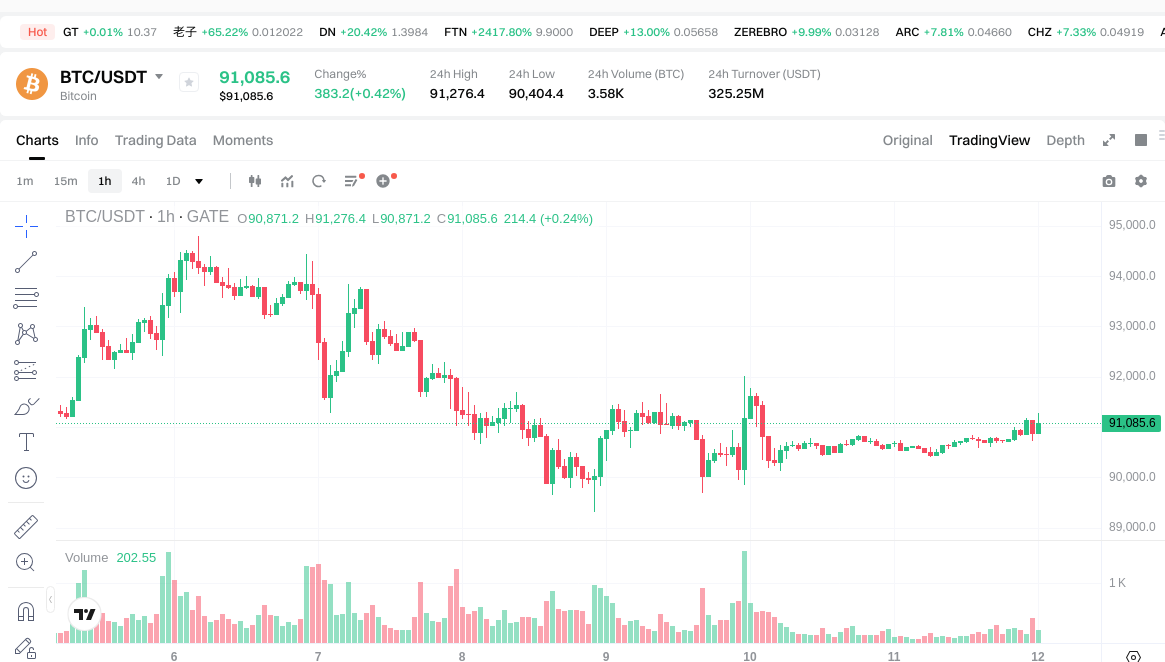
This perspective offers valuable guidance to help investors distinguish between short-term volatility and longer-term market trends. Corrections are a normal part of healthy market cycles and do not justify excessive pessimism.
The analysis highlights notable trends in Realized Market Cap (RC). Despite declining prices, RC continues to climb. Realized Market Cap represents the aggregate value of all Bitcoins based on the price at which each coin last moved, reflecting the average acquisition cost for market participants.
RC’s rise signals that new investors are entering the market at higher price levels. This indicates strong distribution, with assets actively transferring from existing holders to new participants. Buyers entering at higher cost bases demonstrate market confidence and may provide long-term price support.
This pattern is uncommon in the early stages of a bear market, where RC generally falls alongside price. The current increase supports the view that the market is undergoing a correction.
Bitcoin Net Flow Analysis
CryptoQuant’s analysis also identifies a negative 30-day average net flow, a key indicator showing continuous Bitcoin outflows from exchanges.
Exchange outflows suggest investors are moving assets into cold wallets or personal wallets for long-term holding. This trend points to reduced selling pressure and shows participants remain focused on long-term value, despite short-term price swings.
This pattern typically reflects market health during correction phases. In bear markets, panic selling often leads to increased inflows to exchanges, but the current trend is the opposite. Investor behavior suggests confidence in a market recovery following temporary adjustments.
Similar Patterns in Spot ETFs
The report also discusses trends in spot ETFs, noting that Bitcoin spot ETFs exhibit patterns similar to the broader market.
While outflows exist, their scale is limited compared to previous growth periods. This suggests both institutional and retail investors are maintaining Bitcoin exposure through ETFs. The lack of substantial outflows underscores continued confidence in Bitcoin’s long-term value.
Spot ETFs serve as a vital bridge between traditional financial markets and the crypto sector. Stable flows in ETFs reflect ongoing institutional participation, highlighting the market’s growing maturity and reliability.
Conclusion: Correction Phase, Not Bear Market
CryptoQuant’s comprehensive findings strongly indicate the cryptocurrency market is in a correction phase. Although momentum has temporarily slowed, there is no evidence supporting the start of a multi-year bear market.
The three core indicators—rising Realized Market Cap, Bitcoin outflows from exchanges, and limited spot ETF outflows—all point to fundamental market strength. Together, these metrics confirm that the current price correction is part of a healthy cycle, not a shift to a lasting bearish trend.
This analysis encourages investors to remain rational. Instead of reacting to short-term price movements, it is essential to assess true market conditions using on-chain data and key indicators. Corrections present opportunities to reassess long-term strategies and rebalance positions.
FAQ
What is CryptoQuant? What on-chain metrics does it provide?
CryptoQuant is a blockchain analytics platform offering metrics for Bitcoin, Ethereum, and stablecoins. Users can access on-chain data via API, Python, R, or Excel.
What’s the difference between a market correction and a bear market?
A market correction is a temporary decline of 10 to 20 percent. A bear market is a prolonged drop exceeding 20 percent. Corrections are normal fluctuations; bear markets reflect deeper economic weakness.
How can CryptoQuant data be used to determine if the crypto asset market is in a correction or a bearish trend?
If the Bitcoin Cycle Momentum Indicator (BCMI) drops below 0.5, it could indicate bearish conditions. Corrections are short-lived, while bear markets persist longer. Monitoring on-chain metrics and trading volume is critical.
Which CryptoQuant metrics best reflect market sentiment and trends?
The SOPR metric most accurately captures market sentiment. SOPR measures the ratio of investors’ spending to output, revealing market psychology. High SOPR signals optimism; low SOPR points to pessimism, making it an essential trend indicator.
How should investors leverage CryptoQuant data when making decisions in a bear market?
In a bear market, use CryptoQuant’s on-chain metrics to track active addresses and transaction volumes to identify market trends. These indicators help gauge sentiment and spot potential accumulation opportunities.
How effective is on-chain data analysis for predicting crypto market fluctuations?
On-chain analysis visualizes asset flows and trading behavior, providing vital insights into market trends. This empowers investors to make better-informed decisions.
* The information is not intended to be and does not constitute financial advice or any other recommendation of any sort offered or endorsed by Gate.









