Discover secure Dogecoin investment strategies through comprehensive technical analysis, on-chain metrics, market sentiment evaluation, and robust risk management. This guide to trading meme coins on Gate is tailored for novice investors.
Understanding Dogecoin Price Surges: Key Factors and Critical Insights
Dogecoin, a cryptocurrency inspired by a popular meme, has become one of the most closely followed digital assets in the crypto market. In recent years, Dogecoin has seen multiple notable price rallies, drawing significant attention from both retail and institutional investors. This article offers an in-depth analysis of the primary drivers behind Dogecoin's price volatility, including detailed technical analysis, essential on-chain metrics, market sentiment, and influential external factors.
Grasping these dynamics not only empowers investors to make well-informed decisions but also helps them navigate the highly volatile market landscape more effectively. Whether you're a seasoned professional or just beginning your journey in crypto, understanding the mechanisms and factors impacting Dogecoin's price provides a critical foundation for your investment strategy.
Technical Analysis of Dogecoin Price Patterns
Technical analysis is indispensable for assessing and forecasting Dogecoin’s price trends. Professional traders rely on chart patterns and key price levels to identify potential breakout or reversal points. Mastering these technical tools allows investors to objectively evaluate market momentum.
The following are the most important technical factors affecting Dogecoin's price movements:
-
Ascending Triangle (Ascending Triangle): This is one of the most powerful bullish patterns in technical analysis. It features a rising trendline below and a flat resistance level above, indicating growing buying pressure. A breakout above the resistance typically triggers a strong rally as substantial buy orders are activated. Historically, before breaking out and surging over 50% in a few weeks, Dogecoin has formed ascending triangles in previous bull runs.
-
Price Channels and Wedges: Dogecoin often trades within ascending channels, framed by two parallel trendlines that create a predictable price corridor. This reflects a steady and forecastable uptrend. Wedge formations, especially falling wedges, frequently precede sharp upward breakouts. An upside breakout from a wedge typically serves as a strong buy signal for investors.
-
Key Resistance Levels: Dogecoin must clear several psychological resistance zones to sustain upward momentum. The $0.20, $0.23, $0.28, and $0.30 levels are considered significant barriers. Each time Dogecoin surpasses a resistance level, it often enters a consolidation phase before climbing higher. The long-term $1 mark remains a key psychological milestone for many investors, and a break above $0.30 could pave the way toward this target.
-
Support Levels (Support Levels): Conversely, the $0.17 and $0.18 levels act as strong support zones. These are price points where intense buying pressure usually prevents deeper declines. Maintaining price above these supports is essential for Dogecoin to continue its uptrend. If these levels are breached, the market may enter a deeper correction.
Whale Accumulation and On-Chain Indicators
The actions of "whales"—large Dogecoin holders—exert significant influence on price trends. On-chain metrics provide transparent insight into the behavior of these major players, enabling retail investors to interpret the intentions of big holders.
Key on-chain metrics to watch include:
-
HODL Waves: This tool analyzes the age distribution of coins, indicating the percentage of Dogecoin that has not moved over various timeframes (1 month, 3 months, 6 months, 1 year, etc.). A rising share of long-term holders signals growing confidence in Dogecoin’s future and a reluctance to sell in the short term. Reduced selling pressure sets the stage for price increases when new capital enters the market.
-
Spent Coins Age Band: This metric tracks transactions of coins that remained dormant for long periods. A significant decrease in the sale of old coins indicates even long-term holders are unwilling to sell, reflecting optimistic sentiment. Conversely, if old coins move to exchanges in large numbers, it may signal impending selling pressure.
-
Whale Accumulation: On-chain data shows that wallets holding 100 million to 1 billion DOGE—so-called mid-tier whales—have been actively accumulating. This behavior reflects strong conviction from large financial players in Dogecoin’s price potential. As whales accumulate, available market supply shrinks, putting upward pressure on price if demand rises.
Speculation About Dogecoin ETF Listing
The potential launch of a Dogecoin ETF (Exchange-Traded Fund) has become a hot topic within the crypto community. While no official announcements have been made by regulators or major asset managers, this speculation has sparked notable optimism among investors.
A Dogecoin ETF could offer several key benefits. First, it would give both institutional and retail investors access to Dogecoin through traditional investment channels, without the technical complexities of digital wallet management or security concerns. Second, involvement from large financial institutions would boost liquidity and reduce price volatility. Third, ETF approval would increase Dogecoin’s legitimacy and official recognition in the global financial system.
However, it’s important to note that crypto ETF approvals tend to be lengthy and involve rigorous regulatory scrutiny. Investors should closely monitor official updates and avoid making decisions based solely on speculation.
Dogecoin’s Correlation with Bitcoin and Altcoin Market Trends
Dogecoin’s performance is closely linked to Bitcoin and the broader altcoin market. Understanding this relationship gives investors a more comprehensive view of market dynamics and supports informed decision-making.
During bull markets, Dogecoin typically sees much higher volatility than Bitcoin. A 10% move in Bitcoin can result in a 20–30% or greater move in Dogecoin. This is typical of lower-cap, more speculative altcoins. However, it also means Dogecoin is likely to fall harder during corrections.
Historical data shows that Dogecoin’s explosive rallies often occur during or just ahead of altcoin season—periods when alternative cryptocurrencies outperform Bitcoin. Many analysts view Dogecoin as an early indicator of altcoin sentiment. When Dogecoin begins to rally sharply, it often signals capital is shifting from Bitcoin into altcoins, creating opportunities marketwide.
Historical Price Patterns and Future Outlook
Analyzing Dogecoin’s historical price cycles delivers valuable lessons for anticipating future trends. Historically, Dogecoin has experienced explosive bull runs followed by deep corrections.
At its strongest, Dogecoin has delivered multi-thousand percent gains within months. For example, during one period, Dogecoin surged from below $0.01 to nearly $0.70—a gain of over 7,000%. However, these rapid rallies have been followed by sharp declines of up to 70–80% from the peak.
These recurring patterns highlight the importance of risk management and prudent profit-taking. Investors must recognize that outsized profit potential comes with commensurate risk. Setting clear price targets, employing stop-loss orders, and avoiding overexposure are essential principles for trading Dogecoin.
External Factors Fueling Dogecoin’s Price
Unlike many crypto projects driven by technology or practical applications, Dogecoin’s price is greatly influenced by external factors, especially community sentiment and social media buzz.
-
Celebrity Endorsements: Comments and actions by influential figures—especially Elon Musk—have repeatedly triggered sharp Dogecoin price surges. A single tweet from such individuals can drive Dogecoin up 20–30% in just a few hours. However, this dependency also introduces risk, as sentiment can reverse quickly if positive signals dry up.
-
Social Media Trends: The Dogecoin community on Reddit, Twitter, and TikTok is highly active and capable of launching viral campaigns. Community-led events like "Doge Day" or viral challenges have repeatedly helped push prices higher. Community strength is a key factor distinguishing Dogecoin from other cryptocurrencies.
While these factors can create rapid profit opportunities, they also lead to extreme volatility and unpredictability. Investors should be cautious and avoid basing decisions solely on rumors or fleeting social media trends.
Downside Risks and Challenges
Despite its positive outlook, Dogecoin faces significant risks and challenges that investors must consider to develop sound strategies.
-
Unstable Trading Volume: Dogecoin’s trading volume can fluctuate significantly. During quiet periods without major news or events, liquidity can dry up, making it difficult to execute large trades without impacting price and leading to wider price swings.
-
Failure to Overcome Key Resistance: If Dogecoin is unable to break through psychological resistance levels such as $0.23 or $0.28, momentum may stall, resulting in sideways or corrective price action. Multiple failed attempts can lead to buyer fatigue, opening the door for sellers to take control.
-
Overdependence on External Factors: Dogecoin’s reliance on celebrity news and social media trends makes it vulnerable. Without new positive signals, price can drop quickly as earlier buyers take profits. Negative news or controversies involving Dogecoin advocates can also weigh on price.
-
Lack of Clear Real-World Use Cases: Compared to blockchain projects with specific applications, Dogecoin is used mostly as a payment method and speculative asset. The absence of breakthrough technological use cases or a robust ecosystem may limit its long-term growth.
The Impact of Broader Crypto Market Sentiment
Wider crypto market sentiment plays a decisive role in Dogecoin’s price swings. As a highly speculative asset, Dogecoin reacts sharply to shifts in investor mood.
Positive drivers—such as regulatory clarity, major institutions investing in Bitcoin, or news of large companies accepting crypto payments—can boost market confidence. When sentiment turns bullish, capital often flows into altcoins like Dogecoin, fueling strong rallies.
Conversely, negative developments—such as regulatory crackdowns, major exchange hacks, or macroeconomic downturns—can dampen sentiment and trigger broad sell-offs. In such periods, Dogecoin is often among the hardest hit due to its high-risk profile.
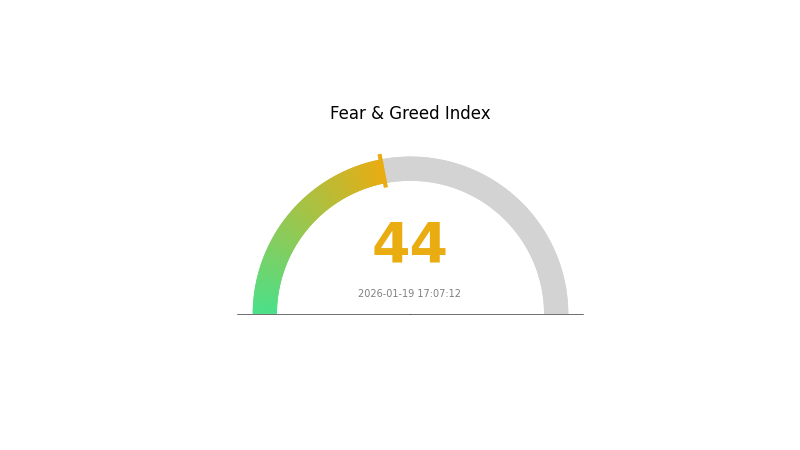
Investors should monitor sentiment indicators like the Fear & Greed Index, total market trading volume, and Bitcoin’s trend to assess the investment environment.
Conclusion
Dogecoin’s price rallies are driven by a complex interplay of factors: technical patterns, on-chain metrics, market sentiment, and external influences. While the potential for significant profit is real, investors must be fully aware of the risks involved.
To succeed with Dogecoin, employ a multi-faceted analytical approach: use technical analysis for timing entries and exits, monitor on-chain data to track whale activity, stay updated on news and sentiment, and—most importantly—implement robust risk management strategies.
Never invest more than you can afford to lose, diversify your portfolio, and avoid letting emotion govern your decisions. By understanding the factors that drive Dogecoin’s price and maintaining strict investment discipline, you’ll be better equipped to navigate the volatile crypto market and seize the opportunities Dogecoin presents.
FAQ
What is Dogecoin? What factors drive its price up?
Dogecoin is a cryptocurrency launched in 2013 as a joke, but it has since become one of the largest digital assets. Its price is driven by strong community support, social media momentum, and celebrity endorsements. Dogecoin has unlimited supply and is used for peer-to-peer transfers and online tipping.
How do you use technical indicators and chart patterns to predict Dogecoin’s price trends?
Apply indicators such as RSI, MACD, and chart patterns like inverse head and shoulders to forecast Dogecoin’s price. When indicators and patterns align, they can signal a potential price increase. Historical data suggests these cyclical peaks often repeat.
What are the main risks when investing in Dogecoin? What security issues should be considered?
Major risks include high volatility, lack of practical use cases, and overall market risk. For security, protect your private keys, avoid phishing attempts, and use secure wallets.
How does Dogecoin differ from Bitcoin, Ethereum, and other cryptocurrencies?
Dogecoin uses the Scrypt algorithm and has unlimited supply, mainly serving as a tipping and micro-payment currency. Unlike Bitcoin (a store of value) and Ethereum (a smart contract platform), Dogecoin is positioned as a fun, decentralized payment coin with a vibrant community.
When is the best time to buy and sell during Dogecoin’s price cycles?
The optimal time to buy is at the end of a downtrend or start of an uptrend, when prices are low. Watch for rising trading volume and positive technical signals. Sell when prices peak or momentum slows.
How much do social media and celebrity endorsements impact Dogecoin’s price?
Social media and celebrity endorsements significantly influence Dogecoin’s price. Statements from public figures and viral social trends are major drivers of price volatility. During major events, Dogecoin’s price can surge by more than 150%.
* The information is not intended to be and does not constitute financial advice or any other recommendation of any sort offered or endorsed by Gate.