This article examines how El Salvador's groundbreaking Bitcoin adoption is reshaping urban development and economic strategy under President Nayib Bukele's leadership. The government remains committed to Bitcoin as legal tender despite IMF pressure, with ambitious plans including Bitcoin City—a circular, tax-free cryptocurrency hub powered by geothermal energy—and Bitcoin-backed bonds to attract international investment. El Salvador's cryptocurrency holdings have entered profitable territory, validating the investment strategy and providing tangible returns that strengthen the nation's financial position. The article explores how this crypto-forward approach positions El Salvador as a pioneering digital economy hub, analyzing institutional Bitcoin success stories like MicroStrategy and Tether to contextualize the country's strategy. Comprehensive FAQ sections address Bitcoin City implementation, bond mechanisms, adoption rationale, and long-term economic impacts. This comprehensive overview helps readers unde
Background: El Salvador's Bold Bitcoin Adoption
El Salvador's President Nayib Bukele has demonstrated unwavering commitment to his Bitcoin vision as he seeks to secure a second presidential term. The Central American nation made global headlines by becoming the first country in the world to adopt Bitcoin as legal tender, a groundbreaking decision that has sparked both admiration and controversy in the international financial community.
Despite facing significant pressure from the International Monetary Fund (IMF) to reconsider the country's cryptocurrency adoption during ongoing loan negotiations, the Salvadoran government has remained steadfast in its decision. Vice President Felix Ulloa has publicly affirmed that Bitcoin will continue to be recognized as legal tender in El Salvador, signaling the administration's determination to maintain its innovative financial policy.
The government's confidence has been further bolstered by regulatory developments in major economies. The U.S. Securities and Exchange Commission's approval of exchange-traded funds that track Bitcoin has been cited by administration officials as validation of their cryptocurrency-friendly stance. This regulatory milestone has strengthened the government's resolve to continue its Bitcoin integration strategy, despite international skepticism.
Nayib Bukele's Future Bitcoin Plans
The Bukele administration has outlined an ambitious roadmap for expanding El Salvador's cryptocurrency ecosystem. Central to these plans is the launch of Bitcoin-backed bonds, which the government aims to introduce in the near future. These innovative financial instruments are designed to attract international investment while leveraging the country's Bitcoin holdings to support economic development initiatives.
One of the most ambitious components of this strategy is the construction of Bitcoin City, a proposed tax-free cryptocurrency haven to be built in the eastern region of the country. This futuristic development is envisioned as a hub for blockchain technology companies and cryptocurrency enthusiasts, offering a regulatory environment specifically tailored to support digital asset innovation. The city is planned to be powered by geothermal energy from nearby volcanoes, making it both environmentally sustainable and symbolically aligned with El Salvador's volcanic landscape.
To further incentivize foreign investment, the government plans to offer a unique citizenship-by-investment program. Under this initiative, investors who contribute the equivalent of $1 million in cryptocurrency will be eligible to receive Salvadoran passports. This program aims to attract high-net-worth individuals and cryptocurrency entrepreneurs to the country, potentially creating a new wave of economic activity and technological innovation.
El Salvador's Bitcoin adoption journey began in September 2021, marking a historic moment in the evolution of cryptocurrency as a legitimate form of national currency. This pioneering move faced criticism from various quarters, including the IMF, which expressed concerns about financial stability, consumer protection, and fiscal risks. Despite these challenges, the government remains optimistic about overcoming obstacles to accessing IMF financing, particularly as the country faces mounting public debt pressures.
Political analysts predict that Bukele's New Ideas party will secure a significant victory in the presidential election, which would provide a strong mandate for continuing and expanding the country's Bitcoin initiatives. If these predictions prove accurate, the president's ambitious plans for Bitcoin-backed financial instruments and the development of a comprehensive crypto-friendly environment are expected to move forward with renewed momentum.
Vice President Ulloa, a 72-year-old lawyer with extensive political experience, has expressed confidence that the government's decision to embrace Bitcoin enjoys growing global credibility. He has indicated that substantial progress has been made in negotiations with international financial institutions, stating that "the majority of the package has already been agreed upon." This suggests that despite initial resistance, the international community may be gradually accepting El Salvador's unconventional monetary policy.
El Salvador's Bitcoin Bet Starts to Pay Off
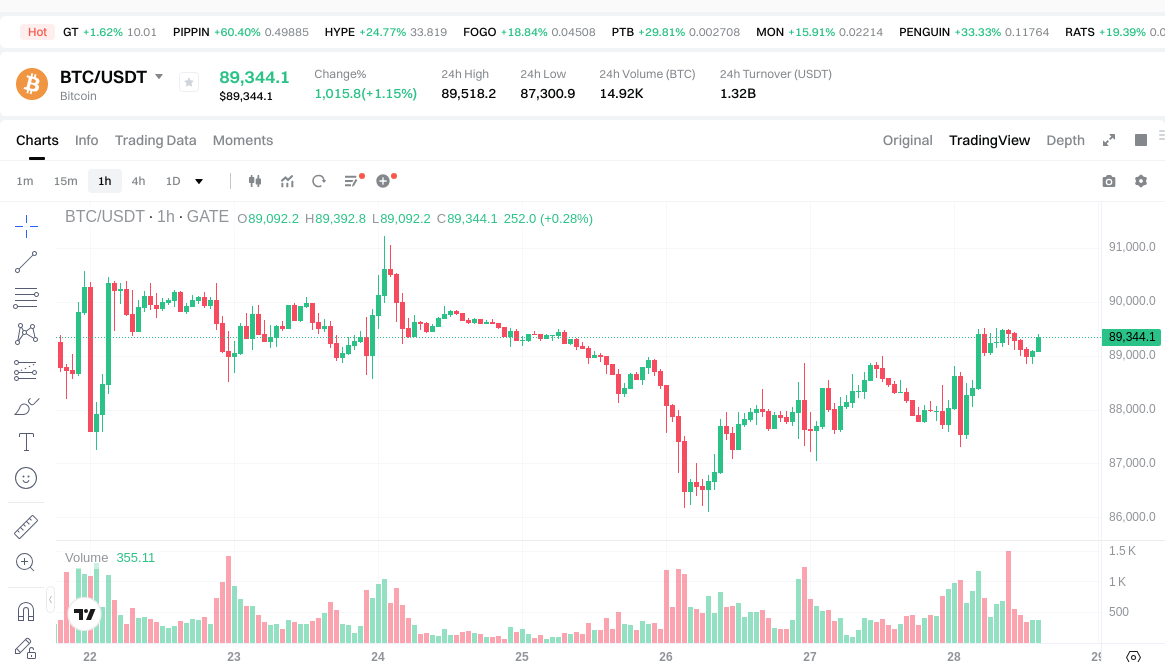
El Salvador's controversial Bitcoin investment strategy has begun to show positive returns, providing tangible evidence to support the government's decision. According to data from Nayibtracker.com, a platform that monitors the country's Bitcoin purchases based on President Bukele's public announcements, El Salvador's cryptocurrency holdings have entered profitable territory. If the government were to liquidize its Bitcoin holdings at recent market valuations, it would realize a profit of several million dollars, demonstrating that the investment has appreciated significantly since the initial purchases.
The country's experience reflects broader trends in the cryptocurrency market, where institutional investors have also seen substantial gains. El Salvador's Bitcoin accumulation strategy, which involved making periodic purchases during various market conditions, has positioned the nation to benefit from the cryptocurrency's price appreciation over time. This vindication of the government's strategy may help silence some critics who warned of potential losses from the volatile digital asset.
Beyond El Salvador, other major institutional investors in Bitcoin have witnessed even more dramatic profit increases. MicroStrategy, widely recognized as one of the largest corporate holders of Bitcoin, has seen its unrealized gains reach approximately $2 billion. With Bitcoin trading at elevated price levels, the value of MicroStrategy's substantial holdings has risen to approximately $7.3 billion, representing a significant return on the company's aggressive Bitcoin acquisition strategy. This corporate success story has been closely watched by other institutions considering cryptocurrency investments.
Similarly, Tether, the company behind the world's largest stablecoin by market capitalization, has experienced remarkable appreciation in the value of its Bitcoin reserves. The company currently holds over 57,000 BTC, acquired at an average purchase price significantly below current market levels. This strategic accumulation has resulted in unrealized gains exceeding $1 billion, with the company's Bitcoin holdings appreciating by approximately 85% since acquisition. Tether's success demonstrates how cryptocurrency-related businesses have benefited from Bitcoin's long-term price appreciation.
These success stories among institutional Bitcoin holders provide important context for El Salvador's investment strategy. While the country's holdings are modest compared to large corporations, the positive returns validate the government's belief that Bitcoin can serve as a valuable reserve asset. The profitability of these investments may also help address concerns from international financial institutions about the risks associated with El Salvador's cryptocurrency adoption.
The positive performance of Bitcoin investments has broader implications for El Salvador's economic strategy. As the country continues to face challenges in accessing traditional international financing, the appreciation of its Bitcoin holdings provides an alternative source of value that could potentially be leveraged for development projects or debt management. This financial flexibility may prove crucial as the government navigates complex negotiations with the IMF and other international creditors.
Looking ahead, the success of El Salvador's Bitcoin experiment will likely influence other nations considering similar cryptocurrency adoption strategies. While the country remains the only nation to have adopted Bitcoin as legal tender, several other countries have expressed interest in exploring cryptocurrency integration. El Salvador's experience, both the challenges and the successes, will serve as an important case study for policymakers worldwide as they evaluate the role of digital currencies in national economic strategies.
FAQ
Bitcoin City is a circular-shaped city planned by El Salvador's President Bukele, symbolizing Bitcoin's form. It will include commercial zones, residential areas, an airport, and a port, designed as a hub for Bitcoin adoption and economic development.
What is the purpose of El Salvador issuing Bitcoin bonds, and what impact does this have on the country's economy?
El Salvador issues Bitcoin bonds to attract international investment, enhance sovereign creditworthiness, and diversify funding sources. This initiative aims to leverage Bitcoin's global appeal to reduce borrowing costs and accelerate economic development. The bonds strengthen El Salvador's position in the digital economy, potentially attracting tech-focused investors and boosting GDP growth through infrastructure investments and economic modernization.
Why did El Salvador adopt Bitcoin as legal tender, and what are the risks of this decision?
El Salvador adopted Bitcoin to enhance financial inclusion and promote economic development. Key risks include price volatility, implementation challenges, and regulatory complexities in financial management.
What is the difference between Bitcoin bonds and traditional government bonds, and why would investors purchase them?
Bitcoin bonds offer higher yield potential and decentralization compared to traditional government bonds. Investors purchase them for portfolio diversification, inflation hedging, and exposure to Bitcoin's growth while earning bond-like returns.
How will Bukele's Bitcoin policy impact El Salvador's long-term economic development?
Bukele's Bitcoin policy significantly attracts international investment and enhances economic stability. It positions El Salvador as a crypto-forward nation, potentially driving financial inclusion, technological innovation, and positioning the country as a global hub for Bitcoin-backed bonds and digital assets development.
What infrastructure and technical support does Bitcoin City construction require?
Bitcoin City requires high-speed internet, data centers, and blockchain nodes for transaction processing. Essential infrastructure includes robust power systems, 5G connectivity, smart city technology, and decentralized node networks to ensure efficient validation and security.
* The information is not intended to be and does not constitute financial advice or any other recommendation of any sort offered or endorsed by Gate.