Elon Musk has reiterated his support for Bitcoin. This report offers an in-depth review of Tesla’s cryptocurrency holdings, market reactions, and value perspectives. It also analyzes how Musk’s 2024 comments are influencing the Web3 market and explores the outlook for Bitcoin as a decentralized digital currency.
Elon Musk Reaffirms Support for Bitcoin
Elon Musk, CEO of Tesla and SpaceX, reiterated his support for Bitcoin on X (formerly Twitter) in early 2025. In his post, Musk highlighted Bitcoin’s energy-based foundation as a key feature, stressing that this fundamentally distinguishes it from fiat currencies, which governments can arbitrarily manipulate.
Musk noted that the Bitcoin mining process consumes real energy, directly tying its value to physical resources. This stands in sharp contrast to fiat currencies, whose supply central banks can adjust at will. Musk’s remarks offer a fresh perspective to ongoing debates on how value is defined in the digital economy and whether energy can serve as a foundation for currency trust.
For years, Bitcoin supporters have valued the cryptocurrency’s decentralized structure and lack of single-entity control. Musk’s statements help communicate these technical and philosophical principles to a wider audience.
Market Response and Price Trends
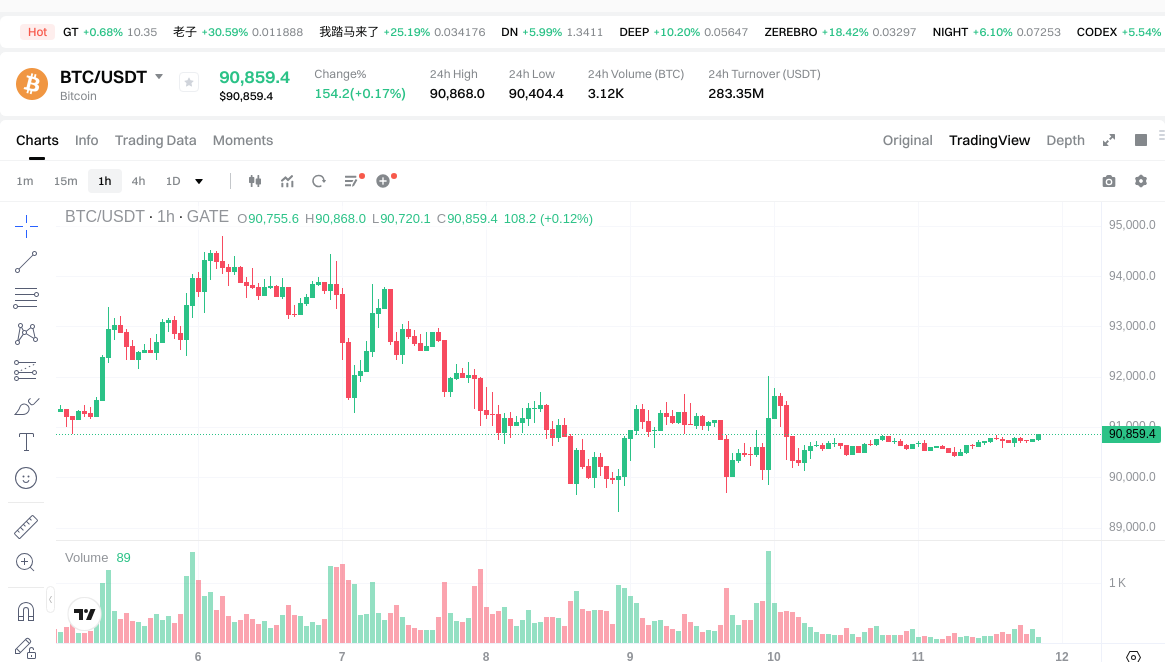
While Musk’s comments drew significant attention, Bitcoin’s immediate market reaction was relatively muted. At one point, Bitcoin’s price dropped about 3%, trading near $111,836. This fluctuation likely reflected broader crypto market corrections and various macroeconomic factors.
Musk’s influence is particularly pronounced in the crypto market, especially in the meme coin space. Historically, his casual remarks and posts have triggered sharp price swings in certain digital assets. However, for major cryptocurrencies like Bitcoin with large market caps, a single statement tends to have a more limited impact.
Market analysts are closely watching how Musk’s comments might influence long-term investor sentiment and suggest that his statements could reinforce recognition of Bitcoin’s intrinsic value.
Tesla’s Bitcoin Holdings
Tesla ranks among the top corporate holders of Bitcoin. The company’s Bitcoin assets are currently valued at approximately $1.28 billion, making it one of the largest digital asset reserves among publicly traded companies.
Tesla first announced its Bitcoin investment in 2021, making waves by purchasing $1.5 billion worth of the cryptocurrency. The company later sold part of its holdings but still maintains a significant position. This strategy reflects Tesla’s approach to financial diversification and demonstrates its ongoing confidence in digital assets.
Corporate Bitcoin holdings highlight the growing recognition of crypto assets as a legitimate asset class within traditional finance. The actions of influential firms like Tesla can shape other corporate investment decisions and help accelerate institutional crypto adoption.
FAQ
Why does Elon Musk support Bitcoin?
Musk seeks investment returns as Bitcoin’s value rises and aims to expand his influence within the crypto market. His remarks create significant ripple effects, leveraging his personal clout to move markets.
What specific criticisms does Musk have of fiat currency?
Musk has called fiat currency “fraud,” citing its lack of transparency and high costs. He opposes centralized control and supports a shift toward digital currencies like Bitcoin.
How much Bitcoin does Elon Musk hold?
As of February 2021, Musk reportedly held about 8,285 Bitcoin. While his current holdings are undisclosed, he remains one of Bitcoin’s most prominent supporters.
How do Musk’s statements impact Bitcoin’s price?
Musk’s comments have a direct impact on Bitcoin’s short-term price movements. Positive statements tend to drive prices higher, while negative remarks can trigger declines, significantly influencing market sentiment.
What are the advantages of Bitcoin compared to fiat currency?
Bitcoin’s limited supply protects it from unlimited government issuance. Its decentralized structure insulates it from government control, and blockchain technology ensures transparency and tamper-resistance—delivering strong value stability and reliability.
What is Elon Musk’s outlook on Bitcoin’s future?
Musk recognizes Bitcoin’s advantages within the broader financial system and affirms its value as a digital asset. He expects that economic growth fueled by AI technologies will benefit risk assets, including Bitcoin.
* The information is not intended to be and does not constitute financial advice or any other recommendation of any sort offered or endorsed by Gate.