This comprehensive guide explores the essential concept of blockchain mainnets and their critical role in cryptocurrency ecosystems. The article defines mainnets as independent blockchains with native cryptocurrencies, distinguishing them from tokens operating on external platforms. It examines key characteristics, strategic advantages including operational autonomy and ecosystem customization, and profiles major mainnet coins like Bitcoin, Ethereum, and Solana. The guide details the eight-step process for building a mainnet, emphasizing consensus algorithm selection and testnet deployment. Additionally, it analyzes the price dynamics surrounding mainnet launches, explaining why cryptocurrencies often appreciate beforehand but decline afterward due to profit-taking and unmet performance expectations. Through the Pi Coin case study, readers understand real-world challenges including delayed exchange listings and community trust issues, providing practical investment precautions for mainnet-related opportunitie
What is a Mainnet?
A mainnet refers to the core blockchain system of a cryptocurrency network. It is the actual blockchain where a specific cryptocurrency project operates and transactions take place. Unlike a testnet, a mainnet involves real asset and data movement with actual transactions occurring. The mainnet represents the transition of a project into a fully functional blockchain.
In essence, a mainnet is an independent blockchain that operates using its own technology and native cryptocurrency. When we refer to a blockchain network with its own coin, we are talking about a mainnet. This independence is crucial for the project's long-term sustainability and operational autonomy.
For example, Shiba Inu originally existed as an ERC-20 token that could only be traded on the Ethereum network. However, in August 2023, it established its own mainnet, becoming an independent blockchain. In contrast, Dogecoin had its own independent blockchain based on proprietary technology from its initial launch, making it a mainnet from the start.
Key Characteristics of Mainnet
A mainnet is an independent blockchain that operates using its own technology and native cryptocurrency. A blockchain network with its own coin is called a mainnet. This independence provides several advantages over tokens that operate on other platforms.
The distinction between mainnet coins and tokens is fundamental in the cryptocurrency ecosystem. Mainnet coins have their own blockchain infrastructure, which means they control their own network parameters, consensus mechanisms, and governance structures. This level of control is not available to tokens that rely on existing blockchain platforms.
Mainnet projects can customize their blockchain architecture to suit specific use cases. For instance, they can optimize transaction speeds, implement unique consensus algorithms, or design specialized features that wouldn't be possible on a shared platform. This flexibility allows mainnet projects to innovate and adapt to changing market demands more effectively.
Why is a Mainnet Necessary?
Cryptocurrency projects with their own mainnet gain autonomy in data preservation and processing. Ethereum dApps would face collapse if the Ethereum blockchain fails, but platforms with their own mainnet secure independence and operational continuity.
Having a mainnet provides several strategic advantages. First, it eliminates dependency on external blockchain platforms, reducing the risk of being affected by changes in the host platform's policies, fees, or technical issues. Second, it allows the project to capture the full value of its ecosystem rather than sharing it with the underlying platform.
Mainnet independence also enables projects to implement custom governance models and economic structures. They can design tokenomics that align with their specific goals, implement unique staking mechanisms, or create innovative incentive systems. This level of customization is essential for projects aiming to build comprehensive ecosystems with multiple use cases.
Furthermore, mainnet ownership enhances a project's credibility and legitimacy in the cryptocurrency market. It demonstrates technical capability and long-term commitment, which can attract more developers, users, and investors to the ecosystem.
Types of Mainnet Coins
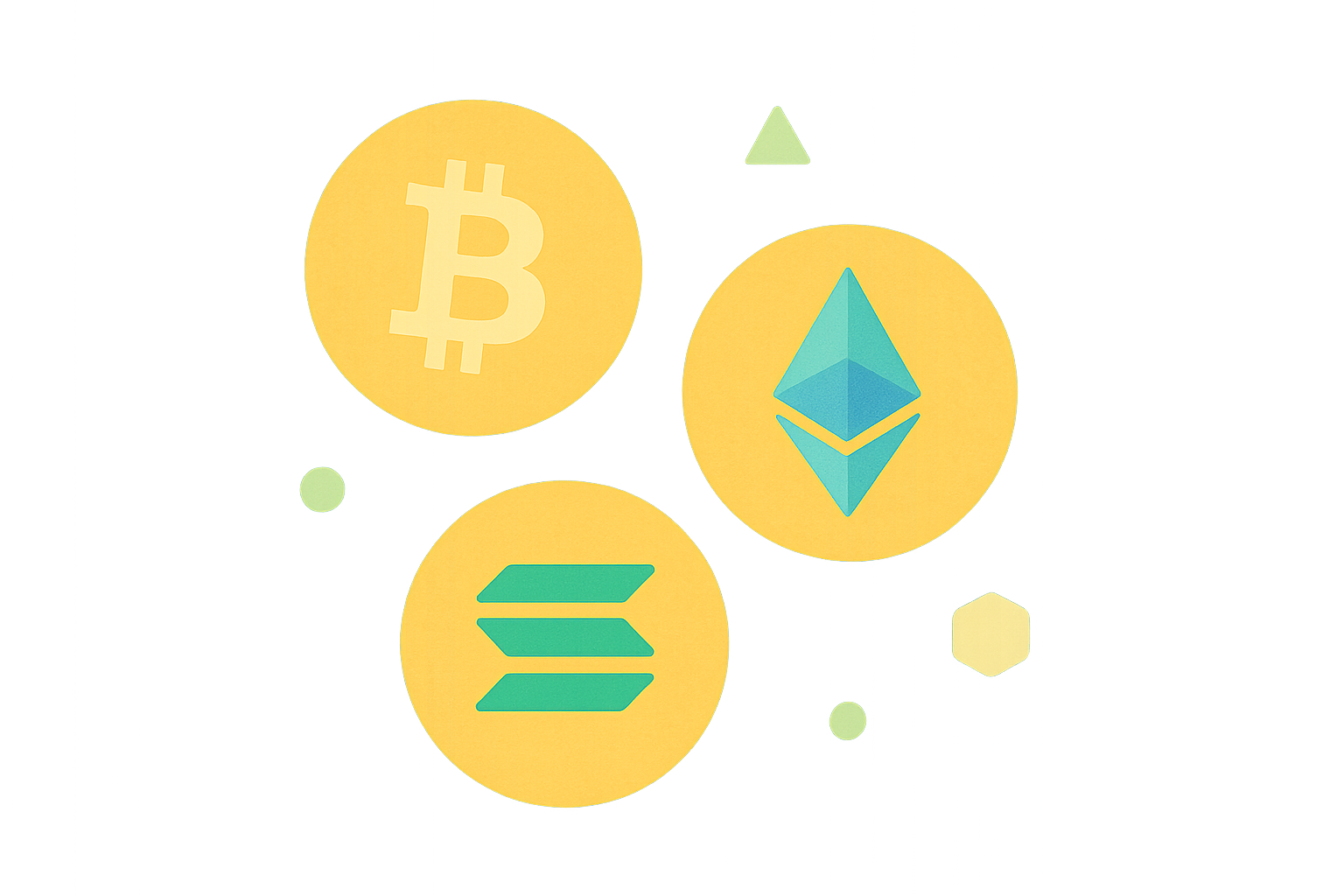
Major mainnet coins and their respective blockchains include:
- Bitcoin: The first blockchain and the largest mainnet by market capitalization and network security
- Ethereum: A pioneering mainnet that introduced smart contract functionality, enabling decentralized applications and DeFi
- Ripple: Focuses on international remittance and payment systems with emphasis on institutional adoption
- Solana: Known for high throughput and low transaction fees, targeting scalability for mass adoption
- Cardano: Takes a scientific and research-driven approach with peer-reviewed development methodology
- Polkadot: Aims for interoperability between different blockchains through its unique parachain architecture
- Leading Smart Chain Platform: Offers fast transaction speeds and low fees for DeFi applications
- Avalanche: Features high scalability with particular strength in financial applications and subnet customization
Each of these mainnets has developed unique characteristics and serves different market segments. Bitcoin remains the most secure and decentralized network, while Ethereum leads in smart contract capabilities and developer ecosystem. Newer mainnets like Solana and Avalanche focus on solving scalability issues that earlier blockchains faced.
Methods for Building a Blockchain Mainnet
Building a blockchain mainnet involves several critical steps:
-
Idea and Goal Setting: Define the project's vision, target use cases, and unique value proposition
-
Consensus Algorithm Selection or Development: Choose or create an appropriate consensus mechanism
- Proof of Work (Bitcoin approach) - emphasizes security through computational power
- Proof of Stake (Ethereum 2.0, Solana approach) - focuses on energy efficiency and scalability
- Delegated Proof of Stake (EOS, Tron approach) - prioritizes transaction speed through representative voting
-
Network Architecture Design: Plan the technical infrastructure including node requirements, network topology, and communication protocols
-
Core Code Development: Build the fundamental blockchain software including consensus implementation, transaction processing, and security features
-
Coin Issuance: Design and implement the tokenomics including supply distribution, emission schedule, and economic incentives
-
Testnet Operation: Deploy and thoroughly test the network in a controlled environment to identify and fix issues
-
Mainnet Launch: Execute the transition from testnet to mainnet with proper security audits and community preparation
-
Ecosystem Building and Expansion: Develop partnerships, attract developers, and foster application development on the platform
Each step requires careful planning and execution. The consensus algorithm choice, for example, fundamentally affects the network's security model, energy consumption, and decentralization level. Network architecture decisions impact scalability and performance. The testnet phase is particularly crucial as it allows developers to identify and resolve issues before real value is at stake.
The Importance of Testnet
A testnet is a network designed to test the mainnet. It runs in parallel with the mainnet and operates as an almost identical blockchain, but transactions on it do not carry real value. It serves as a "safe sandbox" where developers can test code and implement upgrades in a realistic environment without risking actual assets.
Testnets play a vital role in blockchain development and maintenance. They allow developers to experiment with new features, test protocol upgrades, and identify potential vulnerabilities before deploying changes to the mainnet. This testing environment is essential for maintaining network security and stability.
For instance, during Ethereum's "Merge" upgrade in 2022, developers conducted three complete rehearsals on public Ethereum testnets before implementing the mainnet merge. This thorough testing process helped ensure the successful transition from Proof of Work to Proof of Stake without major disruptions.
Testnets also serve as educational platforms where new developers can learn blockchain development without financial risk. They can deploy smart contracts, test applications, and understand network behavior using test tokens that have no monetary value. This accessibility helps grow the developer community and accelerates innovation.
Does Mainnet Launch Affect Cryptocurrency Prices?
Successful mainnet development and launch do not always result in cryptocurrency price increases. In financial markets, prices are determined by market supply and demand dynamics, which are influenced by numerous factors beyond technical milestones.
According to a 2019 survey by TokenGazer, token prices typically "rise before mainnet launch and then decline afterward." For most tokens, market capitalization peaked at the time of mainnet launch, with values increasing in anticipation and subsequently decreasing after the event.
This pattern occurs for several reasons. First, mainnet launches are often heavily anticipated events that attract speculative buying beforehand. Once the event occurs, regardless of its success, the "buy the rumor, sell the news" phenomenon frequently takes effect. Second, mainnet launches often coincide with token unlocks or increased circulating supply, which can create selling pressure.
However, the long-term price impact depends on the mainnet's actual performance, adoption rate, and ability to deliver on promised features. Projects that successfully build thriving ecosystems after mainnet launch can see sustained price appreciation, while those that fail to gain traction may experience prolonged decline.
Pi Coin Mainnet Launch
When Pi Coin's mainnet launch was announced, the unofficially traded IOU (I Owe You) tokens surged from 51 dollars to 92 dollars. However, in recent periods, Pi Coin has been trading at approximately 0.54 dollars per coin, representing a significant decline from the initial excitement.
Expected Effects
The mainnet transition was anticipated to bring several benefits:
- Function as a True Cryptocurrency: Through mainnet conversion, Pi Coin would actually operate on the blockchain with real functionality and utility
- Exchange Listing and Price Formation: After the open mainnet, there were expectations for listing on major exchanges where actual market prices would be established through genuine trading activity
- Ecosystem Expansion: Developers would be able to build more dApps on the Pi Network, creating real use cases and value for the token
These expectations reflected the community's hopes for Pi Coin to transition from a mobile mining experiment to a fully functional cryptocurrency with real-world utility and market recognition.
Actual Impact (Recent Period Assessment)
The reality has been more complex than initial expectations:
- Internal Ecosystem Development in Progress: During the closed mainnet phase, P2P transactions between users and utility usage within Pi apps have been occurring to some extent, demonstrating limited functionality
- Delayed External Market Entry: Major exchange listings have not yet occurred, leaving many miners unable to monetize Pi Coins accumulated over several years of mobile mining
- Lack of Clear Roadmap and Trust Issues: There is insufficient clear communication about mainnet transition speed, KYC processing capacity, and other core metrics with specific timelines
- Uncertainty in Value Formation: Without official exchange listings, Pi Coin's value cannot be established in external markets, leaving its true worth unclear
The prolonged transition period and lack of transparency have created frustration among the Pi community. Many users who invested time in mobile mining are still waiting for the ability to realize any value from their accumulated tokens.
Why Do Coin Prices Decline After Mainnet Launch?
Profit-Taking Opportunity
Successful mainnet launches provide early investors with an opportunity to realize profits. Development team members may also view this timing as a turning point for profit realization. After years of holding tokens through the development phase, mainnet launch represents a natural exit point for many early supporters.
This selling pressure can be substantial, especially if the project conducted early token sales at significantly lower prices. The price appreciation leading up to mainnet launch creates attractive profit margins that incentivize selling, regardless of the project's long-term potential.
Many blockchain projects promise high transaction speeds per second after launching their own mainnet. If these promises are not kept, coin prices inevitably decline as the market adjusts expectations based on actual performance rather than theoretical capabilities.
Technical shortcomings can manifest in various ways: slower transaction speeds than promised, higher fees than expected, network congestion during peak usage, or security vulnerabilities discovered after launch. Each of these issues can erode confidence and trigger sell-offs.
Additionally, if the mainnet fails to attract developers and users to build on the platform, the lack of ecosystem growth becomes apparent. Without real adoption and use cases, the mainnet's value proposition weakens, leading to price decline.
Investment Precautions
Investing based solely on the single event of mainnet launch carries significant risks. Direct investment should only be made after thorough additional research, and it is advisable to conduct both fundamental and technical analysis.
Investors should evaluate multiple factors beyond the mainnet launch itself: the project's technology differentiation, team capability and track record, competitive landscape, tokenomics structure, and realistic adoption potential. Understanding the project's long-term vision and execution roadmap is more important than timing a single event.
Risk management is crucial when investing around mainnet launches. The historical pattern of price increases before launch and declines afterward suggests that buying during the hype phase often leads to losses. A more prudent approach involves waiting to see actual mainnet performance and adoption metrics before making investment decisions.
FAQ
What is a cryptocurrency mainnet? What is the difference between mainnet and testnet?
A mainnet is the official blockchain network where real transactions occur with legal validity. A testnet is a separate development environment for testing new features without real value. Mainnet transactions are permanent and binding, while testnet transactions are for development purposes only.
Has Pi coin's mainnet launched? What stage is it currently in?
Pi coin's mainnet has launched and is currently in phase three, approaching trading availability. The network will enable trading after completing this final phase.
After Pi mainnet launch, how do I transfer my Pi from the app to a mainnet wallet?
Lock your account and complete KYC verification in the app. Once approved, your Pi will automatically migrate to the mainnet wallet linked to your verified identity.
What impact does cryptocurrency mainnet launch typically have on coin price? What risks should be noted?
Mainnet launches typically drive price appreciation through increased utility and adoption. However, risks include technical vulnerabilities, network congestion, and market volatility. Early-stage network instability may temporarily pressure prices, while regulatory uncertainty and profit-taking could also cause fluctuations.
What are the advantages and disadvantages of Pi Mainnet compared to other mainstream cryptocurrencies like Bitcoin and Ethereum?
Pi Mainnet offers high transaction speed and low fees. However, it has lower market recognition and shorter history compared to Bitcoin and Ethereum, resulting in less maturity and security track record.
* The information is not intended to be and does not constitute financial advice or any other recommendation of any sort offered or endorsed by Gate.