Explore the leading secure crypto custody platforms and SOL ETF products with integrated staking benefits. This in-depth guide shows you how to safeguard your digital assets while maximizing continuous staking returns. Understand key advantages, potential risks, and strategic approaches tailored for both novice and seasoned cryptocurrency investors.
Introduction to SOL ETFs and Staking
The cryptocurrency market is evolving at a rapid pace, and among its most prominent recent innovations are staking-enabled Exchange-Traded Funds (ETFs). These sophisticated financial products represent a major shift in how both individuals and institutions invest in digital assets, combining the benefits of traditional investment vehicles with passive income opportunities through staking mechanisms.
SOL ETFs provide investors with a regulated, relatively low-risk way to access Solana (SOL), one of the fastest-growing blockchain platforms. Their standout feature is the ability to generate additional returns via staking rewards, offering a new layer of value for digital asset investment.
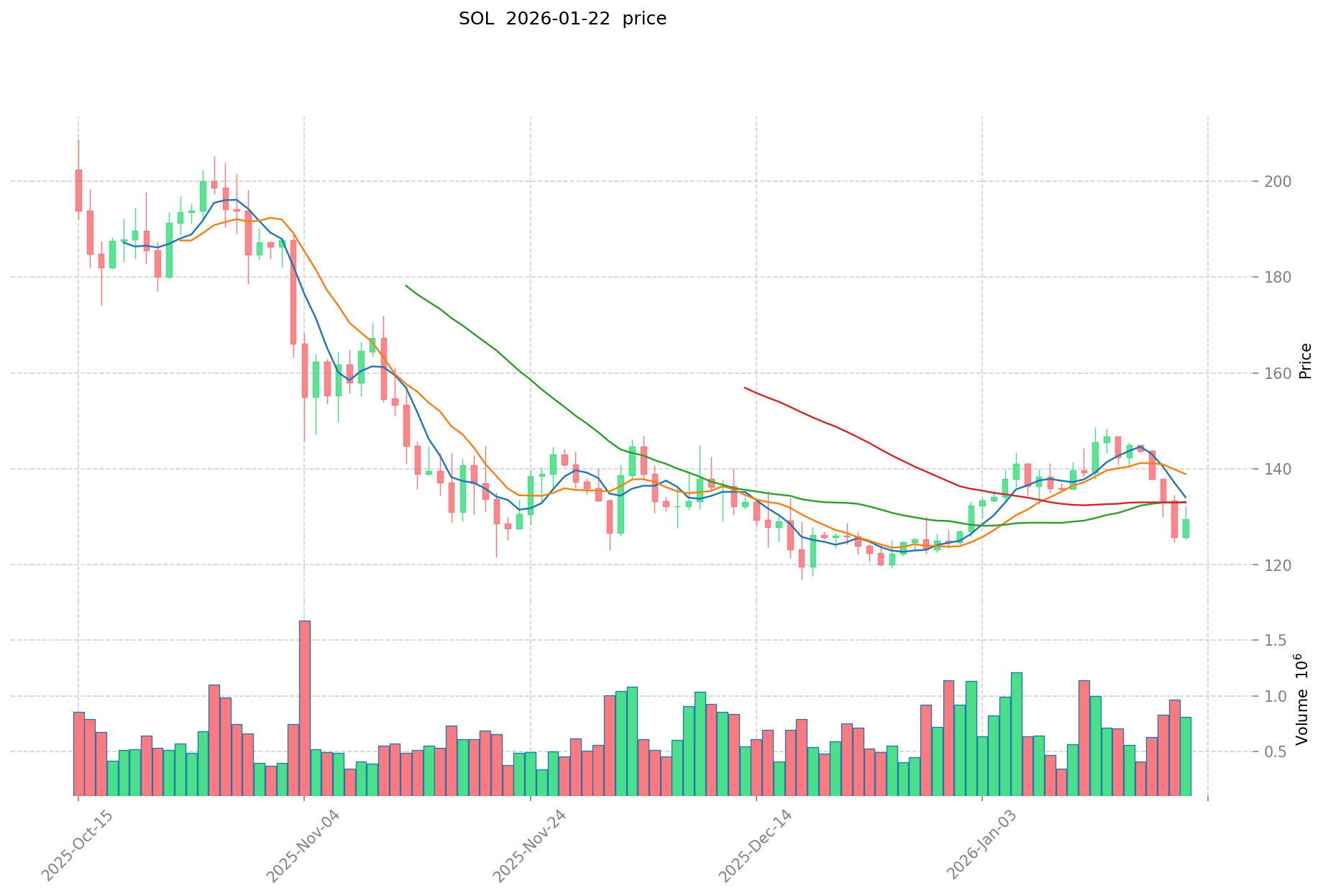 In this in-depth article, we’ll thoroughly examine the workings of SOL ETFs, the benefits for investors, potential risks, and the broad implications for the digital asset market.
What Are SOL ETFs and How Do They Work?
SOL ETFs are specialized investment vehicles designed to track Solana’s performance—a platform acclaimed for its exceptional transaction speed and ultra-low fees. Solana utilizes third-generation blockchain technology, processing thousands of transactions per second and positioning itself as a powerful competitor in the blockchain space.
What differentiates staking-enabled SOL ETFs from traditional funds is their distinctive ability to generate passive income via staking rewards. Here’s how the process works:
-
Solana’s Staking Mechanism: Solana relies on the Proof of Stake (PoS) protocol, enabling token holders to delegate their SOL tokens to validators, who secure the network and validate transactions. Delegators earn periodic staking rewards in return—much like bank deposit interest, but typically at much higher rates.
-
Integrating Staking into the Fund: Staking-enabled ETFs pool investor capital to purchase substantial amounts of SOL tokens. These tokens are staked with rigorously selected, institution-grade validators, chosen according to strict standards covering historical performance, security, and regulatory compliance. Staking rewards are distributed regularly to fund holders, similar to stock dividends or bond interest payments.
-
Dual Advantages: SOL ETF investors benefit from two sources of returns: market appreciation of SOL tokens and ongoing staking rewards. This unique blend makes SOL ETFs highly appealing for both individual investors seeking portfolio diversification and institutions pursuing a regulated, relatively low-risk entry into digital assets.
Institutional Adoption of Solana Staking and ETFs
Institutional interest in Solana staking is rising, fueled by innovative product launches from leading global investment firms. This institutional focus signals the maturing of the digital asset industry and growing confidence in Solana’s technical infrastructure. Notable examples include:
-
Franklin Templeton Solana ETF: Franklin Templeton, a storied global asset manager, launched its ETF with an initial holding of 17,000 SOL tokens valued at roughly $2.4 million. The fund employs active staking management, with a specialized team monitoring validator performance and optimizing strategies to maximize investor returns. This launch underscores the firm’s commitment to innovative solutions for investors in the digital asset era.
-
Bitwise Solana Staking ETF: This fund saw explosive success at launch, attracting over $1 billion in investment flows in its first week. Such extraordinary demand highlights surging interest in staking-enabled products, and reflects strong confidence in Solana’s potential among both institutional and retail investors. Bitwise employs advanced risk management by distributing stakes across multiple validators to enhance security.
-
VanEck Solana ETF: VanEck partnered with SOL Strategies, a Solana asset management specialist. The fund leverages institution-grade validators certified to ISO 27001 and SOC 2—global standards for security and information management. This level of regulatory and technical rigor makes the fund an attractive option for institutions subject to stringent compliance requirements.
These institutional developments highlight a fundamental transformation in how traditional finance views digital assets, recognizing them as legitimate components of diversified investment portfolios—not just speculative instruments.
SEC Approval and Regulatory Developments
Approval from the U.S. Securities and Exchange Commission (SEC) for several Solana ETFs marks a watershed moment for the digital asset industry. These approvals signal major progress in regulatory attitudes toward digital assets, paving the way for broader participation by both institutional and retail investors.
Leading issuers including Bitwise, Grayscale, and VanEck have submitted comprehensive applications for spot Solana ETFs, all subject to strict regulatory scrutiny—covering transparent disclosures, investor protection standards, and institutional governance mechanisms.
Regulated funds stand out by offering investors a safer, more transparent alternative to direct crypto purchase. Instead of navigating self-custody risks, wallet complexities, and security threats, investors can now access Solana through traditional brokerage accounts, benefiting from the regulatory protections and transparency of established financial markets.
This regulatory progress is set to drive further innovation in crypto-linked financial products and strengthen public confidence in this emerging sector.
Staking Rewards: A Key Differentiator
Staking rewards are one of the most compelling features of SOL ETFs, providing investors with a steady income stream alongside potential gains from SOL price appreciation. To better understand this benefit, let’s examine its important facets:
Reward Generation Mechanism: In Solana’s PoS protocol, validators earn rewards for securing the network and validating transactions. These rewards derive from two main sources: programmed protocol inflation and user-paid transaction fees. When ETFs stake SOL, they receive a proportional share based on their staked amount.
Yield Rates: Solana staking yields typically range from 5% to 8% annually—an attractive rate compared to low-risk traditional investments like government bonds or savings accounts. However, several factors affect the long-term sustainability of these rewards:
-
Long-Term Sustainability: The durability of staking rewards depends on Solana’s ecosystem health. Network activity, active user count, transaction volume, and protocol inflation all influence future rewards. The performance of chosen validators also directly impacts returns.
-
Staking Risks: Despite strong upside, staking-enabled ETFs involve specific risks investors must understand. Chief among these are slashing penalties—protocol-imposed losses if a validator acts maliciously or makes major technical errors. There are also counterparty risks tied to relying on custodians and validators for security.
Despite these challenges, staking rewards remain a powerful draw for those seeking passive income in digital assets, especially in the low-interest-rate environment of traditional markets.
Comparing Solana ETFs: Fees and Features
Competition among SOL ETF issuers is intense, with each firm leveraging competitive strategies to attract investors. This benefits investors through improved services and reduced costs. Let’s compare key factors:
Fee Structure: Fees are a decisive factor, directly impacting net returns. Annual management fees for Solana ETFs usually range from 0.20% to 0.50%—highly competitive relative to other crypto investment products. Some issuers offer introductory fee waivers for early or large investors as a strategy to build an asset base.
Feature Differentiation: Funds employ diverse strategies to stand out:
-
Some focus on maximizing staking rewards, using advanced validator selection and risk distribution techniques.
-
Others prioritize security and regulatory compliance, partnering exclusively with internationally certified validators (ISO 27001, SOC 2).
-
Some funds emphasize high liquidity and easy trading, appealing to investors who value flexible entry and exit.
Transparency and Disclosure: Transparency levels vary. Some funds publish detailed, periodic reports on staking performance, validator asset allocation, and realized rewards. Such transparency empowers investors to make informed decisions and track performance closely.
Investors should evaluate these differences in light of their objectives, risk tolerance, and investment horizon to select the most suitable fund.
Risks Associated with Staking-Enabled ETFs
Despite the strong appeal and multiple benefits of SOL ETFs, they carry inherent risks. Responsible investing demands thorough understanding and careful assessment. Key considerations include:
Slashing Penalties: Unique to PoS systems, slashing occurs if a validator acts maliciously (e.g., signs conflicting blocks) or suffers major technical failures (e.g., extended downtime). Penalties can reduce staked assets and impact fund value. Professional funds mitigate this risk by diversifying across multiple validators, continuous performance monitoring, and strict selection criteria.
Regulatory Uncertainty: Crypto regulations are evolving rapidly. Changes at national or international levels can affect SOL ETF performance and availability. Regulators may impose new compliance requirements, restrict activities, or limit eligible investors. Staying current on regulatory changes is critical.
Market Volatility: Crypto markets are highly volatile, and Solana is no exception. SOL can experience sharp price swings, driven by market sentiment, regulatory news, technical developments, or broader trends. Volatility can impact investment value, regardless of stable staking rewards.
Technical Risks: Solana faces potential technical challenges, including software bugs, cyberattacks, and performance issues. Past network outages illustrate such risks, though ongoing improvements help mitigate them.
Liquidity Risks: While ETFs generally offer good liquidity, extreme market conditions can cause liquidity to dry up, making it harder to exit positions at desired prices.
Thorough research, professional financial advice, and careful risk-benefit analysis are essential before investing in SOL ETFs. Diversification and sound risk management should always be part of a prudent strategy.
The Solana Ecosystem: Driving Growth
Solana’s robust, diverse ecosystem is a major driver of its investment fund popularity and investor confidence. The blockchain hosts a broad range of innovative projects and applications that attract developers and users worldwide. Key ecosystem components include:
Decentralized Finance (DeFi) Platforms: Solana supports a dynamic DeFi ecosystem, offering services such as decentralized lending and borrowing, DEXs, asset management protocols, and sophisticated derivatives. Solana’s speed and low transaction costs make these services accessible to a wide user base.
NFT Marketplaces: Solana has become a hub for NFT creation and trading, drawing digital artists, collectors, and fans globally. The platform’s low minting fees and fast transactions offer a superior user experience. Leading Solana NFT marketplaces showcase diverse collections, spanning art, gaming, and virtual world assets.
Gaming and Metaverse Applications: Blockchain gaming is booming on Solana. Developers are attracted by its capacity for high transaction volumes and low fees—critical for seamless gameplay. Many metaverse projects build their infrastructure on Solana to leverage its technical advantages.
Meme Coins and Digital Communities: Solana’s ecosystem also features meme coins and community-driven projects. While often speculative, these assets engage a large segment of retail investors and contribute to network activity.
Developer Infrastructure: Solana offers advanced tools, comprehensive documentation, and an active developer community, facilitating decentralized app development and deployment. This developer-friendly environment drives ongoing innovation.
This diverse, vibrant ecosystem strengthens Solana’s value proposition, supporting the long-term appeal of SOL ETFs. As the ecosystem grows, SOL utility expands, underpinning its market value.
Market Trends and Outlook for Solana ETFs
The introduction of Solana ETFs is expected to accelerate institutional adoption of the digital currency. Analysts are cautiously optimistic about these funds’ future, considering several factors:
Asset Growth Projections: Analysts project Solana ETFs could hold up to 5% of circulating SOL supply within two years—a significant asset accumulation given Solana’s market cap. Institutional buying may reduce supply and support price appreciation.
Demand-Price Gap: Sometimes, strong ETF demand doesn’t immediately translate to spot market price increases. This gap reflects complex market dynamics and calls for prudent optimism. Sell pressure, macro events, or lagged institutional impact may contribute.
Liquidity Impact: SOL ETF growth is expected to boost Solana market liquidity, attracting investors who prefer regulated exposure. Greater liquidity may help stabilize prices over time.
Competition with Other Platforms: SOL ETFs compete with established Bitcoin and Ethereum ETFs. Success will depend on differentiation—such as attractive staking rewards and superior network performance.
Future Technical Developments: Investors closely track Solana’s technical roadmap. Continued enhancements in performance, security, and decentralization will be key to institutional uptake.
Overall, Solana ETFs have a promising outlook, but it’s crucial to balance opportunities against risks.
Conclusion
Staking-enabled SOL ETFs are a breakthrough innovation in digital asset investment, merging the structure, security, and transparency of traditional finance with the high-return and passive income potential of DeFi.
By offering regulated Solana exposure and ongoing staking rewards, these funds appeal to a wide range of investors—from individuals seeking diversification to institutions requiring compliant access to digital assets.
Nevertheless, prudent investing requires balancing the clear benefits—potential price appreciation, continuous staking income, and ease of access—against inherent risks such as market volatility, technical challenges, regulatory uncertainty, and staking-specific concerns.
Success in this dynamic sector hinges on staying informed about market trends, monitoring regulatory changes, understanding Solana’s technical developments, and regularly reviewing investment performance.
Whether you’re an individual expanding your portfolio with digital assets or a financial institution seeking regulated blockchain exposure, SOL ETFs can be a valuable addition—provided you conduct due diligence, understand the risks, and invest as part of a balanced, strategic plan aligned with your financial goals and risk appetite.
FAQ
What are staking-enabled crypto ETFs and how do they differ from traditional ETFs?
Staking-enabled ETFs let investors securely stake crypto assets, unlike traditional ETFs that simply track prices. They provide greater flexibility and extra returns through staking services and actual asset ownership.
How does staking work in crypto ETFs, and what does it mean for investors?
Staking in ETFs allows investors to securely hold digital assets directly via the fund, eliminating the need for external wallets. Investors gain true ownership, enhanced security, and streamlined management—all in one platform.
What are the advantages of investing in staking-enabled ETFs versus buying and managing crypto directly?
Staking-enabled ETFs offer strong security, reduced loss risk, professional asset management, easy trading, and automatic staking rewards—without the hassle of self-maintenance or insurance.
How safe are staking-enabled ETFs? How are assets protected?
These ETFs feature robust protection through blockchain verification and secure multi-signature custody, ensuring assets are safeguarded transparently and reliably.
What is the fee structure for staking-enabled crypto ETFs?
Staking-enabled ETFs typically charge annual management fees (0.2%–0.5%) and fees for secure staking and custody, with periodic distribution of staking returns to investors.
How are staking-enabled ETFs transforming crypto investing?
These funds remove barriers to direct crypto ownership with institutional-grade security, making digital assets accessible to traditional investors and boosting market adoption and liquidity.
How should beginners choose and buy staking-enabled crypto ETFs?
Start by learning secure crypto staking basics. Select ETFs from reputable issuers with proven track records. Review management fees and past performance. Invest gradually according to your means and confirm the fund offers reliable, secure custody before buying.
* The information is not intended to be and does not constitute financial advice or any other recommendation of any sort offered or endorsed by Gate.