This article chronicles Zac Prince's professional evolution from BlockFi CEO to RE Cost Seg CEO, following the cryptocurrency lending platform's 2022 bankruptcy. Prince now leads a fintech innovator specializing in cost segregation studies—sophisticated tax strategies that accelerate property depreciation schedules from standard 27.5-39 years to 5-15 years, delivering substantial tax advantages. The article examines BlockFi's collapse due to Alameda Research exposure, Prince's strategic pivot to real estate technology, and how RE Cost Seg democratizes premium tax services previously accessible only to large commercial investors. Additionally, it addresses Prince's commitment to settle an outstanding Bitcoin wager, demonstrating accountability despite past venture setbacks. Ideal for real estate investors, fintech professionals, and crypto industry observers seeking insights into career transitions and tax optimization strategies.
BlockFi CEO Pivots To Real Estate
Zac Prince, the former CEO of BlockFi, has embarked on a new professional journey in the real estate technology sector following the bankruptcy of his crypto lending firm. In a recent statement, Prince revealed his appointment as CEO of RE Cost Seg, a company specializing in providing cost segregation studies to real estate investors.
Cost segregation studies represent a sophisticated tax strategy tool that involves a detailed survey of each component within a property. These studies identify specific elements that qualify for accelerated depreciation – a tax mechanism that allows property owners to recover renovation and improvement costs over a shorter timeframe. By accelerating the depreciation schedule, property owners can claim substantial tax benefits earlier in the ownership period.
The elements eligible for accelerated depreciation can include a wide range of property components, such as plumbing fixtures, electrical systems, carpeting, flooring materials, landscaping features, and sidewalks. Traditionally, these items would be depreciated over the standard 27.5 or 39-year schedules for residential and commercial properties respectively. However, cost segregation studies can reclassify many of these components into 5, 7, or 15-year property classes, providing immediate tax advantages.
Prince emphasized the competitive advantages of RE Cost Seg over traditional service providers in the market. He explained that the company's innovative approach makes this valuable tax-saving tool accessible to a broader spectrum of real estate investors. Previously, cost segregation studies were primarily limited to owners of larger commercial properties due to high service costs and complex processes. RE Cost Seg's streamlined methodology and competitive pricing structure democratizes access to these benefits.
While the company's primary focus remains on institutional clients and larger real estate portfolios, Prince noted that RE Cost Seg also serves individual investors with single-family properties who were previously "priced out" of accessing professional cost segregation services. This represents a significant shift from his previous venture's business model.
This career transition marks a notable departure from Prince's former role at BlockFi, a crypto lending platform that catered primarily to retail investors. BlockFi offered average cryptocurrency holders opportunities to earn yields on their Bitcoin holdings and obtain loans collateralized by their digital assets. The platform's business model centered on rehypothecating customer assets to institutional counterparties, earning a spread between the yields paid to retail clients and those received from institutional borrowers.
However, BlockFi's operations suffered a catastrophic blow when one of its largest counterparties, Alameda Research – the trading arm of a major crypto exchange – collapsed in 2022. This event resulted in significant losses of both BlockFi's corporate assets and customer funds, ultimately leading to the company's bankruptcy filing. After spending over a year navigating the complex bankruptcy proceedings, Prince indicated that he felt comfortable transitioning to new professional endeavors.
In his statement, Prince expressed confidence in BlockFi's recovery trajectory, noting that estate distributions are underway and recoveries from the failed exchange's estate are trending positively. This progress provided him with sufficient closure to pursue new opportunities in the real estate technology sector.
Settling One Last Bet
Prince's career announcement prompted his social media followers to remind him of an outstanding obligation stemming from a public wager made in 2021. The former executive had bet 1 BTC with a prominent Bitcoin advocate on whether BlockFi would remain operational over the subsequent 37 years.
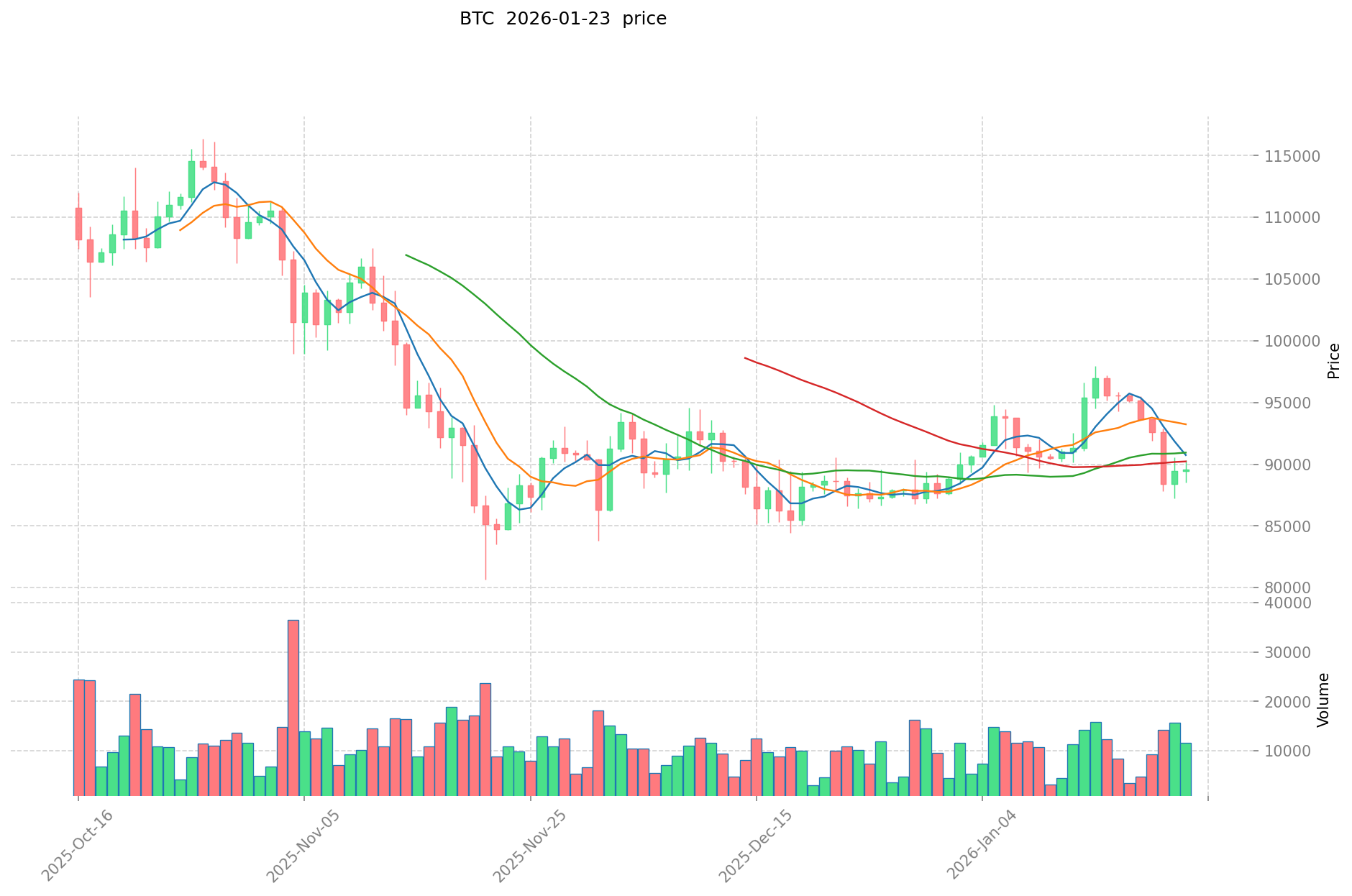
BlockFi's collapse merely one year after the bet was made clearly established Prince as the losing party. The wager's terms required him to transfer 1 BTC to his counterparty – a sum that has appreciated significantly since the original bet was placed. At current market valuations, 1 BTC represents a value exceeding $72,000, making this a substantial financial obligation.
Following the public reminders from his followers, Prince acknowledged the outstanding bet and committed to resolving the matter, stating he would "get it sorted." This public acknowledgment demonstrates a willingness to honor his commitments despite the significant financial implications and the unfortunate outcome of his previous venture.
FAQ
Why did BlockFi go bankrupt? What were the main reasons for its bankruptcy?
BlockFi filed for bankruptcy in 2022 primarily due to exposure to FTX's collapse and massive customer withdrawals. The firm also faced losses from its cryptocurrency lending operations and declining market conditions during the crypto winter.
BlockFi's former CEO Zac Prince stepped down following the company's bankruptcy. He has since announced new ventures in the crypto industry, focusing on blockchain development and digital asset opportunities.
Who did the BlockFi CEO make a bet with about the company's bankruptcy, and what were the specific terms of the bet?
BlockFi founder Mike Rubinstein made a bet with investor Kevin Roose regarding the company's bankruptcy. The specific terms involved a wager on BlockFi's financial viability, which Rubinstein ultimately lost when BlockFi filed for bankruptcy in November 2022.
What impact did BlockFi's bankruptcy have on user deposits and assets?
BlockFi's bankruptcy affected customer funds held on the platform. Depositors faced significant losses as the company underwent restructuring. Recovery processes were initiated through bankruptcy proceedings, with creditors eventually receiving partial compensation based on claim rankings and available recovered assets.
Lending platforms face counterparty and liquidation risks. Users should diversify assets across multiple platforms, use hardware wallets for long-term storage, maintain adequate collateral ratios, and only deposit amounts they can afford to lose. Regular monitoring of platform solvency and regulatory compliance is essential.
* The information is not intended to be and does not constitute financial advice or any other recommendation of any sort offered or endorsed by Gate.