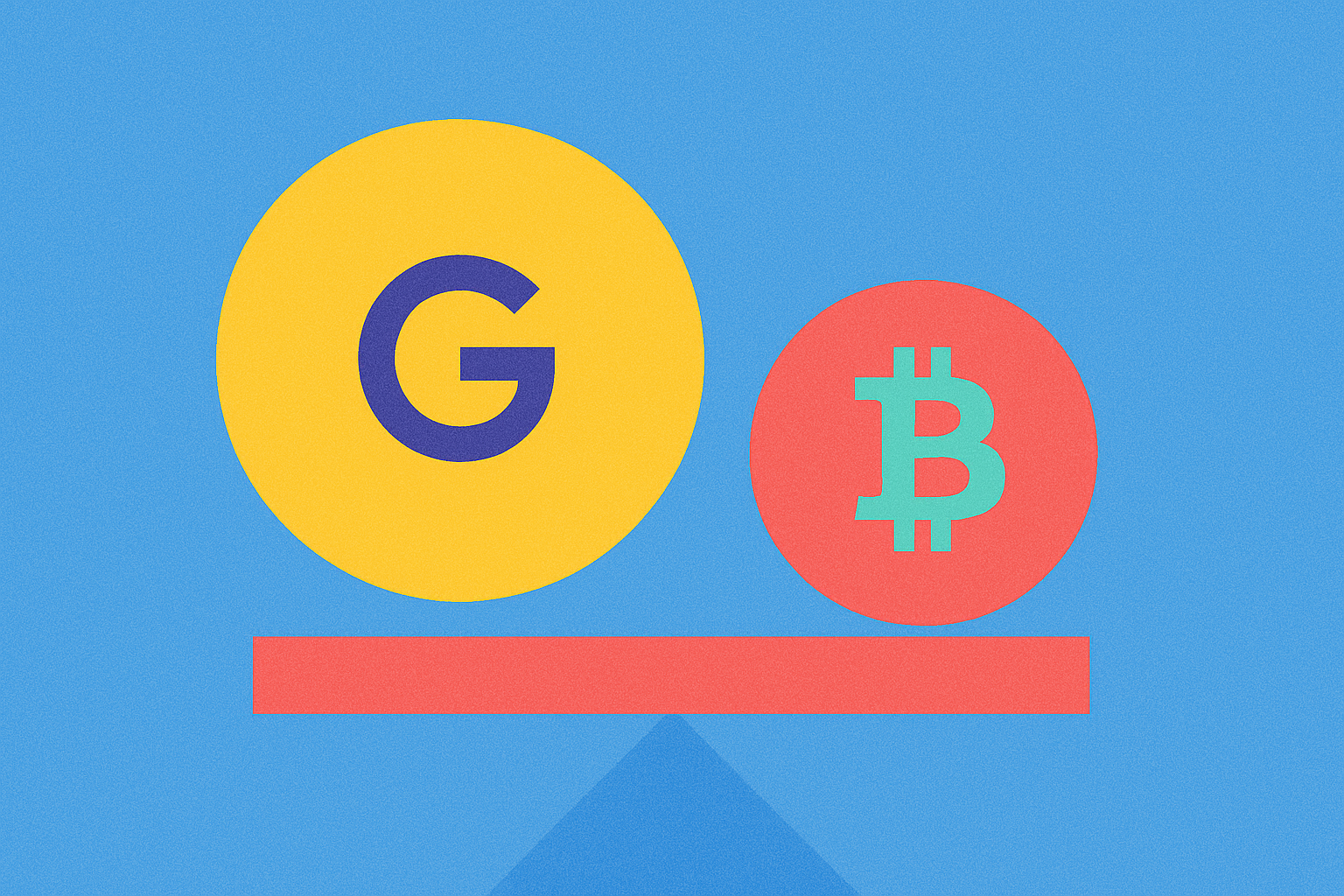
Gold's market capitalization has surpassed $30 trillion, dramatically outpacing Bitcoin and leading technology companies in total valuation. This milestone reflects strong investor demand for traditional safe-haven assets amid economic uncertainties, geopolitical tensions, and inflation concerns. While gold maintains advantages through millennia of acceptance, physical utility, and extensive institutional adoption, cryptocurrencies like Bitcoin serve complementary roles with distinct characteristics including decentralization and digital scarcity. The divergence in market capitalizations demonstrates fundamental differences in asset maturity and regulatory acceptance rather than direct competition. For investors, this development underscores the importance of diversification across both traditional precious metals and emerging digital assets to balance proven stability with innovation potential.
Market Overview
According to reports from KanalCoin, the gold market cap has exceeded $30 trillion, surpassing Bitcoin and major technology companies in total valuation. This significant milestone represents a major shift in the global asset landscape, highlighting gold's enduring appeal as a store of value. The surge in gold's market capitalization reflects growing investor confidence in traditional safe-haven assets amid economic uncertainties and market volatility.
The achievement of this $30 trillion threshold demonstrates gold's dominant position in the global financial system. For context, this valuation significantly exceeds the combined market capitalizations of leading technology giants and represents a substantial premium over the entire cryptocurrency market. This development underscores the fundamental differences in scale and investor adoption between traditional precious metals and emerging digital assets.
The recent surge in gold's market capitalization has been driven by record-breaking price levels, as noted by analysts including Gary S. Wagner. Gold prices have reached unprecedented highs in recent times, reflecting strong demand from both institutional and retail investors. Several factors have contributed to this price appreciation, including concerns about inflation, geopolitical tensions, and monetary policy uncertainties across major economies.
Historically, gold has demonstrated remarkable resilience during periods of economic stress, serving as a reliable hedge against currency devaluation and market turbulence. The current price trajectory continues this pattern, with investors seeking the stability and liquidity that gold provides. Unlike digital assets, gold benefits from thousands of years of acceptance as a medium of exchange and store of value, which contributes to its sustained price support during volatile market conditions.
Comparison with Bitcoin and Cryptocurrency Markets
Despite gold's dominant market position and recent surge in valuation, the cryptocurrency market has remained relatively stable. Notably, there has been no significant disruption in digital asset flows or pricing following gold's milestone achievement. This suggests that gold and Bitcoin serve complementary rather than directly competing roles in modern investment portfolios.
Analysts observe that comparisons between gold and Bitcoin tend to increase during periods of significant price movements in either asset class. However, current market data indicates no substantial shift in cryptocurrency market dynamics. Bitcoin and other digital assets continue to attract investors based on their unique characteristics, including decentralization, programmability, and potential for technological innovation. While gold maintains its advantage as a proven store of value with millennia of history, Bitcoin advocates emphasize its digital scarcity, borderless nature, and potential as "digital gold" for the internet age.
Market Impact and Investment Implications
The divergence in market capitalizations between gold and Bitcoin reflects fundamental differences in asset maturity, regulatory acceptance, and institutional adoption. Gold's $30 trillion valuation is supported by extensive central bank holdings, jewelry demand, industrial applications, and established trading infrastructure. In contrast, the cryptocurrency market, while growing rapidly, represents a newer asset class still developing its institutional framework and regulatory clarity.
For investors, this development reinforces the importance of diversification across both traditional and digital assets. Gold's performance demonstrates the continued relevance of physical assets in wealth preservation strategies, particularly during periods of economic uncertainty. Meanwhile, the stability of cryptocurrency markets amid gold's surge suggests that digital assets have established their own investment thesis, independent of traditional commodity price movements.
Future Outlook and Market Dynamics
Looking ahead, the relationship between gold and cryptocurrency markets will likely continue to evolve. As digital assets mature and gain broader institutional acceptance, the comparison between gold and Bitcoin may become more nuanced. Some analysts suggest that both assets can coexist and serve different investor needs, with gold offering time-tested stability and Bitcoin providing exposure to blockchain technology and digital innovation.
The $30 trillion milestone for gold market cap serves as a reminder of the scale and depth of traditional financial markets, while also highlighting the growth potential that remains for emerging asset classes like cryptocurrencies. As the global financial landscape continues to evolve, investors will need to carefully consider the role of both traditional and digital assets in their portfolios, recognizing that each offers distinct advantages and risk profiles suited to different investment objectives and time horizons.
FAQ
Why can the gold market cap surpass $30 trillion?
Gold market cap exceeds $30 trillion due to global economic uncertainty, central bank monetary easing, and increased investor demand for safe-haven assets. Rising inflation concerns and geopolitical tensions drive continuous capital inflow into gold markets.
What does it mean that the gold market cap surpasses Bitcoin?
Gold's market cap exceeding Bitcoin signifies gold's dominant position in global finance. This reflects Bitcoin's relatively smaller market presence and suggests tremendous growth potential for crypto assets to match traditional commodity valuations.
What are the differences between gold and bitcoin as assets?
Gold is a physical asset with industrial and consumer applications; Bitcoin is a digital asset with no physical form. Gold has intrinsic utility, while Bitcoin primarily serves as an investment and medium of exchange in the digital economy.
How is the gold market total value of $30 trillion calculated?
The $30 trillion gold market value is calculated by multiplying the total amount of gold mined globally by the current gold price. This figure reflects the cumulative value of all gold ever extracted worldwide, based on real-time market prices and data from major industry sources.
Gold offers superior stability and broad acceptance as a store of value. Its physical properties ensure lasting preservation, while historical track record provides proven wealth protection. Gold's steady supply and universal recognition make it more reliable than bitcoin's volatility.
What impact does this gold market milestone have on the global economy?
Gold surpassing $30 trillion strengthens its status as a safe-haven asset, potentially reshaping global investment patterns and economic stability. This milestone signals growing confidence in traditional assets amid market uncertainty.
How should retail investors view the market cap comparison between gold and cryptocurrencies?
Gold's $30 trillion market cap reflects its established status as a safe-haven asset, while crypto's rapid growth demonstrates emerging technology adoption. Both serve different portfolio roles—gold offers stability, crypto offers innovation and upside potential. Diversification across both can balance risk and opportunity.
Will the gold market value continue to grow historically?
Yes, the gold market is likely to continue growing. Central banks are increasing reserves, geopolitical tensions persist, and gold serves as a de-dollarization anchor. However, high prices carry downside risk if economic expectations shift significantly.
* The information is not intended to be and does not constitute financial advice or any other recommendation of any sort offered or endorsed by Gate.