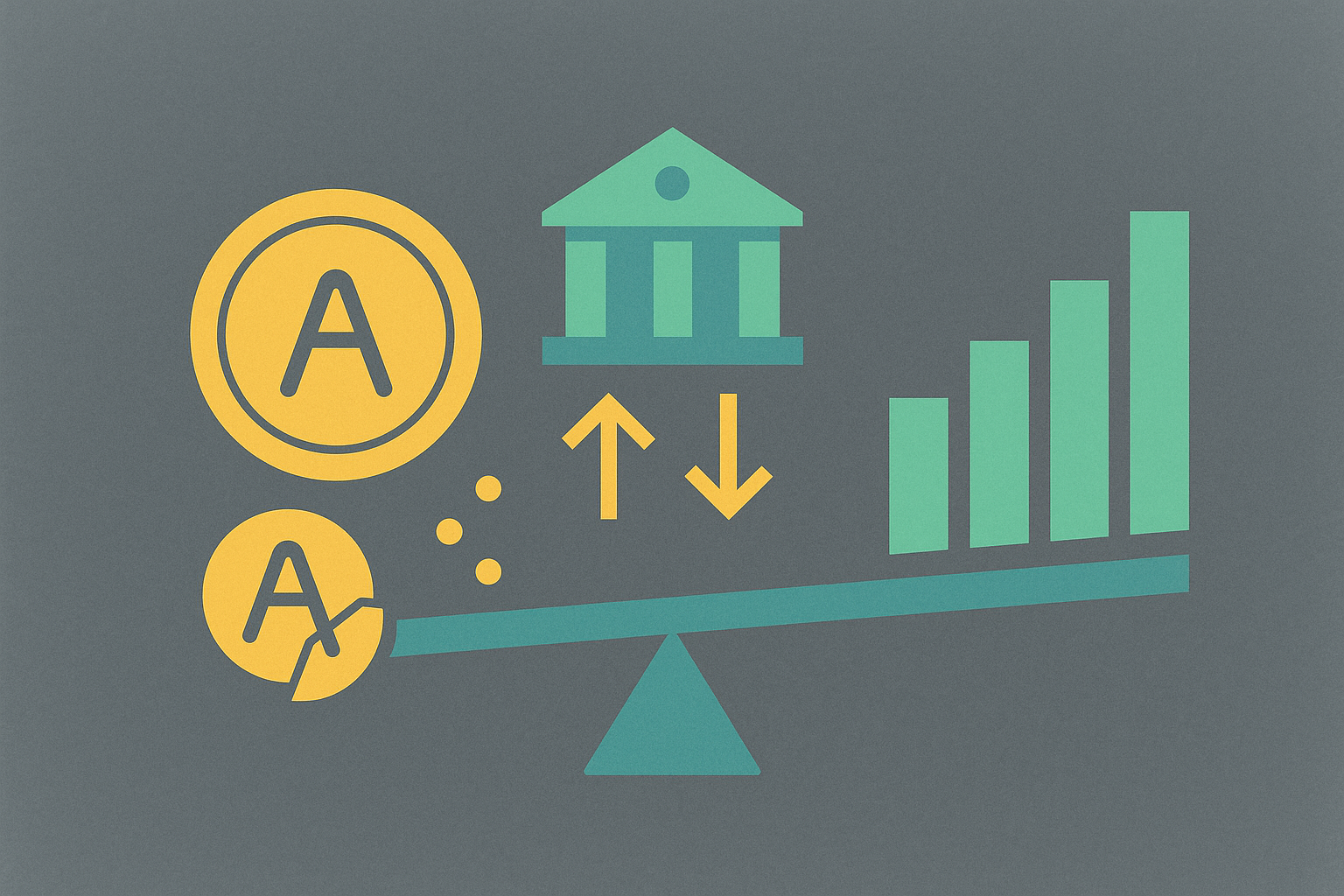
This article examines how Federal Reserve monetary policy directly shapes AAVE token valuations and crypto market dynamics in 2025. AAVE's 0.7 correlation with the S&P 500 signals institutional adoption of DeFi as a mainstream asset class. Fed rate cuts reduce borrowing costs, channeling capital toward DeFi protocols and driving AAVE appreciation, while rate hikes compress yields and trigger corrections. The piece analyzes transmission mechanisms linking policy shifts to stablecoin liquidity, funding rates, and protocol revenues. Additionally, it addresses governance disputes that triggered an 18% AAVE decline, demonstrating how internal protocol conflicts create valuation pressure independent of macroeconomic conditions. Comprehensive FAQs clarify Fed policy impacts on crypto correlations, DeFi ecosystem risks, and AAVE's sensitivity to USD strength during evolving monetary cycles.
AAVE's 0.7 correlation with S&P 500 signals deepening traditional finance integration in 2025
The 0.7 correlation between AAVE and the S&P 500 represents a significant milestone in decentralized finance maturation, demonstrating that AAVE increasingly moves in tandem with traditional equity markets rather than existing in isolation. This strengthening correlation coefficient reflects how AAVE, as a leading DeFi protocol, has transcended its origins as a niche cryptocurrency to become a legitimate asset class within mainstream portfolios. When AAVE exhibits such pronounced synchronization with the S&P 500, it indicates that traditional finance investors now treat decentralized finance through AAVE as a correlated alternative investment rather than an uncorrelated hedge.
This deepening integration between AAVE and traditional finance signals broader institutional acceptance of DeFi infrastructure. As Federal Reserve policy shifts interest rates and monetary conditions, both traditional equities and AAVE respond similarly, suggesting that macroeconomic factors now drive crypto valuations alongside blockchain-specific metrics. The 0.7 correlation suggests AAVE has graduated from pure crypto speculation to an asset whose performance reflects genuine economic cycles, making it increasingly relevant to mainstream investors monitoring traditional finance markets.
Federal Reserve policy transmission mechanisms: interest rate shifts and liquidity-driven AAVE price volatility
The Federal Reserve's interest rate decisions create distinct transmission pathways that directly reshape AAVE market dynamics through multiple interconnected channels. When the Fed cuts rates, the federal funds rate falls—currently in the 3.5%-3.75% range—reducing borrowing costs across financial systems and triggering increased risk appetite among investors seeking higher yields. This shift channels capital toward DeFi protocols like Aave, where deposit and lending rates are algorithmically determined by platform supply and demand. Lower funding costs make leveraged positions more affordable, expanding DeFi activity and driving AAVE token appreciation. Recent data illustrates this mechanism: AAVE surged approximately 9% following Federal Reserve rate cuts amid expectations for further monetary easing.
Conversely, rate hikes tighten liquidity conditions by making leverage more expensive and increasing the opportunity cost of volatile assets relative to risk-free instruments. Higher policy rates elevate funding rates across DeFi, compressing yield spreads and deterring new borrowing activity. Stablecoin liquidity—the foundation of DeFi transactions—becomes more restricted when regulatory frameworks shift alongside monetary tightening, creating cascading effects on protocol revenues and AAVE valuations. The lagged transmission means markets may not fully price Fed policy changes until mid-2026, creating timing risks for traders. Understanding this mechanism requires monitoring both Fed guidance and DeFi-specific metrics like borrowing costs and stablecoin circulation, which together determine whether AAVE experiences sustained appreciation or faces correction pressure during evolving monetary policy cycles.
Macro headwinds and governance risks: why AAVE declined 18% amid protocol revenue distribution disputes
AAVE's significant pullback reflected mounting tensions within the protocol's governance structure, particularly surrounding revenue distribution mechanisms. The token declined approximately 18% over a seven-day period, making it the worst performer among top 100 cryptocurrencies despite broader market resilience. The price fell from $179.37 to $168.78, with the steepest decline occurring on November 18, 2025, driven by internal disputes between Aave Labs and community stakeholders.
The core dispute centered on how protocol-generated revenue should be distributed among AAVE token holders. Aave Labs proposed sharing non-protocol revenue with token holders through governance mechanisms, attempting to address community concerns about fee alignment and branding control. However, the rushed submission and lack of consensus around intellectual property rights created friction within the decentralized autonomous organization.
This governance friction underscored broader challenges facing DeFi protocols navigating institutional adoption while maintaining decentralization. As institutional capital increasingly shapes crypto market dynamics, DeFi governance models face pressure to balance community interests with protocol sustainability. The dispute demonstrated how governance disputes can create valuation pressure independent of broader macroeconomic conditions, even as regulatory clarity and institutional participation reshape the overall market landscape. Token holders' concerns about protocol revenue management reflect deeper questions about sustainable incentive alignment in evolving DeFi ecosystems.
| Metric |
Value |
| 7-Day Decline |
-18% |
| Price Range |
$168.78–$179.37 |
| Peak Decline Date |
November 18, 2025 |
| Market Position |
Worst performer (Top 100) |
FAQ
What is the specific impact mechanism of Federal Reserve rate hikes/cuts on AAVE and the broader cryptocurrency market?
Fed rate cuts lower borrowing costs, redirecting capital from safe assets to risk assets like cryptocurrencies, boosting market liquidity and AAVE prices. Rate hikes reverse this, reducing crypto demand. The correlation strengthens as institutional investors integrate crypto into traditional portfolios.
How much impact is expected from the Federal Reserve policy direction in 2025 on AAVE price?
Federal Reserve rate cuts in 2025 would significantly boost AAVE price by increasing investor risk appetite and crypto market liquidity. Rate cuts typically strengthen DeFi token valuations and protocol adoption through improved market conditions.
How does AAVE as a DeFi lending protocol token correlate in price with Bitcoin and Ethereum?
AAVE exhibits strong price correlation with Bitcoin and Ethereum, with a correlation coefficient of 0.93. AAVE typically follows BTC and ETH price movements simultaneously, driven by overlapping institutional participation and regulatory attention. In 2026, AAVE is expected to fluctuate between $170.53 and $360.85.
How do Federal Reserve quantitative easing or tightening policies change cryptocurrency market correlation?
Fed easing increases liquidity, typically raising crypto prices and correlation with risk assets; tightening causes capital outflows from cryptocurrencies. Stablecoins tied to USD respond directly to Fed actions, affecting overall market dynamics and investor sentiment.
What are historical examples of how Federal Reserve policy changes have impacted AAVE price?
Federal Reserve rate adjustments directly affect AAVE's lending platform appeal. Lower rates boost borrowing demand on AAVE, supporting price growth. Higher rates reduce platform utilization, pressuring valuations as borrowing becomes costlier in traditional finance.
What is the impact of USD appreciation/depreciation on AAVE price and DeFi ecosystem?
Strong USD typically reduces AAVE price due to lower Bitcoin and Ethereum values, decreasing DeFi liquidity. Weak USD boosts AAVE, increasing lending activities. Market volatility affects AAVE stability and DeFi risk management strategies.
If the Federal Reserve maintains high interest rates in 2025, what risks will AAVE and other DeFi tokens face?
High rates may trigger capital outflows from DeFi protocols and reduce yield farming incentives. AAVE and similar tokens could experience decreased platform activity, lower token valuations, and reduced investor demand for risk assets during prolonged monetary tightening.
How does AAVE's correlation with traditional financial assets like stocks and bonds change during Federal Reserve policy shifts?
During Fed policy changes, AAVE's correlation with stocks and bonds typically strengthens due to increased market volatility and shifting investor risk sentiment. When the Fed adjusts rates, liquidity flows across asset classes shift simultaneously, creating higher positive correlation. Additionally, regulatory clarity around stablecoins and DeFi protocols can trigger capital reallocations between crypto and traditional markets, further enhancing the asset correlation dynamic.
* The information is not intended to be and does not constitute financial advice or any other recommendation of any sort offered or endorsed by Gate.