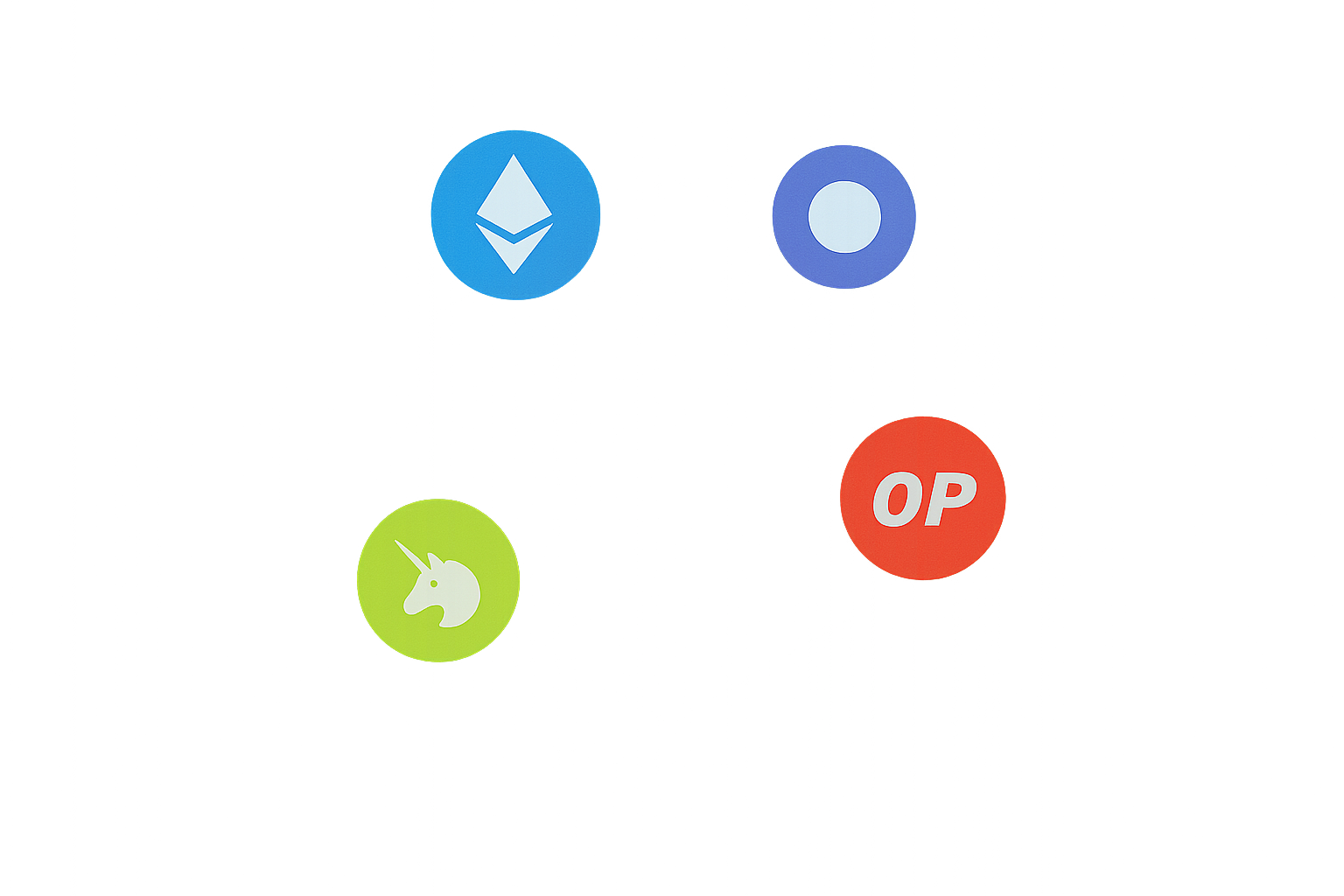
This article examines how SPK community activity and ecosystem engagement directly drive token value growth through 2026. It explores four core mechanisms: social media expansion on Twitter and Telegram generating compound adoption effects through engaged communities; governance participation and staking rewards creating sustained ecosystem loyalty and participation cycles; multi-chain DApp deployment across Ethereum, Base, Optimism, and Unichain expanding protocol utility and market reach; and TVL growth demonstrating a proven correlation between capital lock-in and SPK price appreciation. The analysis reveals that active community engagement, developer contributions, and protocol capital deployment collectively strengthen token demand and price sustainability, while transparency in reward mechanisms and cross-chain accessibility position SPK as a scalable on-chain capital allocator capable of capturing value across fragmented blockchain infrastructure.
Social media platforms serve as primary infrastructure for SPK community coordination and real-time sentiment analysis. Twitter's 909 million monthly active users create an ideal distribution channel for protocol updates and governance discussions, while Telegram facilitates direct community engagement and technical support. The distinction between follower quantity and engagement quality fundamentally shapes adoption trajectories. Research demonstrates that micro accounts under five thousand followers typically achieve 2 to 5 percent engagement rates when producing quality content for niche audiences, indicating that concentrated, active participation drives more meaningful adoption than passive follower accumulation. SPK's Twitter and Telegram communities generate compound effects where each new engaged user amplifies network value through increased information sharing and protocol awareness. When followers actively participate—sharing SPK content, participating in governance discussions, or onboarding peers—these actions create multiplier effects that accelerate user adoption beyond linear growth patterns. The engagement rate metric becomes particularly relevant for assessing SPK's true community health, revealing whether follower growth translates into functional adoption or merely inflated vanity metrics. Historical data shows platforms maintaining consistent 2 to 5 percent engagement rates on quality content demonstrate sustainable community expansion, directly correlating with downstream on-chain activity metrics and token utility development through 2026.
Community Engagement Metrics: Governance participation rates and staking mechanisms fueling ecosystem loyalty
SPK token holders strengthen ecosystem loyalty through active participation in governance and staking programs that directly shape Spark's protocol development. Governance participation allows token holders to influence key decisions affecting the ecosystem's direction, creating a sense of ownership that extends beyond passive investment. These governance mechanisms ensure token holders have tangible influence over protocol parameters and future ecosystem activities.
Staking mechanisms represent the core reward infrastructure driving sustained engagement. By locking SPK tokens, holders earn returns while contributing to network security and stability. The dual benefit of earning rewards while maintaining voting rights creates powerful incentives for long-term participation. According to Spark's framework, holders can earn SPK tokens as rewards through staking or participation in ecosystem activities, effectively multiplying their influence as their holdings grow.
The synergy between governance participation rates and staking rewards fuels what constitutes genuine ecosystem loyalty. When community members earn tangible benefits from active involvement, participation rates naturally increase, creating a virtuous cycle where growing engagement strengthens the protocol. This alignment between individual incentives and collective ecosystem health has proven effective in DeFi communities, where transparent reward mechanisms directly correlate with sustained participation and reduced token volatility during market downturns.
Developer Contribution and DApp Ecosystem: Multi-chain deployment across Ethereum, Base, Optimism and Unichain expanding protocol utility
SPK developers have substantially expanded protocol utility through strategic multi-chain deployment across major blockchain networks. By deploying DApp solutions on Ethereum, Base, Optimism, and Unichain throughout 2026, the development team significantly enhanced the SPK ecosystem's accessibility and reach. This multi-chain approach addresses fragmentation in decentralized finance by allowing users to interact with SPK-based applications regardless of their preferred blockchain environment.
The DApp ecosystem expansion reflects a sophisticated protocol utility strategy that captures value across different layer-two solutions and emerging chains. Ethereum provides established liquidity and institutional adoption, while Base and Optimism offer cost-efficient scaling benefits. Unichain integration demonstrates the ecosystem's alignment with decentralized exchange infrastructure, creating synergistic opportunities for capital deployment. These developer contributions directly enable millions of users to participate in SPK's DeFi, CeFi, and RWA capabilities at reduced transaction costs.
Multi-chain deployment fundamentally strengthens token value propositions by reducing barriers to entry and expanding addressable markets. Developer teams implementing cross-chain solutions generate increased protocol utility, translating to higher token demand as more users access SPK services across preferred networks. This ecosystem engagement strategy positions SPK as an adaptive on-chain capital allocator capable of scaling across fragmented blockchain infrastructure.
TVL Growth and Token Value Correlation: Protocol lock-in reaching 3.95 billion USD with direct impact on SPK price sustainability
The relationship between protocol lock-in and SPK token valuation demonstrates a compelling market dynamic. As Spark functions as an onchain capital allocator managing substantial asset deployments across DeFi, CeFi, and RWA sectors, its TVL expansion directly influences token value sustainability. Historical performance provides compelling evidence: when TVL reached approximately $8 billion, the SPK token experienced a remarkable 400% surge, establishing a robust correlation between capital accumulation and price appreciation.
This TVL-price nexus operates through multiple mechanisms. Deeper protocol lock-in creates network effects that enhance ecosystem efficiency while simultaneously constraining token supply dynamics. With the protocol maintaining elevated capital deployment levels and demonstrating conservative risk management practices, market participants have developed confidence in SPK's price foundations. Technical analysis reveals the token has stabilized above critical support thresholds, reflecting sustained institutional and retail momentum.
The sustainability of token value rests on protocol mechanics that reward participation and encourage capital commitment. As the $3.95 billion in managed assets represents deployed capital across diversified revenue-generating activities, this liquidity depth underpins price stability. Market sentiment remains constructively bullish, driven by recognized supply constraints and demonstrated capital efficiency. The positive feedback loop between expanding TVL and token appreciation creates self-reinforcing dynamics that protect against downside volatility while supporting long-term value trajectory.
FAQ
SPK community activity drives ecosystem engagement and transaction volume, increasing network utility and demand. Active communities strengthen adoption, boost trading activity, and enhance token liquidity, thereby supporting higher valuations and sustained price growth through 2026.
How is SPK ecosystem participation expected to change in 2026?
SPK ecosystem participation is projected to stabilize in 2026, driven by trading platform listings. Activity levels will transition from initial peaks to sustainable baseline engagement, reflecting mature market dynamics and steady community involvement.
Community engagement metrics including follower growth, social media interaction, and ecosystem participation directly reflect network health and investor confidence, driving token value appreciation through increased adoption and institutional interest.
Which activities in the SPK ecosystem are most effective at driving token value growth?
DeFi ecosystem integration and staking rewards are primary drivers of SPK token value growth. Community governance participation, transaction volume increases, and protocol adoption directly enhance tokenomics and demand.
What is the weight of community scale and activity in SPK token valuation?
Community scale and activity hold significant weight in SPK token valuation, directly driving liquidity, demand, and investor confidence. Large-scale user adoption and high engagement levels substantially enhance token market performance and long-term value appreciation.
What level of ecosystem participation does SPK need to achieve in 2026 to realize value growth?
SPK requires sustained user engagement above 80% in 2026 to drive value appreciation. Continuous community participation and long-term commitment are critical, as higher retention rates directly fuel ecosystem value expansion and token valuation.
* The information is not intended to be and does not constitute financial advice or any other recommendation of any sort offered or endorsed by Gate.