This comprehensive guide explores Pi Network mining, a revolutionary mobile-first cryptocurrency that democratizes mining without expensive hardware or high electricity costs. Unlike Bitcoin's power-intensive Proof-of-Work, Pi uses the Stellar Consensus Protocol, allowing users to earn by simply tapping an app daily. The article walks through downloading the Pi app, creating a Security Circle, building referral teams, and completing KYC verification for mainnet migration. Learn how your mining rate increases through trusted connections, referrals, and optional node running—all while earning real Pi coins on your smartphone. Understand the current limitations: Pi isn't yet listed on exchanges like Gate, remains speculative until Open Mainnet launch, and requires consistent daily engagement. Perfect for crypto-curious users seeking zero-cost blockchain participation with long-term potential, this guide separates Pi Network's genuine opportunities from common myths and unrealistic earning expectations.
What Is Pi Network and Why It's Different
Pi Network is a mobile-first cryptocurrency project that aims to make mining accessible to everyday users — without the need for expensive hardware or high electricity costs. Launched in 2019 by Stanford PhDs, the project introduces a user-friendly way to earn digital currency simply by checking into an app daily.
Unlike Bitcoin or Ethereum, which rely on power-hungry Proof-of-Work (PoW) mining, Pi Network uses the Stellar Consensus Protocol (SCP). This innovative approach allows users to validate transactions and secure the network through trust relationships — not raw computing power. The protocol represents a fundamental shift in how cryptocurrency networks can be maintained, prioritizing accessibility and energy efficiency over computational competition.
Mining Pi doesn't require leaving the app open or draining your battery. Users simply open the app once a day, tap a lightning icon, and let the system do the rest. It's a lightweight process that encourages participation through social trust and consistent engagement rather than hardware competition. This design philosophy makes Pi Network particularly attractive to users in regions where traditional mining infrastructure is economically unfeasible.
With its community-first approach, Pi Network is designed to democratize access to cryptocurrency, especially in regions where mining rigs or large energy consumption are unrealistic. The project aims to create a more inclusive crypto ecosystem where participation is based on human engagement rather than financial investment in specialized equipment.
How Does Pi Mining Work?
Pi mining is fundamentally different from traditional crypto mining. Instead of solving complex algorithms using high-powered machines, Pi Network uses a trust-based consensus mechanism called the Stellar Consensus Protocol (SCP). This protocol allows users to validate activity based on social trust, not computational output.
When a user taps the "⚡" lightning button in the Pi app, they activate a 24-hour mining session. Unlike Proof-of-Work systems like Bitcoin, no processing happens in the background — the app doesn't consume CPU, GPU, or additional energy. Instead, Pi rewards engagement and social verification. This approach fundamentally reimagines what "mining" means in the context of cryptocurrency, shifting from energy-intensive computation to community-based validation.
Why It Doesn't Drain Your Battery
Pi mining only requires an internet connection for a few seconds each day. Once the session begins, you don't need to leave the app running. The app logs your participation, and rewards are distributed based on your active engagement, not phone usage. This design ensures that users can participate without sacrificing device performance or battery life, making it practical for daily use on any smartphone.
Your hourly mining rate depends on several interconnected factors:
- A base rate, which decreases as the network grows to maintain sustainable token distribution
- Bonuses from your Security Circle (trusted contacts you add), which can significantly boost your earnings
- Referral Team activity — if people you've invited are actively mining, you receive additional rewards
- Optional node running or Pi app usage, which contribute to network security and ecosystem development
These elements combine into a transparent, gamified system designed to reward consistent, real human behavior. The formula encourages users to build genuine connections and contribute meaningfully to the network's growth and security.
Why It's Considered "Mobile Mining"
Despite the name, no actual blockchain verification happens on your device. Instead, mobile mining on Pi is a metaphor for social consensus and engagement-driven token distribution — a concept more aligned with accessibility and low-cost participation. The term reflects the project's commitment to making cryptocurrency accessible through devices that billions of people already own and use daily.
Step-by-Step Guide to Mining Pi Coins
Getting started with Pi Network is quick, easy, and entirely mobile-based. You don't need any technical skills or expensive equipment — just a smartphone and an internet connection. The onboarding process is designed to be intuitive and welcoming for users with no prior cryptocurrency experience.
Downloading and Installing the Pi App
To begin, search for "Pi Network" in the App Store (iOS) or Google Play Store (Android). Make sure you download the official app developed by the Pi Core Team to ensure security and authenticity. The app is free to download and requires minimal storage space on your device.
Once installed, open the app and choose your preferred language to start the registration process. The interface supports multiple languages to accommodate Pi Network's global user base.
Account Setup and Invitation Code
You can sign up using your phone number or Facebook account. After choosing a secure password, you'll be prompted to enter an invitation code — this is required to join the network. You can use a code from a friend or online community. This referral mechanism helps build the network's social graph and ensures that new users are connected to the existing community.
This referral code creates your Earning Team, which can later help boost your mining rate. The system is designed to reward both the inviter and the invited, creating a mutually beneficial relationship that encourages network growth.
Starting Your First Mining Session
Once your account is set up, tap the "⚡" lightning bolt icon to begin mining. Each session lasts 24 hours, after which you'll need to manually tap again to continue earning. This daily interaction requirement ensures active participation and helps maintain network security.
You don't need to keep the app open — just check in once per day. The system records your session activation and calculates your rewards based on your mining rate and network contributions.
Maintaining Daily Mining Activity
Set a daily reminder to tap the mining icon and keep your session active. If you skip a day, you won't earn Pi until you tap again. Consistent daily activity is the simplest way to maintain your mining streak and build long-term rewards. Many users find it helpful to integrate this daily tap into their morning or evening routine to ensure they never miss a session.
How to Boost Your Pi Mining Rate
While Pi Network mining is simple by design, you can significantly increase your earnings by engaging more deeply with the platform. The more you contribute to the ecosystem — through social trust, referrals, and ecosystem participation — the faster you mine. Understanding these mechanisms allows you to maximize your rewards while contributing to network security and growth.
Building Your Security Circle
After three days of mining, you unlock the ability to create a Security Circle. This is a group of 3–5 trusted individuals you personally know and trust not to act maliciously on the network. The Security Circle represents Pi Network's innovative approach to distributed trust and network security.
Each active member in your Security Circle adds up to 20% of your base mining rate, up to a maximum 100% boost. These connections help reinforce the integrity of Pi's decentralized trust graph. By carefully selecting trusted individuals, you contribute to the overall security of the network while increasing your own mining efficiency.
Referral Team and Ambassador Role
By inviting others to join Pi Network with your referral code, you form a Referral Team. For every active miner in your team, your mining rate increases by 25% of the base rate. This creates a powerful incentive to share Pi Network with friends, family, and community members who might benefit from participating.
This model incentivizes community growth while fairly rewarding the inviting user (Ambassador) and their referrals. Note: Your team's size doesn't directly affect your rate — only their concurrent mining activity does. This ensures that quality of engagement matters more than quantity of referrals.
Using Pi Apps and Running a Node
- Pi Browser Apps: Engaging with decentralized apps (dApps) listed on the Pi Browser can yield App Usage Rewards. These applications represent the growing ecosystem built on Pi Network and provide practical utility for the cryptocurrency.
- Running a Node: If you're technically inclined, you can run a Pi Node on your desktop. Node rewards are based on uptime, reliability, and performance, and help secure the network at scale. Running a node represents a more advanced form of participation that contributes directly to network infrastructure.
Lockup Commitment Strategies
Users can voluntarily lock up a portion of their mined Pi for a fixed period (e.g., 6 months, 1 year). A higher lockup ratio or longer duration increases your mining multiplier. This mechanism demonstrates your commitment to the network's long-term success and is rewarded accordingly.
This mechanism supports network stability and aligns with Pi's long-term vision — think of it as a "staking-lite" system. By locking up tokens, you signal confidence in the project while earning enhanced rewards for your commitment.
Understanding Your Pi Mining Rank
Pi Network assigns users to different roles or ranks, each unlocking new benefits and contributing differently to the ecosystem. Advancing through these roles can significantly impact your mining rewards and long-term potential. The rank system creates a progression path that encourages deeper engagement and contribution.
Pioneer – The Default Role
Everyone starts as a Pioneer. This is the basic role that allows you to mine Pi by tapping the lightning button daily. It has no additional requirements but provides access to Security Circles after 3 days of activity. The Pioneer role represents the foundation of Pi Network's user base.
Mining Rate: Base rate only
Contributor – After 3 Days
After mining for three consecutive days, you can begin forming your Security Circle, which qualifies you as a Contributor. This role recognizes your commitment to the network and unlocks enhanced earning potential.
Benefits:
- Increased mining rate via trusted users
- Enhanced network security through your trust connections
- Deeper integration into the Pi Network community
Ambassador – Referral Role
When you invite new users with your referral code, you become an Ambassador. Each new active referral increases your hourly earnings, and the bonus applies as long as they mine daily. This role rewards community building and network growth.
Bonus: +25% of base rate per active referral (no upper limit)
Node – Running a Full Node
If you run the Pi Node software on your desktop or laptop, you qualify as a Node. This advanced role contributes directly to Pi's decentralized consensus process and represents the highest level of technical participation.
Benefits:
- Additional mining rewards for infrastructure support
- Potential influence in network governance decisions
- Technical contribution to network reliability and decentralization
Running a Node does not stop mobile mining — it adds to your total rewards, allowing you to maximize your earning potential through multiple contribution channels.
Completing the Pi Network Mainnet Checklist
To move your mined Pi coins from the app to the Pi Network Mainnet, you must complete a set of steps known as the Mainnet Checklist. These tasks verify your identity, secure your assets, and prepare your account for real-world use once Pi becomes tradable. Completing this checklist is essential for transitioning from test network participation to full mainnet access.
The most important step is passing KYC (Know Your Customer) verification. This ensures each user is a unique, real individual — not a bot or duplicate account. KYC verification is a critical component of Pi Network's commitment to creating a legitimate, compliant cryptocurrency ecosystem.
- You'll need to submit a government-issued ID and complete face authentication
- Only KYC-approved users will be allowed to migrate their balances to the Mainnet
- KYC invitations are rolled out in batches, so check your app regularly for your opportunity to verify
The verification process is designed to be secure and privacy-conscious while meeting regulatory requirements for cryptocurrency platforms.
Creating and Confirming a Pi Wallet
Once KYC is approved:
- Download the Pi Browser app, which serves as your gateway to the Pi ecosystem
- Use it to create your Pi Wallet — a self-custodial address tied to your Pi Network identity
- You'll receive a 12-word passphrase. Store this safely, as it's required to recover your wallet and represents your sole access to your Pi holdings
You'll need to confirm your wallet in-app before continuing. This self-custodial approach means you have full control over your assets, but also full responsibility for securing your recovery phrase.
Token Lockup and Migration
Before migration, Pi requires you to decide how much of your balance to lock up, and for how long (e.g., 6 months, 1 year). Locking up Pi:
- Increases your mining multiplier, rewarding long-term commitment
- Helps stabilize the ecosystem by reducing immediate selling pressure
- Is optional, but encouraged as a demonstration of confidence in the project
Once all checklist steps are complete, your Pi will be scheduled for migration to the Mainnet. This process transforms your accumulated mining rewards into actual blockchain-based tokens that can eventually be used within the Pi ecosystem.
Risks, Limitations, and Common Myths
While Pi Network offers a novel approach to crypto mining, it's important to understand the risks and misconceptions that come with participating. Pi is still a developing project with no public market value, and not all claims about it are accurate. Informed participation requires understanding both the potential and the limitations.
Speculative Value & IOU Tokens
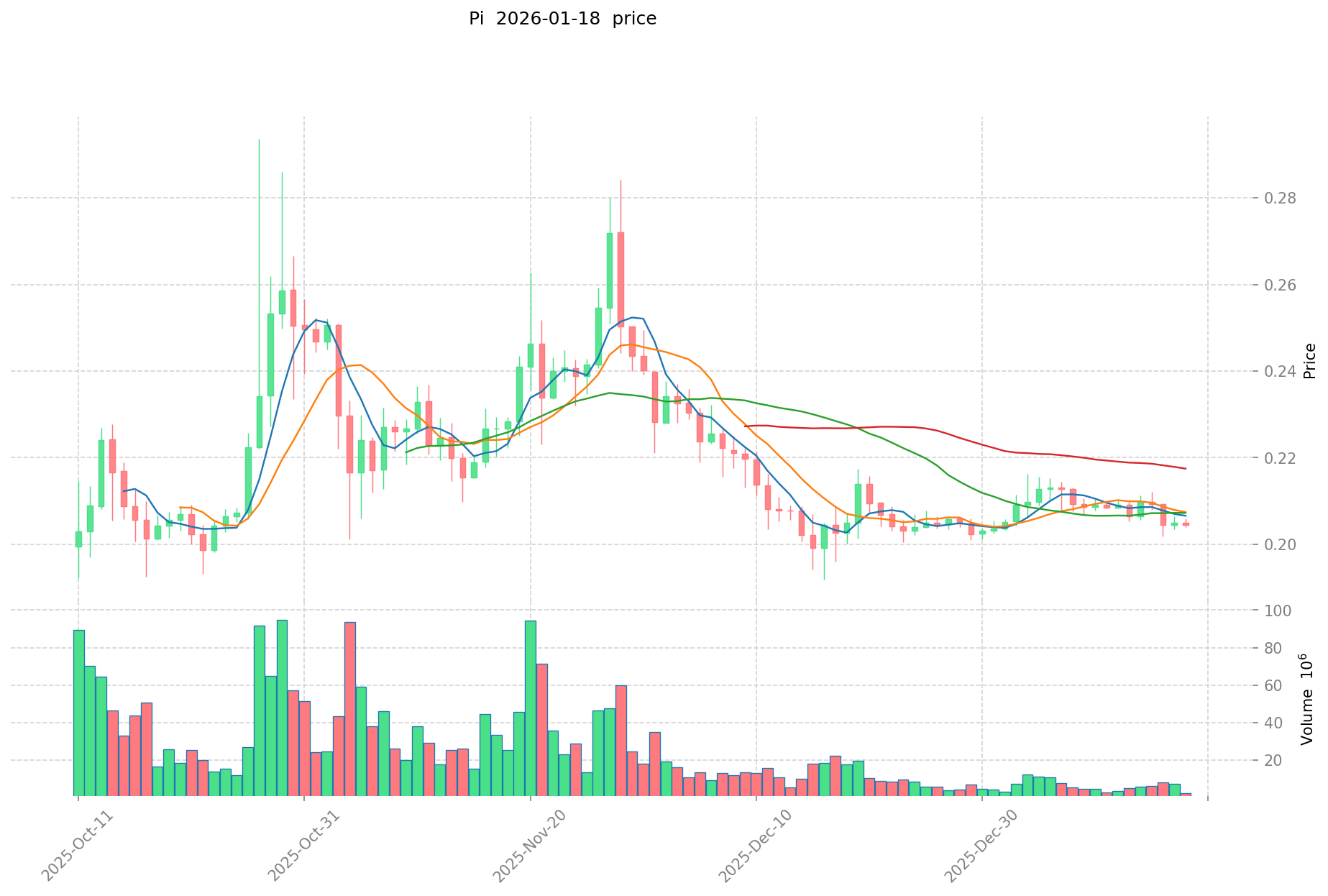
At the current stage, Pi Coin is not listed on any major exchange. What you may see on some platforms are IOU tokens — placeholders representing future Pi coins, not the actual cryptocurrency. These cannot be withdrawn or used, and their prices are purely speculative.
Relying on these prices for valuation is misleading. The real Pi coins held in your app or wallet cannot yet be traded or sold until the network moves to its Open Mainnet phase. Any price information you encounter should be treated with extreme caution as it does not represent actual market value.
Security and Data Concerns
Pi Network requires users to provide personal information for KYC, including government-issued ID. While the team states it protects user data, privacy-conscious users should carefully review the platform's policies and be aware of the risks involved in submitting sensitive data to any centralized system. Understanding the data handling practices is essential for making an informed decision about participation.
Misconceptions About Earning Potential
Some users falsely believe:
- Large Referral Teams = More Pi, regardless of activity
- Passive income accrues even if you don't open the app
- Mining Pi guarantees future profits
In truth:
- Only active referrals boost your mining rate
- You must tap daily to earn
- Pi has no established market value at this stage
Participation should be viewed as a long-term experiment, not a guaranteed investment. The project's success depends on numerous factors including technical development, regulatory compliance, and ecosystem adoption.
When and Where Can You Sell Pi Coins?
One of the most common questions among Pi Network users is: "When can I cash out?" The answer depends on Pi's roadmap and its transition from a closed Mainnet to an open and tradable ecosystem. Understanding this timeline helps set realistic expectations.
Enclosed vs Open Mainnet
At present, Pi operates on an enclosed Mainnet, meaning:
- Users can mine and transfer Pi within the network
- Pi cannot be moved to external wallets or exchanges
- There is no official market price for Pi yet
The Pi Core Team has stated that the Open Mainnet phase will launch only once enough users have passed KYC and the ecosystem has matured with real-world utility. This phased approach prioritizes network stability and security over rapid market access.
Potential Exchange Listings
Once Pi enters the Open Mainnet, the next step would be listing on cryptocurrency exchanges. While no official announcements have been made, many in the community anticipate that leading cryptocurrency exchanges and major trading platforms could be among the first to offer trading if compliance and listing requirements are met.
These platforms' focus on innovative and emerging assets makes them strong candidates to support Pi trading once Pi's token is transferable and meets listing criteria. However, any specific exchange claims should be treated as speculative until official announcements are made.
Until then, any token claiming to be Pi on third-party exchanges should be treated as speculative or unofficial.
Why Value Is Still Speculative
Even if Pi is eventually listed, its value will be determined by:
- Market demand from traders and users
- Liquidity provided by exchanges and market makers
- Utility within the Pi ecosystem and real-world applications
Early holders may not see meaningful returns unless the network succeeds in driving adoption, usage, and a real economy built on Pi. At this stage, mining Pi is more of a long-term bet than a short-term investment. The cryptocurrency's value will ultimately depend on the success of the ecosystem and the utility it provides to users.
Final Thoughts – Is Pi Mining Worth It?
Mining Pi Coin remains a unique opportunity — not because it offers guaranteed profits, but because it invites anyone with a smartphone to participate in a crypto experiment with potentially global reach. The project represents an interesting case study in alternative approaches to cryptocurrency distribution and network building.
If you're looking for a zero-cost way to engage with blockchain, Pi offers:
- An easy onboarding experience with no technical barriers
- A gamified mining system that makes participation engaging
- A growing community of millions of verified users worldwide
- An opportunity to learn about cryptocurrency concepts without financial risk
However, it's crucial to approach Pi with realistic expectations. The coin has no established market value, and its future depends on successful mainnet migration, exchange listings, and the creation of a functioning ecosystem. The project remains experimental, and outcomes are uncertain.
For the time being, Pi mining is best viewed as:
- A low-effort, high-uncertainty activity with potential long-term upside
- Suitable for crypto-curious users who don't want to invest money upfront
- A potential gateway to understanding Web3, mobile mining, and decentralized identity systems
- An educational experience in cryptocurrency participation
Whether it becomes the next big thing or fades into obscurity depends not only on the Pi Core Team — but also on how its users, developers, and future partners shape the network from here. Participation should be viewed as an experiment in new forms of cryptocurrency distribution rather than a guaranteed investment opportunity.
FAQ
What is Pi Coin and how does it differ from Bitcoin and other cryptocurrencies?
Pi Coin is a mobile-first cryptocurrency requiring no powerful hardware, unlike Bitcoin. It enables easy peer-to-peer transactions through phone mining, making crypto more accessible than traditional proof-of-work systems.
How do I get started with Pi Coin mining on my mobile phone?
Download the Pi Network app from your phone's app store for Android or iOS. Open the app and follow the on-screen instructions to begin mining. You can start earning Pi coins immediately without any hardware investment.
Is Pi Coin mobile mining free? What are the costs involved?
Yes, Pi Coin mobile mining is completely free with no direct fees. Minimal costs include data usage and device battery drain, but mining requires no upfront investment or subscription charges.
How much Pi Coin can I earn per day from mobile mining?
Daily earnings depend on your mining rate and engagement level. Active miners typically earn 0.10-0.30 Pi per day. Your earnings are influenced by network security contributions, referred users, and consistent app engagement throughout the day.
Is Pi Coin mining safe and secure for my phone?
Yes, Pi Coin mining is safe when using the official app. It requires minimal phone resources and doesn't compromise security. Always download from official sources to avoid scams and ensure optimal protection.
What are the system requirements for Pi Coin mining on mobile devices?
Pi Coin mining requires no specific system requirements. Any smartphone with internet connection can participate by simply opening the app and tapping the mining button daily to earn Pi rewards.
Can I withdraw or sell my Pi Coin earnings, and how do I do it?
Yes, you can withdraw or sell Pi Coin through bank transfers, crypto-to-stablecoin conversions, or peer-to-peer trading. Check the Pi network app for detailed withdrawal steps and available options in your region.
* The information is not intended to be and does not constitute financial advice or any other recommendation of any sort offered or endorsed by Gate.