This article explores an independent Bitcoin miner's achievement in mining block 924569 and earning 3.146 BTC worth approximately $266,000. It examines Bitcoin's block reward structure comprising base subsidies and transaction fees, demonstrating how solo miners compete against large pools while maintaining network decentralization. The piece analyzes mining difficulty adjustments, economic trade-offs between independent and pool mining, and technical infrastructure requirements for successful operations. By showcasing that individual miners can still compete effectively on the Bitcoin network, the article highlights the ongoing viability and importance of solo mining in preserving blockchain decentralization and security.
Overview of the Mining Achievement
An independent Bitcoin miner successfully mined block 924569, earning a block reward of 3.146 BTC. This reward represents a significant achievement in the Bitcoin mining ecosystem, valued at approximately $266,000 based on Bitcoin's value at the time.
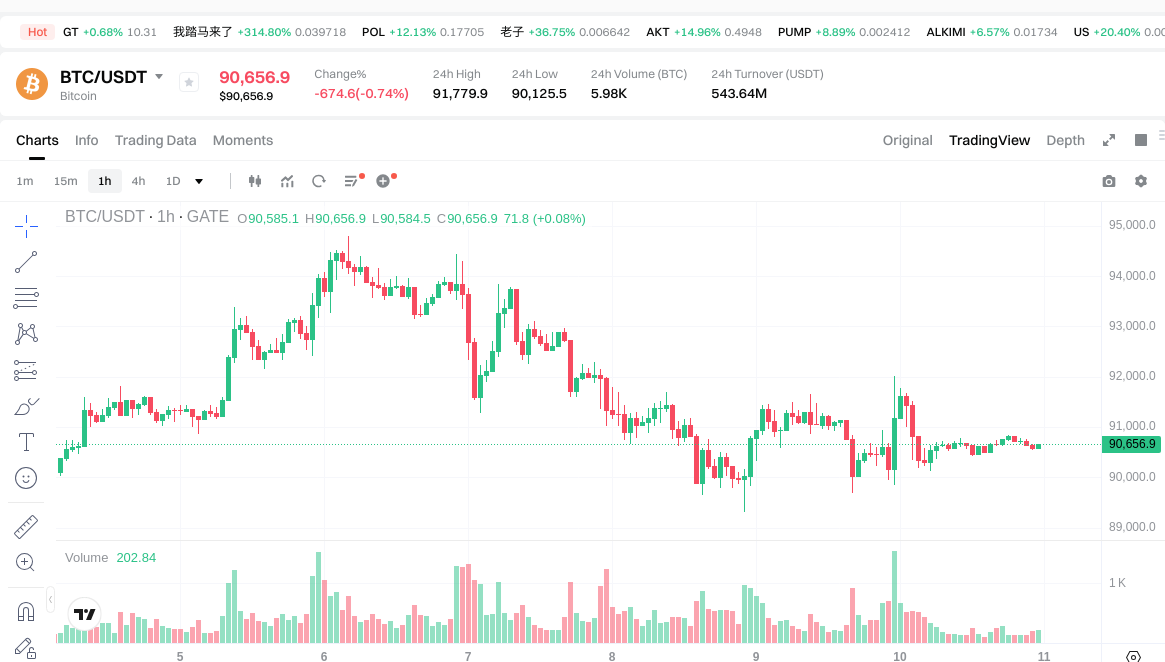 The event demonstrates that individual miners can still compete in the network despite the dominance of large mining pools. According to mempool data, this successful block discovery showcases the ongoing viability of independent mining operations in maintaining network security and decentralization.
Understanding Bitcoin Block Rewards
Bitcoin block rewards consist of two components: the base subsidy and transaction fees. Following the most recent halving event, the base subsidy stands at 3.125 BTC per block. The additional 0.021 BTC earned by this miner represents transaction fees paid by users for including their transactions in the block. This fee structure incentivizes miners to prioritize transactions with higher fees, especially during periods of network congestion. The combination of base rewards and transaction fees ensures miners remain economically motivated to secure the network through proof-of-work consensus.
The Role of Independent Miners
Independent miners operate mining equipment without joining large mining pools, choosing instead to mine solo. While this approach offers lower probability of finding blocks compared to pool mining, successful solo miners receive the entire block reward without sharing with pool participants. Independent miners play a crucial role in Bitcoin's decentralization by preventing excessive concentration of hash power among a few major pools. Their participation ensures that the network remains resistant to centralization risks and maintains its core principle of distributed consensus.
Mining Difficulty and Competition
Bitcoin's mining difficulty adjusts approximately every two weeks to maintain an average block time of 10 minutes. Independent miners face significant competition from industrial-scale operations and large mining pools that control substantial portions of the network's total hash rate. The successful mining of block 924569 by an independent miner highlights the probabilistic nature of proof-of-work mining, where any miner with computational power has a chance to discover the next block. This achievement required substantial hash power and favorable probability, demonstrating both the technical capability and persistence required for solo mining operations.
Impact on Network Decentralization
The success of independent miners contributes positively to Bitcoin's decentralization goals. When individual miners successfully find blocks, it demonstrates that the network remains accessible to participants outside of major mining pools. This accessibility is fundamental to Bitcoin's security model, as it prevents any single entity from gaining excessive control over block production. The mining of block 924569 serves as evidence that Bitcoin's proof-of-work mechanism continues to allow diverse participation, reinforcing the network's resistance to centralization and censorship.
Economic Considerations for Solo Mining
Solo mining presents unique economic trade-offs compared to pool mining. While independent miners face longer periods between successful block discoveries, they retain 100% of block rewards when successful. In contrast, pool miners receive more frequent but smaller payouts proportional to their contributed hash power. The profitability of solo mining depends on factors including electricity costs, hardware efficiency, and Bitcoin's market price. For the miner who discovered block 924569, the 3.146 BTC reward represents a significant return that must offset the operational costs incurred during the mining process.
Technical Requirements and Infrastructure
Successfully mining a Bitcoin block as an independent operator requires substantial technical infrastructure. Miners must deploy specialized ASIC hardware capable of performing trillions of hash calculations per second. Additionally, they need reliable internet connectivity, adequate cooling systems, and access to affordable electricity. The miner who found block 924569 likely operates professional-grade mining equipment with sufficient hash power to compete with larger operations. This technical barrier to entry highlights both the challenges and rewards associated with independent Bitcoin mining in the current competitive environment.
FAQ
What is a Bitcoin independent miner? What is the difference between independent miners and mining pools?
A Bitcoin independent miner is an individual who solves complex mathematical problems to mine Bitcoin independently. The key difference is that independent miners work alone, while mining pools combine efforts with other miners. Pools increase the probability of finding blocks and earning rewards more consistently.
What is the reward for a Bitcoin block? How long does it take to mine a block?
A Bitcoin block reward is 6.25 BTC. The network generates a new block approximately every 10 minutes on average. Miners receive this block reward plus transaction fees for successfully mining a block.
How to become an independent miner? What hardware and technical requirements are needed?
To become an independent miner, you need specialized hardware such as ASICs, GPUs, or CPUs, and a cryptocurrency wallet. Mining requires technical knowledge and significant investment in equipment and electricity. Profitability depends on hardware efficiency, energy costs, and network difficulty.
How are independent mining costs and revenues calculated? Can you still make money now?
Independent mining profitability depends on equipment costs, electricity prices, and Bitcoin value. With ASIC miners at $0.06/kWh electricity and $120,000 BTC price, daily profit reaches approximately $2.93 USD. However, risks remain high due to price volatility, difficulty increases, and equipment depreciation. Currently, Bitcoin mining remains viable for low-electricity regions.
How is Bitcoin mining difficulty adjusted? Why can miners successfully mine blocks?
Bitcoin mining difficulty adjusts automatically every two weeks to maintain one block every 10 minutes, ensuring network stability and security. Miners compete to solve complex puzzles, and the first to succeed earns block rewards.
* The information is not intended to be and does not constitute financial advice or any other recommendation of any sort offered or endorsed by Gate.