This article provides a comprehensive analysis of index market crashes, examining the fundamental causes and historical patterns that shape investor decisions during periods of volatility. It explores critical triggers including economic recessions, geopolitical tensions, speculative bubbles, and panic-driven selling that destabilize global financial systems. The article traces significant historical crashes from the 2008 financial crisis to the COVID-19 market disruption, highlighting how monetary policy interventions and coordinated responses drive recovery. Through detailed case studies on tariffs, sectoral impacts, and volatility indices like the VIX, it equips investors with essential insights. The guide presents actionable strategies—dollar-cost averaging, diversification, and long-term positioning—enabling readers to navigate market turbulence effectively. By combining risk management techniques with emotional discipline frameworks, this resource transforms market crashes from catastrophic events into
Understanding the Index Market: Causes of Crashes and Key Insights
The index market, a cornerstone of the global financial ecosystem, plays a crucial role in reflecting economic health and investor sentiment. However, it is susceptible to periods of volatility and crashes, often triggered by a combination of economic, political, and speculative factors. By understanding the root causes and historical patterns of these downturns, investors can better navigate turbulent times and make informed decisions.
Index markets serve as barometers for overall economic performance, with major indices like the S&P 500, Nasdaq, and Dow Jones Industrial Average representing different segments of the market. When these indices experience significant declines, it often signals broader economic concerns or shifts in investor confidence. Historical analysis reveals that market crashes, while painful in the short term, are a natural part of market cycles and have been followed by periods of recovery and growth.
Common Causes of Stock Market Crashes
1. Economic Factors
Economic recessions, inflation, and rising interest rates frequently set the stage for market downturns. These fundamental economic conditions create an environment of uncertainty and reduced corporate profitability. For example, the 2008 financial crisis was primarily driven by the collapse of the housing market and the subsequent credit crisis, which spread across global markets like a contagion. The interconnected nature of modern financial systems meant that problems in one sector quickly cascaded into others, amplifying the impact.
During periods of high inflation, central banks typically raise interest rates to cool the economy, which can reduce corporate earnings and make stocks less attractive compared to fixed-income investments. This dynamic creates downward pressure on stock prices and can trigger broader market corrections.
2. Political and Geopolitical Risks
Trade wars, tariffs, and geopolitical tensions can significantly disrupt global markets by creating uncertainty about future economic conditions. Over the past several years, tariff announcements in the United States have caused notable declines in major indices such as the S&P 500, Nasdaq, and Dow Jones. These policy decisions affect international trade flows, corporate supply chains, and investor confidence.
Geopolitical events such as military conflicts, diplomatic tensions, and regime changes can create sudden shocks to market stability. Investors often react to these uncertainties by moving capital to safer assets, leading to sell-offs in equity markets.
3. Speculative Bubbles
Overvaluation in specific sectors frequently leads to sharp corrections when speculative bubbles burst. A classic example is the dot-com bubble, where overvalued technology stocks caused a massive market correction that wiped out trillions in market value. During bubble periods, investor enthusiasm and fear of missing out drive prices far beyond fundamental values.
Speculative bubbles typically form when easy credit conditions, technological innovations, or new investment trends create excessive optimism. When reality fails to meet inflated expectations, the bubble bursts, leading to rapid price declines and significant losses for investors who bought at peak prices.
4. Investor Panic
Fear-driven selling amplifies market crashes, often creating self-fulfilling prophecies. During the COVID-19-induced crash, uncertainty dominated global markets, leading to one of the fastest declines in history. Panic selling occurs when investors collectively rush to exit positions, overwhelming buyers and causing prices to plummet.
The psychological aspect of market crashes cannot be underestimated. When investors see their portfolios declining rapidly, emotional reactions often override rational decision-making, leading to capitulation and further price declines.
Historical Examples of Market Crashes
2008 Financial Crisis
Triggered by the collapse of subprime mortgages, this crisis led to a global recession and significant losses in major indices. The crisis revealed systemic weaknesses in financial institutions and regulatory frameworks. Major investment banks collapsed or required government bailouts, and the crisis spread from the United States to Europe and beyond.
The recovery from the 2008 crisis took several years and required unprecedented monetary and fiscal interventions. The lessons learned from this crisis shaped financial regulations and central bank policies for years to come.
Overvalued technology stocks caused a massive correction, eliminating trillions in market value. During the late 1990s, internet-related companies saw their valuations soar to unsustainable levels based on potential rather than actual profits. When the bubble burst, many companies went bankrupt, and even surviving firms saw their stock prices decline by 80% or more.
This period taught investors important lessons about the dangers of speculation and the importance of fundamental analysis in valuation.
COVID-19 Crash (2020)
Pandemic-induced uncertainty led to one of the fastest declines in history. However, aggressive fiscal and monetary interventions drove a rapid market recovery. Governments worldwide implemented massive stimulus programs, and central banks cut interest rates to near zero while purchasing assets to support financial markets.
The swift recovery from the COVID-19 crash demonstrated the power of coordinated policy responses and the resilience of modern financial markets.
The Impact of Tariffs and Trade Wars on Global Markets
Tariffs and trade wars have profound effects on the index market, creating global economic uncertainty and impacting multinational corporations, commodity prices, and investor sentiment. These policy tools, while intended to protect domestic industries, often have far-reaching and sometimes unintended consequences.
For example, the Asia-Pacific markets have been particularly sensitive to trade tensions. Hong Kong's Hang Seng Index recorded its largest daily drop in decades due to tariff-related tensions. The interconnected nature of global supply chains means that tariffs imposed by one country can disrupt production and profitability for companies worldwide.
Supply chain disruptions caused by tariffs on consumer goods have affected industries ranging from technology to luxury goods. Companies have been forced to reorganize their manufacturing and distribution networks, incurring significant costs and creating uncertainty about future profitability.
Volatility Indices and Investor Sentiment Metrics
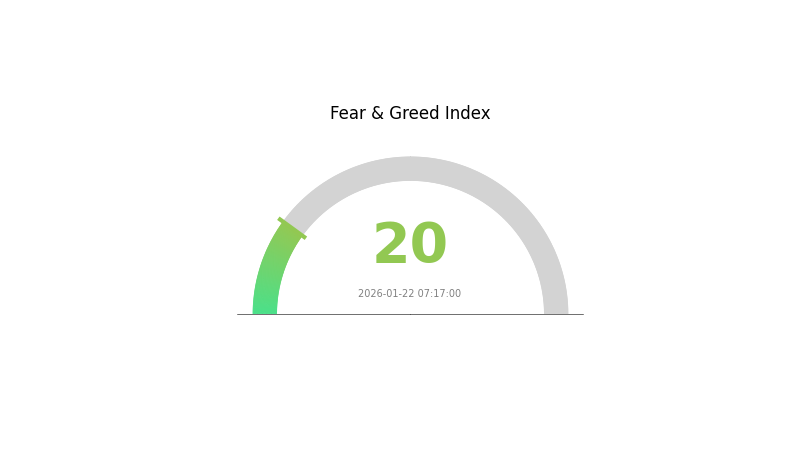
Tools like the Fear and Greed Index and the VIX (Volatility Index) provide valuable insights into investor sentiment during market crashes. These metrics often spike during periods of high uncertainty, such as the 2008 financial crisis and the COVID-19 crash. Monitoring these indices can help investors gauge market sentiment and make informed decisions.
The VIX, often called the "fear gauge," measures expected volatility in the S&P 500 over the next 30 days. When the VIX rises sharply, it indicates that investors are expecting significant market turbulence. Conversely, low VIX readings suggest market complacency and stability.
The Fear and Greed Index combines multiple market indicators to assess whether investors are too bullish or too bearish. Extreme readings in either direction can signal potential market turning points.
Strategies for Navigating Market Crashes
1. Dollar-Cost Averaging (DCA)
Investing a fixed amount at regular intervals can mitigate the impact of market volatility. This strategy allows investors to buy more shares when prices are low and fewer when prices are high, averaging out the cost over time. Dollar-cost averaging removes the pressure of trying to time the market perfectly and helps investors maintain discipline during volatile periods.
By committing to regular investments regardless of market conditions, investors can take advantage of lower prices during crashes without having to predict exact market bottoms. This approach has historically produced favorable results for long-term investors.
2. Diversification
Spreading investments across various asset classes, sectors, and geographic regions reduces risk. For example, while technology stocks may be more sensitive to economic shocks, sectors like utilities and healthcare tend to remain stable. Diversification is often called the only free lunch in investing because it can reduce portfolio risk without necessarily reducing expected returns.
A well-diversified portfolio might include domestic and international stocks, bonds, real estate, and alternative investments. This approach ensures that poor performance in one area doesn't devastate the entire portfolio.
3. Long-Term Holding
History shows that markets tend to recover over time. Avoiding panic-driven selling and remaining invested can lead to significant long-term gains. Investors who sold during market crashes often missed the subsequent recoveries and never fully recovered their losses.
The compound effect of staying invested through market cycles has historically rewarded patient investors. While short-term volatility can be uncomfortable, maintaining a long-term perspective helps investors weather temporary storms.
The Role of Central Banks and Monetary Policy
Central banks play a crucial role in stabilizing markets during periods of economic uncertainty. The U.S. Federal Reserve, for example, uses tools like interest rate adjustments and quantitative easing to influence market reactions. During the COVID-19 crash, aggressive monetary policy measures helped restore investor confidence and drove a rapid market recovery.
Central banks can inject liquidity into financial systems through asset purchases, provide emergency lending to financial institutions, and signal future policy intentions to guide market expectations. These interventions can prevent temporary market disruptions from becoming systemic crises.
The coordination between fiscal policy (government spending and taxation) and monetary policy (central bank actions) is critical during major economic downturns. When both work together effectively, they can cushion the impact of crashes and accelerate recoveries.
Specific Sectoral Impacts of Market Crashes
Market crashes often highlight vulnerabilities in specific sectors, revealing which industries are most sensitive to economic disruptions:
Technology: Speculative bubbles and overvaluation make this sector particularly sensitive to corrections. Technology companies, especially those without established profitability, often see the most dramatic price swings during market volatility. However, the sector's long-term growth potential means it typically leads market recoveries.
Consumer Discretionary: Economic recessions reduce consumer spending, impacting companies in this sector. When households face economic uncertainty, they cut back on non-essential purchases, affecting retailers, restaurants, and entertainment companies. This sector's performance often serves as a barometer for consumer confidence.
Banking: Financial institutions are frequently affected during recessions due to credit losses and reduced lending activity. Banks face dual pressures during economic downturns: loan defaults increase while demand for new lending decreases. Regulatory capital requirements can also limit banks' flexibility during crises.
Global Market Reactions to Crashes
Market crashes are not confined to a single region, and their effects ripple across global financial markets:
Asia-Pacific: The Australian dollar often serves as a barometer for global risk sentiment, with its levels during periods of uncertainty reflecting heightened caution. Asian markets are particularly sensitive to changes in Chinese economic policy and U.S.-China relations.
Europe: European markets are heavily influenced by geopolitical tensions and trade relationships. The European Union's complex political structure and diverse economies mean that regional issues can have varying impacts across member states.
Hong Kong: As a freer trading environment, Hong Kong's stock market often more accurately reflects economic expectations for China. The city's position as an international financial center makes it a crucial link between Eastern and Western markets.
Opportunities for Long-Term Investors
Market corrections, while painful in the short term, often create opportunities for strategic investors. Following Warren Buffett's philosophy of "being greedy when others are fearful," investors can identify undervalued assets during crashes. Advanced stock screening tools can help identify these opportunities by highlighting companies with strong fundamentals trading at discounted prices.
Quality companies with solid balance sheets, consistent cash flows, and competitive advantages often see their stock prices decline along with the broader market during crashes. These situations present opportunities for long-term investors to acquire ownership stakes at attractive valuations.
The key is distinguishing between companies facing temporary challenges and those with fundamental problems. Thorough research and analysis become even more important during market dislocations.
Managing Emotional Decisions During Crashes
The psychological impact of market crashes can lead to impulsive decisions that harm long-term investment success. To avoid this:
-
Focus on long-term goals rather than short-term fluctuations. Remember that your investment time horizon likely spans decades, not days or months.
-
Consult financial advisors to develop a clear investment strategy. Professional guidance can provide perspective and discipline during emotionally charged periods.
-
Stay informed but avoid overreacting to daily market news. Constant monitoring of portfolio values during volatile periods can lead to poor decision-making.
Developing a written investment plan before market turbulence occurs can help investors maintain discipline when emotions run high. This plan should outline investment objectives, risk tolerance, and predetermined responses to various market scenarios.
Conclusion
The index market is inherently cyclical, with periods of growth frequently followed by crashes. By understanding the causes of market crashes, monitoring key metrics, and adopting strategic investment approaches, investors can navigate these challenging periods with greater confidence. History shows that markets tend to recover over time, rewarding those who remain patient and strategic.
Successful investing requires both knowledge and emotional discipline. Understanding the patterns and causes of market crashes helps investors prepare mentally and financially for inevitable downturns. While no one can predict exactly when crashes will occur or how severe they will be, investors who maintain diversified portfolios, avoid panic selling, and focus on long-term goals have historically achieved favorable outcomes.
The lessons from past market crashes consistently demonstrate that maintaining perspective, staying invested, and viewing downturns as opportunities rather than disasters can transform challenging periods into wealth-building moments for disciplined investors.
FAQ
What is a market index crash? What are the common triggering factors?
A market index crash is a sharp, sudden decline in cryptocurrency market values. Common triggers include regulatory changes, macroeconomic shifts, major security breaches, liquidity crises, negative sentiment shifts, and large-scale liquidations in leveraged positions.
What are the famous market crash events in history? What impacts did they have respectively?
Notable crashes include 2008 Financial Crisis causing global recession, 2017-2018 crypto winter reducing market cap by 80%, March 2020 COVID crash with 30% single-day decline, and May 2022 Terra collapse triggering $40B losses. Each caused liquidations, investor losses, and regulatory scrutiny.
How do market crashes impact the assets of ordinary investors?
Market crashes typically result in significant portfolio value decline as cryptocurrency prices plummet. Investors may experience substantial losses, reduced purchasing power, and forced liquidations if leveraged. Asset volatility increases dramatically, creating heightened financial stress and potential long-term wealth erosion for unprepared investors.
How to identify risk signals and warning indicators of market crashes in advance?
Monitor key metrics: sudden trading volume spikes, extreme volatility increases, whale wallet movements, funding rate extremes, declining on-chain activity, and technical resistance breaks. Watch macroeconomic indicators like inflation data and Fed policy shifts. Combine sentiment analysis with chart patterns to detect potential crashes early.
What strategies should investors adopt to protect their assets during market crashes?
During market crashes, diversify your portfolio across asset classes, maintain stable coins reserves for opportunities, dollar-cost average into positions, implement stop-loss orders strategically, and avoid panic selling. Focus on long-term fundamentals rather than short-term volatility. Consider increasing exposure to uncorrelated assets and blue-chip projects with strong technical foundations.
How long does the recovery cycle typically take after a market crash?
Market recovery cycles typically range from 6 months to 2 years, depending on crash severity and market conditions. Major corrections usually see 70-80% recovery within 12-18 months, while full recovery to previous highs may extend 18-24 months. Recovery speed depends on regulatory clarity, institutional adoption, and overall market sentiment.
How do diversified portfolios and asset allocation help reduce market crash risks?
Diversification spreads risk across different assets, sectors, and cryptocurrencies, reducing exposure to single-point failures. Strategic asset allocation balances high-volatility and stable assets, dampening overall portfolio fluctuations during market downturns and protecting capital during crashes.
Central banks employ multiple tools: interest rate cuts to boost liquidity, quantitative easing to inject capital, and emergency lending facilities. Governments implement fiscal stimulus packages, tax breaks, and regulatory relief. Circuit breakers halt trading during extreme volatility. Coordinated international interventions stabilize financial systems during severe crises.
* The information is not intended to be and does not constitute financial advice or any other recommendation of any sort offered or endorsed by Gate.