This comprehensive global guide explores Bitcoin and cryptocurrency payment legality across major jurisdictions. The article examines regulatory frameworks in the United States, where federal agencies classify cryptocurrencies distinctly; the European Union under the landmark MiCA regulation; and established markets like the United Kingdom and Canada. It identifies countries with complete cryptocurrency bans and details compliance requirements including AML/KYC protocols and tax obligations. Through detailed analysis of government positions and practical trading regulations, readers gain critical insights into cryptocurrency's legal status worldwide. The guide serves businesses, investors, and users seeking to understand their jurisdiction's cryptocurrency regulations and navigate the evolving global landscape of digital asset adoption and compliance requirements.
Is Bitcoin Legal in the United States?
Yes, Bitcoin is legal in the United States, which is among the countries that accept cryptocurrencies. While no federal law explicitly bans Bitcoin, regulations can vary significantly from state to state. Different government agencies interpret and regulate Bitcoin in distinct ways, creating a complex regulatory landscape for cryptocurrency users and businesses.
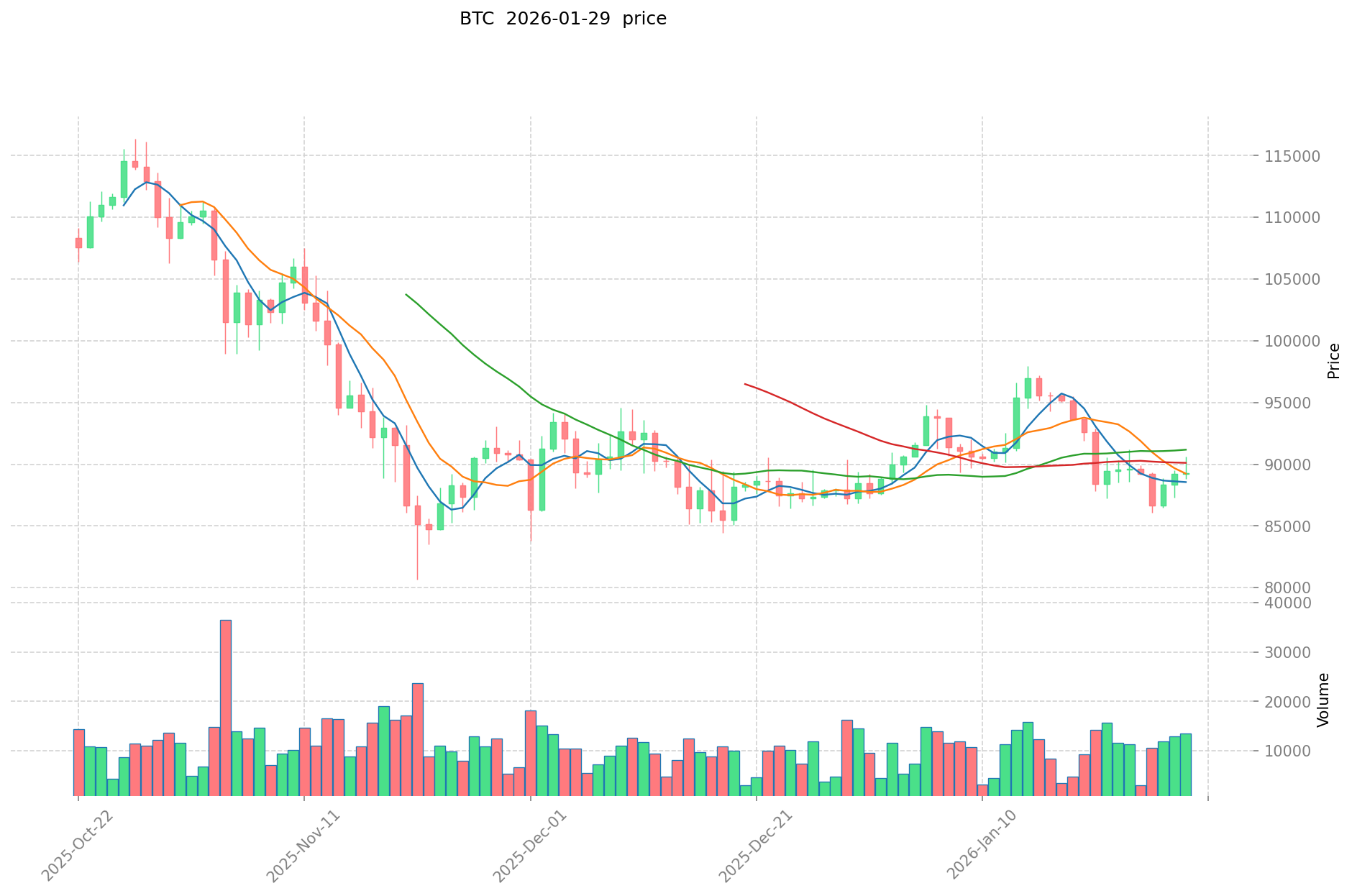
The regulatory treatment of Bitcoin in the United States reflects the evolving nature of digital assets and the challenges authorities face in categorizing them within existing legal frameworks. Understanding how different agencies view Bitcoin is crucial for anyone involved in cryptocurrency transactions or investments.
-
Securities and Exchange Commission (SEC): The SEC classifies Bitcoin as a commodity, while treating most other cryptocurrencies as securities. This distinction has significant implications for how these assets are regulated and traded in financial markets.
-
Internal Revenue Service (IRS): For tax purposes, the IRS treats Bitcoin as property rather than currency. This classification means that Bitcoin transactions are subject to capital gains tax, and users must report profits or losses from their cryptocurrency activities.
-
Commodity Futures Trading Commission (CFTC): The CFTC recognizes Bitcoin as a commodity, giving it jurisdiction over Bitcoin futures and derivative trading. This oversight helps protect investors in cryptocurrency derivative markets.
-
Financial Crimes Enforcement Network (FinCEN): FinCEN does not view Bitcoin as legal tender but rather as a "convertible virtual currency" that can be used in transactions. This classification affects how cryptocurrency businesses must comply with anti-money laundering regulations.
Bitcoin's Legal Status in Europe
Bitcoin is legal throughout the European Union, which has taken significant steps to establish a comprehensive regulatory framework for digital assets. Recently, the EU adopted the Markets in Crypto-Assets Regulation (MiCA), a landmark piece of legislation that defines how crypto assets should be managed and regulated across member states.
Under MiCA, Bitcoin is recognized as a "crypto asset," providing legal clarity for businesses and users. The regulation is being implemented in phases to allow markets and participants to adapt gradually. The operational and regulatory aspects covered in Titles III and IV came into effect in mid-2024, addressing fundamental requirements for crypto asset service providers. The remaining provisions were scheduled to take effect by the end of 2024.
This phased approach demonstrates the EU's commitment to balancing innovation with consumer protection. Individual member states retain the ability to establish additional rules regarding cryptocurrencies, provided these regulations do not conflict with MiCA's standards. This flexibility allows countries to address specific local concerns while maintaining a unified European framework.
Cryptocurrency's Legal Status in the United Kingdom
Bitcoin is legal in the United Kingdom, where cryptocurrency adoption has grown substantially. According to the Financial Conduct Authority (FCA), approximately 10% of UK adults held cryptocurrencies in recent years, demonstrating significant public interest in digital assets.
UK residents can freely buy, sell, and trade Bitcoin and other cryptocurrencies through licensed exchanges. The FCA has the authority to license cryptocurrency exchanges that comply with local regulations, ensuring consumer protection and market integrity. This licensing system helps maintain standards while allowing the cryptocurrency industry to flourish.
In the past few years, the UK government announced ambitious plans to position the country as a global hub for cryptocurrency investment and technology. This initiative reflects the government's recognition of blockchain technology's potential economic benefits. In 2023, the government updated the Financial Services and Markets Act to more clearly include digital assets within its regulatory scope, providing greater legal certainty for the cryptocurrency sector.
Bitcoin in Canada
In Canada, the Canada Revenue Agency (CRA) recognizes Bitcoin as a crypto asset, establishing clear tax treatment for cryptocurrency transactions. This classification means that profits from Bitcoin transactions are taxable, and users must report their cryptocurrency income appropriately.
Cryptocurrency exchanges operating in Canada must comply with stringent regulations similar to those governing traditional banks. These requirements include anti-money laundering measures, know-your-customer protocols, and regular reporting to financial authorities. This regulatory approach aims to protect consumers while preventing illicit activities.
Despite cryptocurrencies being popular and widely traded in Canada, they are not recognized as legal tender like the Canadian dollar. This distinction means that while Canadians can use Bitcoin for various purposes, businesses are not obligated to accept it as payment, and it lacks the same legal protections as official currency.
Countries Where Bitcoin is Banned
While many nations embrace cryptocurrency, several countries have implemented complete or partial bans on Bitcoin and other digital assets. These restrictions often stem from concerns about financial stability, capital flight, money laundering, or challenges to monetary sovereignty.
| Country |
Cryptocurrency Ban Status |
| Afghanistan |
The Taliban banned crypto in the country in 2022 |
| Algeria |
Purchase, sale, use, and possession of cryptocurrency are prohibited |
| Bangladesh |
The Bangladesh Central Bank declared cryptocurrencies illegal in 2017 |
| China |
Crypto trading and mining have been banned in China since 2021 |
| Egypt |
Cryptocurrencies are banned |
| Ghana |
The Bank of Ghana has prohibited crypto asset transactions in the country |
| Iraq |
The Central Bank of Iraq banned crypto in 2017 |
| Kuwait |
Banned the use of crypto for payment or investment purposes to prevent money laundering |
| Libya |
Authorities have banned Bitcoin mining |
| Morocco |
Crypto is banned, though the government is working on a cryptocurrency regulation draft |
| Myanmar |
The Central Bank of Myanmar announced that cryptocurrencies are not recognized as legal tender |
| Nepal |
All forms of virtual currency are prohibited |
| Republic of Congo |
Cryptocurrency is banned |
| Saudi Arabia |
The government restricts banks from supporting any crypto-related transactions |
| Sierra Leone |
The Central Bank of Sierra Leone banned two crypto firms in 2029 |
| Tunisia |
Tunisia has banned cryptocurrency since 2018 |
These bans reflect diverse concerns and regulatory philosophies. Some countries fear cryptocurrency could undermine their monetary systems or facilitate illegal activities, while others lack the regulatory infrastructure to oversee digital asset markets safely.
Conclusion
Bitcoin's legality varies significantly depending on geographic location and evolving regulatory frameworks. In the United States, while federal law does not ban Bitcoin, regulatory treatment differs among key federal agencies, each applying its own classification and oversight approach.
Europe has largely embraced Bitcoin under the new MiCA regulation, which provides a comprehensive framework while allowing individual EU member states to implement additional rules tailored to their specific needs. This balanced approach aims to foster innovation while protecting consumers.
The United Kingdom has previously announced plans to support cryptocurrency innovation and has developed its own regulatory framework to position itself as a leader in the digital asset space. Meanwhile, several countries have chosen to completely ban Bitcoin or lack clear regulations regarding cryptocurrency, reflecting the ongoing global debate about how to approach this transformative technology.
As the cryptocurrency landscape continues to evolve, regulatory approaches will likely adapt to address emerging challenges and opportunities. Understanding the legal status of Bitcoin in your jurisdiction is essential for anyone considering involvement in cryptocurrency markets.
FAQ
Which countries worldwide have legalized Bitcoin and which have banned it?
Bitcoin is legal in most countries. El Salvador recognizes it as legal tender. However, Bolivia, Ecuador, and Morocco have banned cryptocurrency trading. Regulations vary globally, with some nations like the US and UK allowing it with oversight, while others restrict or prohibit it entirely.
In countries where Bitcoin is permitted, what legal regulations must be followed when using and trading Bitcoin?
In Bitcoin-permitting countries, compliance typically includes tax reporting obligations, anti-money laundering (AML) regulations, and know-your-customer (KYC) requirements. Argentina allows Bitcoin as exchange medium but not legal tender. Brazil and Chile impose no restrictions. Requirements vary by jurisdiction.
What are the legal consequences if I hold or trade Bitcoin in a country where cryptocurrency is banned?
In countries prohibiting Bitcoin, you may face severe fines, imprisonment, or both. Penalties vary significantly by jurisdiction and specific violations. Consult local legal authorities to understand your country's exact regulations and potential consequences.
Bitcoin exchanges and wallet services have different legal status across countries. In the U.S., they must comply with AML/KYC requirements. The UK's FCA regulates cryptocurrency businesses. The EU implemented MiCA for unified digital asset regulation. Japan recognizes Bitcoin as legal property. Singapore offers clear regulatory frameworks. China restricts domestic exchanges. Compliance requirements vary significantly by jurisdiction.
Bitcoin exchanges and wallet services have varying legal status globally. The U.S. requires AML/KYC compliance and tax reporting. The UK's FCA regulates crypto businesses. The EU's MiCA provides unified digital asset regulation. Japan recognizes Bitcoin as legal property. Singapore has clear frameworks. China restricts domestic operations. Requirements differ significantly by jurisdiction.
Do individuals need to pay taxes when trading Bitcoin in legal countries? What are the tax rules?
Yes, Bitcoin trading typically requires tax payment in legal countries. Capital gains from trading are subject to personal income tax. Specific rules vary by jurisdiction, but most countries classify crypto transactions as taxable events requiring reporting of profits.
What is the future trend of Bitcoin's global legal status? Will more countries accept or ban it?
Global Bitcoin adoption faces mixed trends. While some nations embrace it for financial innovation, increasing regulation is likely as governments seek consumer protection and tax compliance. Overall, stricter oversight and selective adoption by specific regions are expected rather than universal acceptance or bans.
* The information is not intended to be and does not constitute financial advice or any other recommendation of any sort offered or endorsed by Gate.