Explore how Bitcoin can become a global alternative for energy transmission. Gain insights into the Nvidia CEO’s views on Bitcoin’s energy efficiency, blockchain’s role in renewable energy, and how cryptocurrency innovation is shaping the future of energy infrastructure on Gate.
Jensen Huang’s Insights on Bitcoin
During a recent discussion, Nvidia CEO Jensen Huang shared his perspective on Bitcoin’s role in the global energy landscape. According to Ourcryptotalk, Huang emphasized that Bitcoin mining is more than just generating digital currency—it’s an innovative method for transferring and storing energy worldwide.
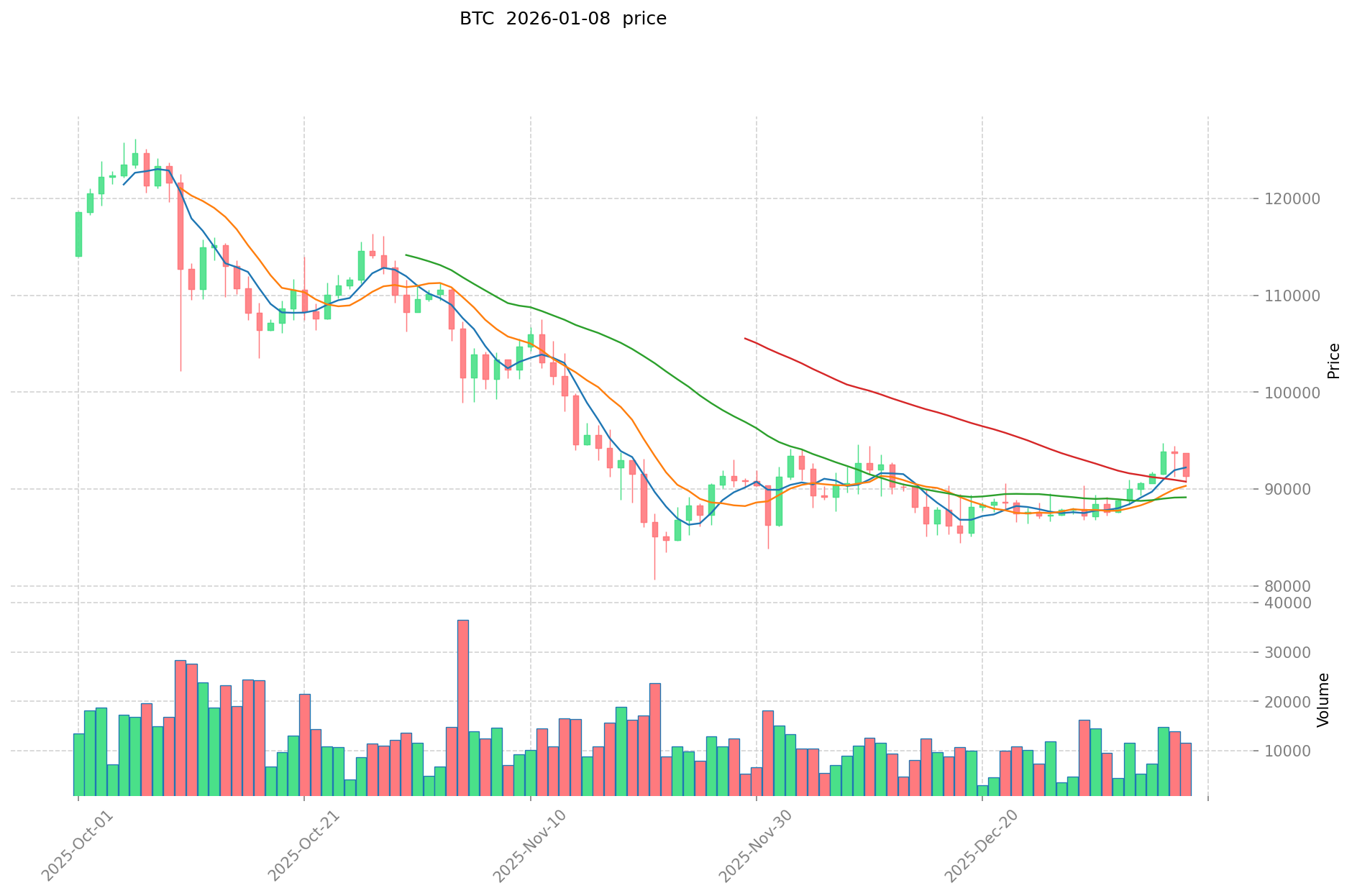
Huang’s remarks offer a fresh viewpoint in the ongoing debate over Bitcoin’s energy consumption. Rather than focusing on the negatives, he explained how Bitcoin can help address energy distribution challenges across different regions.
Bitcoin as an Energy Transfer Mechanism
Huang’s core argument centers on Bitcoin’s ability to convert surplus energy into a digital asset. Through mining, excess or unused energy becomes part of the Bitcoin network, enabling storage and transfer without relying on physical infrastructure like power lines or transmission systems.
This idea is especially relevant in regions abundant in renewable energy but lacking the demand or infrastructure to utilize it efficiently. For instance, solar farms in deserts or wind farms in remote coastal locations can leverage Bitcoin mining to monetize excess energy output that would otherwise go to waste.
Harnessing Renewable and Stranded Energy
One of Huang’s key points is Bitcoin’s role in capturing stranded energy and renewable resources. Stranded energy refers to power that’s generated but unused due to location, timing, or demand limitations. In traditional power systems, this energy is typically lost because it’s difficult to store or transmit.
With Bitcoin mining, operators can deploy mining facilities in areas with access to inexpensive or surplus energy. This creates a financial incentive to utilize solar, wind, and hydroelectric power. In this way, Bitcoin serves as a bridge between energy production and consumption, supporting a more sustainable energy ecosystem.
This perspective directly challenges common criticisms of Bitcoin mining’s environmental footprint. Instead of viewing it as purely wasteful, Huang illustrates how it can contribute to smarter renewable energy utilization.
The Connection to AI’s Energy Demands
Huang made these comments in the context of a broader discussion on the energy needs of artificial intelligence (AI) systems. Like Bitcoin mining, AI workloads—especially training large neural networks—require significant computing power and energy.
He also highlighted the need for advanced energy infrastructure, such as modular nuclear reactors, to support AI industry growth. By comparing Bitcoin and AI, Huang underscored a broader challenge: how to produce enough energy for the digital economy while ensuring sustainability.
Bitcoin mining and AI computing both represent the future of digital infrastructure. Addressing their energy requirements involves not only reducing consumption but also finding more intelligent ways to use and store energy.
Implications for the Cryptocurrency and Energy Sectors
As one of the most influential figures in technology, Jensen Huang’s statements significantly impact how the public perceives Bitcoin and cryptocurrencies. His endorsement of Bitcoin as an energy transfer tool could encourage more companies and institutions to reassess their stance on crypto mining.
For the energy sector, using Bitcoin mining to capture stranded energy could unlock new business models. Renewable energy producers gain additional revenue streams, while the Bitcoin network taps into more sustainable sources.
Overall, Huang’s viewpoint adds nuance to the relationship between cryptocurrency, technology, and sustainability. It demonstrates that digital assets like Bitcoin can help address global energy challenges, not just contribute to them.
FAQ
Why does Nvidia’s CEO believe Bitcoin is a tool for global energy transfer?
Nvidia’s CEO believes Bitcoin transforms surplus energy into digital value that can be transferred and delivered worldwide, enabling efficient global energy flows.
How does Bitcoin mining affect global energy consumption and the environment?
Bitcoin mining uses approximately 178 terawatt-hours of energy annually and releases millions of tons of CO2. While its environmental impact is significant, the industry is steadily adopting renewable energy, with over 50% now relying on sustainable sources.
How does Bitcoin support the development and adoption of renewable energy?
Bitcoin mining can harness renewable energy, lower carbon emissions, and generate revenue to fund renewable projects, accelerating the transition to sustainable energy.
What is Nvidia’s strategy for cryptocurrency and energy?
Nvidia delivers GPUs for high-intensity cryptocurrency mining while optimizing data center efficiency to cut energy costs. This approach establishes Nvidia as a leader in crypto infrastructure and global energy solutions.
What advantages does Bitcoin offer compared to traditional energy systems?
Bitcoin leverages renewable energy efficiently with advanced water-cooling technology, boosting the hash rate by 10% while reducing energy use and carbon emissions, making it a sustainable and cost-effective long-term global energy transfer solution.
* The information is not intended to be and does not constitute financial advice or any other recommendation of any sort offered or endorsed by Gate.