This article explores the Prince Andrew cryptocurrency scandal that emerged through royal meme culture, examining how the Duke of York facilitated access to Buckingham Palace for Pegasus Group Holdings executives connected to a failed £1.4 million Bitcoin mining venture. The analysis covers Sarah Ferguson's lucrative brand ambassador role earning over £200,000, the project's dramatic collapse after deploying only 615 of 16,000 promised solar generators, and the resulting $4.1 million arbitration award to defrauded investors. The incident highlights critical governance failures when royal status intersects with volatile crypto ventures, raising accountability questions about high-profile endorsements lacking liability protections. As Buckingham Palace moves to strip Prince Andrew of remaining titles, this scandal reflects broader tensions between traditional institutions and cryptocurrency industries, while demonstrating how royal misconduct becomes amplified through digital meme culture and public scrutiny.
Key Takeaways
In a controversial move that has reignited scrutiny of royal conduct, Prince Andrew arranged a private tour of Buckingham Palace for cryptocurrency businessmen connected to a failed £1.4 million deal involving his ex-wife, Sarah Ferguson. The Duchess of York earned over £200,000 from her role as a brand ambassador for Pegasus Group Holdings, an Arizona-based company that promised to revolutionize Bitcoin mining through solar-powered operations in the desert. However, the ambitious venture collapsed within a year of its launch, leaving numerous investors facing substantial financial losses. These revelations have emerged at a particularly sensitive time, as Buckingham Palace has recently initiated formal proceedings to strip Prince Andrew of his remaining royal titles and privileges, including his residence at Windsor. The incident raises fundamental questions about the appropriate boundaries between royal status and private commercial activities, especially when such ventures involve emerging and volatile sectors like cryptocurrency.
Prince Andrew Welcomed Crypto Executives Linked to £1.4M Deal at Palace Event
The controversial palace visit took place in June 2019, during a period when Queen Elizabeth II was in residence at Buckingham Palace, adding another layer of concern to the appropriateness of the arrangement. The businessmen at the center of the controversy, Jay Bloom and Michael Evers, served as co-founders of Pegasus Group Holdings and were granted extraordinary access to one of Britain's most iconic royal residences. They were chauffeured through the palace gates in the Duke of York's personal vehicle, a privilege typically reserved for official guests and dignitaries, before attending Andrew's Pitch@Palace business event later that same day. This business initiative, established by Prince Andrew, was designed to support entrepreneurs and startups, but its connection to the Pegasus deal has raised questions about potential conflicts of interest.
Sarah Ferguson, who maintained close ties with Prince Andrew despite their divorce, played a central role in the Pegasus venture as an official brand ambassador for the company. On the evening of the palace tour, she joined Bloom and Evers for an intimate dinner that included both Prince Andrew and their daughter, Princess Beatrice, further blurring the lines between royal family gatherings and business networking opportunities. The presence of Princess Beatrice at this dinner has also drawn criticism, as it suggests the involvement of multiple members of the royal family in what was essentially a private commercial relationship.
Pegasus Group Holdings presented itself as an innovative player in the cryptocurrency mining sector, claiming to be developing a large-scale Bitcoin mining operation powered entirely by solar energy in the Arizona desert. The company's pitch emphasized environmental sustainability and the potential for significant returns, attracting investors with promises of cutting-edge technology and renewable energy integration.
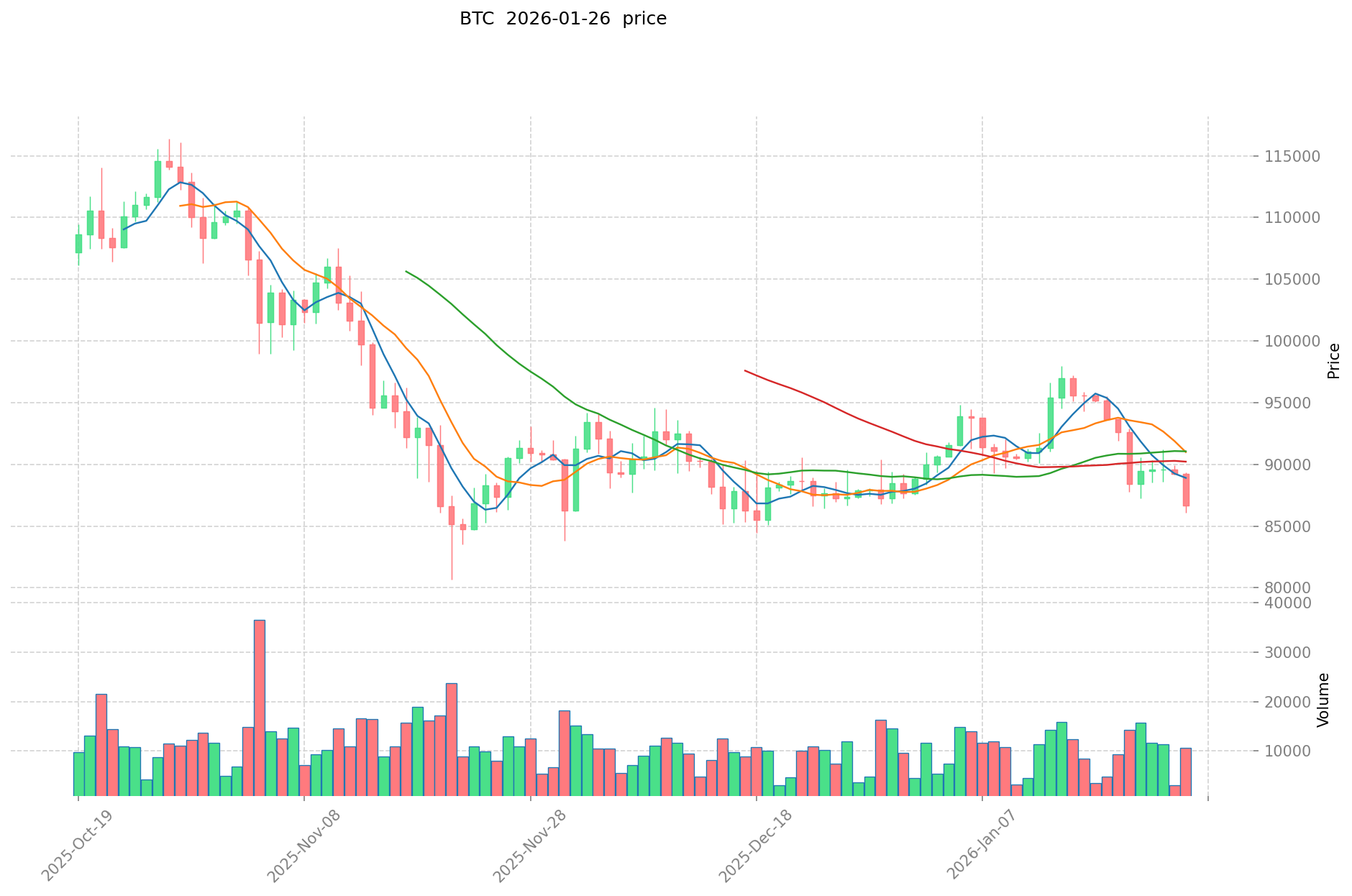 However, the reality fell dramatically short of these ambitious claims. Within just one year of operation, the entire project collapsed, leaving investors millions of pounds out of pocket and facing the harsh reality that their investments had largely evaporated.
Court filings that emerged during subsequent legal proceedings revealed the shocking extent of the project's failure. Of the 16,000 solar-powered generators that Pegasus had promised to deploy, only 615 were ever actually purchased and installed. This massive shortfall in infrastructure meant that the operation produced merely £25,000 worth of Bitcoin over its entire operational period, a figure that represented a tiny fraction of the returns that had been promised to investors. The discrepancy between the company's ambitious projections and its actual achievements became a central point in the legal battles that followed.
US investors, feeling deceived and financially damaged by the failed venture, took legal action against Pegasus Group Holdings. Their efforts culminated in a significant arbitration award of $4.1 million, granted after they successfully argued that the company had misused investor funds and failed to deliver on its core promises. The arbitration panel found evidence supporting claims that Pegasus had not properly allocated resources toward building the mining infrastructure it had promised. Jay Bloom, one of the co-founders, is currently appealing this ruling, maintaining that the company's difficulties stemmed from unforeseen technical and market challenges rather than mismanagement or misuse of funds.
Documents obtained through the BBC's investigation revealed the substantial financial arrangements between Sarah Ferguson and Pegasus Group Holdings. Ferguson received more than £200,000 in payments for her work as a brand ambassador, a role that primarily involved lending her royal-adjacent status and public profile to promote the company's image and attract investors. Her contract included provisions for an additional £1.2 million performance bonus and equity shares in the firm, demonstrating the potentially lucrative nature of the arrangement had the venture succeeded. The contract also stipulated that Ferguson would receive first-class travel accommodations, lodging at five-star hotels, and access to professional styling services for public appearances related to her ambassadorial duties.
Crucially, Ferguson's agreement with Pegasus included a clause stating that she bore no responsibility for verifying or endorsing the company's technical claims about its Bitcoin mining capabilities or the viability of its business model. This legal protection appears to have been designed to shield her from potential liability in the event that the company's promises proved unfounded, which ultimately occurred. However, critics argue that this arrangement allowed Ferguson to profit from her association with a venture while avoiding accountability for its failures, raising ethical questions about the responsibilities of high-profile brand ambassadors, particularly those with connections to the royal family.
These revelations have reignited longstanding concerns about the financial dealings of both Prince Andrew and Sarah Ferguson, and the problematic intersection of their royal status with private commercial ventures. The couple has faced repeated scrutiny over the years for various business relationships and financial arrangements that critics argue inappropriately leverage their royal connections for personal gain. The Pegasus case represents perhaps the most striking example of this pattern, involving as it does the use of Buckingham Palace itself as a venue for cultivating business relationships tied to a venture that would ultimately fail and harm investors.
The timing of these revelations has proven particularly damaging for Prince Andrew, as Buckingham Palace recently confirmed that formal steps are underway to strip him of his remaining titles and his residence at Windsor. This action comes amid ongoing scrutiny of his past associations, most notably his relationship with convicted sex offender Jeffrey Epstein, which has severely damaged his reputation and led to his withdrawal from public royal duties. The Pegasus cryptocurrency scandal adds another dimension to the concerns about Andrew's judgment and his use of royal privileges for purposes that many view as inappropriate.
Jay Bloom, the Pegasus co-founder, has addressed some aspects of the palace visit in public statements, specifically denying that he or his business partner met with the late Queen Elizabeth II during their time at Buckingham Palace. However, he acknowledged expressing gratitude to both Prince Andrew and Sarah Ferguson for arranging the exclusive tour of the historic residence. This admission confirms that the palace visit was indeed orchestrated by the royal couple as part of their relationship with the Pegasus executives, lending further credence to concerns about the inappropriate mixing of royal access and private business interests. The incident continues to fuel debate about the need for clearer guidelines and stricter enforcement of rules governing the commercial activities of royal family members and their use of royal properties and privileges.
FAQ
What does the £1.4M transaction between Prince Andrew and cryptocurrency businessmen at Buckingham Palace involve?
The transaction involved Prince Andrew and Chinese businessman Yang Tengbo in a £1.4M deal raising concerns about potential political influence and interference in British politics. Details of the specific cryptocurrency involvement remain limited and under investigation.
Do UK royal family members' involvement in cryptocurrency business activities comply with regulations? What controversies exist?
Royal participation in crypto activities raises compliance concerns under UK financial sanctions laws. Crypto firms have underreported violations since 2022. Such involvement requires strict adherence to applicable regulations and potential scrutiny from authorities.
What impact did this transaction have on Prince Andrew's reputation and the royal family's image?
This transaction significantly damaged Prince Andrew's reputation and cast a negative shadow on the royal family's image. Public trust in royal financial dealings was challenged, raising concerns about institutional accountability and governance standards within the monarchy.
Buckingham Palace hosts cryptocurrency events to demonstrate support for emerging technologies and foster innovation. These activities attract global talent and promote technological exchange and development.
What attitude does this event reflect from traditional power institutions toward the cryptocurrency industry?
This event demonstrates growing openness from traditional power institutions toward crypto. High-level engagement signals mainstream acceptance and recognition of crypto's economic significance in institutional circles.
* The information is not intended to be and does not constitute financial advice or any other recommendation of any sort offered or endorsed by Gate.