# Article Overview
This comprehensive analysis compares SAKE and XRP tokens across price performance, tokenomics, institutional adoption, and technical ecosystems to guide investment decisions. The article addresses critical questions for cryptocurrency investors: which token offers better returns, risk-adjusted growth potential, and suitability for different portfolio strategies. Designed for both beginner and experienced investors, it provides real-time market data, 2026-2031 price forecasts, and actionable allocation strategies. The content examines SAKE's high-growth DeFi potential against XRP's institutional-grade cross-border payment capabilities, while assessing regulatory risks, market liquidity, and macroeconomic factors. Complete with risk management frameworks and comparative tokenomics analysis accessible via Gate, this guide enables informed cryptocurrency investment positioning in the current market cycle.
Introduction: SAKE vs XRP Investment Comparison
In the cryptocurrency market, comparisons between SAKE and XRP are a persistent topic for investors. The two assets not only exhibit significant differences in market capitalization ranking, use cases, and price performance, but also represent distinct positioning within the crypto asset landscape.
SAKE (SakeToken): Launched in 2020, SAKE has gained market recognition as a decentralized exchange token with improved AMM mechanisms. SakeSwap functions as a fork of Uniswap and Sushiswap, offering governance rights and protocol fee-sharing to token holders while maintaining deflationary characteristics.
XRP (Ripple): Since its introduction in 2013, XRP has established itself as a native digital asset purpose-built for payments. The XRP Ledger operates as an open-source public decentralized blockchain, delivering fast transaction settlement (~3 seconds), low costs ($0.0002 per transaction), high scalability (1,500+ tps), and carbon-neutral operations. XRP ranks 4th by market capitalization, making it one of the highest-traded and most valuable cryptocurrencies globally.
This article will conduct a comprehensive analysis of SAKE versus XRP across historical price trends, supply mechanisms, market adoption, and technical ecosystems, addressing the key question investors are asking:
"Which is the better investment opportunity currently?"
I. Historical Price Comparison and Current Market Status
SakeToken (SAKE) and XRP Price Trends
- 2020: SAKE reached its all-time high of $3.18 on September 13, 2020, reflecting early market enthusiasm for the SakeSwap protocol.
- 2014: XRP reached its all-time low of $0.00268621 on May 22, 2014, during the early stages of the XRP Ledger development.
- 2025: XRP achieved its all-time high of $3.65 on July 18, 2025, driven by improved regulatory sentiment and increased institutional interest.
- 2025: SAKE reached its recent low of $0.00025005 on September 25, 2025, reflecting broader market challenges for decentralized finance tokens.
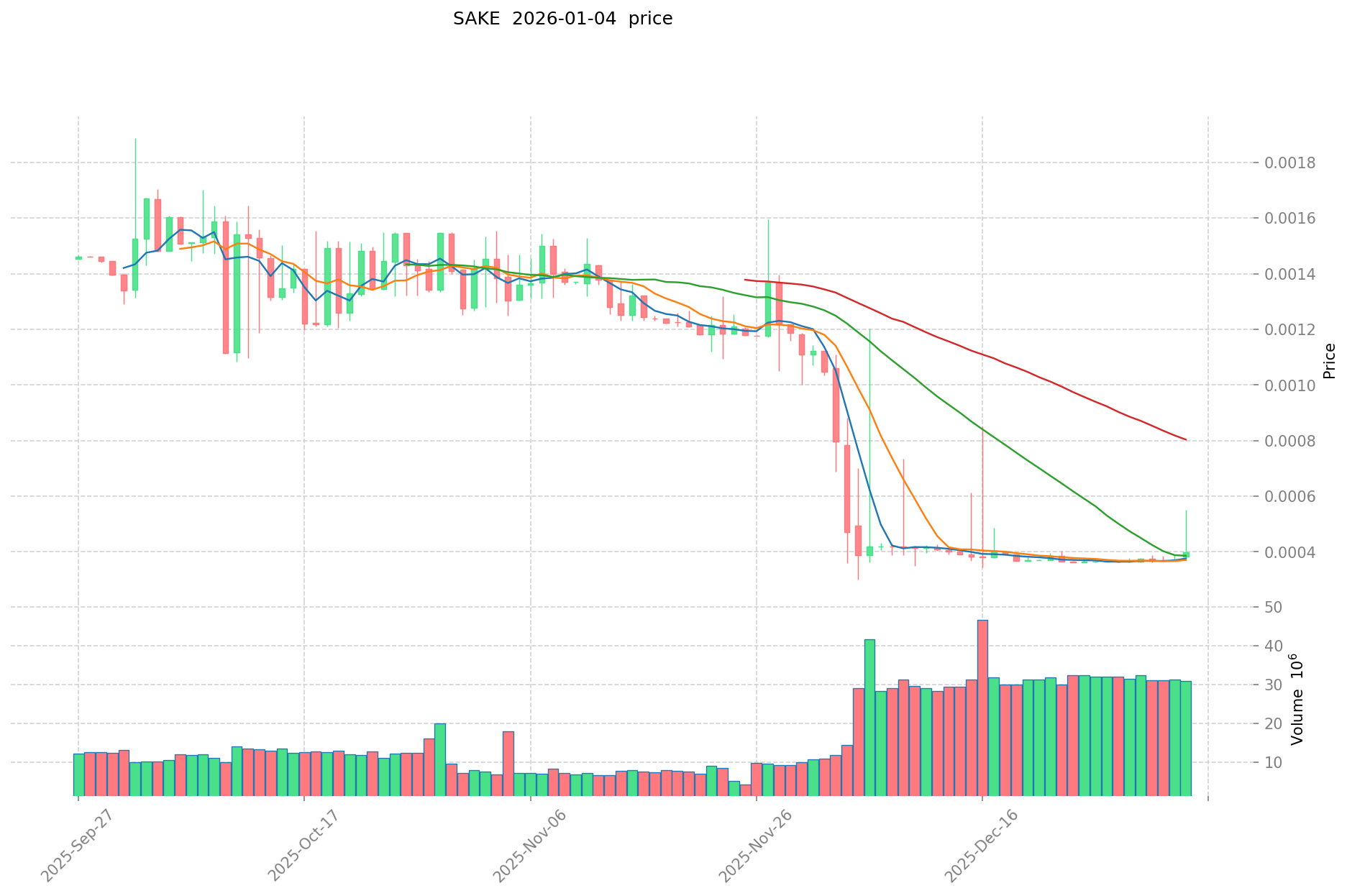
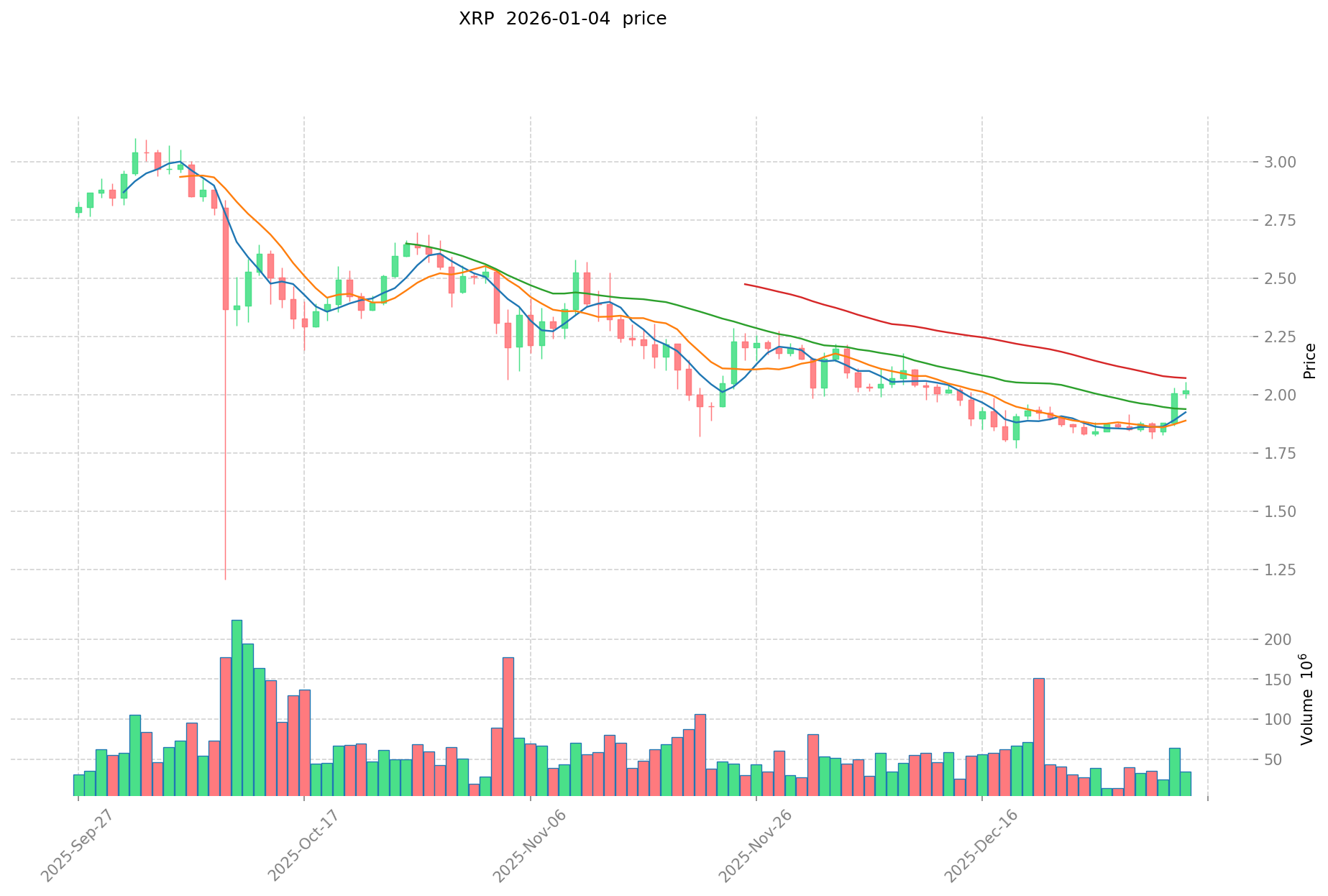
- Comparative Analysis: In the current market cycle, SAKE has declined from its historical peak of $3.18 to $0.0003993, representing a 87.4% loss, while XRP recovered to $2.073 after earlier declines, demonstrating significantly greater price resilience and market adoption.
Current Market Status (2026-01-04)
- SAKE current price: $0.0003993.
- XRP current price: $2.073.
- 24-hour trading volume: SAKE $12,423.05 vs. XRP $71,668,472.29.
- Market Sentiment Index (Fear & Greed Index): 29 (Fear).
View real-time prices:
二、影响 SAKE vs XRP 投资价值的核心因素
供应机制对比(Tokenomics)
Based on the reference materials provided, specific tokenomics details for SAKE are not comprehensively documented. However, the materials indicate that SAKE's investment value is influenced by supply mechanisms.
-
XRP:Features a fixed total supply of 100 billion tokens, with gradual release mechanisms controlled by Ripple. The supply management affects market liquidity and price dynamics through controlled distribution to financial institutions and market participants.
-
📌 Historical Pattern:Supply mechanisms directly impact price cycles. XRP's controlled supply model supports liquidity objectives for financial institutions, while token release schedules can create periodic price pressure or support depending on market conditions.
机构采用与市场应用
机构持仓
XRP demonstrates institutional interest from major financial institutions. Banks exhibit preference for higher XRP prices, as they value the increased liquidity representation. Financial institutions maintain minimal market exposure (approximately four seconds) when utilizing XRP for transactions, facilitating rapid settlement.
企业采用
XRP operates through RippleNet, a decentralized network designed specifically for real-time transactions. Its primary application focuses on cross-border payments, offering fast transaction processing (completing within seconds) and low transaction costs compared to traditional methods like SWIFT. This specialization in cross-border remittance markets provides XRP with distinct advantages over alternative cryptocurrencies targeting retail users.
国家政策
As of February 2025, XRP faces ongoing legal proceedings with the U.S. Securities and Exchange Commission (SEC). Potential settlement negotiations may provide necessary regulatory clarity for future market development. The resolution of these legal disputes significantly influences investor confidence and market positioning.
技术发展与生态建设
XRP 技术进展
Ripple continues advancing cross-border payment technology capabilities. Partnerships with central banks and regulatory bodies could substantially enhance XRP's growth potential. The technology infrastructure focuses on enabling instant settlement and efficient currency conversion.
生态对比
XRP distinguishes itself from other cryptocurrencies by design specificity for financial institutions and cross-border transactions. Unlike Bitcoin (primarily value storage) and Ethereum (smart contract platform), XRP emphasizes simplified currency transfer mechanisms. While XRP's market presence is constrained by regulatory uncertainty compared to mature cryptocurrencies like Bitcoin and Ethereum, its specialized use case in payment processing positions it competitively within the remittance market.
宏观经济与市场周期
通胀环境下的表现
XRP's utility as a cross-border payment medium suggests resilience in inflationary environments, as increased transaction volumes may correlate with currency movement and hedging activities.
宏观货币政策
Interest rate changes and U.S. dollar index movements influence cryptocurrency markets broadly. XRP's volatility exposure mirrors general cryptocurrency market sensitivity to macroeconomic policy shifts, including Federal Reserve monetary decisions.
地缘政治因素
Cross-border payment demand potential increases with international trade activity and geopolitical trade dynamics. Potential growth in remittance markets and international financial settlement needs supports XRP's value proposition, particularly if Ripple establishes new partnerships with central banks or regulatory bodies in response to geopolitical shifts.
III. 2026-2031 Price Forecast: SAKE vs XRP
Short-term Forecast (2026)
- SAKE: Conservative $0.000211629-$0.0003993 | Optimistic $0.000503118
- XRP: Conservative $1.18161-$2.073 | Optimistic $2.88147
Mid-term Forecast (2027-2029)
- SAKE is expected to enter an accumulation phase with growing adoption, projected price range $0.000360967-$0.000870837
- XRP is expected to enter a recovery and consolidation phase, projected price range $1.28816-$3.25865
- Key drivers: institutional capital inflows, ETF approvals, ecosystem development
Long-term Forecast (2030-2031)
- SAKE: Base case $0.000453978-$0.000911677 | Optimistic $0.001285464
- XRP: Base case $1.72588-$3.79694 | Optimistic $4.45591
View detailed price predictions for SAKE and XRP
SAKE:
| 年份 |
预测最高价 |
预测平均价格 |
预测最低价 |
涨跌幅 |
| 2026 |
0.000503118 |
0.0003993 |
0.000211629 |
0 |
| 2027 |
0.00059559588 |
0.000451209 |
0.0003609672 |
13 |
| 2028 |
0.0007118273184 |
0.00052340244 |
0.0004553601228 |
31 |
| 2029 |
0.000870836979672 |
0.0006176148792 |
0.000568205688864 |
54 |
| 2030 |
0.001079127597682 |
0.000744225929436 |
0.000453977816955 |
86 |
| 2031 |
0.001285464236618 |
0.000911676763559 |
0.000510538987593 |
128 |
XRP:
| 年份 |
预测最高价 |
预测平均价格 |
预测最低价 |
涨跌幅 |
| 2026 |
2.88147 |
2.073 |
1.18161 |
0 |
| 2027 |
2.7249585 |
2.477235 |
1.2881622 |
19 |
| 2028 |
3.43344771 |
2.60109675 |
1.97683353 |
25 |
| 2029 |
3.2586540084 |
3.01727223 |
1.6896724488 |
45 |
| 2030 |
4.455907629264 |
3.1379631192 |
1.72587971556 |
51 |
| 2031 |
4.02475149668592 |
3.796935374232 |
3.15145636061256 |
83 |
四、投资策略对比:SAKE vs XRP
长期 vs 短期投资策略
- SAKE:适合关注去中心化交易生态潜力、寻求高增长机会的投资者。短期面临市场困境,长期取决于SakeSwap生态复兴和AMM机制优化;预测2031年涨幅可达128%,但需承受高波动性
- XRP:适合寻求支付场景应用、关注机构采用和跨境转账价值的投资者。短期受益于监管预期改善,长期依靠RippleNet扩展和央行合作;预测2031年涨幅83%,风险相对可控
风险管理与资产配置
- 保守型投资者:SAKE 10% vs XRP 90%(XRP作为稳定配置基础,SAKE作为高风险敞口试验)
- 激进型投资者:SAKE 40% vs XRP 60%(通过XRP主仓位获取相对稳定收益,SAKE仓位捕获生态复苏机会)
- 对冲工具:配置稳定币(USDT/USDC)20%-30%应对市场波动;考虑期权策略对冲XRP监管风险;跨币种组合中加入Bitcoin/Ethereum以实现资产多元化
五、潜在风险对比
市场风险
- SAKE:流动性极度枯竭(24小时交易量仅$12,423.05),价格易遭受大额交易冲击;生态参与度低,社区热度不足;从历史高点$3.18跌幅87.4%,恢复难度大
- XRP:市场周期波动较大,历史最高价$3.65与当前$2.073存在差异;宏观经济政策变化(美联储利率调整、美元指数波动)直接影响价格;市场情绪指数处于恐慌状态(Fear & Greed Index为29)
技术风险
- SAKE:作为Uniswap/Sushiswap的分叉项目,缺乏核心创新能力;AMM机制在高滑点环境下效率下降;智能合约安全审计信息不足,潜在技术漏洞风险
- XRP:XRP Ledger虽实现秒级结算,但节点分布集中度问题未完全解决;跨链互操作性受限于生态合作伙伴数量;技术迭代速度相对缓慢
监管风险
- SAKE:去中心化交易所属性可能面临各国不同的监管态度;代币治理权属性在某些司法管辖区可能被认定为证券
- XRP:美国SEC诉讼案件持续存在监管不确定性,虽然预期2025年进展,但最终解决时间不确定;不同国家对XRP支付属性的认定差异大,影响全球推广;Ripple与央行合作可能触发某些国家的政策限制
六、结论:Which Is the Better Buy?
📌 投资价值总结:
- SAKE优势:长期增长潜力高(预测2031年涨幅128%vs XRP的83%);生态复苏若启动,低价布局收益空间大;适合风险承受度高的投资者进行长期底部积累
- XRP优势:机构认可度高,交易流动性强(24小时成交量$71.67M);支付应用场景清晰,跨境转账需求稳定;价格相对稳定(从$1.18161-$2.88147预测范围相对收敛),适合风险管理;监管预期改善支撑短期上行
✅ 投资建议:
- 新手投资者:建议以XRP为主要配置(80%+),原因在于流动性充足、市场认知度高、风险相对可控;配置SAKE(10-20%)作为学习高风险资产波动的试验仓位
- 有经验投资者:可根据风险偏好采用动态配置策略;在市场恐慌期(Fear & Greed Index < 30时)逐步增加SAKE低价布局比例;利用XRP短期反弹机会进行获利回吐,资金转向SAKE积累
- 机构投资者:优先布局XRP并与RippleNet生态对接,规避SAKE流动性风险;关注XRP监管进展作为头寸调整触发点;可通过衍生品工具对冲监管不确定性
⚠️ 风险提示:加密货币市场波动性极高。SAKE当前处于极度低迷状态,复苏不确定性大;XRP面临美国监管风险,预测结果基于历史模式推导,不保证准确性。本文不构成投资建议,投资者需根据自身财务状况和风险承受能力独立判断。
FAQ
SAKE和XRP分别是什么?各自的主要用途是什么?
SAKE是日本清酒相关代币,XRP是Ripple区块链的原生数字货币。SAKE主要用于日本文化生态,XRP则专注于高效跨境支付和资金转移。
SAKE和XRP在技术架构上有什么区别?
SAKE是稳定币,锚定美元维持价值稳定;XRP是数字支付资产,专注跨境清算。XRP交易速度快(每秒1500笔)、手续费低,但价格波动大;SAKE价格波动控制在±1%以内,用途不同。
SAKE和XRP的流动性和交易额对比如何?
XRP的流动性和交易额远超SAKE,作为顶级加密货币,XRP在市场中具有更高的交易频率和市场深度。SAKE流动性相对较小,但在特定场景中仍有应用价值。两者满足不同投资者需求。
SAKE和XRP的应用生态分别有哪些?
SAKE主要应用于DeFi协议和智能合约生态,XRP专注于跨境支付和金融机构结算。SAKE支持代币交换和流动性挖矿,XRP则与全球银行和支付网络深度合作,两者生态差异明显。
投资SAKE和XRP各自面临什么风险?
SAKE面临监管不确定性和流动性风险。XRP面临价格波动压力、大户抛售风险,以及监管政策变化影响。两者均需关注市场情绪变化。
SAKE和XRP在价格波动性和市场表现上有什么差异?
XRP受法律诉讼和监管动向影响较大,波动性较高。SAKE作为较新的项目,市场流动性相对较小,波动性表现各异。XRP具有更成熟的市场基础和机构认可度,而SAKE的上升潜力相对更大。
* The information is not intended to be and does not constitute financial advice or any other recommendation of any sort offered or endorsed by Gate.