This comprehensive guide explores how beginners can start Bitcoin mining in 2024 without significant investments. Bitcoin mining secures the blockchain by validating transactions and creating new coins, though completely free mining remains impractical. The guide covers three essential pillars: mining hardware options including ASIC miners and GPU rigs, popular mining software like CGMiner and EasyMiner, and innovative approaches such as cloud mining through platforms like Gate. While traditional home mining requires substantial electricity costs and specialized equipment, cloud mining platforms offer accessible entry points with minimal upfront investment. The article examines profitability calculations, regional electricity advantages, and the economics of different mining methods. Readers learn that successful mining combines strategic hardware selection, proper software configuration, and realistic profit expectations, making it achievable for determined beginners willing to start small and scale graduall
What Is Bitcoin Mining?
Bitcoin mining forms the backbone of the Bitcoin blockchain, serving as the critical process that maintains the network's security and integrity. It involves a specialized group of computers, known as miners, that validate transactions and secure the decentralized network.
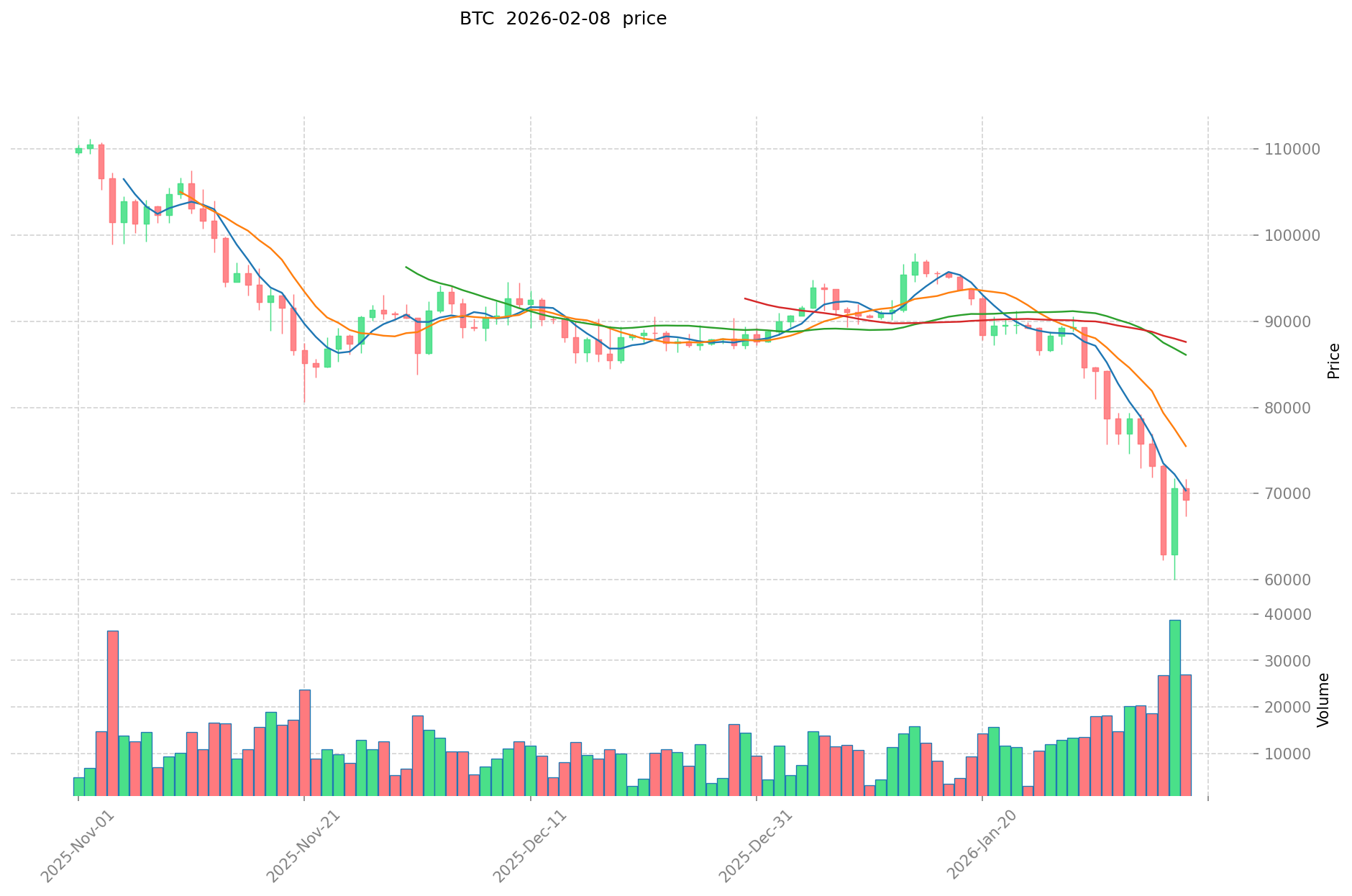 Countries such as Iceland, the United States, Iran, and Kenya have emerged as some of the best locations for cryptocurrency mining operations, revolutionizing our perspective on cryptocurrencies, particularly through the use of renewable energy sources in the mining process.
Bitcoin miners solve complex mathematical puzzles that enable them to confirm transactions and create new coins. The first miner to solve the puzzle updates the blockchain with a block of transactions, which is then broadcast to the network for other miners to validate. In return for their computational work, the system generates newly minted BTC as a reward. Beyond the issuance of new BTC, miners also receive transaction fees based on the number of transactions included in each block. This dual reward system incentivizes miners to continue securing the network while processing transactions efficiently.
The mining process is essential for maintaining the decentralized nature of Bitcoin. Without miners, there would be no way to verify transactions or prevent double-spending attacks. As the Bitcoin network has grown, mining has become increasingly competitive, requiring more sophisticated hardware and greater energy resources.
Can You Mine Bitcoin for Free?
Many people are curious about mining Bitcoin for free, a concept that typically implies earning Bitcoin through mining activities without significant upfront investments. However, mining an entire Bitcoin for free is not feasible in practical terms. It is possible to mine small fractions of BTC without purchasing expensive hardware, but completely free mining remains largely unrealistic.
Certain mainstream platforms offer cloud mining solutions that lower the barrier to entry. Using such platforms, users can mine Bitcoin daily without needing special hardware or draining their CPU or battery resources. This occurs through mobile applications provided by these platforms. After registration and setting up the mining function, the platform manages the mining process on behalf of the user. However, the mining speed, which directly affects rewards, is often determined by the user's monthly trading volume on the platform.
In contrast, to determine whether traditional Bitcoin mining from home is profitable, one must consider the investment in hardware and associated costs. A mining calculator is essential for evaluating the profitability of cryptocurrency mining, as it estimates earnings based on electricity costs, the miner's hash rate, and the current Bitcoin price. These calculators help potential miners understand whether their investment will generate positive returns or result in losses due to high operational expenses.
The reality is that while small-scale free mining options exist, they typically generate minimal returns. Serious mining operations require substantial capital investment, ongoing electricity costs, and regular hardware maintenance to remain competitive in the current mining landscape.
Bitcoin Mining Hardware for Home Use
For those new to Bitcoin mining, selecting the right hardware is crucial for balancing initial investment with potential returns. The Antminer T9+ represents a compact and cost-effective option from Bitmain that is well-suited for beginners. This mining rig offers a hash rate of 10.5 TH/s while consuming 1332W of power. Although it features an easy-to-use web interface that simplifies operation, potential buyers should note that the power supply unit is sold separately, adding to the total cost.
For beginners seeking another reliable option, Bitmain's Antminer R4 presents an excellent choice for home mining operations. This device operates with Bitmain's BM1387 chip and produces 8.7 TH/s with a power consumption of 845W, making it ideal for residential mining setups. The lower power consumption compared to larger industrial miners makes it more suitable for home environments where electricity costs and heat generation are important considerations.
When selecting mining hardware for home use, several factors beyond hash rate and power consumption should be considered. Noise levels can be significant, as mining equipment often generates considerable sound that may disturb household members. Heat dissipation is another critical factor, as mining rigs produce substantial heat that requires adequate ventilation. Additionally, the initial cost, expected lifespan, and potential resale value of the equipment should factor into the purchasing decision.
Home miners should also consider the scalability of their operations. Starting with a single unit allows newcomers to learn the mining process without excessive risk, while maintaining the option to expand their operation if initial results prove profitable.
What Are the Most Popular Bitcoin Mining Software Options?
Here we explore various Bitcoin mining software options that you can use conveniently from your home, each offering different features and suited to different experience levels.
CGMiner
This software represents one of the most popular and respected mining software variants available in the cryptocurrency mining community. It utilizes a command-line interface, which allows operators to control various aspects of their operations through simple keyboard commands. Versions are available for macOS, Windows, and Linux operating systems, making it accessible across different platforms.
CGMiner is a multithreaded miner that supports both graphics processing units (GPUs) and application-specific integrated circuits (ASICs). It is simple, lightweight, and capable of delivering consistent performance over extended periods. The software includes features such as fan speed control, remote interface capabilities, and self-detection of new blocks with a mini database.
However, CGMiner has its disadvantages. The command-line interface, while powerful, is not suitable for beginners who are more comfortable with graphical user interfaces. The learning curve can be steep for those unfamiliar with command-line operations.
Pros:
- Open-source software with active community support
- Simple and efficient interface for experienced users
- Optimizes hash power scalability across multiple devices
- Supports multiple mining algorithms
- Low resource consumption
Cons:
- Not suitable for beginners due to command-line interface
- Command-line format can be difficult to read and interpret
- Limited documentation for new users
- Requires technical knowledge to configure properly
EasyMiner
EasyMiner is user-friendly mining software that enables beginners to enter the mining industry with minimal technical barriers. As open-source mining software based on a graphical user interface, it supports both solo mining and pool mining operations. This flexibility allows users to choose their preferred mining approach based on their goals and resources.
The software features a MoneyMaker function designed to create Litecoin paper wallets and connect to private mining pools. This feature simplifies the process of securing mined coins and participating in collaborative mining efforts. The graphical interface displays real-time statistics, including hash rates, shares submitted, and estimated earnings, making it easy for users to monitor their mining performance.
EasyMiner also includes automatic configuration features that detect available hardware and suggest optimal settings, further reducing the technical knowledge required to begin mining. The software can switch between different cryptocurrencies based on profitability, maximizing potential returns for users.
Advantages:
- Open-source software with transparent code
- Flexibility of use with both solo and pool mining
- MoneyMaker mode for simplified wallet creation
- Intuitive graphical interface suitable for beginners
- Automatic hardware detection and configuration
Cons:
- Functions only on Windows operating systems
- May trigger Windows antivirus software warnings
- Limited cryptocurrency support compared to other options
- Requires specific hardware configurations for optimal performance
Awesome Miner
Awesome Miner simplifies the expansion of mining operations by allowing users to manage a diverse mix of hardware from a single centralized location. The software also enables remote monitoring of mining performance, making it ideal for users managing multiple mining rigs across different locations.
The software consolidates mining activities by controlling multiple mining engines and hardware rigs while managing pool mining operations. Its comprehensive dashboard displays critical metrics including hash rate, fan speed, device temperature, and earnings, providing users with complete visibility into their mining operations. Advanced features include profit switching, which automatically directs mining power to the most profitable cryptocurrency at any given time.
Awesome Miner can be executed on both Windows and Linux operating systems, offering flexibility for different user preferences. Additionally, its web-based cloud version is accessible from any internet-connected device, offering management flexibility from any location. This cloud accessibility is particularly valuable for miners who need to monitor or adjust their operations while away from their primary workstation.
The software supports over 50 mining engines and can manage more than 200,000 miners simultaneously, making it suitable for operations of any scale, from small home setups to large commercial mining farms.
Advantages:
- Can mine multiple cryptocurrencies simultaneously
- Compatible with Windows, Linux, and web-based access
- Suitable for both ASIC and FPGA hardware
- Comprehensive monitoring and management features
- Profit-switching capabilities
- Supports large-scale operations
Cons:
- Not suitable for complete beginners due to complexity
- Advanced features require technical understanding
- Free version has limitations on number of miners
- Premium versions require subscription fees
Innovative Approaches to Bitcoin Mining: Exploring Hardware Solutions
Now that we understand some of the best mining software options, it is worth examining the different mining variants and hardware solutions available to modern miners.
Cloud Mining
Cloud mining has rapidly become one of the most popular mining methods, particularly for individuals who want to participate in cryptocurrency mining without managing physical hardware. With this technique, it is possible to mine cryptocurrencies without the need for hands-on hardware management or technical expertise.
Essentially, this technique involves renting computing power from a third-party provider's cloud infrastructure to mine Bitcoin. Cloud mining companies offer selected packages that allow others to participate in the mining process at an accessible price point. Issues related to purchasing equipment, electricity bills, or maintenance are minimized or eliminated entirely, as the cloud mining provider handles these operational aspects.
Cloud mining has gained popularity because it allows people to mine by leveraging the capacity of others. Users do not need to pay for equipment or electricity costs directly and receive their share of profits when Bitcoin is mined. Several cloud mining models are currently used in the industry, each with different risk and reward profiles.
One such model is hosted mining. With hosted mining, the customer rents miners in a third-party facility while maintaining control over their operations. This model offers a middle ground between fully managed cloud mining and independent hardware ownership. Customers can select specific hardware, adjust mining settings, and switch between different cryptocurrencies, while the hosting facility provides power, cooling, and physical security.
Another model is hash power leasing, where users purchase a specific amount of hash rate for a defined period. This approach provides predictable costs and eliminates concerns about hardware obsolescence, though it also limits potential upside if Bitcoin prices surge unexpectedly.
CPU Mining
The CPU mining method utilizes computer processors to mine Bitcoin. With this method, only a personal computer and some mining programs are required, making it the most accessible entry point for newcomers. However, while this was a viable option in the early days of Bitcoin, it is no longer practical for Bitcoin mining in the current landscape.
CPU mining is also relatively unprofitable for Bitcoin specifically. Miners spend considerable amounts on computer cooling and electricity, only to earn minimal returns over extended periods. Although it is possible to mitigate this issue by relocating to regions where low-cost electricity and abundant cooling are available, the fact that CPU mining is extremely slow means that miners must still contend with negligible profits.
The primary reason CPU mining has become obsolete for Bitcoin is the exponential increase in network difficulty. As more miners joined the network with increasingly powerful hardware, the computational requirements grew beyond what standard CPUs could efficiently handle. Today, CPU mining for Bitcoin would consume more in electricity costs than it would generate in rewards.
However, CPU mining remains viable for certain alternative cryptocurrencies specifically designed to be CPU-friendly. These cryptocurrencies use algorithms that resist optimization by specialized hardware, allowing CPU miners to remain competitive.
GPU Mining
GPU mining is probably the most popular method of Bitcoin mining among individual miners and small operations. It involves specially designed rigs that facilitate the mining process using graphics processing units. This approach utilizes a computer's graphics processing unit to solve the mathematical puzzles required for Bitcoin mining.
The popularity of GPU mining stems from its efficiency and relative affordability compared to specialized ASIC miners. Although building a mining rig can be expensive initially, a GPU remains a good investment when considering its processing power and speed. GPU mining rigs can also be repurposed for other cryptocurrencies or even sold for gaming purposes, providing flexibility that ASIC miners lack.
One of the most popular GPU miners is the NVIDIA GeForce GTX 1070, though newer models like the RTX 3080 and RTX 3090 offer even better performance for mining operations. AMD graphics cards, such as the Radeon RX 5700 XT, also provide competitive mining performance and are often preferred for certain algorithms.
GPU mining rigs typically consist of multiple graphics cards mounted on a specialized frame with adequate cooling and power supply. A typical setup might include 6-12 GPUs, a motherboard with sufficient PCIe slots, adequate RAM, a modest CPU, and a powerful power supply unit. The total cost for such a setup can range from several thousand to tens of thousands of dollars, depending on the number and quality of GPUs used.
The versatility of GPU mining is a significant advantage. If Bitcoin mining becomes unprofitable, miners can switch to mining other cryptocurrencies like Ethereum (though Ethereum has transitioned to proof-of-stake), Ravencoin, or Ergo, which may offer better returns.
An ASIC (Application-Specific Integrated Circuit) is a specialized device designed explicitly for performing a single task with maximum efficiency. In this case, these machines are built exclusively for cryptocurrency mining. Compared to CPUs and GPUs, ASICs have a significant advantage in terms of processing power and operational efficiency for their intended purpose.
ASIC miners are purpose-built to mine specific cryptocurrencies using particular algorithms. For Bitcoin, which uses the SHA-256 algorithm, ASIC miners can achieve hash rates thousands of times higher than GPU rigs while consuming less power per unit of hash rate. This efficiency makes ASIC mining the dominant approach for Bitcoin mining in the current landscape.
Popular ASIC miners for Bitcoin include the Antminer S19 Pro, which delivers approximately 110 TH/s, and the WhatsMiner M30S++, offering similar performance levels. These devices represent the cutting edge of mining technology and are essential for remaining competitive in large-scale mining operations.
Naturally, the downside is that ASIC miners are the most expensive mining machines available, with top-tier models costing several thousand dollars each. Additionally, ASICs have no alternative use—if they become unprofitable for mining or if the cryptocurrency they mine changes its algorithm, the hardware becomes essentially worthless. This lack of versatility represents a significant risk for ASIC miners.
Another consideration is the rapid pace of technological advancement in ASIC mining. New models with improved efficiency are released regularly, causing older models to become less competitive and potentially unprofitable as network difficulty increases. This creates a constant pressure to upgrade equipment, adding to the long-term costs of ASIC mining operations.
Decoding Bitcoin Mining Techniques
Bitcoin mining represents a promising and potentially profitable activity in the current market landscape. With Bitcoin's price appreciation over the years, demand for mining equipment has grown substantially. This opportunity in recent years represents a significant chance for those aiming to bridge the supply gap or who wish to earn Bitcoin without trading or purchasing it directly through exchanges.
Although completely free Bitcoin mining is not realistic, there are simpler and more accessible ways to engage in mining activities. Cloud mining platforms, for instance, provide entry points for individuals who cannot afford or do not want to manage physical mining hardware. Similarly, joining mining pools allows small-scale miners to combine their resources and share rewards proportionally, making mining more accessible to those with limited capital.
The key to successful Bitcoin mining lies in understanding the economics involved. Miners must carefully calculate their expected returns based on current Bitcoin prices, network difficulty, hash rate, and electricity costs. Using mining profitability calculators can help determine whether a mining operation will be profitable before making significant investments.
For those considering entering Bitcoin mining, starting small and scaling gradually is often the wisest approach. This allows newcomers to learn the technical aspects, understand the market dynamics, and assess profitability before committing substantial resources. While returns might be lower compared to substantial investments, mining still offers a valid income source for those who approach it strategically and maintain realistic expectations about potential earnings.
The future of Bitcoin mining will likely continue to evolve with technological advancements, regulatory changes, and shifts in energy costs. Staying informed about these developments and adapting mining strategies accordingly will be essential for long-term success in this competitive field.
FAQ
What is the most profitable method for Bitcoin mining in 2024?
The most profitable Bitcoin mining method in 2024 involves using high-efficiency ASIC miners with low electricity costs, joining mining pools to increase reward consistency, and optimizing hardware in regions with cheaper renewable energy sources.
Can individuals engage in Bitcoin mining? What equipment and costs are required?
Individual Bitcoin mining is now impractical. You need specialized ASIC hardware costing thousands of dollars and face massive daily electricity expenses. With current difficulty levels, a personal computer would take centuries to mine one Bitcoin, making it economically unfeasible.
How has Bitcoin mining difficulty and profitability changed in recent years?
Bitcoin mining difficulty has reached historic highs, exceeding 1.05 ZH/s with seven consecutive difficulty increases. However, hashprice remains below $50 per PetaHash despite price recoveries, reflecting the impact of rising difficulty and lower transaction fees on mining profitability.
What are the advantages and disadvantages of ASIC miners, GPU mining, and cloud mining?
ASIC miners offer high efficiency but limited adaptability; GPU mining provides flexibility but consumes more power; cloud mining has low entry barriers but depends on service providers.
What is the impact of Bitcoin mining on electricity costs and the environment?
Bitcoin mining consumes substantial electricity, primarily from non-renewable sources, causing significant environmental damage and carbon emissions. However, many mining operations are transitioning to renewable energy sources like solar and wind power to mitigate these negative impacts.
How to choose a suitable mining pool and mining software?
Select mining pools based on reputation and payment models like FPPS or PPLNS. Choose mining software compatible with your hardware, prioritizing stability and low latency. Compare pool fees, historical block-finding rates, and user reviews. Ensure software supports your specific mining equipment for optimal performance and profitability.
* The information is not intended to be and does not constitute financial advice or any other recommendation of any sort offered or endorsed by Gate.