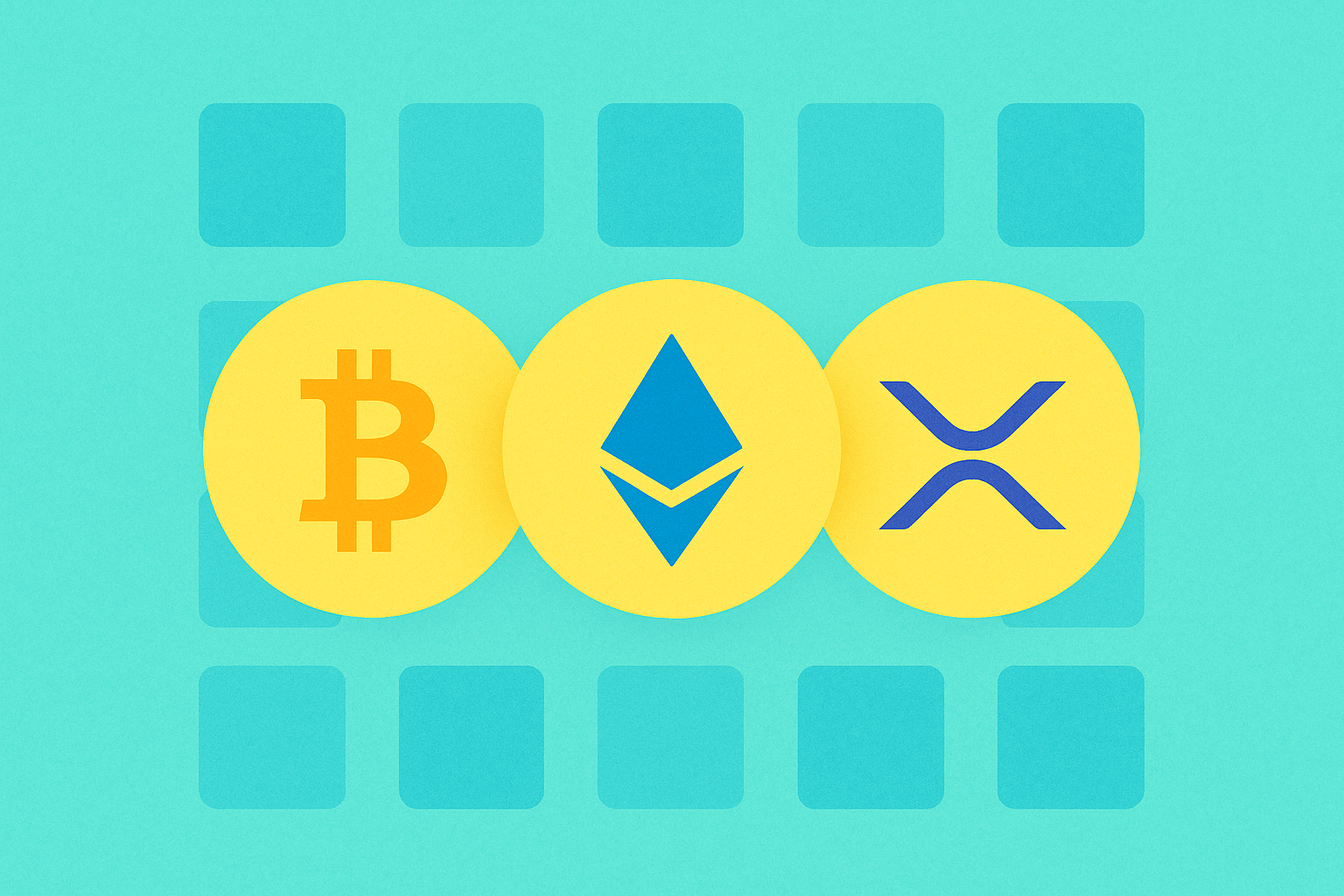
Explore our complete guide to cryptocurrency ETFs for 2024. Discover investment opportunities in SEC-approved Bitcoin, Ethereum, and XRP. We break down the strategies, benefits, and risks of crypto ETFs for both newcomers and experienced investors. Access premier regulated investment solutions with Gate.
Context and Importance of the New Directive
The U.S. Securities and Exchange Commission (SEC) has introduced new guidelines designed to speed up the approval process for cryptocurrency exchange-traded funds (ETFs). This action follows the resolution of a previous government shutdown and marks a major step forward in digital asset regulation. The directive’s primary goal is to streamline access to digital asset ETFs, focusing on products tied to Bitcoin (BTC), Ethereum (ETH), and XRP.
This move responds to rising market demand for regulated crypto investment options. Over the past few years, institutional interest in cryptocurrencies has surged within the financial sector. Crypto ETFs offer traditional investors a safe, regulated channel to enter this emerging market—without the need to handle the technical complexities of direct cryptocurrency ownership.
Details of the New SEC Guidelines
The SEC’s new guidelines are mainly intended to eliminate procedural bottlenecks that have long delayed crypto ETF approvals. Specifically, these rules set clearer standards and more predictable timelines for ETF application reviews.
SEC Chairman Paul Atkins highlighted the need to foster innovation in the crypto sector while expanding investment choices for market participants. This strategy signals a regulatory paradigm shift in the U.S.—from a cautious stance to one that actively supports financial innovation.
Hester Peirce, head of the SEC’s Crypto Task Force, also voiced support for these clarifications regarding crypto exchange-traded products (ETPs). Her commitment underscores the SEC’s intent to develop a balanced regulatory framework that protects investors while promoting market growth.
Anticipated Impact on the Cryptocurrency Market
These new guidelines are expected to have a profound effect on the entire crypto ecosystem. First, they will likely boost institutional engagement. Large financial institutions—previously hesitant due to regulatory ambiguity—can now offer crypto products to clients with greater confidence.
Second, market liquidity is set to improve. Crypto ETFs will make it easier for investors to enter and exit the market, likely raising trading volumes and stabilizing prices. Greater liquidity could help curb the extreme volatility that has previously defined crypto markets.
Third, there is likely to be a significant uptick in capital inflows to the cryptocurrency space. ETFs enable traditional investors—including pension funds and asset managers—to allocate portions of their portfolios to digital assets in a compliant, secure manner. This broader access could spark a new wave of industry growth.
Implications for Bitcoin, Ethereum, and XRP
The three primary cryptocurrencies cited in the SEC guidelines—Bitcoin, Ethereum, and XRP—stand to benefit in different ways. As the original and largest cryptocurrency by market cap, Bitcoin is expected to draw the most immediate ETF interest. Several Bitcoin ETF applications are already pending, and the new guidelines could hasten their approval.
Ethereum, with its robust smart contract ecosystem and central role in decentralized finance (DeFi), offers a unique investment case. Ethereum ETFs would allow investors access to this second-generation blockchain technology without needing to master its technical complexities.
XRP’s inclusion is especially notable, given the prior legal disputes between Ripple (XRP’s issuer) and the SEC. This implicit recognition may signal a shift toward regulatory normalization for XRP.
Outlook and Future Developments
The release of these new guidelines could mark a turning point for U.S. crypto regulation. As approvals become more efficient, expect a wider range of crypto ETF products. Beyond Bitcoin, Ethereum, and XRP, other leading cryptocurrencies may soon be considered for ETF status.
Standardizing approval procedures could also inspire regulators in other countries to adopt similar policies, paving the way for a more harmonized global regulatory environment. This alignment would make cross-border investments easier and further legitimize cryptocurrencies as an asset class.
Finally, the SEC’s innovation-forward approach suggests ongoing adaptation of its regulatory framework as the crypto industry evolves. Investors and market stakeholders should monitor developments closely, as these guidelines likely signal the start of a broader transformation in U.S. digital asset regulation.
FAQ
What exactly is included in the new SEC guidelines?
The new SEC guidelines clarify whether crypto assets should be classified as securities or investment contracts. They aim to set standards for market conduct and reinforce the United States’ leadership in cryptographic technology.
What specific impact do these new guidelines have on the crypto ETF approval process?
The new guidelines dramatically speed up crypto ETF approvals. The SEC has removed case-by-case reviews and streamlined the process, enabling faster launches of digital asset products.
Why did the SEC decide to accelerate crypto ETF approvals?
The SEC is expediting ETF approvals to meet rising institutional demand and acknowledge the crypto market’s strategic importance in today’s digital economy. Adopting crypto ETFs legalizes and standardizes access to the sector.
What are the benefits and risks of cryptocurrency ETFs for investors?
Crypto ETFs let investors use traditional brokerage accounts without managing digital wallets. They provide liquidity and regulatory safeguards but come with high management fees (0.5–2.5%) and significant market volatility.
The guidelines will accelerate institutional adoption of crypto ETFs, boost demand and liquidity, and could help drive prices higher. Regulatory approval will also strengthen professional investor confidence in the crypto sector.
Which crypto ETFs are most likely to be approved under these new guidelines?
Bitcoin and Ethereum are the leading candidates for approval. Altcoins like Hyper, Snort, and Aster could also benefit. Approval timelines are shrinking, fueling strong positive sentiment in the sector.
What distinguishes existing crypto ETFs from newly approved ETFs?
Newly approved ETFs are governed by stricter, updated regulations, offering enhanced investor protection. They also feature greater transparency and higher market acceptance than legacy ETFs.
* The information is not intended to be and does not constitute financial advice or any other recommendation of any sort offered or endorsed by Gate.