Explore how UK authorities confiscated 60,000 bitcoins in the largest Ponzi scheme originating from China. Get an in-depth analysis of cryptocurrency fraud cases, blockchain regulatory developments, and financial crime trends. Find out how to protect yourself from scams in digital asset investments.
Case Background and the Ponzi Scheme
Qian Zhimin, the architect of a large-scale Ponzi scheme originating in China, was at the center of one of the United Kingdom's most significant cryptocurrency seizures in recent years. This case highlights how fraudulent schemes have migrated into the digital asset space, leveraging the decentralized nature of cryptocurrencies to circumvent traditional regulatory oversight.
Qian's operation lured thousands of Chinese investors with promises of outsized returns, adhering to the classic Ponzi scheme model—older investors were paid with funds from new participants. The fraud reached an enormous scale, leaving victims with losses totaling 48 billion yuan.
Scale of the Bitcoin Seizure
Authorities in the UK seized more than 60,000 Bitcoins directly tied to Qian Zhimin, making it one of the largest cryptocurrency confiscations ever conducted by a government. This figure is especially noteworthy given Qian’s ambitious plan to accumulate 210,000 Bitcoins.
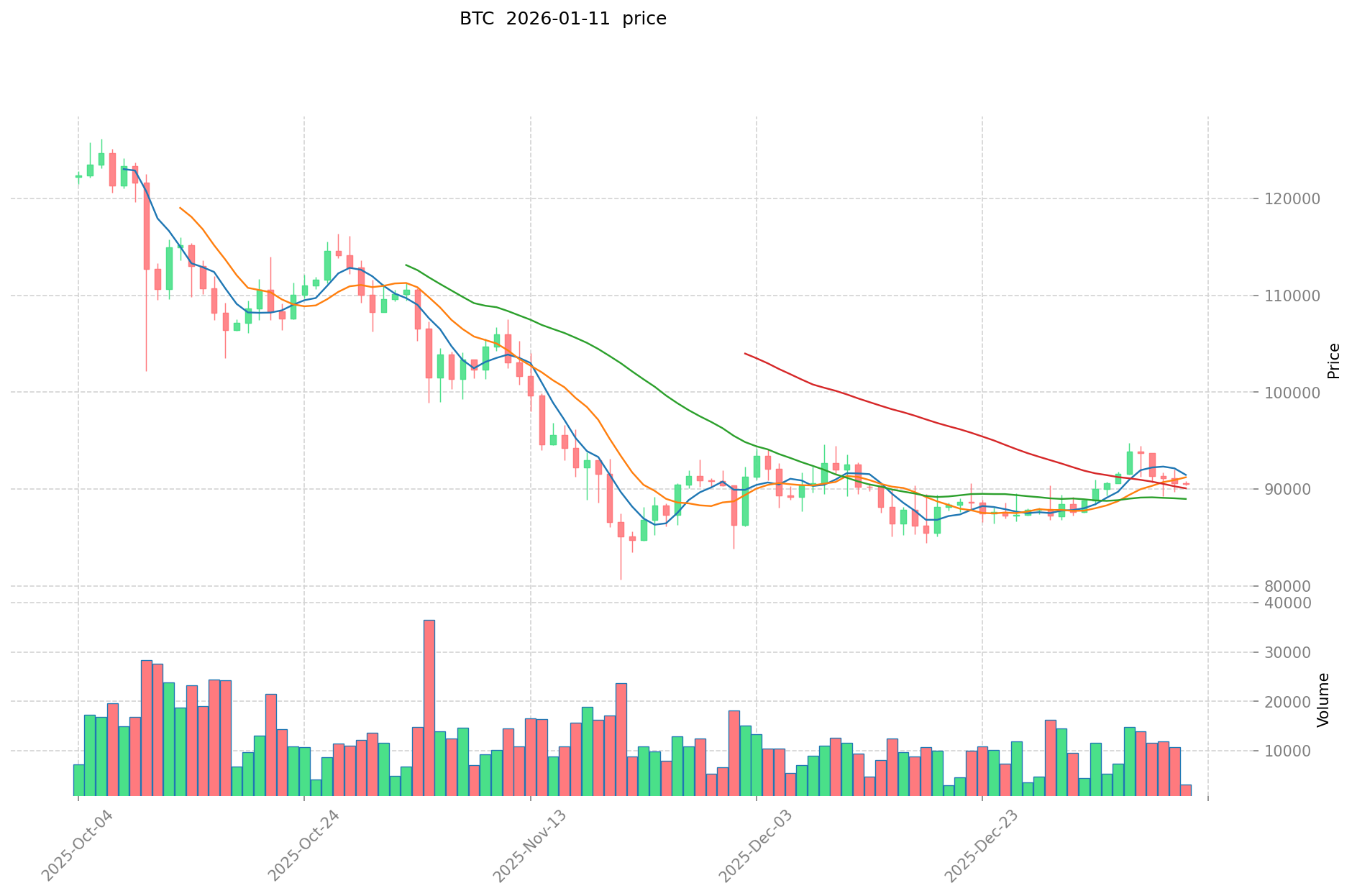
The current value of the 60,000 seized Bitcoins far exceeds the 48 billion yuan owed to victims. Bitcoin’s significant appreciation from the time of the fraud to the time of seizure raises complex legal and ethical questions regarding the distribution of these digital assets. The inherent volatility of cryptocurrencies has turned this seizure into a fluctuating but substantial asset for the UK government.
Legal Disputes Over Distribution of Funds
One of the most challenging aspects of this case is determining how Chinese victims of the Ponzi scheme should be compensated. There are two main positions:
Some argue that victims should recover only their original investment—the 48 billion yuan lost. Others believe victims should benefit proportionally from Bitcoin’s appreciation, receiving compensation based on the current value of the assets seized.
These legal complexities remain unresolved, and the case sets important precedents for future cryptocurrency seizures linked to international fraud. Cross-border jurisdiction adds further complexity, as the victims are in China while the assets were seized in the UK.
Additionally, the UK Chancellor has publicly stated that the seized funds could be used to address deficits in Britain's public finances, introducing another layer to the debate over the final disposition of these digital assets.
Tracing and Apprehension Process
Qian Zhimin's arrest resulted from a years-long, meticulous investigation. After committing the fraud in China, Qian evaded authorities and remained hidden in the UK for about five years, demonstrating the ability of financial criminals to exploit international mobility to avoid capture.
Investigators achieved a breakthrough through forensic analysis of the Bitcoin blockchain, tracing transactions from Qian’s personal wallet to a cryptocurrency exchange. This digital trail allowed authorities to establish clear links between Qian and the illicit funds, proving that while cryptocurrencies offer pseudo-anonymity, advanced blockchain analysis can make them traceable.
Collaboration between Chinese and British authorities was critical to the operation’s success, underscoring the importance of international cooperation in fighting digital financial crime.
Implications for Cryptocurrency Regulation
This case has far-reaching implications for global cryptocurrency regulation. It shows how traditional Ponzi schemes have adapted to the digital asset ecosystem, requiring regulators to develop new strategies for oversight and enforcement.
The ability of authorities to trace and seize large amounts of Bitcoin sends a clear message to criminals considering cryptocurrencies for illicit activity: blockchain’s transparency is a powerful investigative tool for law enforcement.
Furthermore, the case highlights the need for more robust international legal frameworks to manage the seizure and distribution of fraudulently acquired digital assets, especially when victims, perpetrators, and assets span multiple jurisdictions. The outcome may set key precedents for future cases, shaping how governments address the intersection of conventional financial crime and emerging cryptocurrency technologies.
FAQ
What is a Ponzi scheme? Why is this kind of fraud especially common in the cryptocurrency sector?
A Ponzi scheme is a fraudulent arrangement that promises unrealistic returns, paying earlier investors with money from new ones. This type of fraud is prevalent in crypto due to the sector’s emerging nature, weak regulatory oversight, and anonymity—making it easier for scams to scale quickly without immediate consequences.
How does the UK seize criminals’ bitcoins? Can crypto assets be traced and confiscated?
UK authorities can confiscate crypto assets without a prior conviction. By combining blockchain analysis with international cooperation, they track illicit activity. These assets are identifiable on the blockchain, allowing for effective seizure even against sophisticated criminals.
How are seized bitcoins processed? Does the government auction or destroy these virtual assets?
Seized bitcoins are typically auctioned publicly by authorities to convert them to cash. Destruction is rare. The government obtains immediate liquidity through auctions managed by specialized agencies.
What are the legal consequences of involvement in transnational crypto fraud? How do international law enforcement agencies work together to combat it?
Participants face severe criminal charges, lengthy prison terms, and asset forfeiture. International agencies collaborate through treaties like the UN Convention Against Transnational Organized Crime, sharing intelligence and coordinating investigations to prosecute offenders.
How do you identify and avoid Ponzi schemes and fraudulent crypto investment projects?
Steer clear of promises of unusually high, low-risk returns; verify the team’s credentials; assess project transparency; beware of pressure to invest quickly; and use established platforms with proven security.
* The information is not intended to be and does not constitute financial advice or any other recommendation of any sort offered or endorsed by Gate.